
Please note: a valid prescription is required for all prescription medication.
Bulk Savings
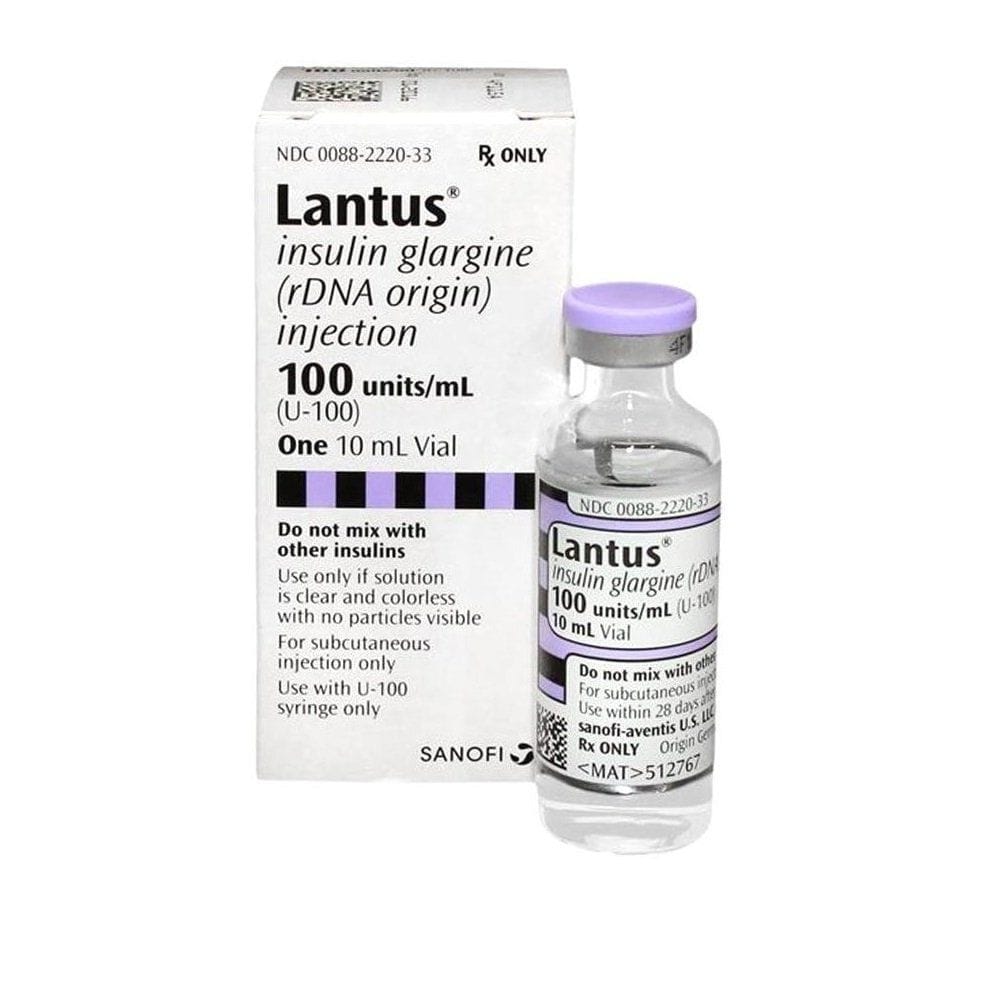
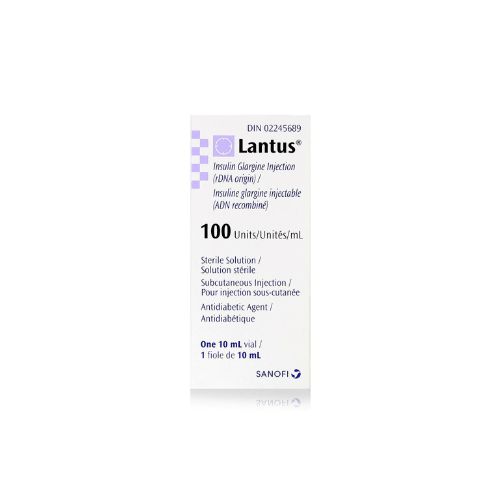
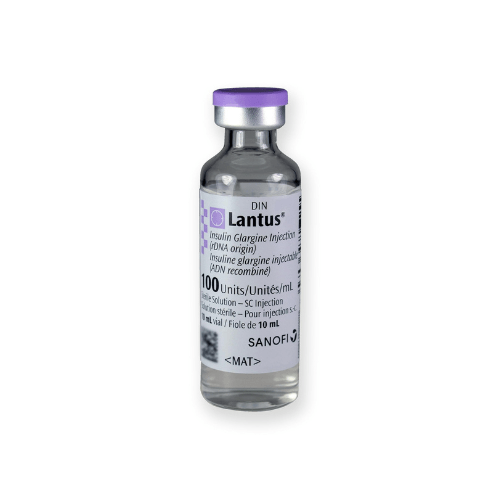
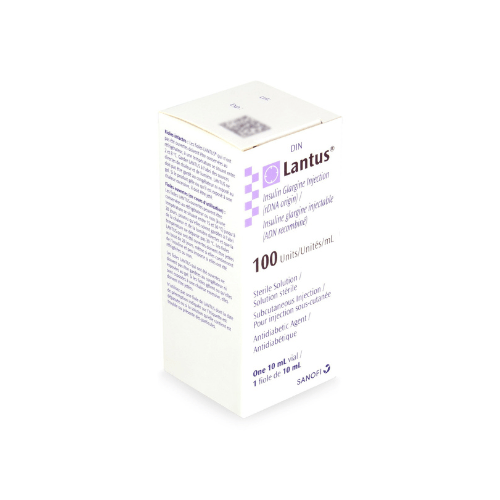
Lantus Vial
Lantus® Vial for Diabetes
Also available for your pet.
Maximize your savings with Canadian Insulin: Buy 2 for a 10% discount, or stock up with 3 or more to unlock an incredible 20% off on your insulin needs.
Price:
$133.95
You save


Insulin glargine is a long-acting basal insulin for blood glucose control. This page explains the vial presentation, how it is used, and important safety points. We also outline how to access the medicine with US shipping from Canada and typical options for those paying without insurance.
CanadianInsulin.com is a prescription referral platform. We verify prescriptions with your prescriber when required, and licensed Canadian pharmacies dispense your order.
What Lantus Is and How It Works
Lantus® contains insulin glargine, a recombinant human insulin analog. It forms microprecipitates after subcutaneous injection, releasing small amounts of insulin over many hours. The result is a relatively flat, peakless basal effect that can help maintain steadier fasting and between-meal glucose levels. It is not a mealtime insulin.
This medicine is indicated for adults with type 2 diabetes and for adults and pediatric patients with type 1 diabetes when used with mealtime insulin. The treatment should be injected subcutaneously, typically once daily at the same time each day per the approved label. It is not for intravenous use and should not be used in an insulin pump.
Who It’s For
This basal insulin is used to improve glycemic control in adults with type 2 diabetes. It is also used in type 1 diabetes as the background insulin alongside rapid-acting prandial insulin. Patients who need a once-daily basal option may be candidates.
People with a history of severe hypoglycemia, hypersensitivity to insulin glargine, or local reactions to excipients should discuss risks with their clinician. An insulin glargine vial may not be appropriate for individuals unable to recognize or treat low blood sugar. Use during pregnancy or breastfeeding requires individualized counseling per official labeling.
Dosage and Usage
Follow your prescriber’s instructions and the product’s approved labeling. This therapy is generally injected once daily at the same time. In type 1 diabetes, it is used with a rapid-acting insulin for meals. In type 2 diabetes, it may be used alone or with other non-insulin agents and, if needed, with prandial insulin. Do not mix or dilute this insulin with other products.
Use the vial with a compatible U-100 insulin syringe. Inspect the liquid before each use. It should be clear and colorless, with no particles. Inject into subcutaneous tissue of the abdomen, thigh, or upper arm, rotating injection sites to reduce the risk of lipodystrophy. An exact-match phrase appears here once for search clarity: Lantus insulin vial. For technique comparisons, see our article on Pen vs Syringe.
Strengths and Forms
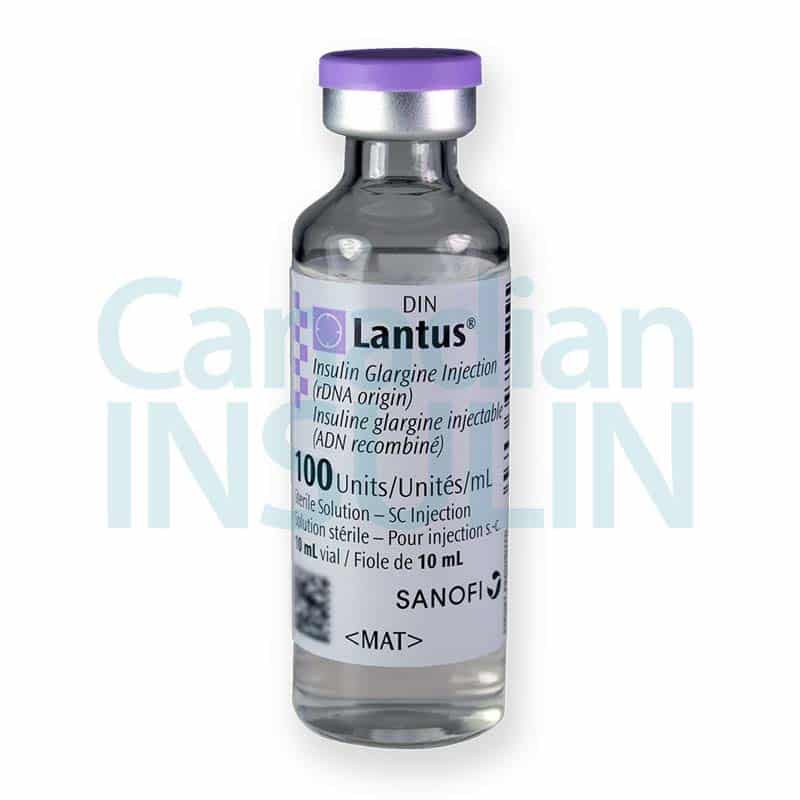
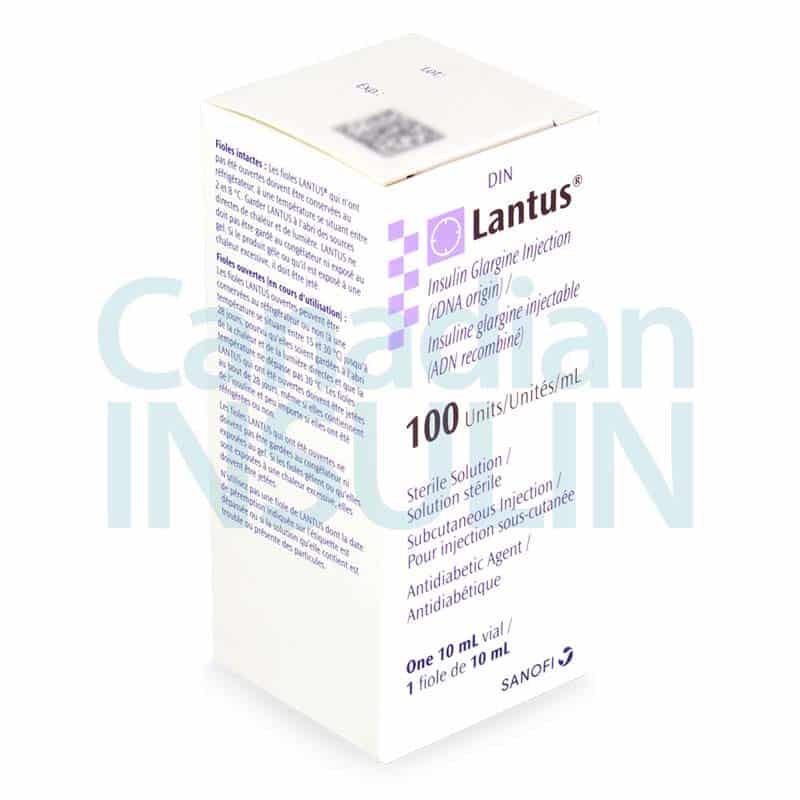
This product is supplied as a multi-dose vial for subcutaneous use. Each vial typically contains 10 mL of U‑100 insulin glargine solution. Availability may vary by dispensing pharmacy and jurisdiction.
- Vial: 10 mL of solution for injection
- Concentration: 100 units per mL (U‑100)
Related basal options are available in cartridge and prefilled pen formats under other brands. Explore our category for class options under Long-Acting Insulin. For search clarity in this section, we note the exact term Lantus 100 units/mL vial.
Missed Dose and Timing
If you miss a once-daily basal dose, follow the instructions in the official label or contact your healthcare provider for guidance. Generally, take it as soon as remembered if it is not close to the next scheduled dose. Avoid doubling doses, which may increase hypoglycemia risk.
Try to keep injections at the same time each day. Set reminders on your phone or calendar to support consistent use. For search clarity in this section, this exact term appears once: insulin glargine 10 mL vial.
Storage and Travel Basics
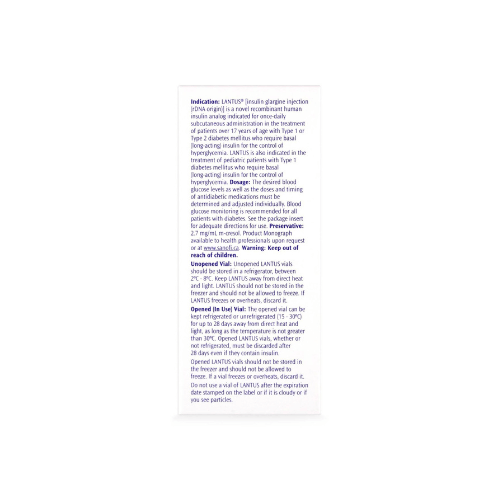
Unopened vials should be stored refrigerated. Do not freeze. If a vial has been frozen, do not use it. After first use, the vial may be kept at room temperature or refrigerated for up to the period specified on the label, commonly 28 days. Keep away from direct heat and light. Always check the solution; do not use it if cloudy, discolored, or containing particles.
When traveling, carry your insulin and supplies in a dedicated bag. Keep the vial with you in a cabin bag, not in checked luggage. Use a cooling pouch or insulated container with gel packs to maintain safe temperatures, but avoid placing the vial directly against ice. Bring your prescription label and a copy of your prescription for security checks. For search clarity in this section, one exact phrase appears: insulin glargine 100 units/mL vial.
Pen Handling and Sharps Disposal
This vial is used with disposable insulin syringes. Use a new sterile needle and syringe for each injection. Draw the correct dose carefully and remove air bubbles as instructed by your care team.
Dispose of used needles and syringes in an FDA-cleared sharps container. If unavailable, use a heavy-duty household container with a tight-fitting, puncture-resistant lid until you can transfer to an approved option. Follow local regulations for sharps disposal. Never flush or throw loose needles into household trash.
Benefits
As a basal insulin, this treatment provides steady background insulin activity over 24 hours for many users. A once-daily schedule can simplify routines compared with multiple basal doses. The vial format may help patients who prefer syringe dosing or need flexible quantities for dose titration.
The relatively flat profile can reduce variability between injections. Using consistent timing and site rotation may support more predictable results. Always align your plan with your prescriber’s guidance.
Side Effects and Safety
- Low blood sugar: shakiness, sweating, headache, dizziness, irritability
- Injection site reactions: redness, pain, or swelling
- Edema: fluid retention may occur
- Weight gain: possible with insulin therapy
- Allergic reactions: rash or pruritus
- Lipodystrophy: skin thickening or pitting at injection sites
Serious but less common risks include severe hypoglycemia and hypokalemia. Seek urgent medical help for severe allergic reactions, trouble breathing, or persistent, severe low blood sugar. Do not mix this insulin with other insulins or inject it intravenously. Avoid accidental use in an insulin pump unless directed by the approved labeling, which generally does not support pump use for this formulation.
Drug Interactions and Cautions
Numerous medications can increase or decrease insulin requirements. Agents that may raise blood glucose include corticosteroids, certain diuretics, and some atypical antipsychotics. Agents that may lower blood glucose include non-selective beta blockers, ACE inhibitors, and salicylates. Beta blockers may also blunt the warning symptoms of hypoglycemia.
Use caution when combining insulin with thiazolidinediones, which can increase fluid retention and worsen heart failure in susceptible patients. Alcohol can increase hypoglycemia risk. Review all prescription medications, OTC products, and supplements with your clinician.
Patients transitioning from another basal insulin should follow prescriber instructions and the official label. For background on concentrated basal insulin, see our explainer Toujeo Overview.
What to Expect Over Time
Many patients see steadier fasting glucose with regular daily use. Adjustments may be needed when diet, activity, illness, or concomitant medications change. Your clinician may refine the regimen over time based on glucose patterns.
Adherence matters. Take the dose at a consistent time daily, rotate sites, and keep records of readings as instructed. Carry a source of fast-acting carbohydrate in case of low blood sugar. Wear medical identification indicating insulin use, especially during travel.
Compare With Alternatives
Other basal insulins include biosimilar or follow-on insulin glargine and different analogs. A follow-on glargine option is available; see Buy Basaglar Online. An ultra–long-acting analog option is available in a pen device; consider Flextouch Pens. Some patients may also discuss detemir or NPH-based regimens with their prescriber.
Choice depends on clinical history, dose needs, device preference, and insurance or cash-pay considerations. Do not switch products without prescriber guidance.
Pricing and Access
Canadian pricing may help reduce out-of-pocket spending while maintaining pharmacy-dispensed supply with US delivery from Canada. We list clear vial options and indicate current availability. Check the Lantus vial price on the product page to compare with local cash-pay rates. Encrypted checkout helps protect payment information.
If you are seeking coupons or time-limited offers, see our Promotions page for current notices. Prescription validation is required for purchase.
Availability and Substitutions
Supply can vary. If the requested vial is out of stock, your prescriber may recommend a therapeutically appropriate alternative in the same class or a different basal insulin. We do not provide substitution advice; your clinician and dispensing pharmacy will guide changes.
Patient Suitability and Cost-Saving Tips
This treatment may suit adults and children needing a steady basal insulin. Patients with frequent severe hypoglycemia, unrecognized lows, or significant injection site issues should discuss risks. Those requiring concentrated insulin may need a different product under clinician guidance.
Consider larger-quantity fills if appropriate and allowed by your prescription. Align refills with clinic visits to avoid lapses. Set digital reminders for nightly dosing. If paying cash, compare multi-vial orders and plan ahead to reduce per-vial costs, when permitted by local rules.
Questions to Ask Your Clinician
- Starting plan: how this basal fits my regimen
- Hypoglycemia plan: signs and treatment steps
- Injection technique: site rotation and needle size
- Travel guidance: storage and documentation
- Sick-day rules: when to check more often
- Transitioning: steps when changing basal insulin
Authoritative Sources
For full prescribing information and patient instructions, consult these official resources in addition to your clinician’s advice: see the manufacturer’s product information, FDA labeling on DailyMed, and Health Canada’s Drug Product Database. Detailed safety, storage, and disposal information is provided in these documents.
- FDA Prescribing Information for Insulin Glargine (Lantus)
- DailyMed: Lantus Insulin Glargine Injection
- Health Canada Drug Product Database
Ready to order? You can buy Lantus vial through CanadianInsulin with prompt, express, cold-chain shipping to your address after prescription verification. Medical disclaimer: This content is for informational purposes only and is not a substitute for professional medical advice.
Customer Reviews
4.8 Based on 32 Reviews
Write a Review Ask a Question - Reviews
- Questions
Filter Reviews:
JD
04/15/2025
John D.  US
USExcellent service
The Lantus insulin arrived in perfect condition, the ice pack still keeping it cool. The delivery was made much faster than I expected! Canadian Insulin is my go-to reliable source.
04/16/2025
CanadianInsulin.com
Hi John,We’re so happy to hear your Lantus arrived in great condition and faster than expected! Thank you for trusting us as your go-to source. We truly appreciate your support and look forward to continuing to serve you.If you have any questions or need further assistance, please let us know, we're here to support you.Thank you for choosing Canadian Insulin. Have a great day!
GC
07/18/2024
Glenn C. USThanks
A necessary item for me, thank you.
07/19/2024
CanadianInsulin.com
Hi Glenn,Thank you for your feedback! We're glad we could provide you with what you need. If you have any questions or need further assistance, please don't hesitate to reach out. We're here to support you.Thank you for choosing Canadian Insulin. Have a great day!
JA
06/20/2024
John A. USLantus order delivered promptly and in good condition.
Pricing is excellent and ordering/delivery was efficient. I will definitely continue being a customer!
06/21/2024
CanadianInsulin.com
Hi John,Thank you for your positive feedback! We're glad to hear that your Lantus order was delivered promptly and in good condition, and that you found our pricing and ordering process excellent. If you have any questions or need further assistance, please don't hesitate to reach out. We're here to support you.Thank you for choosing Canadian Insulin. Have a great day!
DN
03/06/2024
Daniel N. USOrder
Awesome as always!!
03/07/2024
CanadianInsulin.com
Hi Daniel,Thank you for your kind words! We're delighted to hear that your order experience was awesome. Providing excellent service is our top priority, and we're thrilled that we could meet your expectations.If you have any questions or need further assistance, please feel free to reach out. Have a great day!
BB
01/25/2024
Baerbel B. USI recommend this product
Very satisfied !!! ***
was great, just the Transport takes too long
01/29/2024
CanadianInsulin.com
Hi Baerbel,Thank you for your feedback. We're thrilled to hear that you were very satisfied with our service. Your positive rating means a lot to us! We understand your concern about the transport duration, and we appreciate you bringing it to our attention.We're continuously working to improve our delivery times, and your feedback helps us in this process. To address this matter, we'll assign someone to reach out immediately to offer suitable solution and uncover any underlying issue to prevent recurrence of the same issue.We look forward to resolving this matter with you and your patience is highly appreciated.
Express Shipping - from $25.00
Shipping with this method takes 3-5 days
Prices:
- Dry-Packed Products $25.00
- Cold-Packed Products $35.00
Standard Shipping - $15.00
Shipping with this method takes 5-10 days
Prices:
- Dry-Packed Products $15.00
- Not available for Cold-Packed products
Is this basal insulin the same as NPH?
No. Insulin glargine is a long-acting analog with a flatter, longer profile than NPH. It is not interchangeable without clinician guidance.
How long does an opened vial remain usable?
Most labels allow an in-use vial for up to 28 days at room temperature or refrigerated. Always follow the specific product label and discard if the solution looks abnormal.
Can I mix this insulin with other insulins in the syringe?
Do not mix. Insulin glargine should not be mixed with any other insulin or diluted. Mixing can alter its action profile and safety.
Which syringe should be used with this vial?
Use a U-100 insulin syringe compatible with your prescribed dose. Your care team or pharmacist can advise on barrel size and needle gauge.
Is it safe to use in an insulin pump?
No. Insulin glargine formulations are not approved for continuous subcutaneous infusion pumps. Use only as directed for subcutaneous injection.
What if I experience frequent lows on my current dose?
Severe or recurrent hypoglycemia is a safety concern. Contact your prescriber for individualized guidance. Do not change your dose on your own.
How should I store it while traveling by air?
Carry the vial in a hand luggage cooler with gel packs, not directly on ice. Keep your prescription and a doctor’s note handy for security checks.
Rewards Program
Earn points on birthdays, product orders, reviews, friend referrals, and more! Enjoy your medication at unparalleled discounts while reaping rewards for every step you take with us.
You can read more about rewards here.
POINT VALUE
How to earn points
- 1Create an account and start earning.
- 2Earn points every time you shop or perform certain actions.
- 3Redeem points for exclusive discounts.
You Might Also Like
Select options
This product has multiple variants. The options may be chosen on the product page
Select options
This product has multiple variants. The options may be chosen on the product page
Select options
This product has multiple variants. The options may be chosen on the product page
Select options
This product has multiple variants. The options may be chosen on the product page
Related Articles
Weight Management
Zepbound storage: Keep It Safe With Clear Temperature Rules
This guide explains Zepbound storage so your medication stays effective. You will learn temperature limits, how long doses can stay unrefrigerated, travel practices, and what to do if a pen…
Weight Management
Zepbound and Fatigue: Practical Tips to Ease Tiredness Safely
Feeling drained after starting tirzepatide can be unsettling. Many users describe a mix of low energy, mild aches, and disrupted sleep early on. If you are navigating Zepbound and fatigue,…
Cardiovascular, Diabetes, Type
Mounjaro Heart Benefits Beyond Weight Loss: Evidence-Based Guide
Patients often ask how tirzepatide might support cardiovascular health beyond weight loss. Understanding Mounjaro heart benefits requires looking at mechanisms, evolving trial data, and safety signals. This guide synthesizes key…
Diabetes, Type 2
Ozempic Rebound: A Practical Guide to Prevent Weight Regain
Many people stop GLP-1 therapy and wonder what comes next. Appetite changes, routine shifts, and metabolism can collide. A clear plan helps you keep progress steady and predictable, not reactive.…