
Please note: a valid prescription is required for all prescription medication.
Promotion
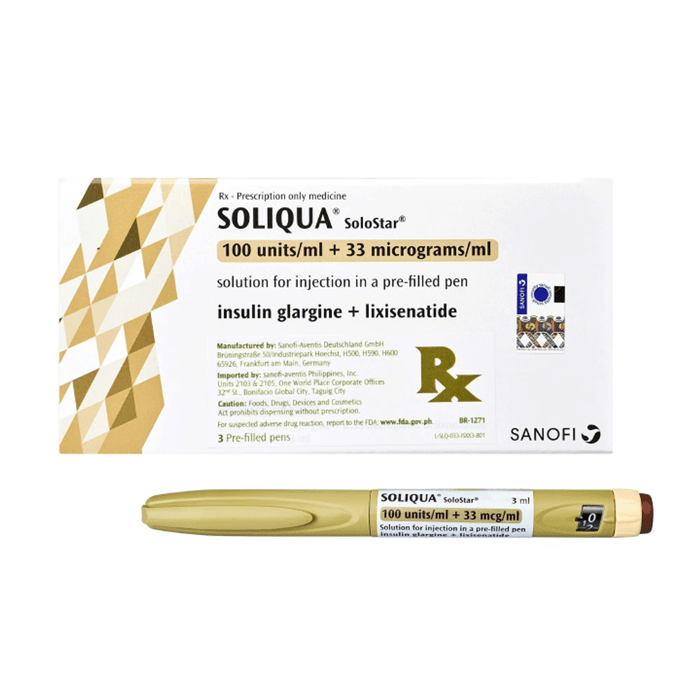
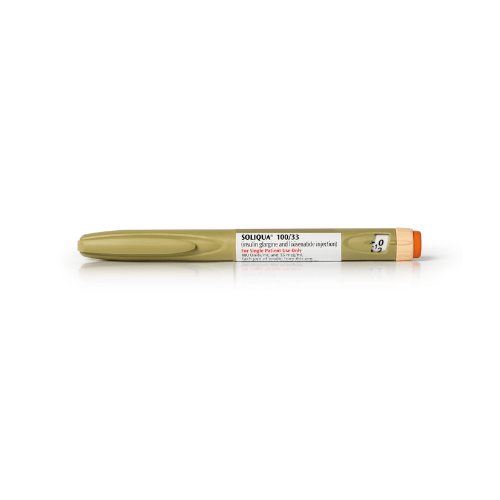
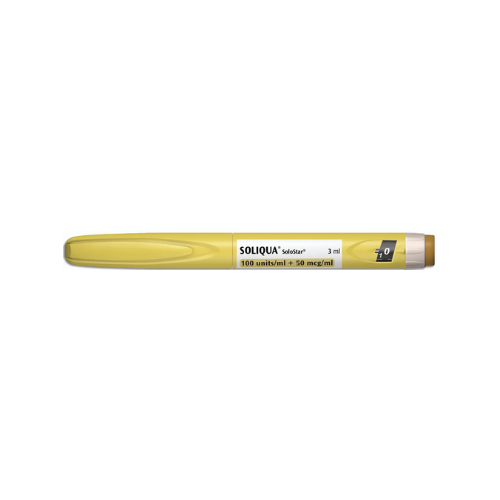
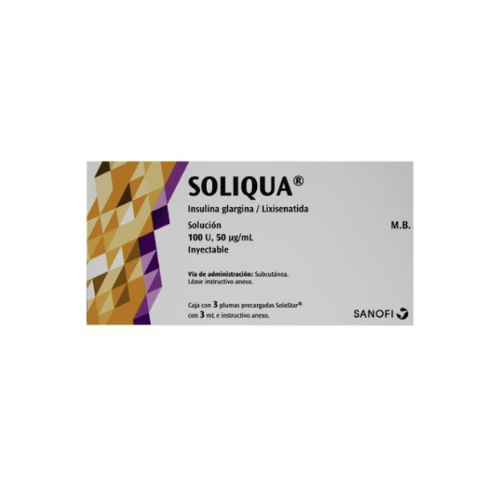
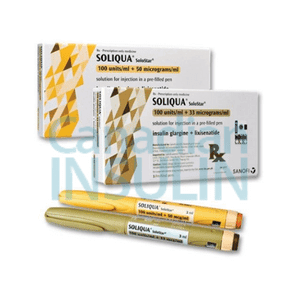
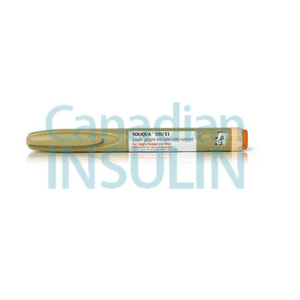
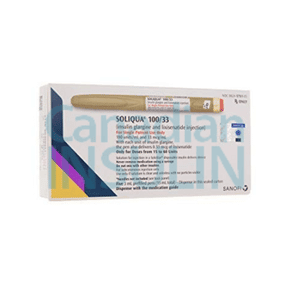
Soliqua Solostar Pens
Soliqua® SoloStar Pens for Type 2 Diabetes
Sitewide Super Sale - Get 15% off when you buy 3 or more of the same product using the code LESS15 at checkout.
Applies to all products originating from Canada. Maximum quantity limited to a 90-day supply per order.
Price:
$290.99
You save


Soliqua® is a once-daily combination pen for adults with type 2 diabetes. It pairs basal insulin with a GLP-1 receptor agonist to help lower blood sugar. Available with US delivery from Canada, it may suit patients comparing Soliqua Solostar Pens without insurance.
What Soliqua Is and How It Works
This medicine combines insulin glargine and lixisenatide in one prefilled pen. The insulin component provides steady background glucose control. The GLP-1 component helps your pancreas release insulin when glucose is high and decreases glucagon. It also slows gastric emptying, which can reduce post-meal spikes.
CanadianInsulin.com is a prescription referral platform. We verify prescriptions with your prescriber when required, and licensed Canadian pharmacies dispense your order.
The treatment is taken once daily within an hour before your first meal. It is not mixed with other insulins and is not used in an insulin pump. Learn more about these classes under GLP-1 Agonists and Long-Acting Insulin.
Who It’s For
This treatment is indicated as an adjunct to diet and exercise for adults with type 2 diabetes. It may be considered when control is inadequate on basal insulin or on a GLP-1 alone. Patients needing more than a moderate basal dose may require a different plan.
People with type 1 diabetes or diabetic ketoacidosis should not use it. Those with a history of pancreatitis, severe gastrointestinal disease, or hypersensitivity to components should discuss alternatives. Some patients ask about Soliqua Solostar 100/33 pens; your clinician can confirm if that strength aligns with your plan. For condition education, see our Type 2 Diabetes category.
Dosage and Usage
Use the pen once daily within one hour before the first meal of the day. Your prescriber sets the starting dose based on your prior basal insulin or GLP-1 therapy. Dose adjustments are typically made in small steps to target fasting and overall glucose goals.
Prime the pen before first use per the Instructions for Use. Inject subcutaneously in the abdomen, thigh, or upper arm, rotating sites to reduce skin reactions. Do not share pens, even with a new needle. Do not mix or dilute this medicine. For patients researching product components, the term insulin glargine lixisenatide Solostar pens refers to this fixed-ratio combination device.
Strengths and Forms
The pen is a disposable, prefilled SoloStar device containing a fixed ratio of insulin glargine and lixisenatide. Each pen contains 3 mL of solution. Common retail packaging includes a carton of five pens.
The combination delivers a labeled range of daily units per injection. Availability can vary by pharmacy and jurisdiction. The 100 units/33 micrograms per mL presentation is widely referenced; your prescribed option may differ based on clinical needs.
Missed Dose and Timing
If you miss a dose, skip the missed dose and resume your usual once-daily schedule the next day before your first meal. Do not take two doses on the same day. If dosing questions arise, follow the product label and ask your care team.
Storage and Travel Basics
Unopened pens should be kept refrigerated until first use. Do not freeze, and discard any pen that has been frozen. Once in use, keep the pen at room temperature and away from direct heat or light. In-use pens are typically discarded after 28 days; check the carton or Patient Information for exact timing.
When traveling, carry pens, needles, and a copy of your prescription in your hand luggage. Use a protective case to prevent damage. Keep out of reach of children and pets. For longer trips, bring extra supplies and consider a backup plan if a pen is lost or damaged.
Pen Handling and Sharps Disposal
Use a new needle for each injection. Attach the needle securely, prime as directed, and select the prescribed dose. Insert into the chosen subcutaneous site and inject per the Instructions for Use. After the dose, remove the needle to reduce air entry and leakage, and store the pen without a needle attached.
Dispose of used needles in an FDA-cleared sharps container or a sturdy household container with a tight-fitting lid. Follow local regulations for disposal. Never share your pen or needles.
Benefits
This combination can reduce the number of daily injections compared with taking separate basal insulin and GLP-1 products. It offers once-daily dosing tied to breakfast timing. The pen format provides dose titration within a defined range, which can simplify routine adjustments under clinical supervision.
Some patients find gastrointestinal effects manageable compared to starting a GLP-1 alone at higher doses. Others value having one device to cover basal and post-meal support. Individual results vary.
Side Effects and Safety
- Nausea or vomiting, especially at initiation
- Diarrhea or constipation
- Headache or dizziness
- Injection site redness or irritation
- Upper respiratory symptoms
Hypoglycemia can occur, especially with insulin or if meals are skipped. Serious but less common risks include pancreatitis symptoms (severe abdominal pain), kidney function changes from dehydration, and allergic reactions. This treatment is not for people with type 1 diabetes or diabetic ketoacidosis. Do not use with another GLP-1 receptor agonist.
Drug Interactions and Cautions
- Other glucose-lowering drugs: may increase hypoglycemia risk
- Beta-blockers: can mask low blood sugar symptoms
- Corticosteroids and some diuretics: may raise blood glucose
- Alcohol: can raise or lower glucose unpredictably
- Oral drugs with narrow therapeutic index: absorption can be affected by slowed gastric emptying
Always separate time-sensitive oral drugs per label guidance to avoid absorption issues. If you have kidney or gastrointestinal disease, discuss additional precautions with your clinician.
What to Expect Over Time
Glucose patterns may improve as dose adjustments are made and meal timing stabilizes. Some gastrointestinal effects can appear at initiation and often lessen over time. Regular self-monitoring, consistent meals, and adherence to the daily schedule help clinicians make safe titration decisions.
Keep a log of fasting and post-meal readings, plus any hypoglycemia. Share these data during check-ins so your prescriber can guide adjustments based on the official label.
Compare With Alternatives
Another fixed-ratio option combines a different basal insulin with a GLP-1. Patients and clinicians sometimes compare this therapy with Xultophy® Prefilled Pen. For basal-only strategies, a long-acting insulin such as Lantus® SoloStar Pens may be considered based on individual goals.
Suitability depends on prior therapy, target A1C, and tolerability. Your prescriber will weigh benefits, risks, and device preferences.
Pricing and Access
Canadian pricing with US shipping from Canada can offer meaningful savings for eligible patients. You can review formulary availability and Soliqua Solostar Pens price online. Check out our Promotions page for current offers. We support encrypted checkout and standard prescription verification.
Cash-pay shoppers often compare pharmacy quotes with their health-plan copays. You can also discuss multi-pen supplies to reduce per-pen fees when appropriate.
Availability and Substitutions
Supply can vary. If a carton is unavailable, a prescriber may recommend a comparable approach or a different pen strength. Patients sometimes ask about Soliqua Solostar Pens from Canada; if a substitution is needed, your clinician will select a suitable alternative and dosing plan.
Patient Suitability and Cost-Saving Tips
This therapy may suit adults needing both basal insulin and GLP-1 effects in one pen. It may not fit those who require flexible separate titration or who have contraindications to the components.
To manage expenses, consider 2–3 month fills when appropriate, coordinate refills before travel, and set reminders to reorder before the in-use pen’s discard date. Compare pharmacy service fees and include needle supplies in your budget.
Questions to Ask Your Clinician
- Starting dose and titration plan
- Best injection site and rotation pattern
- How to handle low blood sugar
- Managing stomach-related side effects
- Timing with other diabetes medicines
- Travel storage and replacement planning
Authoritative Sources
For full prescribing details, see FDA labeling on DailyMed; the official database provides comprehensive, regularly updated content for patients and professionals. Visit the FDA DailyMed listing in a new tab: FDA DailyMed official drug labeling resource.
The manufacturer’s site offers device instructions and safety information. You can review this content here: Sanofi manufacturer information and product resources.
Health Canada’s Drug Product Database lists Canadian-specific product details. Reference it here: Health Canada Drug Product Database entry point.
To proceed, you can order Soliqua Solostar Pens online at CanadianInsulin with prompt, express, cold-chain shipping.
Medical disclaimer: This content is for informational purposes only and is not a substitute for professional medical advice.
Customer Reviews
4.0 Based on 2 Reviews
Write a Review Ask a Question - Reviews
- Questions
Filter Reviews:
JH
11/09/2022
James H.  US
USI recommend this product
Soliqua Works Fine But Requires Larger Doses Than Previous Medications
Soliqua's Lantus works fine for the insulin portion of the combination, but the Lixisenatide portion, in my experience, does not suppress hunger as advertised -- at least in me. I switched from Humulin N Kwikpens and Ozempic at my doctor's suggestion to save money. Ozempic works great to reduce hunger and curbs my appetite all day. Soliqua does not curb my appetite. Big difference.
JH
09/05/2022
James H. USI recommend this product
Soliqua 100/33
The Soliqua pens are very easy to use. Previously, I used Humulin N Qwik Pens daily and Ozempic weekly. Soliqua consists of 100 mL of glargine (long-acting) insulin and 33 mL of Lixisenatide, an incretin mimetic [glucagon-like peptide-1 (GLP-1) receptor agonist], that stimulates the pancreas to secrete insulin when blood sugar levels are high and also slows the emptying of the stomach and causes a decrease in appetite. Together, they work almost exactly like my former medications at a lesser cost. So far, so good.The only issue was making the transition from giving myself evening injections of Humulin N to daily morning injections of Soliqua, but I've managed to make the transition fairly painlessly.
Express Shipping - from $25.00
Shipping with this method takes 3-5 days
Prices:
- Dry-Packed Products $25.00
- Cold-Packed Products $35.00
Standard Shipping - $15.00
Shipping with this method takes 5-10 days
Prices:
- Dry-Packed Products $15.00
- Not available for Cold-Packed products
What is Soliqua used for?
It is indicated to improve glycemic control in adults with type 2 diabetes as an adjunct to diet and exercise when prior therapy is insufficient.
How often do I take Soliqua?
It is injected once daily within an hour before your first meal. Do not take two doses in one day to make up for a missed dose.
Can Soliqua be used in type 1 diabetes?
No. It is not indicated for type 1 diabetes or for the treatment of diabetic ketoacidosis.
Where do I inject Soliqua?
Inject subcutaneously in the abdomen, thigh, or upper arm. Rotate injection sites to reduce skin reactions.
Do I need to keep Soliqua refrigerated?
Unopened pens should be refrigerated. In-use pens are kept at room temperature and are typically discarded after 28 days. Do not freeze.
What are common side effects of Soliqua?
Nausea, diarrhea, headache, and injection site reactions are common. Hypoglycemia can occur, especially if meals are skipped or doses exceed needs.
Can I use Soliqua with other GLP-1 medicines?
No. Do not use it with another GLP-1 receptor agonist. Discuss your full medication list with your clinician.
Rewards Program
Earn points on birthdays, product orders, reviews, friend referrals, and more! Enjoy your medication at unparalleled discounts while reaping rewards for every step you take with us.
You can read more about rewards here.
POINT VALUE
How to earn points
- 1Create an account and start earning.
- 2Earn points every time you shop or perform certain actions.
- 3Redeem points for exclusive discounts.
You Might Also Like
Select options
This product has multiple variants. The options may be chosen on the product page
Select options
This product has multiple variants. The options may be chosen on the product page
Select options
This product has multiple variants. The options may be chosen on the product page
Select options
This product has multiple variants. The options may be chosen on the product page
Related Articles
Weight Management
Zepbound storage: Keep It Safe With Clear Temperature Rules
This guide explains Zepbound storage so your medication stays effective. You will learn temperature limits, how long doses can stay unrefrigerated, travel practices, and what to do if a pen…
Weight Management
Zepbound and Fatigue: Practical Tips to Ease Tiredness Safely
Feeling drained after starting tirzepatide can be unsettling. Many users describe a mix of low energy, mild aches, and disrupted sleep early on. If you are navigating Zepbound and fatigue,…
Cardiovascular, Diabetes, Type
Mounjaro Heart Benefits Beyond Weight Loss: Evidence-Based Guide
Patients often ask how tirzepatide might support cardiovascular health beyond weight loss. Understanding Mounjaro heart benefits requires looking at mechanisms, evolving trial data, and safety signals. This guide synthesizes key…
Diabetes, Type 2
Ozempic Rebound: A Practical Guide to Prevent Weight Regain
Many people stop GLP-1 therapy and wonder what comes next. Appetite changes, routine shifts, and metabolism can collide. A clear plan helps you keep progress steady and predictable, not reactive.…