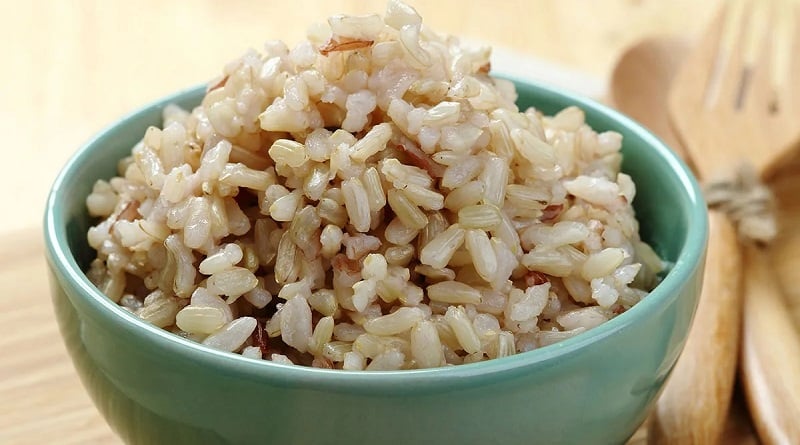
People often ask how brown rice and diabetes fit together in everyday meals. The answer depends on portion size, cooking method, and your overall diet pattern, not one food alone.
Key Takeaways
- Glycemic impact depends on rice type, portion, and cooking.
- Fiber and micronutrients in brown rice support satiety.
- Lower-GI varieties like basmati may blunt spikes.
- Use measured portions and balanced plates at meals.
Brown Rice and Diabetes: What It Means
Brown rice keeps its bran and germ layers. Those layers add fiber, minerals, and plant compounds compared with polished white rice. More fiber can slow carbohydrate absorption and help reduce post-meal glucose rises. Still, rice remains a starch-dense food, so total grams of carbohydrate drive much of the response.
The glycemic index (GI; blood-sugar impact) of rice varies by grain type and processing. Cooking style and serving temperature also matter. For broader nutrition context and meal-building ideas, the curated Diabetes Articles collection offers background you can apply to rice and other staples.
Brown Rice vs White Rice: Nutrients and Processing
People compare brown rice vs white rice for fiber, vitamins, and blood sugar effects. Brown rice supplies more dietary fiber, magnesium, manganese, and small amounts of protein. Those nutrients can support satiety and cardiometabolic health when used in a balanced eating pattern. White rice is milled to remove bran and germ, producing a softer texture and faster cooking time.
Refined rice can be easier to digest and may suit some gastrointestinal needs. However, it generally digests faster, which can raise glucose more quickly. The calorie difference between brown and white rice is minimal per cooked cup; portion control remains critical. For comparisons across everyday grains, see this cereal overview for context in breakfast planning in Diabetes-Friendly Cereal.
Glycemic Index: Comparing Common Rice Varieties
GI ranks carbohydrate foods by how quickly they raise blood glucose. Typical brown rice sits in a moderate range, while some white rice types are higher. Basmati often trends lower due to its starch structure. These ranges can guide choices, but cooking, cooling, and serving size still drive outcomes.
| Rice Type | Typical GI Range |
|---|---|
| Brown rice | 50–68 |
| Standard white (short/medium) | 70–85 |
| Parboiled/converted white | 50–60 |
| Basmati (white or brown) | 50–58 |
For detailed values by rice type, the GI database provides standardized testing results with clear methods and ranges. For a quick refresher on how GI works and how to use it, see What Is Glycemic Index and a practical application in Role of Glycemic Index.
Why GI Varies in Rice
Grain length, starch ratio, and processing explain much of the difference. Long-grain basmati contains more amylose, which tends to digest more slowly. Parboiling changes starch structure and can lower the GI compared with conventional white rice. Cooking duration also matters; al dente textures digest slower than very soft rice. Cooling cooked rice and reheating later can raise resistant starch, which is less digestible and may blunt spikes. These levers let you tailor rice to your targets without eliminating it entirely.
In practice, focus on your meter or continuous glucose monitor (CGM) patterns after meals. Track how different rice types and portions affect your own readings. Personal response can vary based on microbiome, fitness, medications, and the rest of the plate.
Because the brown rice glycemic index can differ by brand and preparation, consider testing familiar products at home. Pair rice with protein, non-starchy vegetables, and unsaturated fats. This combined approach often smooths the glucose curve better than rice alone.
Portions and Meal Planning for Diabetes
Portion size is the lever with the biggest effect. Many diabetes educators use the “carb choice” framework, where about 15 grams of carbohydrate is one choice. For most cooked rice, 1/3 to 1/2 cup equals roughly one choice, depending on the variety and cooking method.
If you wonder how much how much brown rice can a diabetic eat, start with a measured half-cup cooked alongside lean protein and vegetables. Then review your post-meal glucose to adjust. For structured meal-building strategies, the stepwise guide in Eating Well With Diabetes shows how to balance starches thoughtfully. Practical CDC guidance on carbohydrate counting can help you translate labels and household measures into consistent portions.
Benefits and Trade-Offs
Brown rice offers fiber, magnesium, and phytonutrients, which may support insulin sensitivity and heart health. The fiber supports fullness and regularity, which can help appetite control across the day. For an overview of fiber’s role in glucose stability and cholesterol, see the concise explainer Importance of Fiber.
On the other side, consider potential disadvantages of eating brown rice. Rice can contain inorganic arsenic absorbed from soil and water, with higher levels often seen in the outer layers. Rinsing, using excess water with a drain-off method, and varying grains can help. For current safety context and mitigation tips, review FDA information on arsenic in rice, which summarizes sources and preparation methods. Brown rice also contains phytic acid, which can bind minerals; soaking and varied diets minimize that effect for most people.
Cooking Methods and Practical Recipes
Technique changes the glucose response you’ll see. Try absorption cooking with slightly less water to keep the grain firm. Alternatively, use a boil-and-drain method to reduce surface starch. Cooling cooked rice for 12–24 hours and reheating before serving can increase resistant starch. That change may gently blunt glucose rise compared with freshly cooked rice.
For everyday use, here are two simple ideas. Bowl: 1/2 cup cooked brown rice, 1 cup sautéed greens, grilled salmon or tofu, and a drizzle of olive oil. Pilaf: toast dry brown rice in a pan with onion and garlic, add low-sodium broth, simmer to al dente, and fold in chopped herbs and lemon zest. For stepwise meal assembly that complements these ideas, see Diabetes-Friendly Diet Plan.
Tip: If you use a cooker with a starch-drain feature, pair small portions with protein and vegetables to steady the meal’s overall impact.
If you’re exploring how how to cook brown rice for diabetics, combine three moves: keep grains firm, cool and reheat for resistant starch, and pair with non-starchy vegetables. Season with herbs, citrus, and spices rather than sugary sauces. These details add up over a week of meals.
Which Rice Fits Your Goals?
Match the rice to your context. Basmati often shows a lower GI than many standard white varieties. Parboiled white rice is another moderate-GI option that keeps a familiar texture. Brown rice balances fiber and nutrients with a midrange GI. Your CGM or meter can confirm which option aligns with your targets and tolerance.
If you are asking which is better for diabetes brown rice or basmati rice, consider taste, GI, and digestion. Many people use basmati on higher-activity days and brown rice on rest days, keeping portions consistent. For people following a heart-forward pattern with legumes, fish, and vegetables, see how rice fits within the Mediterranean Diet and Diabetes framework.
Related Considerations: Weight, Fitness, and Medication
Calorie for calorie, rice types are similar, so portions and sides matter most. Some ask, is brown rice good for weight loss. It can help with fullness due to fiber and chew, especially when combined with protein-rich foods. Training days or long walks may increase glucose uptake and tolerance for small rice servings.
Medications also shape your response. GLP-1 therapies can affect appetite and gastric emptying, which influences rice portions and timing. For context on integrating starches while using incretin therapies, see GLP-1 Diet and Weight Loss. If you also use an SGLT2 inhibitor like Dapagliflozin, coordinate meal plans with your care team to support hydration and energy needs.
To zoom out from any single food and build sustainable habits, the program overview in Eating Well With Diabetes pairs well with this article. It complements GI thinking and shows how to layer proteins, fats, and fibers across the week.
Recap
Brown rice can fit into a diabetes-friendly pattern when portions are measured, cooking methods emphasize firmness and resistant starch, and plates are balanced with protein and vegetables. Lower-GI varieties like basmati or parboiled white can offer flexibility for people who prefer their texture.
Use your meter or CGM to personalize choices. When in doubt, keep servings modest, pair with high-fiber sides, and adjust based on your post-meal numbers. For a deeper foundation, review the GI basics in What Is Glycemic Index and apply them with the practical guidance in Role of Glycemic Index.
Note: For broader reading on dietary strategies, explore additional features from our Diabetes Articles library.
This content is for informational purposes only and is not a substitute for professional medical advice.