
Key Takeaways
- Lantus insulin cartridge offers long-acting insulin glargine in a compact format.
- Match your reusable pen and needle to the cartridge system for safety.
- Use consistent technique, rotate sites, and log doses to reduce errors.
- Consider strength, supply math, and disposal plans before starting.
Choosing a long-acting basal insulin format should feel straightforward. This guide explains how cartridges fit into daily care, from device selection to safe injections. We outline storage, dosing setup, and cost considerations, so you can discuss practical steps with your clinician.
What Is a Lantus insulin cartridge?
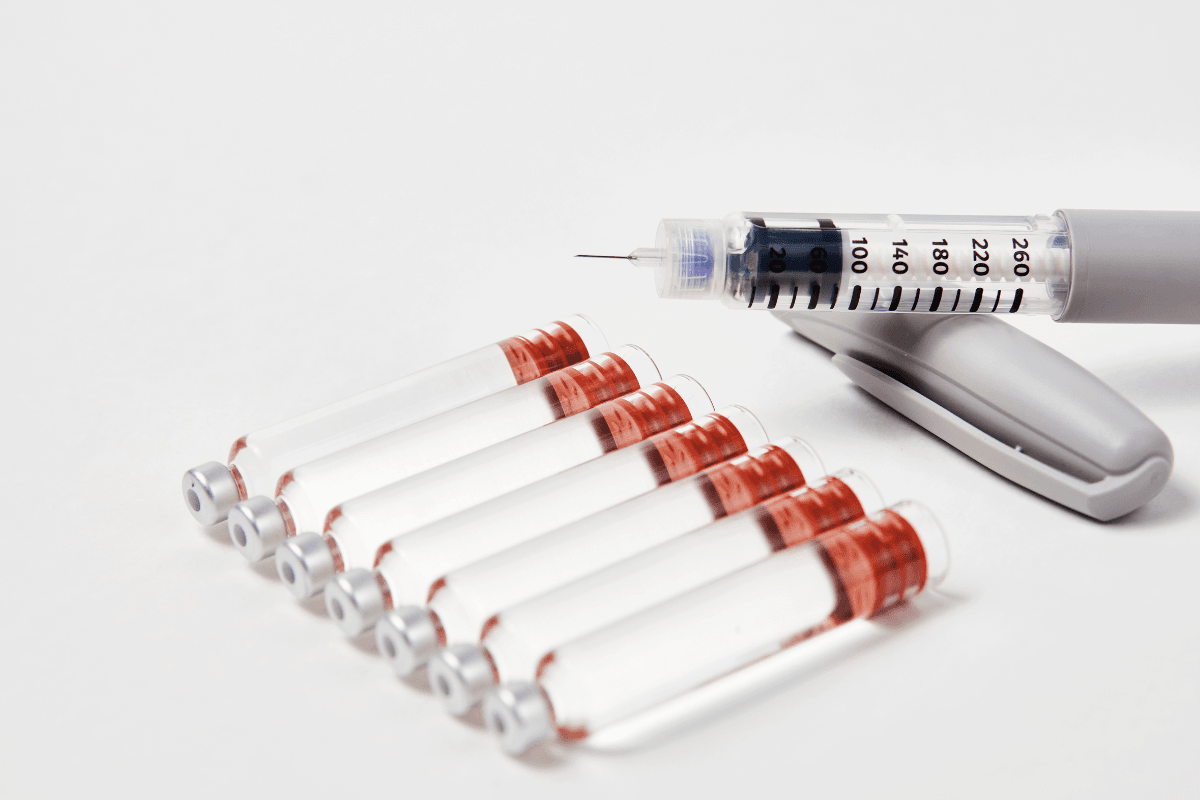
A Lantus cartridge contains insulin glargine U-100 (long-acting basal insulin) sealed in a small 3 mL container for use with compatible reusable pens. It delivers a slow, peakless profile that helps maintain fasting and between-meal glucose stability. Many adults prefer cartridges for reduced plastic waste and steady handling versus prefilled options.
To understand how cartridge mechanisms meter doses and lock into different pens, see our overview of Insulin Cartridge Types for practical design details. If you and your prescriber decide a vial fits your routine better, compare format differences in Lantus Vial Guide for preparation and storage contrasts. For clinical properties and labeling, consult the official prescribing information for insulin glargine.
Dose Profile and Strengths
Glargine is designed to release slowly, supporting once-daily basal coverage in most regimens. The duration can vary with dose, site, and individual physiology. It should not be mixed with other insulins, and it must be injected subcutaneously (under the skin), not intravenously. The product label provides safety-critical limits and handling instructions; review it before first use.
Strengths and presentations differ by region. Prefilled pens commonly contain lantus solostar 100 unit/ml, while cartridges supply the same concentration for reusable pens. If you switch devices or formats, your total daily dose typically remains the same, but the priming steps and injection technique can differ. For scientific context on basal insulin use in clinical care, see the ADA Standards of Care.
Pens and Cartridges: Picking the Right Device
Decide early whether you prefer a prefilled device or a cartridge-plus-pen system. A cartridge setup can feel lighter, and you can keep your preferred reusable pen body. A prefilled option may be simpler for beginners, because the steps are pre-integrated.
When you compare options, evaluate dose dial feel, audible clicks, and legibility. Some users like the integrated Lantus SoloStar Pens 100 Units/mL for simplicity, while others choose a cartridge path to control pen ergonomics. If you choose cartridges, confirm pen compatibility and consider backup access to Lantus Cartridges 100 Units/mL so supply remains uninterrupted. For non-compatible reusable options by other makers, see NovoPen 4 to compare design features, not to imply cross-compatibility.
lantus insulin pen devices provide fixed 1‑unit increments and clear dose windows. If your clinician recommends half-unit titration, discuss alternatives that support smaller steps. Always confirm that the pen platform matches the cartridge format before loading.
Preparation and Injection Technique
Establish a consistent routine so each dose follows the same steps. Wash hands, inspect the cartridge for clarity and absence of particles, and ensure you have a new needle ready. Prime your pen per label, then dial your prescribed dose. Inject into subcutaneous tissue at 90 degrees, using a lifted skinfold if you have very little subcutaneous fat.
Use body maps to rotate sites: abdomen, outer thighs, upper buttocks, or posterior upper arms. Keep at least 1–2 inches away from the last spot. Needle length affects comfort and reliability; short needles can work well across most body types. Discuss your individual approach with your healthcare professional, and check device manuals for priming volumes and hold times.
For a technique refresher with photos, our Lantus Insulin Pen guide explains setup and injection steps end to end. If you want a cartridge-based walkthrough, the same principles apply: assemble, prime, inject, and dispose safely. Many patients ask about insulin pen needle sizes; your clinician can suggest a short length that balances comfort and reliable subcutaneous delivery.
Supply Planning and Units
Plan your month by calculating how many units you use per day, adding a small buffer for travel or unexpected delays. Then convert units to cartridge volume. Most cartridges contain 3 mL at 100 Units/mL (300 units per cartridge). Track your opening dates so you can discard opened insulin on schedule per labeling.
Patients often wonder how many units in lantus solostar pen. Prefilled pens typically hold 300 units total, similar to standard 3 mL cartridges. Your daily use determines how long one device lasts, not the calendar alone. To compare formats during planning, see Lantus SoloStar Pens 100 Units/mL for total contents and presentation, and review the Basaglar Cartridge Guide to understand how other long-acting cartridges are packaged.
Costs and Access Considerations
Out-of-pocket costs depend on insurance tiering, pharmacy contracts, and regional pricing rules. Prefilled pens and cartridges may be priced differently per unit, and copays can vary. Ask your insurer about preferred products and whether manufacturer copay programs apply in your region. Pharmacies may stock prefilled devices more consistently than cartridges, depending on local demand.
If you compare options, check the lantus solostar pen price against cartridge costs and look at total monthly units, not just sticker figures. Biosimilar options can influence formulary placement, which may change your net expense. For product browsing by format and strength, see Diabetes Products to understand available presentations, and review Basaglar vs Lantus for clinically relevant comparisons that may impact coverage discussions.
Compatibility: Choosing a Pen for Cartridges
Cartridges must match the platform they were designed for. Threading, collar shape, and plunger geometry differ between manufacturers. Using a mismatched pen can cause dose errors or device failure. Check your pen’s user guide and the cartridge packaging together before first use, and bring both to clinic visits if you need hands-on confirmation.
For clarity, lantus cartridge compatible pen means a reusable pen system intended by the manufacturer for these specific cartridges. Pens from other brands often look similar but are not cross-compatible. If you need a refresher on product families, compare device design in Lantus Cartridges 100 Units/mL and contrast with a different family like NovoRapid Cartridge to see why formats are not interchangeable.
Sustainability and Disposal
Many people choose cartridges to reduce plastic waste compared with single-use pens. A reusable pen for lantus cartridge lets you keep the durable pen body while changing only the insulin cartridge and needle. This may lower waste volume over time. Check your community sharps program for proper needle disposal, and follow local rules for discarding used cartridges.
Tip: Keep a small travel container for used needles until you reach a sharps bin. For safe disposal planning, your pharmacy or local health department can advise on approved containers and drop-off sites. To navigate alternative basal options when supply is limited, see Tresiba vs Lantus for clinical distinctions that may matter during substitutions.
Safety, Storage, and Common Pitfalls
Store unopened insulin in the refrigerator as directed on the label. Keep opened cartridges at room temperature within labeled time limits, away from heat and direct light. Do not freeze insulin, and do not use if you see clumps, crystals, or discoloration. Follow device-specific priming steps; skipping priming can lead to under-dosing on the first injection.
Common pitfalls include reusing needles, injecting into lipohypertrophy (scarred, firm areas), or stacking basal doses when doses are missed. If you miss a dose, the label provides general guidance; ask your clinician for a personalized plan. For detailed safety language and storage windows, consult the official product monograph, which summarizes storage thresholds and handling cautions. For broader insulin safety practices, the ADA Standards of Care offer injection technique and monitoring principles.
Note: Report severe hypoglycemia, allergic reactions, or unexpected site reactions promptly. Keep glucose monitoring supplies and a hypoglycemia treatment source accessible during dose adjustments or routine changes.
Related Options and When to Switch
Switching formats can make sense when hand strength, vision, or logistics change. If you struggle with cartridge assembly, a prefilled pen may reduce steps. Conversely, if you want a durable device with a consistent grip, a cartridge system can be more comfortable long term. Safety and accurate dosing remain the top priorities when choosing.
To explore alternative basal presentations, compare Lantus Vial 100 Units/mL when syringes better fit your routine, or review Levemir Penfill Cartridges to understand how another long-acting insulin is packaged. For mealtime flexibility alongside basal therapy, see Fiasp Insulin Cartridges and Humalog KwikPen to compare rapid-acting delivery systems.
Recap
Cartridges can make basal insulin delivery steady, familiar, and adaptable. Choose a compatible pen, confirm a comfortable needle length, and practice consistent technique. Plan your monthly supply, understand storage windows, and follow disposal rules. If your needs change, reassess format and device features with your clinician using the resources linked above.
This content is for informational purposes only and is not a substitute for professional medical advice.


