
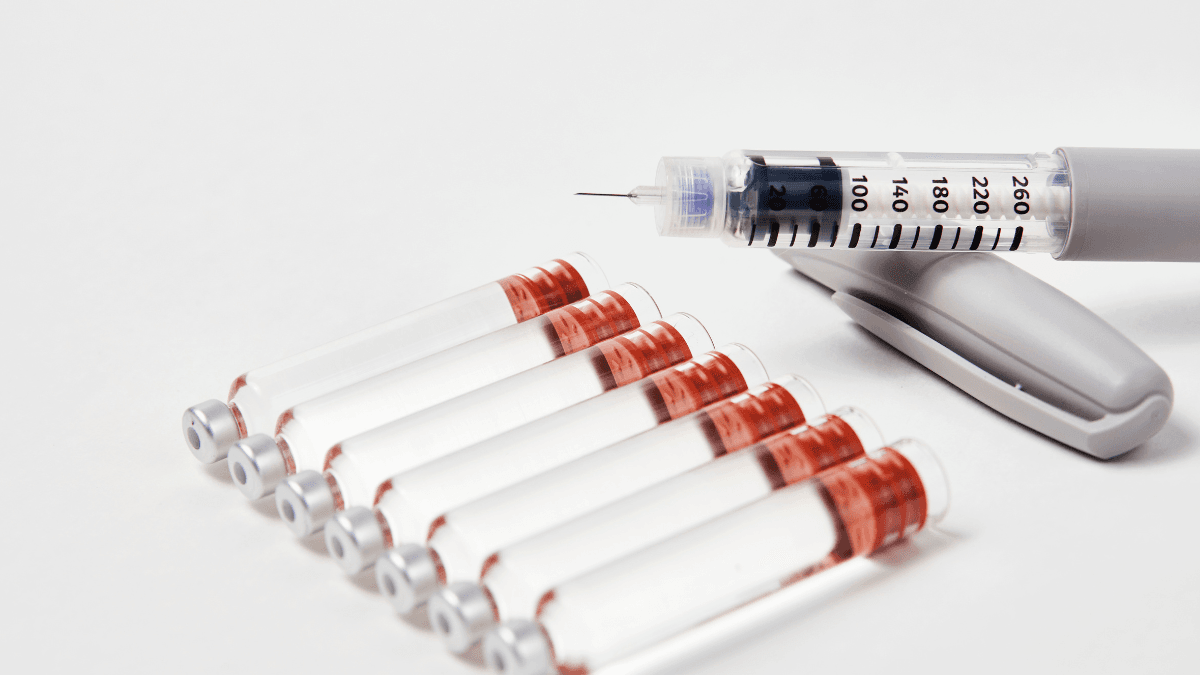
A Lantus insulin cartridge is a 3 mL cartridge form of insulin glargine, a long-acting basal insulin used to help control blood sugar between meals and overnight. It is not a disposable pen by itself. It must be placed into a compatible reusable insulin pen, fitted with a new pen needle, and used exactly as your prescription and device instructions state.
Why this matters: cartridge format affects setup, priming, dose delivery, storage, and troubleshooting. The medicine, pen body, needle, and prescribed dose all need to match before an injection.
Key Takeaways
- Basal insulin role: it covers background insulin needs.
- Device match matters: cartridges require a compatible reusable pen.
- SoloStar differs: it is a disposable prefilled pen.
- Total units differ: container capacity is not your dose.
- Monitoring remains essential: track low and high glucose patterns.
Lantus Insulin Cartridge Basics
A Lantus insulin cartridge contains insulin glargine, not a different insulin ingredient. Insulin glargine is a basal insulin, meaning it works in the background rather than covering a specific meal. People with type 1 diabetes usually also need a separate mealtime insulin, if prescribed. Some people with type 2 diabetes may use basal insulin with other diabetes medicines.
Basal insulin can help reduce fasting and between-meal glucose when it fits the wider care plan. It is not used to treat diabetic ketoacidosis, a medical emergency that needs urgent treatment. For broader cartridge context, see Insulin Cartridges.
The cartridge format changes the handling routine. The insulin sits in a small reservoir that goes into a reusable pen body. The pen holds the cartridge, allows dose selection, and delivers insulin through a disposable needle. The cartridge should not be pushed into a device that was not designed for it.
Some people use cartridge systems because they prefer a reusable pen. Others use disposable prefilled pens or vials, depending on training, dexterity, vision, insurance, local supply, and prescriber preference. If you are comparing product forms, the Lantus Cartridges page can help identify the specific cartridge presentation, while this page focuses on safe-use concepts.
Cartridge, SoloStar, and Vial Differences
Lantus comes in more than one presentation, and the names can sound similar. A cartridge is a separate insulin container used inside a compatible reusable pen. Lantus SoloStar 100 unit/ml is a disposable prefilled pen. A vial is used with an insulin syringe, not a pen needle.
For U-100 insulin glargine, the concentration is 100 units per mL. Product information describes a 3 mL cartridge as containing 300 total units. A 3 mL prefilled pen also contains 300 total units before use. That number is the container capacity, not the amount to inject. Your prescribed dose, priming steps, and device instructions determine actual use.
| Presentation | How it is used | Practical point |
|---|---|---|
| Cartridge | Placed into a compatible reusable insulin pen. | Use only the pen system specified for that cartridge. |
| SoloStar prefilled pen | Used as a disposable pen that already contains insulin. | It does not accept separate cartridges; see Lantus SoloStar Insulin Pen for related context. |
| Vial | Used with an insulin syringe. | It requires a different technique from pen-based injection. |
If the packaging, label, or device does not match what you expected, pause before injecting. Ask a pharmacist or prescriber to confirm the product. Insulin mix-ups can cause serious low or high blood sugar.
Why it matters: Similar names do not always mean similar devices.
Pen Compatibility and Setup Checks
A Lantus insulin cartridge should only be used with a compatible reusable pen. Compatibility is not based on appearance alone. The cartridge must fit the pen body, the plunger must align properly, and the dose mechanism must be intended for that cartridge system.
Do not force a cartridge into a pen. Do not transfer insulin from a cartridge into another container unless a clinician has specifically instructed you to do so. Transferring insulin can create dosing, sterility, and labeling risks.
Before the first use, compare the prescription, carton, cartridge label, and pen instructions. Confirm the insulin name, concentration, expiration date, appearance, and device type. If you are unsure whether you received a cartridge, vial, or disposable pen, ask for confirmation before using it.
What to confirm before injection
- Insulin name: confirm insulin glargine as prescribed.
- Concentration: check U-100 labeling.
- Device type: confirm reusable pen compatibility.
- Needle fit: use appropriate disposable pen needles.
- Dose display: dial only the prescribed dose.
- Training plan: know who to contact for setup help.
For people comparing pen-based options, Lantus Insulin Pen gives broader context on pen formats. Keep the cartridge leaflet and pen manual together until the routine feels familiar.
How Pen Injection Usually Works
Most insulin pen routines follow the same safety sequence, although device details vary. The steps below are educational. They do not replace the patient leaflet, pen manual, or training from your diabetes care team.
- Wash and dry your hands.
- Check the insulin label, expiration date, and appearance.
- Insert the cartridge into the compatible pen as instructed.
- Attach a new disposable pen needle.
- Prime the pen or perform the safety test.
- Dial only the dose prescribed for you.
- Inject into the recommended subcutaneous tissue site.
- Hold the pen in place for the stated time.
- Remove the needle and discard it in a sharps container.
Needles should generally be changed for each injection. Reuse can dull the needle, increase discomfort, and raise contamination risk. Never share insulin pens, cartridges, or needles, even if the needle is changed. Sharing injection equipment can spread blood-borne infections.
Injection sites usually include fatty tissue under the skin, such as the abdomen, thigh, upper arm, or buttock, depending on the care plan. Rotate within recommended areas. Repeated injections into the same small spot can cause skin thickening, lumps, or uneven insulin absorption.
Quick tip: Keep a short setup checklist with your pen supplies.
Needles, Priming, and Dose Display
Insulin pen needles come in different lengths and gauges. Shorter needles may work well for many people, but the right choice depends on the pen, injection technique, body habitus, dexterity, and clinician guidance. A pharmacist can help confirm which pen needles fit the reusable pen.
Priming, sometimes called a safety test, helps confirm that insulin flows through the needle before the dose is delivered. The exact priming amount and process depend on the pen instructions. If no insulin appears after priming, follow the device troubleshooting instructions or ask a pharmacist before injecting.
The dose window shows the selected dose, not the full amount left in the cartridge. A cartridge may contain 300 total units when full, but that does not mean 300 units are used at once. If the pen cannot dial the full prescribed dose because the cartridge is nearly empty, follow the device instructions and ask your care team how they want you to handle partial doses.
Some readers also compare cartridges with prefilled pens because they search for how many units are in a Lantus SoloStar pen. A full 3 mL U-100 SoloStar pen contains 300 total units, but it is a different device format. The Lantus SoloStar Pens page can help distinguish that presentation from cartridges.
Monitoring While Using Basal Insulin
Glucose monitoring shows how basal insulin fits your daily pattern. Your care team may ask you to review fasting glucose, bedtime glucose, overnight readings, or continuous glucose monitor trends. The right schedule depends on diabetes type, other medicines, pregnancy status, kidney function, hypoglycemia risk, and treatment goals.
Do not judge insulin needs by symptoms alone. Low blood sugar can feel obvious, subtle, or absent, especially in people with hypoglycemia unawareness. High glucose can also build gradually. Patterns are usually more useful than one isolated reading.
If your records use both mg/dL and mmol/L, this converter can help compare the same blood glucose value across unit systems. It does not interpret the result, set a target range, or replace clinical guidance.
Blood Glucose Unit Converter
Convert glucose readings between mg/dL and mmol/L without changing the clinical value.
These calculations are for education only and do not replace clinical advice, diagnosis, or treatment. Always confirm medical decisions with a qualified healthcare professional.
Ask your diabetes care team what range applies to your situation. Contact them if readings are repeatedly outside your plan, if low glucose happens often, or if illness, missed meals, alcohol, exercise, or medication changes affect your routine.
Timing also matters when reviewing patterns. Insulin glargine is designed for long-acting basal coverage, but individual glucose responses vary. For more timing background, see Lantus Onset and Duration.
Safety Issues That Deserve Attention
The most important safety concern with any insulin is hypoglycemia, or low blood sugar. Symptoms can include shaking, sweating, hunger, a fast heartbeat, headache, blurred vision, irritability, confusion, or weakness. Severe hypoglycemia can cause seizures, loss of consciousness, or injury.
Insulin can also cause injection-site changes. Repeated injections into the same area may contribute to lumps, thickened tissue, or areas that absorb insulin unpredictably. Rotating within recommended body areas helps reduce this risk. Report persistent pain, swelling, redness, bruising, or skin changes to a clinician.
Seek urgent help for severe allergic symptoms, such as trouble breathing, facial or throat swelling, widespread rash, or fainting. Also seek urgent care for symptoms of diabetic ketoacidosis, including vomiting, deep or rapid breathing, fruity-smelling breath, severe dehydration, confusion, or high glucose with ketones when your care plan says ketone testing is needed.
Medication changes can affect insulin needs. Steroids, some infection treatments, changes in kidney function, major diet changes, and increased or reduced activity can all shift glucose patterns. Do not stop, restart, or change basal insulin dosing without professional guidance.
Storage, Handling, and Access Questions
A Lantus insulin cartridge should be checked before use. The solution should look clear and colorless. Do not use it if it appears cloudy, thickened, discolored, or contains particles. If the cartridge has been frozen, exposed to excessive heat, dropped, cracked, or contaminated, ask a pharmacist what to do next.
Storage instructions can vary by country and presentation, so follow the patient leaflet for your exact product. In general, insulin should be protected from freezing, direct heat, and direct sunlight. In-use and unopened storage rules may differ.
If you are comparing a Lantus insulin cartridge with a prefilled pen or vial, focus on workflow as much as the medicine. A reusable pen may suit one person, while a vial or disposable pen may suit another. Vision, grip strength, travel routine, comfort with priming, and coverage rules can all influence the form chosen.
Some people also compare other long-acting insulin presentations with their prescriber. For example, Basaglar Cartridges and Levemir Penfill Cartridges are separate products and should not be substituted without professional direction.
CanadianInsulin.com operates as a prescription referral platform rather than the dispensing pharmacy. Where required, prescription details may be confirmed with the prescriber, and licensed third-party pharmacies handle dispensing and fulfilment where permitted. Some patients explore cash-pay options without insurance, but eligibility and jurisdiction can affect access.
Authoritative Sources
- The UK product information for Lantus cartridges supports cartridge content, handling, and safety details.
- The US prescribing information for Lantus explains insulin glargine indications, warnings, and administration cautions.
- The American Diabetes Association low blood glucose guidance outlines hypoglycemia signs and response principles.
A cartridge can be a practical insulin format when the device, needle, training, and monitoring plan are clear. Treat every format change as a safety check, not just a packaging change. Confirm the exact insulin form, concentration, pen body, needle type, and prescribed dose with your own care team.
This content is for informational purposes only and is not a substitute for professional medical advice.


