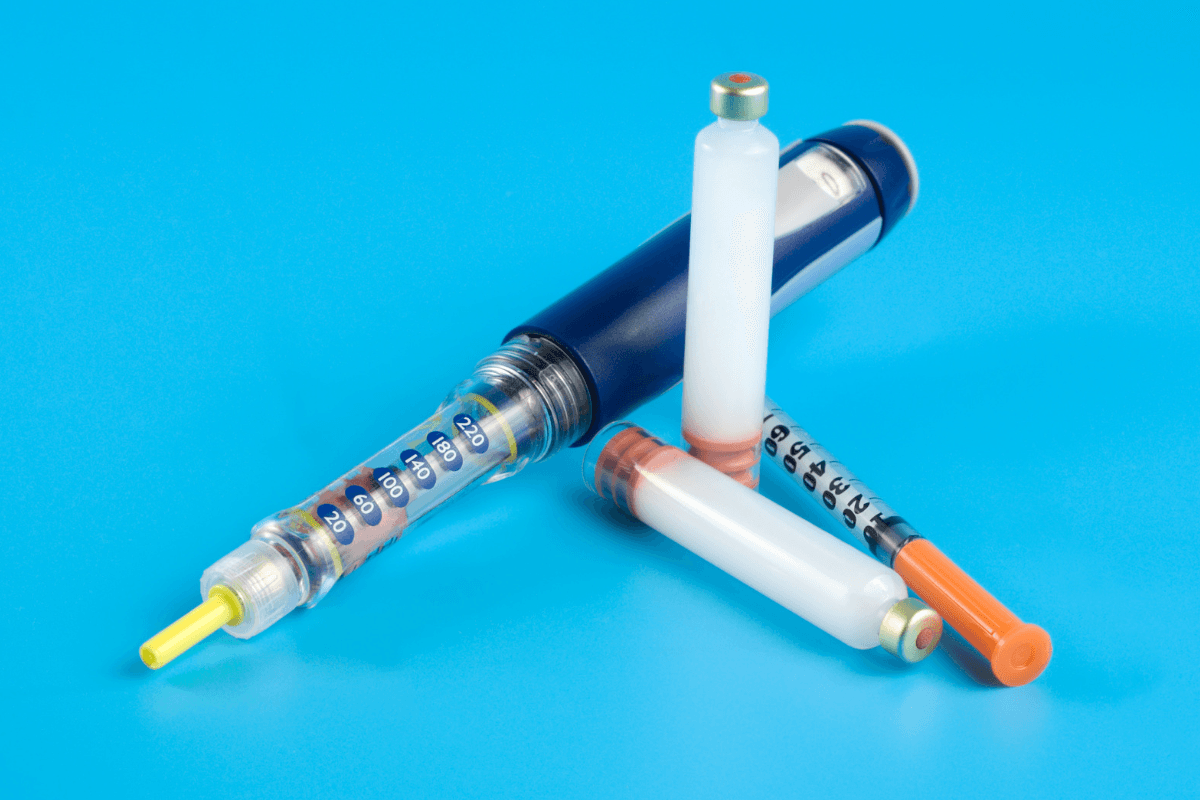
Novorapid insulin is a rapid-acting insulin aspart used before meals and for corrections. Cartridges fit reusable pens, offering flexible dosing. This guide explains how the formulation works, safe use with pens, dosing concepts, and practical cost considerations. You will also find comparisons with similar rapid-acting options, which helps frame discussions with your clinic team.
Key Takeaways
- Rapid-acting profile: quick onset, short duration suited to meals.
- Cartridges fit compatible reusable pens for flexible dosing.
- Use structured dosing concepts; follow prescriber instructions.
- Watch for low blood sugar and rotate injection sites.
- Costs vary by coverage; compare alternatives thoughtfully.
Novorapid insulin: What It Is and How It Works
This medicine contains insulin aspart (rapid-acting insulin), designed to reduce post‑meal glucose rises. After subcutaneous injection, absorption begins quickly, allowing dosing close to meals. The clinical goal is to match the insulin’s action to the carbohydrate load and the current glucose level. Individual response varies by site, temperature, activity, and dose size.
Typical pharmacodynamics include a fast onset, a modest peak, and a short tail. These features support mealtime and correction dosing, often alongside a separate basal insulin. For vial users, see Vial Guide: Novorapid for format differences and practical switching notes.
| Parameter | Typical Range |
|---|---|
| Onset | 10–20 minutes |
| Peak | ~1–3 hours |
| Duration | ~3–5 hours |
For detailed safety and pharmacology, consult the insulin aspart prescribing information and a current product monograph for country‑specific guidance.
Formulation, Cartridges, and Compatible Pens
Cartridges are typically 3 mL (100 units/mL) and designed for reusable pens that accept Penfill‑style formats. Confirm your pen model’s compatibility and the cartridge’s lot, strength, and expiration before loading. If you prefer an integrated device, the novorapid flexpen is a prefilled pen version with the same active ingredient, offering similar dosing increments but a different handling experience.
For device fit and handling notes, see the Insulin Cartridges Guide for device compatibility details and selection tips. Users of Novo Nordisk reusable pens can review NovoPen 4 Dosing for stepwise dialing and priming reminders. Product specifications are listed on Penfill Cartridges: Novorapid for cartridge strengths and pack formats.
Device Fit and Handling Basics
Before loading, inspect the cartridge for cracks, cloudiness, or particles. Insert the cartridge straight into the pen, then attach a new needle securely. Prime until a steady drop appears, confirming an open fluid path. Store spares in the refrigerator (not the pen), and keep the in‑use pen at room temperature within labeled limits to reduce air bubbles and injection discomfort. Rotate injection sites across abdomen, thighs, buttocks, and upper arms to prevent lipodystrophy (fat tissue changes). If the pen feels stiff or dosing seems off, replace the needle and re‑prime, and check the cartridge seating.
Dosing Concepts and Titration Guidance
Dosing is individualized by your care team and may include basal‑bolus frameworks, carbohydrate ratios, and correction factors. A visual aid such as a novorapid dosage chart can help organize your typical meal doses and correction ranges, but it is not a substitute for clinical direction. Always align doses with current blood glucose, planned carbohydrate, and activity.
Many plans include pre‑meal dosing and separate corrections if needed. Your clinician may adjust ratios for time‑of‑day variability, steroid use, or illness. For perspective on where rapid‑acting insulin fits among others, see the Guide To Insulin Types for class comparisons and typical roles.
Injection Technique and Timing
Good technique improves comfort and consistency. Dose timing should reflect the insulin’s onset and your meal profile. Many people inject shortly before eating, with earlier timing for higher‑glycemic meals and later timing when food absorption may be delayed. Use a new needle each time to reduce site irritation and dosing variability.
Follow your clinic’s steps for priming, dialing, and injecting. If you are new to pens, practical walk‑throughs like how to use novorapid insulin pen content can reinforce safe habits and reduce errors. For a structured overview with images, see How To Use Insulin Pen for step‑by‑step technique and troubleshooting tips.
Safety, Side Effects, and Interactions
Most effects relate to its glucose‑lowering action. Common novorapid insulin side effects include hypoglycemia (low blood sugar), injection‑site reactions, and local lipodystrophy. Less commonly, allergic reactions can occur. Rotating sites, matching doses to meals, and checking glucose before driving or exercise can reduce risk. Certain medicines may potentiate or blunt insulin effects; share your full medication list with your clinician.
Review community‑accepted guidance on recognizing and treating lows via the ADA’s hypoglycemia guidance for symptom cues and treatment steps. For comprehensive safety details, your country’s official label or monograph provides contraindications, interactions, and storage instructions; see the insulin aspart prescribing information for authoritative labeling.
Costs, Insurance, and Access
Coverage rules and pharmacy contracts drive variation in insulin price usa across plans and states. Many payers apply preferred tiers or caps; public programs may set limits for specific groups. Out‑of‑pocket costs also depend on deductibles, copays, and whether a biosimilar or alternative brand sits on your plan’s formulary. Retail discount programs and manufacturer assistance can further change the final price.
If cost is a challenge, compare your plan’s formulary options and talk with your care team about clinically appropriate alternatives. For fitness‑oriented schedules, see Cartridges for Active Lifestyles for a faster‑onset option overview and practical context. When considering format changes, review Insulin Cartridges Guide for storage thresholds and handling differences.
Comparable Rapid-Acting Options
Therapeutically, several rapid‑acting products have similar indications. In clinical use, Novorapid vs Humalog comparisons focus on onset, peak timing, device formats, and insurance coverage. Day‑to‑day differences for most users are subtle, but timing, formulation additives, and pen ergonomics can matter. Choice often rests on insurance and your team’s familiarity.
To explore device‑specific features and user experience, see Insulin Pen: Humalog for pen usability notes and dosing increments. If you prefer reusable systems, revisit NovoPen 4 Dosing for accurate dialing strategies and priming checks. Broader context on cartridges appears in the Insulin Cartridges Guide for compatibility and storage reminders.
Recap
Rapid‑acting insulin aspart in cartridges supports precise mealtime dosing when paired with compatible pens and sound technique. Focus on timing, site rotation, and individualized dosing, and weigh costs and alternatives with your clinician. Use the linked guides for more detail on devices, storage, and comparable options.
Note: Replace pen needles after every use to maintain dosing accuracy and reduce site irritation.
This content is for informational purposes only and is not a substitute for professional medical advice.