

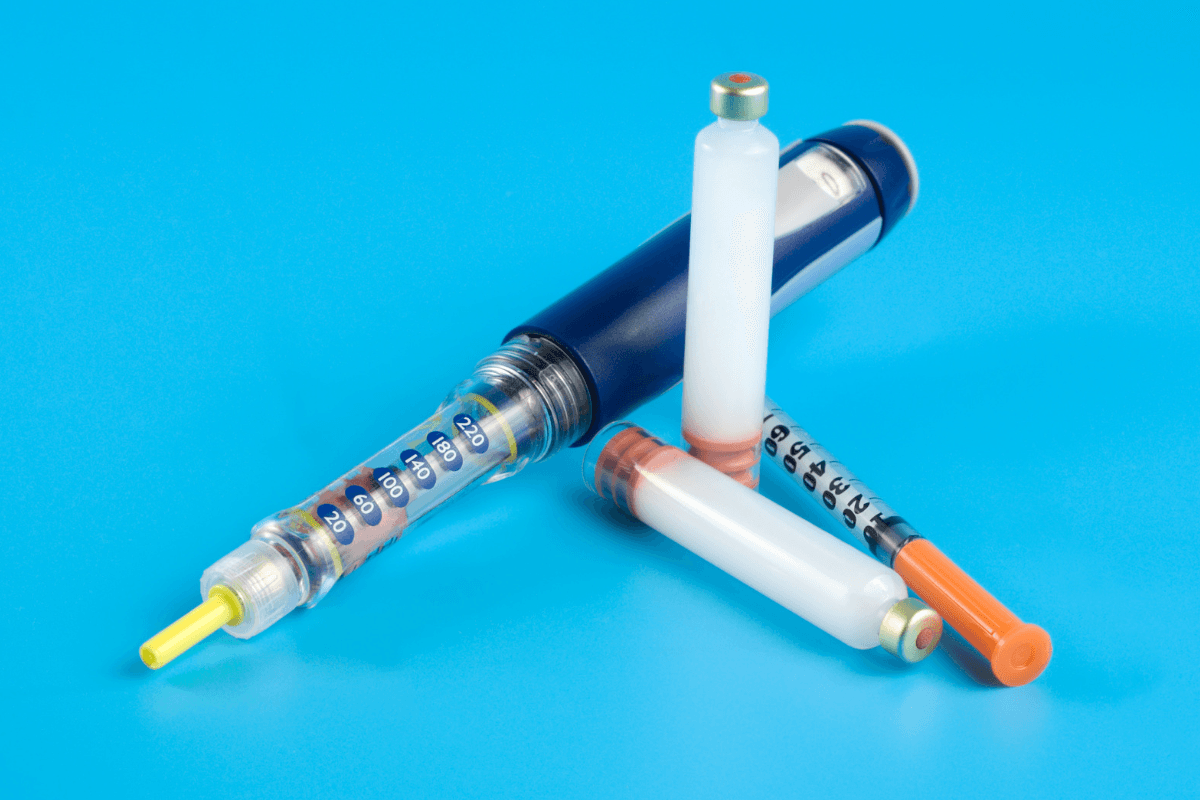
A NovoRapid insulin cartridge is a rapid-acting insulin aspart format used with a compatible reusable pen. It helps deliver mealtime or correction insulin in measured units, but safe daily use depends on correct loading, priming, injection technique, storage, and timing instructions from your care team. The cartridge is not a standalone device, and it should not be used with an incompatible pen.
This page focuses on practical handling and safety checks for people already prescribed insulin aspart cartridges. It does not replace your prescription label, pen instructions, or clinician guidance. CanadianInsulin.com is a prescription referral platform; when required, prescription details may be confirmed with the prescriber before processing.
Key Takeaways
- Device fit matters: use only a compatible reusable pen.
- Priming helps confirm flow before each injection.
- Meal timing should follow your prescribed plan.
- Site rotation supports more predictable absorption.
- Heat, freezing, and expired insulin can reduce reliability.
How a NovoRapid Insulin Cartridge Fits Daily Care
A NovoRapid insulin cartridge contains insulin aspart, a rapid-acting insulin analog. Rapid-acting insulin is designed to start working relatively soon after injection, so clinicians often prescribe it around meals and sometimes for correction doses. It is different from basal insulin, which provides background coverage over a longer period.
The cartridge format works inside a reusable pen. You load the cartridge into the pen, attach a new pen needle, prime the device, select the prescribed dose, and inject under the skin. If you are comparing cartridge systems more broadly, Insulin Cartridges Types explains how cartridges differ from vials and prefilled pens.
Cartridges can help people who prefer a reusable device. They may also reduce the need to carry syringes. The tradeoff is that the pen, cartridge, and needle all need to work together. A small setup error can lead to a missed or partial dose.
Why it matters: A delivery problem can look like a blood sugar problem.
Cartridge, Penfill, and Pen Terms
People often use several terms for similar supplies. A NovoRapid Penfill cartridge refers to the cartridge format intended for certain reusable pens. A disposable pen is different because the insulin reservoir and pen body come together as one unit. A vial is different again because insulin is drawn up with a syringe or used according to pump instructions when appropriate.
These differences matter when you travel, replace supplies, or review technique. If your prescription changes from one format to another, ask your pharmacist or diabetes educator to review the steps. Do not assume that a dose-delivery device works the same way just because the insulin name looks familiar.
Loading and Using the Cartridge Safely
Safe use starts before the injection. Check the label on the carton and cartridge, then confirm it matches your prescription. If you use more than one insulin, keep rapid-acting and long-acting products separated in storage and in your travel kit.
Next, inspect the cartridge as your product information describes. In general, do not use insulin if the cartridge is damaged, has been frozen, was exposed to high heat, or looks different from what the label says it should look like. When in doubt, ask a pharmacist before using it.
Reusable pens have specific loading steps. For example, the pen may require you to insert the cartridge in a certain direction, reassemble the pen body, attach a needle, and perform an air shot or prime. For compatible device context, see the NovoPen 4 product page and your manufacturer instructions.
A Practical Setup Flow
- Wash hands: reduce contamination risk.
- Confirm insulin: match name and format.
- Inspect cartridge: check damage and appearance.
- Load pen: follow device instructions.
- Attach needle: use a new sterile needle.
- Prime pen: confirm insulin flow.
- Select dose: use the prescribed amount.
- Inject and hold: follow pen hold-time instructions.
- Remove needle: store pen without the needle attached.
Needle choice can affect comfort and usability. Length, gauge, and compatibility should match your pen and your clinician’s advice. If you are reviewing options, BD Nano Pen Needles is one example of a pen-needle product page, but your own supplies should match your device instructions.
Common Handling Errors
Most cartridge problems are ordinary and preventable. Skipping priming can leave air in the system or fail to confirm flow. Reusing needles may increase clogging, dullness, and skin irritation. Leaving a needle attached can allow leakage or air entry. Using a loose needle can also cause insulin to leak during injection.
If the pen seems hard to press, the dose window does not move as expected, or insulin leaks from the needle or cartridge area, stop and troubleshoot before assuming the dose was delivered. Check the needle, cartridge position, and pen assembly. If the problem continues, use your backup plan and contact your care team or pharmacist.
Meal Timing, Corrections, and Daily Patterns
Timing depends on your prescription and product instructions. Rapid-acting insulin is commonly used near meals, but the exact timing should come from your clinician. Online timing rules are not safe substitutes for an individualized plan, especially if you have frequent lows, delayed digestion, pregnancy, kidney disease, changing activity levels, or variable appetite.
Many people ask how many times per day they can use NovoRapid. The answer depends on the insulin regimen. Some people use rapid-acting insulin with each meal. Others use it for specific meals, correction doses, pump therapy, or another clinician-directed plan. Do not add extra doses or repeat correction doses without instructions, because insulin can overlap and increase hypoglycemia risk.
There are several common dosing frameworks. A fixed-dose plan uses a set amount before meals. A carb-counting plan adjusts mealtime insulin using an insulin-to-carbohydrate ratio. A correction plan uses a clinician-set sensitivity factor for high glucose readings. Some plans combine these methods.
Tracking helps your care team adjust safely. Record your meal estimate, glucose reading, dose timing, activity, illness, alcohol use, and any symptoms. If your readings use different units during travel or from different devices, a simple converter can help you compare numbers more clearly. It does not provide medical advice or choose a dose.
Blood Glucose Unit Converter
Convert glucose readings between mg/dL and mmol/L without changing the clinical value.
These calculations are for education only and do not replace clinical advice, diagnosis, or treatment. Always confirm medical decisions with a qualified healthcare professional.
If you use continuous glucose monitoring, time in range and trend arrows may also be part of your review. Your care team can explain how to use those patterns without overreacting to one reading. For broader rapid-acting insulin context, Rapid-Acting Insulin Peak Time explains onset, peak, and duration concepts in plain language.
Injection Technique and Site Rotation
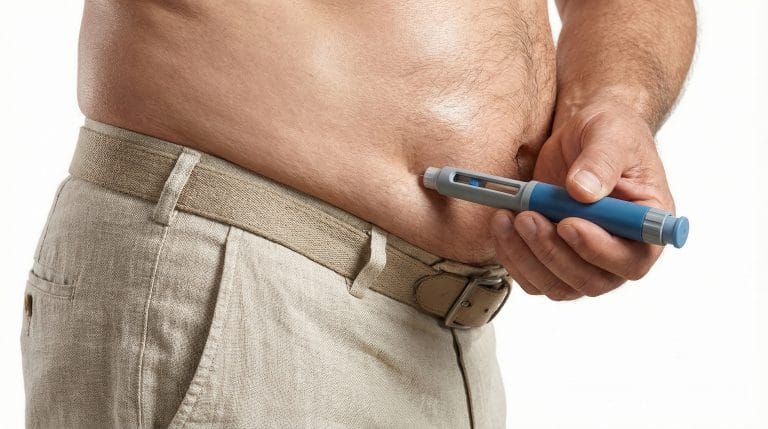
Good injection technique helps insulin reach the fatty layer under the skin, called subcutaneous tissue. This layer absorbs insulin more predictably than muscle. Your pen needle length, body build, injection angle, and site choice can all affect technique, so follow the instructions given by your diabetes educator or clinician.
Common injection areas include the abdomen, thighs, buttocks, and upper arms. The best practical site is one you can reach safely and rotate consistently. Avoid scars, bruises, irritated skin, and firm or lumpy areas unless your clinician advises otherwise.
Repeated injections into the same small spot can cause lipohypertrophy, which means fatty lumps under the skin. These areas may absorb insulin unpredictably. If glucose patterns become harder to explain, ask your care team to check your usual injection sites and watch your technique.
Quick tip: Rotate within one region using a simple grid pattern.
Example: You use the abdomen for most mealtime injections. You divide the area into zones and move across them in order. You avoid the same small area for repeated doses. This routine is easier to remember than choosing a random spot each time.
Side Effects, Lows, and When to Seek Help
The most important safety concern with any rapid-acting insulin is hypoglycemia, or low blood sugar. It can happen when insulin exceeds the body’s immediate need, such as after missed food, extra activity, alcohol use, illness, or an accidental dosing error. Symptoms may include shakiness, sweating, hunger, confusion, headache, weakness, or unusual tiredness.
Some people have reduced awareness of lows. That means they may not feel symptoms until glucose is very low. Repeated lows, severe lows, or lows that require help from another person need prompt medical review. Follow your prescribed low-glucose treatment plan and seek emergency help for severe symptoms, unconsciousness, seizures, or inability to swallow safely.
Other possible insulin-related effects include injection-site redness, itching, swelling, or skin changes. Weight change can also occur with insulin therapy. Allergic reactions are uncommon but can be serious. Seek urgent care for widespread rash, trouble breathing, facial swelling, or severe dizziness.
Device issues can mimic side effects. A blocked needle, unprimed pen, cracked cartridge, or leakage can lead to under-delivery and high glucose. If highs keep happening after injections, review technique before assuming the insulin itself has failed. For a product-specific educational discussion, see NovoRapid Insulin Aspart.
Storage, Expiration, Travel, and Disposal
Storage rules depend on whether the cartridge is unopened or in use. Follow the product label for exact temperature ranges and in-use time limits. In general, insulin should be protected from freezing, high heat, and direct sunlight. Do not leave cartridges in a parked car, near a heater, or against an ice pack.
Check expiration dates before use. Also track when a cartridge was first placed in use if the label gives an in-use limit. Insulin can lose reliability without obvious cloudiness, color change, or particles. When the storage history is uncertain, ask a pharmacist for guidance.
Travel adds several risks. Pack more supplies than you expect to need, including pen needles, glucose monitoring supplies, backup insulin access as directed, and a safe sharps option. Keep insulin with you when possible, rather than in checked luggage or temperature extremes. Carry prescription documentation or pharmacy labels in case screening staff ask about medication supplies.
For daily routines, dispose of used pen needles in an approved sharps container or another option allowed in your area. Do not throw loose needles into household trash. Local rules vary, so ask your pharmacy or municipal waste service about safe disposal.
People who need to review format availability can use the NovoRapid Cartridge page for product navigation. Dispensing and fulfilment, where permitted, are handled by licensed third-party pharmacies rather than by CanadianInsulin.com directly.
Cartridge Format Compared With Other Options
The cartridge format is one way to receive rapid-acting insulin. It may suit people who prefer a reusable pen and want dose selection built into the device. A prefilled pen may feel simpler because the insulin and pen body come together. A vial may be used with syringes or certain pump plans, depending on the insulin and device instructions.
The main comparison is not which format is universally better. The better question is which one you can use accurately every day. Consider dexterity, vision, work schedule, travel, injection privacy, backup supplies, and whether another person sometimes helps with injections.
Some people also compare insulin aspart with other rapid-acting analogs. Product instructions, approved uses, device choices, and personal response can differ. If your clinician discusses another brand, do not switch timing or dose on your own. For a neutral brand comparison, read NovoRapid Vs Humalog. For insulin aspart naming context, NovoRapid Vs NovoLog explains why similar active ingredients can appear under different brands in different markets.
Questions to Bring to Your Diabetes Team
Prepared questions make insulin reviews more useful. Bring your pen, needles, cartridge package, glucose records, and a typical meal example if your clinic asks you to. If you have unexplained highs or lows, include details about timing, missed meals, activity, illness, and any device problems.
- Device fit: which reusable pen should I use?
- Meal timing: when should I inject for my meals?
- Corrections: when should I avoid repeat dosing?
- Low plan: how should I treat hypoglycemia?
- Site rotation: which areas should I use?
- Travel plan: what backup supplies do I need?
- Storage limits: when should I discard a cartridge?
If you are browsing diabetes-related resources, the Diabetes Hub lists related medication and supply pages. People managing type-specific care may also browse the Type 1 Diabetes Articles collection for more educational reading.
Authoritative Sources
For product-specific details, use official labeling and major diabetes organizations. These sources are better for confirming warnings, storage limits, administration instructions, and situations that require medical review.
- Novo Nordisk Canada product monograph for NovoRapid
- Diabetes Canada education and clinical resources
- NHS rapid-acting insulin timing information
Use this guide as a handling and discussion aid, not as a dosing plan. Your prescriber, diabetes educator, pharmacist, and product instructions remain the right sources for personal timing, correction rules, and device-specific steps.
This content is for informational purposes only and is not a substitute for professional medical advice.