
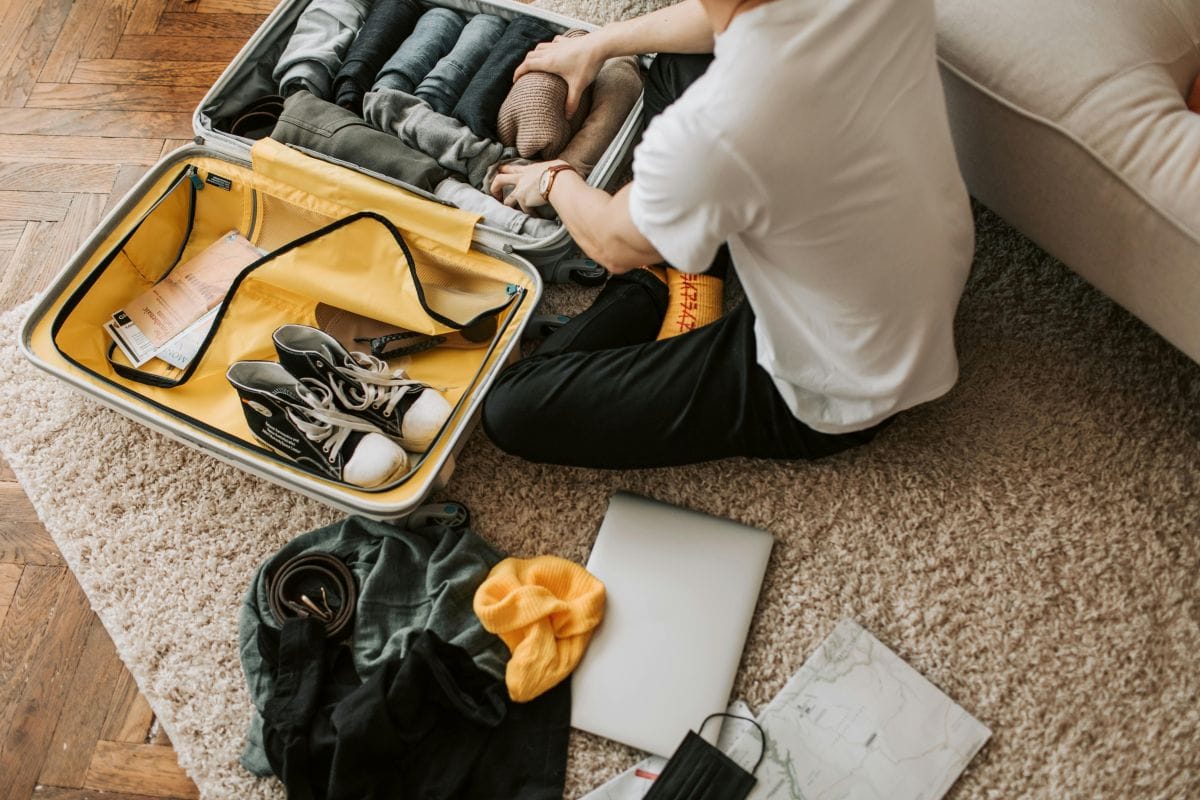
Travel can complicate safe medication storage. If you are learning how to travel with Ozempic, a few habits help preserve potency and prevent waste. This guide explains temperature limits, packing strategies, TSA screening, and what to do if pens warm or age past their in-use window. It blends clinical rules with practical, real-world steps.
Key Takeaways
- Temperature limits matter: avoid freezing and high heat.
- Use a travel case and carry-on packing to protect pens.
- Check in-use days; discard when past labeled time.
- Know TSA rules; keep documentation handy at security.
Temperature and Stability Basics
Semaglutide (the active ingredient) is a peptide drug, which means it can degrade when exposed to excess heat, freezing, or prolonged light. Unused pens generally require refrigeration, while in-use pens can often stay at room temperature within a labeled time window. Always confirm your box or leaflet for the most current instructions. The manufacturer’s storage directions provide the binding standard for temperature ranges and time-in-use.
Many travelers ask how long can ozempic be left unrefrigerated. After first use, most pens can remain at controlled room temperature for a limited period, provided they are protected from heat and direct sunlight. Keep pens away from car dashboards, hot luggage compartments, and windows. If the pen freezes or overheats, do not use it. Review the official prescribing information for temperature ranges and day-count limits, which can change as labels update (Ozempic prescribing information).
How to Travel with Ozempic
Build a simple pre-trip checklist. Pack your current pen, spare needles if applicable, and the original box or a copy of the pharmacy label. Add a pen-cap thermometer or data logger if you will cross hot climates. Place everything in a small insulated pouch to buffer against temperature swings during transit.
During transit days, keep the pen in your personal item or carry-on. Avoid leaving it near vents, windows, or in seat-back pockets exposed to sunlight. If the aircraft cabin feels warm, add a gel pack around the case, but do not place the pen directly against ice. At your destination, store it according to label directions and note the current in-use day.
Air Travel and Security Screening
Airport procedures are predictable with diabetes supplies. Keep your medication in original packaging or labeled containers to ease conversations at security. Most officers are familiar with injectable medicines and cooling packs. To streamline screening, separate your kit in a clear pouch and declare it briefly if asked. A short explanation prevents delays and accidental X-ray exposure of temperature sensors.
Rules differ by country, but traveling with ozempic tsa considerations are straightforward: medications and gel ice packs are typically allowed through screening when presented for inspection. Carry a doctor’s note if you use larger gel packs or specialty cooling devices. If you use a data logger, request hand inspection to avoid confusion. Repack your kit promptly after screening to maintain temperature control.
Packing: Cases, Cooling, and Carry-On Strategy
Plan around temperature variability rather than distance. Short flights and road trips can still expose pens to heat spikes. An insulated travel case for ozempic helps buffer short exposures and keeps accessories organized. Choose a case that fits your pen, needles, and a slim gel pack. Avoid bulky ice blocks that risk freezing the pen.
Keep pens in carry-on bags, not checked baggage. Cargo holds can experience extreme temperatures and handling delays. If your itinerary includes outdoor transit or warm layovers, use a compact cooler sleeve with a thawed gel insert. Replace gel packs at your hotel or with ice from safe sources, but never place the pen directly on ice or dry ice, which can freeze the medication.
For a comparable GLP-1 storage reference, see the Zepbound Storage Guide, which explains similar temperature principles. If you travel with multiple GLP-1 products, the Travel With Zepbound guide offers flight-specific packing tips that translate well to semaglutide pens. Cross-referencing both helps align your routine across brands.
Before First Use vs. After First Use
Storage rules change after you start a pen. Before the first injection, keep the pen refrigerated per the label. After first use, many pens can be stored at room temperature within a defined day limit, often with an upper temperature cap. This in-use window helps travelers avoid unnecessary refrigeration on the road. Mark the date you first used the pen so you can track the end-of-use day accurately.
Many people wonder what happens if ozempic is not refrigerated before first use. If an unused pen stayed above the allowed storage range, potency may drop and safety cannot be guaranteed. Visual checks (clarity, color) are not reliable for potency. When in doubt, consult your pharmacist and follow the manufacturer’s instructions. The medication guide outlines allowable conditions and when to discard (FDA labeling information).
When Something Goes Wrong: Heat, Freezing, and Time
Real trips involve delays, hot cars, and missed hotel fridges. If a pen becomes very warm or freezes, do not use it even if it thaws. Protein-based drugs can denature or form invisible changes that reduce effect. What happens if ozempic gets warm depends on how high and how long. Exposure above label limits or direct sun can degrade the active ingredient.
If you suspect heat exposure, review the time, place, and conditions. Was it a brief warm room or a hot parked car? Document what happened, then check your label’s limits and plan a replacement if needed. For a broader view on staying comfortable during treatment, see Managing Nausea With Ozempic, which may help you mitigate stomach symptoms that are harder to manage while traveling.
The 56-Day Question and End-of-Use Limits
Most pens have a maximum in-use period measured in days from first use. Past that date, manufacturers direct users to discard the pen, regardless of remaining volume. This rule exists because potency cannot be assured beyond the tested window. Track the start date and set reminders on your phone to avoid accidental overuse.
Patients often ask what happens if you use ozempic after 56 days. The answer is uncertainty. The dose may be less effective, and stability cannot be guaranteed. Avoid guessing. If you reach the end-of-use day while traveling, safely dispose of the pen and start a new one when available. For long trips, carry a spare properly stored pen in case your first one times out.
Specific Scenarios and Practical Responses
Short lapses happen. If you say i left my ozempic out overnight, first reconstruct the conditions. Was the room cool and dark, or a warm kitchen? If the pen was already in-use and the temperature stayed within label limits, it may still be within allowed conditions. If you are unsure, contact your pharmacist and consider replacing the pen to avoid reduced effectiveness on a critical travel day.
Avoid checking pens in luggage. Baggage holds and tarmac delays can be hot or extremely cold, and monitoring is difficult. Keep the medication on your person to manage temperature and reduce loss risk. For broader therapy planning while traveling, see How Long Can You Take Ozempic for context on treatment duration and long-term routines.
Packing Tools and Alternatives
Travel accessories simplify temperature control. An ozempic travel case with a slim gel pack helps buffer short heat exposures during transit and day trips. Choose an option that holds your pen, needles, alcohol swabs, and a small log card. Replace gel packs regularly and avoid direct contact with the pen. If you plan outdoor excursions, consider adding a temperature indicator strip to the inside of the case.
If flights are frequent, look for durable cases and TSA-friendly cooler inserts. Some brands sell compact vacuum-insulated sleeves that stabilize temperatures between hotel transfers. For cross-brand travelers, the Victoza vs Ozempic comparison helps understand device differences that affect packing. You can also browse Diabetes Articles to see general storage practices applied to different therapies.
Documentation, Refills, and Contingency Planning
Carry a medication list, prescriber contact, and pharmacy details. Keep copies on your phone in case the paper version is lost. If you will cross time zones, set reminders to maintain your weekly schedule. Bring extra pen needles and alcohol swabs to avoid searching at your destination.
If your schedule extends, plan for refills ahead of time. While traveling, avoid reliance on unfamiliar suppliers and verify local prescription rules before departure. For related considerations like sleep disruption on trips, see Ozempic and Insomnia and Mood Changes on Ozempic for context on symptoms that can complicate travel routines.
Frequently Asked Travel Questions
Airline rules are generally consistent for injectable medications. Keep supplies in carry-on, declare cooling packs if asked, and separate the kit for quick inspection. For clarity at checkpoints, use original packaging or a pharmacy label. If you want brand-specific travel pointers, the Travel With Zepbound guide offers comparable TSA-ready tips for another GLP-1.
If you need a labeled reference sheet during your trip, consider printing the Type 2 Diabetes category page as a compact resource. It aggregates guidance across related topics that often come up while traveling. If you need to cross-check storage directions fast, your product packaging and the Ozempic Semaglutide Pens page provide labeled context that mirrors the patient leaflet.
Recap
Protect semaglutide from heat, freezing, and sunlight. Pack an insulated case, keep pens in carry-on, and track the in-use day count. If a pen overheats or exceeds its time window, replace it rather than guessing. With simple planning and clear documentation, you can travel confidently while maintaining storage conditions.
Note: Label directions are authoritative. When in doubt, follow the package insert or consult your pharmacist.
This content is for informational purposes only and is not a substitute for professional medical advice.


