
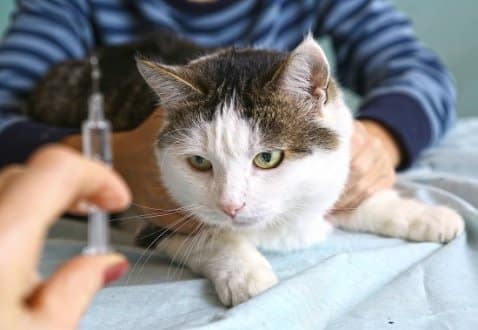
Managing feline diabetes takes planning, routine care, and steady budgeting. The cost of cat insulin is only one part of the picture. Diagnostic tests, follow-up visits, syringes or pens, and dietary adjustments also factor in. This guide explains typical expenses, how choices influence totals, and where owners can find trustworthy, practical advice. It aims to help you plan care that suits your cat and your household. Because costs vary widely, think in ranges and revisit your plan after each recheck.
Key Takeaways
- Core costs add up: insulin, supplies, lab work, and checkups.
- Type, dose, and packaging strongly influence total insulin spend.
- Early testing and steady monitoring help avoid urgent expenses.
- Non-insulin options exist for select cats but need careful screening.
Cost of Cat Insulin: What Drives It
Insulin pricing reflects several levers. The formulation (e.g., long-acting glargine vs. protamine zinc or porcine insulin zinc), brand, and country of origin can change costs. Packaging matters too. Multi-dose vials and pen cartridges differ in unit price and waste, especially for small feline doses. Storage rules and beyond-use dates affect how much of a vial you actually use before it expires.
Dose size and body weight drive monthly totals more than owners expect. A cat on a higher volume will finish a vial faster, while a tightly controlled cat may stretch supplies further. Veterinary recommendations may change over time as glucose curves and fructosamine results evolve, which also shifts usage. Discuss vial versus pen format with your veterinarian, including expected waste, handling steps, and your comfort administering injections.
What Diabetes Care Typically Includes
Plan for the initial exam, baseline bloodwork, urinalysis, and sometimes imaging. Follow-up visits confirm response, adjust doses, and check for comorbid issues like urinary infections or pancreatitis. The average cost of vet visit for cat varies by region and clinic, but budgeting for several rechecks in the first months is sensible. Diet changes and weight management may add to early costs, then stabilize once your cat adapts.
Building a reading list helps you prepare between visits. For condition overviews and care tips, see Diabetes, which consolidates disease-focused articles. Broader wellness topics, including preventive care that often intersects with diabetes, are grouped under Pet Health. Reviewing these resources supports better questions at each appointment and helps you anticipate future steps.
Insulin Options and Dosing Considerations
Your veterinarian will choose an insulin based on clinical response, practicality, and safety. Many clinics start cats on long-acting options such as glargine or protamine zinc, while others begin with porcine insulin zinc. Discussions like vetsulin vs lantus for cats may include onset, duration, and consistency in day-to-day use. Be open about your handling preferences, confidence with syringes, and any physical limitations that might make pens easier.
Brands differ in concentrations, cartridges, and vial sizes. Reviewing product details can clarify handling needs; for example, see Prozinc Vial for concentration and handling basics referenced in many clinics. Some owners also consider formulation formats; for a broader primer on mixture concepts, see Premixed Insulin for a formulation overview, even though premixed products are not typical for cats.
Comparing Insulin Types
Glargine (a long-acting analog) often provides a smoother profile, which can ease home monitoring. Protamine zinc and porcine insulin zinc may be preferred by some clinicians based on availability or patient response. Cartridge systems can reduce waste for low daily volumes, while vials may offer simpler storage and lower upfront costs. These trade-offs are practical, not just theoretical. Ask how your cat’s dose, feeding schedule, and your daily routine fit each option. The right choice reduces handling errors and helps maintain consistent glycemic control from week to week.
Screening and Monitoring Costs
Early testing confirms diagnosis and rules out complicating factors. Clinics may recommend a chemistry panel, complete blood count, urinalysis, and fructosamine to establish baselines. Owners often ask, how much does it cost to test cat for diabetes, and the answer depends on the test bundle and clinic policies. After starting insulin, periodic glucose curves or continuous glucose monitoring can refine dosing and reduce swings. Senior cats may also need periodic expanded panels to track kidney, liver, or thyroid trends.
Recognizing emergencies helps avoid crises and higher bills. For key warning signs and next steps, see Acute Hyperglycemia, which outlines urgent-care cues and veterinarian guidance. Broader clinic protocols are summarized in the AAHA diabetes guidelines, which explain diagnostic workflows and monitoring intervals. General wellness content that intersects with lab work is indexed under Pet Health to help you prepare for rechecks and routine screening.
Non-Insulin Therapies and When They Fit
For selected, stable feline patients, some veterinarians consider bexacat for cats, an oral SGLT2 inhibitor. Suitability requires careful screening to reduce risks like diabetic ketoacidosis in inappropriate cases. Veterinarians may compare this approach with traditional injections, noting adherence factors and monitoring needs. Owners should understand the commitment to follow-up testing and the signs that warrant pausing therapy and seeking veterinary input.
Regulatory guidance can help frame expectations. The U.S. Food and Drug Administration’s FDA approval announcement summarizes indications, key precautions, and reasons for veterinary oversight. Discuss how oral options compare with injectables in your situation, especially if your cat has other conditions. Shared decision-making with your veterinarian remains central because clinical status can change over time.
Budgeting, Insurance, and Assistance
Think in monthly buckets to anticipate supplies, rechecks, and food. Estimating the cost of cat insulin per month helps you compare vial versus pen formats and plan refills ahead of time. Pet insurance may offset parts of the workup and some monitoring. Clinic membership plans or local nonprofit clinics can provide predictable fees for routine bloodwork and glucose checks, which reduces surprises.
Understanding broader pricing trends is useful when planning. For a neutral overview of market dynamics, see No Generic Insulin, which explains why prices vary by product and region. If you want to compare supply types, browsing Diabetes Supplies can help you recognize formats and accessories you might discuss with your veterinarian. Ask your clinic about community programs for screening days or discounted lab packages, especially for older cats needing periodic panels.
Teaching and Tools: Pens, Syringes, and Logs
Practical skills reduce waste and avoid errors. Clinics often provide injection demos, storage rules, and written checklists. Many owners ask about how to use lantus pen for cat, especially when switching from vials. Your team may recommend practice sessions with saline, a stepwise transition plan, and a diary to track doses, meals, and behavior. These routines make it easier to spot patterns during rechecks.
Device choice affects convenience and cost over time. Pen systems and cartridges can help with tiny feline doses and may reduce unused leftovers. For pen mechanics and use cases, see Insulin Cartridges, which outlines handling and benefits for small doses. Tip: Keep a single, dated log for glucose readings, signs (thirst, urination, appetite), and any changes. Consistent notes accelerate troubleshooting and reduce repeat testing.
Planning for Long-Term Care and Quality of Life
Aim for consistency rather than perfection. Most households refine their routine over a few months, then settle into a rhythm with rechecks spaced by clinical need. It helps to revisit your budget quarterly, especially if your veterinarian adjusts doses or adds new monitoring. Owners sometimes compare glargine insulin for cats cost with other options to gauge long-term affordability. These comparisons can be practical when discussed alongside clinical response and ease of use.
Education supports steady care. Awareness campaigns and checklists can prompt timely rechecks and better home monitoring. For seasonal reminders and broader perspectives, see World Diabetes Day 2025, which highlights themes you can adapt at home. Community events and clinic newsletters often feature diabetes tips, which keeps your skills current without major time commitments.
Recap
Diabetes care blends medication, monitoring, and habit-building. Align your insulin choice, testing plan, and budget with your cat’s clinical needs and your routine. Revisit decisions after each recheck, adjust as advised, and keep records handy.
This content is for informational purposes only and is not a substitute for professional medical advice.


