
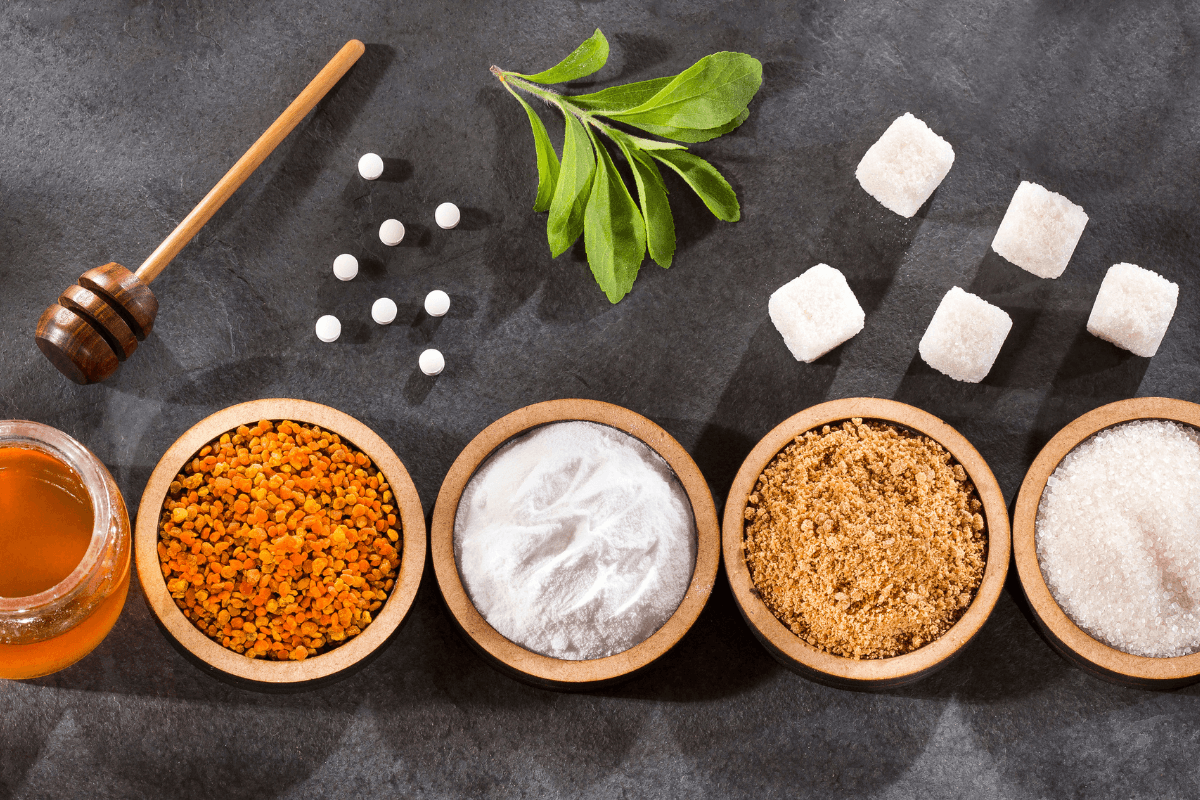
Choosing a sugar substitute can feel confusing. You want better blood sugar control, fewer calories, and good taste. The answer to what is the healthiest sweetener depends on your goals, health status, and how you use it.
Key Takeaways
- Safety first: use approved sweeteners within recommended limits.
- Match the sweetener to your goal and recipe.
- Monitor your response; tolerance varies across individuals.
- Prioritize a whole-food diet over sweetener swaps.
Before you switch, define the role of sweetness in your day. Small, targeted changes usually work better than wholesale replacement. Track your response and adjust as needed.
What Is the Healthiest Sweetener?
No single sweetener fits everyone. The best choice depends on your health conditions, taste preferences, and how often you use it. For many people, non-nutritive sweeteners (very low or zero calories) help reduce sugar intake without raising blood glucose. Others prefer minimally processed options with familiar flavors.
Healthier usually means fewer calories, minimal glycemic impact, and a good safety profile. Stevia and monk fruit are popular plant-derived options. Some people tolerate them well and enjoy the flavor. Others prefer low-calorie polyols (sugar alcohols) in baking or choose to reduce sweetness overall.
For a quick refresher on how carbs influence blood sugar, see What Is the Glycemic Index for context on glycemic responses and meal planning.
Understanding Natural and Artificial Sweeteners
Sweeteners fall into broad groups: natural plant extracts, synthetic high-intensity agents, and sugar alcohols. High-intensity varieties provide strong sweetness at tiny doses, while sugar alcohols add bulk for baking. Calorie contribution and aftertaste vary widely, so testing in your own recipes matters.
To compare options you might encounter on labels, look up an authoritative artificial sweeteners list from regulators or professional organizations. This helps you identify common names, typical uses, and safe intake levels. Ingredient panels often combine agents to improve taste and texture.
To understand sucralose specifically in diabetes care, review Is Splenda Good for Diabetics for a neutral comparison of glucose effects and practical use.
Stevia: Benefits, Risks, and Myths
Stevia (steviol glycosides) is a plant-derived high-intensity sweetener. It is very sweet, heat-stable, and virtually calorie-free. Many people use it to lower added sugars while keeping sweetness in drinks, yogurt, and some baked goods.
Concerns often center on taste and tolerance. A common question is is stevia bad for you. Current evidence suggests approved stevia products are safe within acceptable intake limits. Some individuals notice a herbal or bitter aftertaste, which can be reduced by blending with erythritol or allulose, or by using different brands.
Regulatory History of Stevia
Early stevia products faced regulatory scrutiny in several countries because of limited data and supply inconsistencies. Over time, purified steviol glycosides gained approvals as safety evidence accumulated. In the U.S. and Canada, specified stevia extracts are permitted in foods and beverages. The original leaves or crude extracts may be regulated differently from refined components, which explains older cautionary labels and varied market timelines.
If you use stevia often, rotate products and monitor taste preference and tolerance. For a deeper look at balanced eating with diabetes, Food for Diabetics offers meal-building basics that complement low-sugar sweetening choices.
Monk Fruit: Taste, Tolerance, and Uses
Monk fruit (luo han guo) provides very sweet mogrosides extracted from the fruit. It has a clean sweetness and is usually paired with carriers like erythritol or allulose to improve texture. Many users like monk fruit in cold beverages and dairy, and some blends perform well in baking.
Questions about monk fruit sweetener side effects are common. Pure monk fruit extracts have a favorable safety profile at typical intakes, though blends may cause digestive upset if they include sugar alcohols. If you are sensitive, choose erythritol-free or allulose-based products, and test a small serving first. Liquid concentrates can help you dose precisely in coffee or tea.
When sweetness replaces calories for weight control, consider your broader strategy. For behavior and medication insights, Diet and Weight Loss in the Age of GLP-1 Medications discusses how GLP-1 therapy intersects with eating patterns and may shape appetite.
Artificial Sweeteners vs Sugar: Weighing Trade-offs
Comparing sucrose (table sugar) to high-intensity sweeteners involves trade-offs. Sugar reliably provides flavor and structure but adds calories and raises blood glucose. Non-nutritive alternatives cut calories and glycemic impact but may alter taste perception and fullness signals for some people.
People often ask which is worse sugar or artificial sweeteners. The answer depends on context. Regular sugary drinks contribute to calorie excess and higher cardiometabolic risk. Skillful use of non-nutritive sweeteners can reduce sugar exposure, though mixed evidence suggests long-term effects vary by individual. Aim for overall dietary quality first, then adjust sweetness strategically.
To explore snack choices that minimize added sugars, read Navigating the Snack Aisle for Diabetes Patients for label-reading strategies and practical swaps.
Diabetes and Sweetener Choices
If you live with diabetes or prediabetes, choose sweeteners with minimal glycemic effects and predictable taste. In this context, people ask what is the healthiest sweetener for diabetics. Plant-based high-intensity options, sugar alcohol blends with lower GI, or a gradual reduction of sweetness can all help. Track your capillary glucose response to common beverages and snacks to personalize choices.
For a targeted look at sucralose in diabetes, see Is Splenda Good for Diabetics to compare evidence on blood sugar responses. If you use shakes to manage appetite, Protein Shakes for Diabetics outlines balanced formulations and timing considerations that complement low-sugar choices.
Foods matter more than sweeteners alone. For fruit navigation, review Fruits for Diabetics to Avoid to reduce sugar spikes from high-fructose items. For dairy options that pair well with low-sugar sweeteners, see Diabetes-Friendly Dairy for calcium and protein ideas.
Sweeteners in Coffee and Everyday Cooking
Brewing habits shape daily exposure to sweeteners. People often want to know what is the healthiest sweetener for coffee. Many prefer stevia or monk fruit for hot drinks because they dissolve well and add negligible calories. Others find a small dose of sugar or maple syrup more satisfying, which can reduce the total amount used.
For cooking, consider heat stability and bulking needs. High-intensity sweeteners work well in custards, sauces, and drinks. Baking often requires blends with allulose, erythritol, or inulin to replace volume and browning. Practice with half-sugar recipes first, then adjust to taste and texture goals.
If weight loss is a priority, review the Weight Management category for structured strategies that pair diet adjustments with activity and behavior change.
Gut Health, Appetite, and Long-Term Use
Research on appetite, microbiome, and metabolic outcomes is evolving. Some studies suggest non-nutritive sweeteners may influence taste preferences or gut bacteria in certain individuals, while others show neutral effects. Responses vary based on the specific agent, dose, and overall diet quality.
Those focused on digestion often ask about the best sweetener for gut health. If you are sensitive to sugar alcohols, choose blends without sorbitol or mannitol, and trial small amounts of stevia or monk fruit. Emphasize fiber-rich vegetables, legumes, and fermented foods to support microbial diversity and resilience regardless of sweetener choice.
For real-world snack structure that supports gut comfort and glucose stability, 10 Healthy Snacks for Weight Loss You’ll Actually Enjoy offers practical, lower-sugar options that pair protein with fiber.
Safety, Regulation, and Label Reading
Approved sweeteners undergo safety review before use in foods and beverages. In North America, regulators establish acceptable daily intakes and evaluate new evidence regularly. Choose products from reputable brands, and watch for blends that add bulking agents, flavors, or sugar alcohols that may affect tolerance.
For a comprehensive overview of permitted sweeteners in Canada, the Health Canada sweeteners list provides names and conditions of use. For U.S. consumers, the FDA on high-intensity sweeteners outlines approved substances and general safety conclusions. In 2023, the WHO guideline on sweeteners advised limiting routine long-term use for weight control, emphasizing whole-food dietary patterns instead. These resources give helpful context for safety and practical intake limits.
Health Canada sweeteners list can clarify names you see on labels. For U.S. approvals, see the FDA on high-intensity sweeteners for safety status. To understand recent guidance on routine use, review the WHO guideline on sweeteners for a public health perspective.
Practical Tips for Choosing a Sweetener
Start by defining your primary goal: glycemic control, calorie reduction, dental health, or taste. Then match the product to the task. Use high-intensity options for beverages and custards, and choose blends with bulk for baking. Adjust gradually to reduce overall sweetness over time.
Cost and availability matter for long-term adherence. Track your personal tolerance, especially with sugar alcohol blends. For supplemental nutrition that pairs with low-sugar sweetening, consider Glucerna as an example of a formulated product, and see Glucerna for how specialized shakes fit into structured diets. For weight-focused readers exploring medications, Ozempic Semaglutide Pens are one therapy option; see Ozempic Semaglutide Pens for background when discussing appetite and diet with your clinician.
If you want broader diet support, Superfoods for Weight Loss provides nutrient-dense ideas, while Easy 7‑Day Diet Plan for Weight Loss at Home can help structure meals as you reduce added sugars.
Recap
The healthiest sweetener varies by person and purpose. Plant-derived options like stevia and monk fruit help lower sugar intake with minimal calories, while blends improve texture in baking. Long-term success comes from an overall nutritious diet, mindful sweetness, and consistent monitoring of your own response.
For detailed snack and beverage choices, Is Splenda Good for Diabetics and What Is the Glycemic Index offer practical ways to align sweeteners with glucose goals.
What Is the Glycemic Index is helpful if you want to understand glycemic impact before choosing sweeteners for meals and snacks. For sucralose-specific trade-offs, Is Splenda Good for Diabetics provides a balanced overview for everyday use. To plan protein-forward snacks that pair well with low-sugar options, see Protein Shakes for Diabetics. For broader meal planning basics that minimize added sugars, Food for Diabetics summarizes core principles. If fruit choices are challenging, Fruits for Diabetics to Avoid can flag higher-sugar pitfalls. For dairy pairings with low-sugar sweeteners, Diabetes-Friendly Dairy outlines practical options. Readers exploring weight-focused content can browse the Weight Management category for structured approaches that complement sweetener strategies. For specialized nutrition products that fit lower-sugar eating, consider Glucerna; and for context around GLP-1 therapy and appetite, see Ozempic Semaglutide Pens as part of a broader clinical discussion.
This content is for informational purposes only and is not a substitute for professional medical advice.


