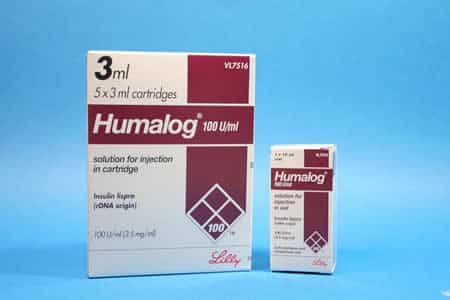
Understanding humalog side effects helps patients and caregivers respond early and prevent complications. This practical review uses plain language and clinical terms to explain what matters and why.
Key Takeaways
- Common reactions: injection site irritation, mild edema, and itch.
- Highest risk: hypoglycemia from mismatched timing, dose, or intake.
- Interactions: glucose-lowering agents, steroids, and beta-blockers.
- Special cases: pregnancy, renal/hepatic impairment, and pump users.
Humalog Side Effects: What to Watch
Side effects range from mild skin reactions to urgent events like severe hypoglycemia. Most reactions are predictable and relate to dose, timing, and meal composition. Local pain, redness, or swelling often resolve with rotation and technique correction.
Severe outcomes are uncommon but require a plan. Watch for tremor, confusion, or sweating as early low-glucose signs. Also monitor for generalized rash, facial swelling, or breathing difficulty, which may signal allergy. Early recognition reduces harm and prevents treatment interruptions.
What Is Humalog (Insulin Lispro)?
This rapid-acting formulation is taken with meals to control postprandial glucose. Clinically, it is a bolus insulin used alongside basal insulin in many regimens. Patients may use vials, cartridges, or pens based on preference and technique training. For timing details and typical action curves, see Humalog Insulin Onset Peak Duration for scheduling context.
Humalog insulin is usually given immediately before food, though some patients dose after meals if intake is uncertain. Pump therapy uses continuous delivery with meal boluses. For vial-based technique updates, the primer Humalog Vial Rapid Insulin explains post-meal control strategy and injection tips.
How It Works and Why Effects Happen
Rapid analogs accelerate absorption using minor amino acid changes. This quicker onset increases flexibility but can unmask timing errors with variable meals. Changes in activity level, illness, or skipped snacks can tilt the balance and precipitate lows.
Humalog mechanism of action involves facilitating glucose uptake in muscle and fat while suppressing hepatic glucose output. These actions lower blood glucose efficiently, yet they also predispose to hypoglycemia when insulin exposure exceeds carbohydrate availability. Understanding this balance guides prevention and early correction.
Site Absorption and Timing
Absorption varies by site, temperature, and blood flow. The abdomen often absorbs fastest, while thigh or buttock may be slower. Exercise increases local uptake and can deepen glucose drops if dosing is not adjusted. Rotating sites helps reduce lipodystrophy and erratic kinetics, improving predictability over time.
Rushed dosing habits drive many problems. Encourage deliberate checks of carbohydrate amount, current glucose, and recent activity before dosing. For brand contrasts and bolus selection factors, see Bolus Insulin Brands Dosing for planning scenarios and dosing frameworks.
Common, Mild Reactions
Many insulin lispro side effects remain mild and self-limited. Patients often report transient burning, redness, or small lumps at injection sites. Lipohypertrophy can develop after repeated injections in the same spot, causing erratic absorption. Regular site rotation and proper needle length reduce these issues.
Occasional rash, itch, or slight fluid retention can occur, especially during dose intensification. Pens may improve consistency by simplifying technique. For device-specific technique reminders, the overview Humalog KwikPen Portable Insulin provides handling pointers that help reduce technical errors.
Hypoglycemia and Other Urgent Risks
Hypoglycemia is the most serious risk with any rapid insulin. Early signs include sweating, tremor, hunger, and confusion. Nighttime lows may present as nightmares, morning headache, or exhaustion. Always confirm with a meter or CGM and treat promptly per clinician guidance.
Severe allergic reactions are rare but require immediate care if facial swelling, wheeze, or widespread hives develop. Insulin can also shift potassium intracellularly, contributing to hypokalemia in susceptible patients. The FDA label for insulin lispro details confirmed risks, including hypoglycemia and electrolyte changes. For broader care standards, the ADA Standards of Care provide practical monitoring and treatment frameworks.
Weight, GI, and Skin Changes
Patients often ask, can humalog cause weight gain. Weight can rise due to reduced glycosuria and defensive snacking after lows. Preventive steps include prebolus timing, accurate carb counts, and avoiding “overtreating” hypoglycemia. Discuss trends regularly and consider dietitian input when patterns persist.
Gastrointestinal symptoms, including loose stools, occasionally occur but are typically transient and multifactorial. Consider coexisting conditions, metformin use, or dietary triggers when evaluating diarrhea. Hair shedding is not a typical direct effect; however, stress, thyroid issues, and fluctuating glucose can contribute to telogen effluvium. Address underlying causes rather than discontinuing therapy abruptly.
Interactions and Contraindications
Several agents change insulin needs. Humalog drug interactions include glucose-lowering drugs, which may amplify hypoglycemia risk, and corticosteroids or certain antipsychotics, which may raise glucose. Beta-blockers can mask adrenergic warning signs, complicating recognition of lows. Review over-the-counter agents and supplements, including niacin, which may raise glucose.
Alcohol can both lower and raise glucose depending on timing and intake. Acute illness, dehydration, and reduced oral intake increase variability and risk for ketosis in type 1 diabetes. For additional regimen context and head-to-head comparisons, see Apidra vs Humalog to understand how product selection affects daily control.
Who Should Avoid or Use Caution
Humalog contraindications include known hypersensitivity to insulin lispro or any excipient, and episodes of hypoglycemia at the time of dosing. Exercise caution in patients with hypokalemia risk, severe renal or hepatic impairment, or frequent unrecognized lows. Pump users need consistent monitoring and infusion set maintenance to prevent rapid ketosis if delivery fails.
Discuss pregnancy planning, as insulin needs usually shift during gestation. For basal-bolus regimen adjustments and premix alternatives, see Premixed Insulin: What to Know for timing, meal regularity, and flexibility tradeoffs. The manufacturer’s full prescribing information outlines formal contraindications and warnings that guide safe selection.
Dosing and Titration Basics
Humalog dosage should be individualized by the prescriber based on carbohydrate intake, current glucose, and insulin sensitivity. Most patients fine-tune meal boluses using insulin-to-carb ratios and correction factors. Small, structured changes and paired logs (food, glucose, dose) help detect patterns without overshooting.
Never change doses without clinician guidance. Education on timing, site selection, and sick-day rules improves safety. For a concise refresher on ratio methods and safety thresholds, see Important Information Humalog Dosage to reinforce how providers individualize therapy.
Nursing and Patient Education
Clear instruction reduces errors. Reinforce hand hygiene, site rotation, and needle disposal. Verify understanding of hypoglycemia recognition and treatment using teach-back methods. Encourage patients to carry fast-acting carbohydrates, medical identification, and backup supplies.
Discuss device differences and priming steps if using pens. Review storage ranges, expiration after opening, and travel considerations. For pen-specific handling and portability tips, see Humalog KwikPen Portable Insulin for a quick checklist that covers common pitfalls. When evaluating alternatives or backups, NovoLog vs Humalog explains interchangeability and clinical nuances.
- Technique reinforcement: check dose, air shot, and dial-back.
- Rotation plan: map abdomen, thigh, and arm zones.
- Hypo plan: meter, 15 g carbs, recheck protocol.
- CGM use: alerts, thresholds, and trend arrows.
Device-Specific Notes: KwikPen and Mixes
Prefilled pens improve convenience and reduce prep steps. Cartridge and vial formats suit those comfortable with syringes. Teach correct priming, dialing, and hold time to ensure full delivery. For product details and operational differences, review the brief on Humalog KwikPen Portable Insulin to align technique with device design.
Premixed formulations tie rapid and intermediate components into fixed ratios. These require consistent meal timing and portion sizes. For starting expectations and comparative pros and cons, see Humalog Mix KwikPen to understand timing windows and typical use cases. If choosing pen formats, consider Humalog KwikPen for device-specific instructions assembled in one place.
Comparing With Basal Insulin
Rapid analogs cover meals, while basal insulins cover background needs. NPH, glargine, and degludec have different durations and peaks. Side effects of lantus largely center on hypoglycemia risk, injection site reactions, and potential weight changes, similar in nature but different in pattern compared with mealtime insulin.
Patients sometimes compare rapid choices as well. For insights into alternative rapid-acting analogs and their profiles, see Fiasp vs Humalog and NovoRapid vs Humalog to weigh onset differences and meal timing flexibility. These resources help frame expectations across common bolus options.
Recap
Most reactions remain mild and manageable with technique, rotation, and careful timing. The highest stakes involve hypoglycemia, interactions, and missed delivery in pump users. A structured plan, clear education, and regular review reduce risk.
Use your care team’s instructions to personalize dosing, timing, and monitoring. Keep a simple checklist for meals, activity, and sick days. With consistent habits, patients can minimize variability and maintain stable control.
Note: Report new or worsening symptoms promptly, especially severe lows, widespread rash, or breathing concerns.
This content is for informational purposes only and is not a substitute for professional medical advice.