
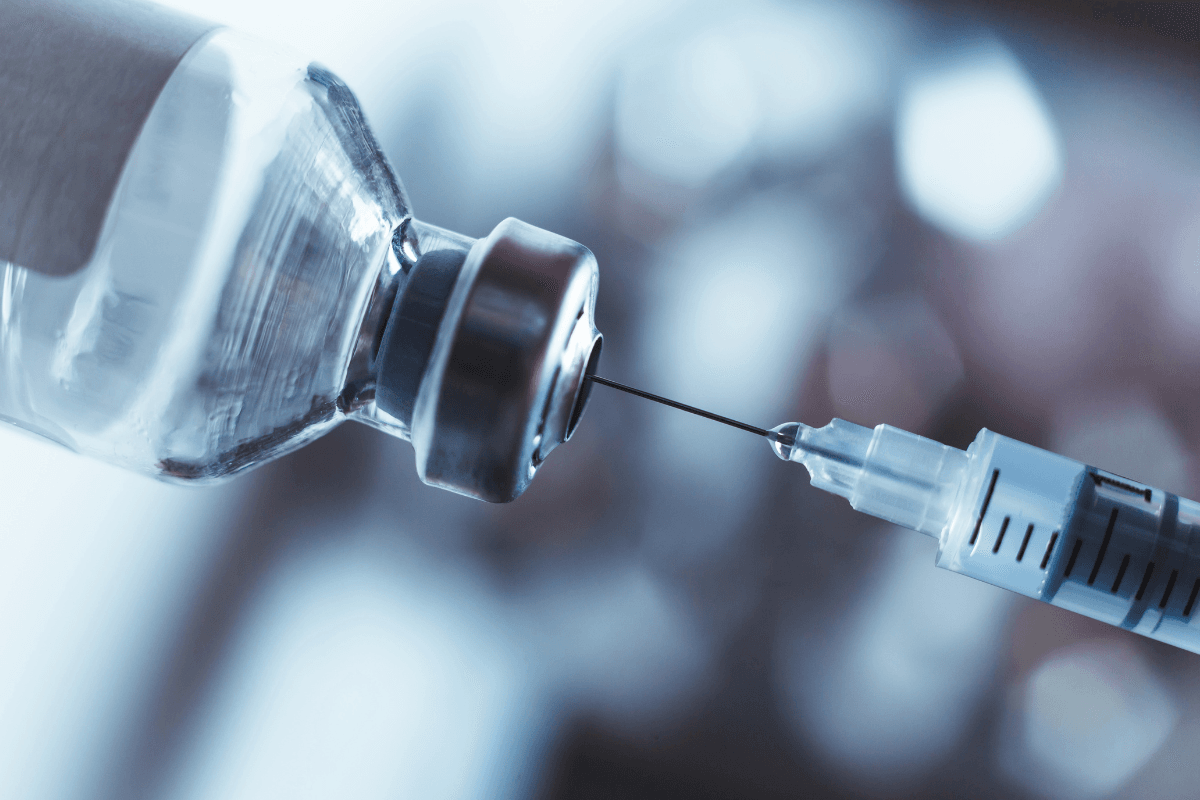
Managing insulin costs takes planning, not guesswork. Small changes in handling, timing, and supplies can reduce waste each month. This guide focuses on NPH insulin in vials, with practical steps to stretch every unit without compromising safety or consistency.
Key Takeaways
- Right-size your monthly supply to limit waste and expiries.
- Store vials correctly to protect potency and reduce losses.
- Match dosing tools and mixing steps to improve precision.
- Use timing and onset data to avoid avoidable corrections.
- Compare insulin formats to balance cost and convenience.
Many patients rely on Humulin N 100 unit/ml vial for steady daytime and overnight coverage. Lower monthly costs often come from preventing avoidable waste, not only chasing discounts. The sections below explain how handling, supplies, and planning can help you keep doses consistent, safe, and predictable.
Humulin N 100 unit/ml vial: Budgeting Fundamentals
Begin by estimating how many units you actually use in 28 to 31 days. Add a modest buffer, then match that total to vial counts you can safely store and finish before expiry. This approach reduces overbuying and cuts end-of-month discard. Track real-world use for two to three months, then adjust your baseline order.
Consider whether one larger order or split refills better fits your routine. Fewer openings of new vials can reduce partial-bottle waste, but only if storage is reliable. For detailed product specifics that inform planning, see Humulin N Vials 100 Units Ml for concentrations and formats relevant to your monthly needs.
Dosing, Timing, and Waste Reduction
Consistent technique helps you hit the target dose and avoid unnecessary corrections. Review your routine with a clinician when schedules change, and keep a written plan. Use glucose logs to identify patterns causing frequent lows or highs that lead to extra snacks or corrective insulin. As a planning anchor, follow your provider’s Insulin Dosage Chart resource for structured recording and dose discussion.
When discussing dose ranges, align on Humulin N U-100 dosage guidelines without making independent changes. If variability persists, examine meal timing, activity, and injection sites. For background on how different delivery methods can influence dosing accuracy, see Insulin Pen vs Syringe for device trade-offs you can weigh with your care team.
Storage Practices That Prevent Loss
Temperature control protects potency. Keep unopened vials refrigerated within the manufacturer’s recommended range and avoid freezing. When in use, most NPH vials can be kept at room temperature for a limited time; always check your specific label. For a deeper look at risks from temperature swings, see Insulin Storage Dangers for practical thresholds and handling reminders.
Household routines can undermine good storage. Do not store vials in the refrigerator door, near freezer vents, or in a hot car. Place in-use vials away from direct sunlight and heating sources. For official limits and handling details, review the manufacturer’s prescribing information after confirming the latest version, since label updates can refine storage specifics.
Humulin N storage and refrigeration guidance aims to reduce potency loss that drives dose variability and extra corrective insulin. Minimizing heat and freeze events also helps keep insulin predictable, which can curb unplanned waste.
Shelf Life and Handling After Opening
Once a vial is punctured, the clock starts. Mark the date of first use on the label and track the in-use window per the product insert. Discard the vial after the in-use period ends, even if liquid remains. This step prevents under-dosing from potency decline, which often leads to unplanned corrections and higher total use.
If your monthly plan routinely leaves a partial vial at the end, reduce the number of vials per refill rather than stretching beyond the safe window. For authoritative durations and acceptable conditions, consult the insulin storage and handling guidance, which summarizes standard practices and label-based rules. When planning, factor in Humulin N vial after opening shelf life so you open vials intentionally and finish them on time.
Mixing Technique and Equipment Basics
NPH is a suspension, not a solution. Before each dose, gently roll the vial between your palms until the liquid looks uniformly cloudy. Do not shake vigorously, which can create bubbles and dosing errors. Consistent mixing helps the insulin’s strength stay predictable from first unit to last.
Write a short checklist for your mixing routine and keep it near your supplies. If cloudiness seems uneven, pause and roll longer until uniform. For stepwise visuals and safety context, the Use Insulin Pen Guide explains similar principles that translate well to vial technique. Build habits around Humulin N mixing and suspension tips so you avoid accidental over- or under-dosing.
Syringes and Measurement Accuracy
Use U-100 syringes with clear unit markings to match NPH concentration. Choose needle length and gauge that support your body habitus and technique, then stay consistent to reduce variability. If you change syringe brand or size, monitor glucose closely during the transition.
Proper needle selection can also reduce pain and leakage, which indirectly lowers waste from repeated injections. For hardware nuances and selection considerations, see BD Needles Explained for practical points to discuss with your pharmacist. Many patients benefit from standardized tools designed for Humulin N compatible syringes U-100 to keep dosing precise over time.
Onset, Peak, and Duration for Planning
NPH has a delayed onset, a defined peak, and a variable tail. Plan meals, activity, and sleep around these phases to lessen hypoglycemia and rebound hyperglycemia. Reducing preventable lows cuts rescue snacks and follow-up corrections, which saves units and maintains stability.
Map your usual timing on a weekly planner and adjust meal composition accordingly. If schedules shift, review your logs and discuss options with your care team. Understanding the Humulin N onset peak duration curve can help you schedule doses and meals more efficiently. For broader context on insulin types and action profiles, see Insulin Types Guide to compare onset and peak features across classes.
Comparing Insulin Options for Value
Some patients prefer pens for portability and dose dialing, while others find vials most economical per unit. If your routine favors prefilled pens, compare costs and wastage carefully. For example, switching formats only pays off if fewer mis-dials and less spoilage outweigh a higher unit price.
For a side-by-side overview of rapid versus NPH strategies, see Humulin vs Humalog for a balanced comparison of roles and timing. If premixed options fit your schedule and reduce missed doses, scan Premixed Insulin Guide to understand trade-offs before discussing changes with your provider.
Format, Mixes, and Alternatives to Match Your Plan
Some regimens benefit from consistent basal with separate mealtime insulin. Others use premixed insulins to simplify daily steps. Check mix ratios and action profiles when balancing convenience against flexibility and correction needs.
For product-specific context as you evaluate your routine, compare Humulin 30 70 Vial 100 Units Ml for premix structure, Novolin GE 30 70 Vials 100 Units Ml for an alternative mix, and Humulin R Vial for short-acting pairing—each cited here to frame balanced discussions with your care team.
Devices and Supplies: When Pens Make Sense
Pens may reduce dose preparation time and support smaller incremental dosing. They can also limit vial opening frequency, which may cut waste if you seldom use larger volumes. The trade-off is potentially higher cost per unit, depending on brand and plan.
To weigh device convenience against budget, explore Humulin N KwikPen 100 Units Ml for format details, and contrast with Lantus SoloStar Pens 100 Units Ml to understand how long-acting pens differ in handling and timing. If cartridges are part of your plan, see Humulin 30 70 Cartridges 100 Units for how premix cartridges can streamline routines.
Safety, Labels, and Practical Oversight
Read the patient insert before first use and again after any change in brand, device, or dose timing. Keep a current list of all medications, including over-the-counter items, to spot potential interactions or additive hypoglycemia risk. Report unexplained patterns to your clinician rather than self-adjusting.
When questions arise, bring the vial and supplies to your appointment so technique and storage can be reviewed. Use the label’s device and mixing instructions as your baseline, then confirm any clinic-specific adaptations. Refer to Humulin N vial instructions for use sections to align technique with current labeling. For practical background on cartridges and formats, see Insulin Cartridges Guide for structure and handling concepts.
Common Questions About Syringes and Needles
Many people wonder whether a different syringe size could improve comfort or accuracy. Changes can help, but they also shift depth and absorption. If you adjust needle length or brand, monitor patterns and consult your care team to keep dosing stable. For a hardware refresh, the BD Needles Explained guide outlines options worth discussing.
When precision is critical, standardizing your supplies lowers variability and supports repeatable dosing. If a device better suits your needs, such as pens or cartridges, review format pros and cons before switching. Keeping your supplies consistent can prevent subtle dose drift over time.
Recap
Lower monthly insulin costs usually come from preventing waste: right-sized refills, consistent technique, careful storage, and format choices that fit your routine. Use objective logs and label guidance to steer decisions. Small, reliable habits protect potency and conserve units, helping your plan stay sustainable.
Tip: Revisit your plan every quarter. Minor adjustments to timing, tools, or stock levels can maintain stability as routines change.
This content is for informational purposes only and is not a substitute for professional medical advice.


