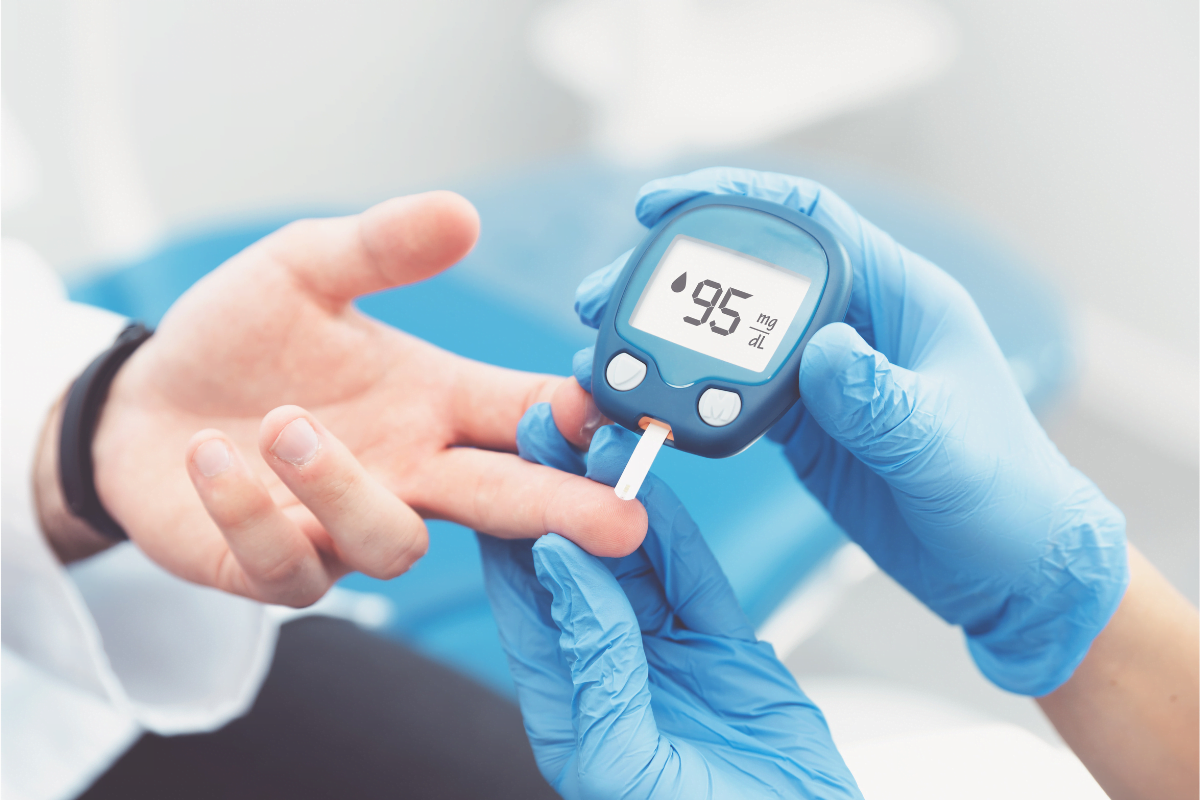
Diabetes management means using daily habits, monitoring, medicines, and regular care to keep blood glucose in a safer range. It does not mean perfect numbers every day. The goal is to reduce high and low glucose swings, protect the heart, kidneys, eyes, nerves, and feet, and help you respond early when patterns change.
Diabetes is serious because high glucose can damage blood vessels and nerves over time. It is also manageable. A clear plan can turn scattered tasks into repeatable routines that fit meals, work, travel, illness, and exercise.
Key Takeaways
- Serious risks exist, but complications are not inevitable.
- Glucose patterns matter more than one isolated reading.
- Food, activity, sleep, and medicines work together.
- Warning signs can differ by diabetes type and age.
- Digital tools can help organize daily decisions.
What Diabetes Management Includes
Diabetes management is the ongoing process of monitoring glucose, planning food, staying active, taking prescribed treatment, and checking for complications. The details vary by diabetes type, age, pregnancy status, other conditions, and risk of hypoglycemia (low blood glucose).
For type 1 diabetes, the body makes little or no insulin. Type 1 diabetes treatment usually requires insulin from diagnosis, along with glucose monitoring and education about food, activity, illness, and ketones. Type 1 diabetes symptoms can develop quickly. Thirst, frequent urination, weight loss, fatigue, nausea, vomiting, and abdominal pain deserve urgent attention, especially in children and young adults.
Type 2 diabetes usually involves insulin resistance, which means the body has difficulty using insulin effectively. Symptoms of diabetes type 2 can appear slowly or remain unnoticed for years. Some people first learn they have diabetes after routine bloodwork, recurrent infections, blurry vision, or slow-healing cuts.
Other types of diabetes include gestational diabetes during pregnancy, medication-related diabetes, and less common genetic or pancreatic forms. This matters because the safest treatment plan depends on the cause, not only the glucose number.
For broader condition navigation, the Diabetes Condition Hub lists relevant diabetes-related product categories and supplies. For educational reading across many diabetes topics, browse the Diabetes Articles collection.
Why Daily Control Protects Long-Term Health
Steady diabetes management reduces the chance that high glucose will injure small and large blood vessels. Over time, uncontrolled glucose may affect the retina, kidneys, nerves, heart, brain, and circulation in the legs and feet.
Blood pressure, cholesterol, smoking status, sleep, kidney function, and family history also shape risk. That is why diabetes care is not only about sugar. Routine appointments often include A1C testing, kidney screening, blood pressure review, medication assessment, foot checks, and dilated eye exams.
A1C is a lab test that estimates average blood glucose over roughly the past two to three months. It does not show daily highs or lows, so many people also use finger-stick testing or continuous glucose monitoring. A1C and home readings answer different questions.
This calculator can help convert A1C and estimated average glucose values for discussion and record-keeping. It does not replace clinical interpretation.
HbA1c & eAG Calculator
Convert between HbA1c percentage and estimated average glucose using the ADAG relationship.
These calculations are for education only and do not replace clinical advice, diagnosis, or treatment. Always confirm medical decisions with a qualified healthcare professional.
Why it matters: A normal-looking average can hide repeated highs and lows.
If you want practical help with testing routines, see Monitor Blood Sugar. It explains how testing frequency may differ by treatment type and personal risk.
Warning Signs That Should Not Be Ignored
Common warning signs of diabetes include increased thirst, frequent urination, fatigue, blurry vision, slow-healing wounds, unexplained weight change, and frequent infections. These symptoms may be mild at first, especially in adults with type 2 diabetes.
Many people search for what are 10 warning signs of diabetes because symptoms can overlap with stress, aging, poor sleep, or other illnesses. Additional clues can include numbness or tingling in the feet, dry mouth, increased hunger, darkened skin folds, and recurrent yeast or urinary infections. Early signs of diabetes in women may include repeated vaginal yeast infections or urinary symptoms, but those symptoms can also have other causes.
Type 1 diabetes can progress rapidly. Seek urgent medical care for vomiting, deep or labored breathing, fruity-smelling breath, confusion, severe weakness, or very high glucose with ketones. These may suggest diabetic ketoacidosis, a medical emergency.
Symptoms can also be more difficult to spot in older adults, people with nerve damage, or people taking medicines that affect awareness of low glucose. Illness, dehydration, missed meals, and medication changes can all shift glucose patterns. For sick-day planning, see Managing Diabetes While Sick.
Food Choices, Fast Changes, and Safer Meal Patterns
Food choices affect glucose quickly, but there is no single best food for diabetes control that works for everyone. Portions, carbohydrate type, fiber, protein, fat, timing, medications, activity, and digestion all influence the response.
A practical diabetic diet food list usually includes nonstarchy vegetables, beans, lentils, whole grains in measured portions, lean proteins, unsweetened dairy or alternatives, nuts, seeds, and heart-healthy fats. A type 2 diabetes food list often emphasizes fiber and minimally processed foods because these can help reduce sharp post-meal rises.
When people ask what foods lower blood sugar immediately, the safer answer is context-dependent. Food does not usually lower high glucose instantly. Water, gentle movement when safe, and taking prescribed medicines as directed may help some highs. If glucose is low, fast-acting carbohydrate is needed instead. Do not use exercise to treat high glucose if ketones are present or you feel unwell.
Foods to limit are usually those that cause large glucose spikes or displace more nutritious options. Examples include sugary drinks, large refined-grain portions, candy, sweet desserts, and ultra-processed snacks. The phrase 10 foods that cause diabetes is misleading because diabetes has multiple causes. Still, frequent high-sugar and highly processed choices can make glucose and weight goals harder for some people.
Structured planning can reduce decision fatigue. A 7-day diet plan for diabetic patients should still be individualized, especially with pregnancy, kidney disease, gastroparesis, eating disorder history, or medication-related hypoglycemia. A registered dietitian can help set carbohydrate targets and adjust meals to cultural preferences.
For deeper nutrition planning, read Eating Well With Diabetes. It covers label reading, balanced plates, and meal planning in more detail.
Medicines and Treatment Decisions
Medicines are chosen according to diabetes type, glucose pattern, heart and kidney health, weight goals, hypoglycemia risk, cost, pregnancy considerations, and personal preferences. There is no universal best medicine for diabetes.
For type 2 diabetes, treatment may include metformin, GLP-1 receptor agonists, SGLT2 inhibitors, DPP-4 inhibitors, sulfonylureas, thiazolidinediones, insulin, or other options. Some drug classes may be preferred when heart failure, chronic kidney disease, or cardiovascular risk is present. Others may be avoided when low glucose risk is a major concern.
Terms such as diabetes drugs list pdf, diabetes guidelines 2024 pdf, ada diabetes guidelines 2024 pdf, and ada diabetes treatment algorithm 2024 usually refer to professional treatment summaries. These tools help clinicians individualize therapy. They should not be used to start, stop, or combine medicines without medical review.
Headlines about a new pill for type 2 diabetes can be useful, but they require context. Approval status, safety warnings, interactions, kidney function, pregnancy considerations, and long-term evidence all matter. The best drug combination for type 2 diabetes is the one that matches the patient’s risks and goals after clinical assessment.
Insulin remains essential for type 1 diabetes and important for many people with type 2 diabetes. It may also be used during pregnancy, hospitalization, acute illness, or when other therapies do not meet goals. If you use insulin or glucose devices, the Diabetes Product Category can help you browse available diabetes-related product groups without replacing medical guidance.
Monitoring, Apps, and Device Support
Monitoring shows whether the plan is working in real life. Finger-stick meters, lab tests, and continuous glucose monitors each provide different information. Some people need frequent readings, while others focus on A1C and periodic checks.
Continuous glucose monitoring can show time in range, overnight trends, and post-meal changes. A receiver or smartphone may display readings depending on the device and setup. If you are comparing device categories, examples include the Dexcom G7 Sensor and compatible receiver options listed separately on the site.
Finger-stick testing still matters for many people, including those who do not use CGM or who need confirmation during symptoms. Test strips and meters should match each other. Examples of testing supplies include OneTouch Verio Test Strips and meter options such as the Contour Next Meter.
Apps can help organize glucose, meals, medicines, activity, and notes. The mysugr app is one example people may encounter. When comparing the best free diabetes app for iPhone or Android, look for reliable data entry, reminders, exportable reports, privacy controls, and compatibility with your meter or CGM.
Quick tip: Add notes for meals, illness, stress, and exercise, not only numbers.
Building a Practical Weekly Routine
A strong plan works because it is repeatable. Instead of trying to fix everything at once, choose a few tasks that support safer glucose patterns and regular follow-up.
- Set monitoring times based on your treatment plan.
- Plan balanced meals before busy days.
- Keep low-glucose treatment available if at risk.
- Review medications before travel or illness.
- Check feet for blisters, cuts, or color changes.
- Schedule routine eye, kidney, and dental care.
- Bring glucose logs and questions to visits.
The “3-hour rule” is not one universal diabetes rule. Some people use three hours as a practical spacing idea when checking post-meal patterns or avoiding repeated correction doses, but timing depends on the medicine, meal, and care plan. Ask your clinician how to interpret readings after meals, exercise, and insulin or other glucose-lowering medicines.
Many people also ask for 7 steps to control diabetes. A safer framework is: understand your type, monitor appropriately, plan meals, move regularly, take medicines as prescribed, prevent complications, and seek help when patterns change. These steps sound simple, but they require adjustment over time.
Movement improves insulin sensitivity for many people, but exercise plans should fit fitness level, complications, and medication risk. For activity ideas and safety points, see Diabetes Exercise Trends. For broader lifestyle factors, Lifestyle Choices and Diabetes looks at how daily routines can shape management.
Authoritative Sources
For official living-with-diabetes guidance, review the CDC living with diabetes resource.
For detailed self-management education, see the NIDDK managing diabetes overview.
For current clinical standards, clinicians often reference the ADA Standards of Care 2024.
Recap
Diabetes is serious, but diabetes management can reduce risk when the plan is clear and consistent. Focus on patterns, not perfection. Combine monitoring, food planning, activity, sleep, medication review, and routine screening.
Seek urgent care for severe symptoms, repeated very low glucose, very high glucose with illness or ketones, chest pain, confusion, dehydration, or signs of infection. For ongoing changes, bring your readings, medication list, and questions to your healthcare team.
This content is for informational purposes only and is not a substitute for professional medical advice.