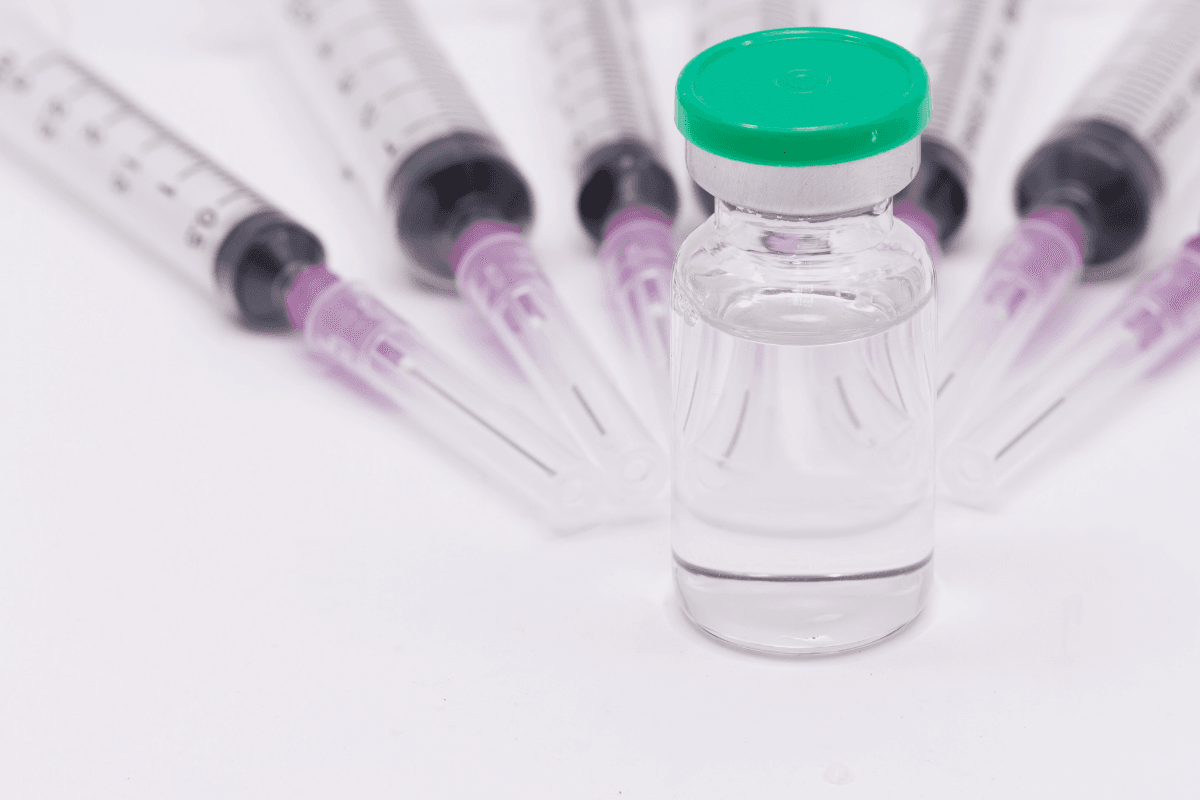
Humalog Vial is a rapid-acting insulin lispro option designed for mealtime coverage. It helps limit post-meal spikes when used with consistent timing and dosing. This guide explains how it works, how to handle vials safely, and when to consider alternative devices. It also reviews storage, cost factors, and ways to plan for potential supply issues.
Key Takeaways
- Rapid onset: acts within minutes and peaks soon after meals.
- Flexible delivery: vials suit syringes and many pumps.
- Safe handling: correct storage reduces potency loss.
- Compare options: pens, cartridges, and mixes offer alternatives.
Humalog Vial: Mechanism and Onset
Insulin lispro is formulated to absorb quickly from the subcutaneous tissue. It begins lowering glucose soon after injection, which supports post-meal control. Most people take it shortly before eating, though exact timing varies by prescription and response. Matching meal size, carbohydrate content, and activity often improves results over time.
Rapid-acting insulins carry hypoglycemia risk if food is delayed. Monitoring and a consistent routine can reduce mismatches between insulin action and carbohydrate absorption. For detailed pharmacology, the FDA prescribing information outlines onset and peak ranges, including storage and handling details (FDA prescribing information). Users who deliver lispro via pumps can also review delivery mechanics and safety considerations in our overview of Humalog Insulin Pump for practical context.
Mealtime Dosing Basics and Timing
With mealtime dosing, the goal is to align insulin action with food absorption. Many prescribers advise taking rapid-acting insulin around meals, then adjusting based on patterns. Carb counting, correction factors, and sensitivity checks are common clinical tools. Keep a simple log to discuss trends with your care team.
Some patients and clinicians reference a structured chart to understand timing and meal patterns; however, individual plans vary. If your clinic uses a visual calendar or a ratio-based approach, keep it accessible with your meter or sensor. People often compare their plan to a Insulin Dosage Chart to frame questions for appointments. As a general term for therapy in this context, humalog insulin may be part of that conversation.
Choosing Vials, Pens, or Cartridges
Vials support syringes and many pumps, offering flexibility and clear dosing visibility. Some people prefer vials for accuracy at small dose increments, once trained. Pens and cartridges, however, add convenience and lower setup time for many routines. Your ideal device depends on dexterity, vision, dose size, and daily settings.
Pens also simplify dose dialing and are portable for eating away from home. If you are evaluating options, compare priming steps, needle gauge, and total device volume. To see device trade-offs, our Insulin Pen vs Syringe guide outlines ease-of-use differences with examples. When deciding between container formats specifically, humalog cartridge vs vial highlights practical storage and workflow differences.
When a vial fits better
Vials may suit people who titrate small fractional units with a syringe, who use pumps that require reservoir fills, or who rely on caregivers already trained with vials. Costs and availability can also influence this choice. If your plan centers on vials, review Humalog Vial 100 Units/mL for concentration and packaging details, then confirm compatibility with your supplies. For a pen-first routine, the Humalog Kwikpen page outlines device capacity and increments for comparison.
Storage, Stability, and Safety
Temperature and time strongly affect insulin potency. Unopened products should be stored as the label directs, while in-use containers are typically kept at room temperature within the labeled timeframe. Excess heat or freezing can degrade insulin structure. If in doubt, do not use compromised vials and consult your pharmacist or clinician.
Always check the solution before use; avoid cloudy or discolored lispro unless labeled as a mix. Match your supplies with the correct strength to prevent dosing confusion. For example, humalog insulin 100 units/ml is the standard strength referenced in many instructions. For official handling and stability guidance, consult the manufacturer’s documents, which include specific storage windows (Health Canada monograph). For practical home storage thresholds, see our article on Insulin Storage Dangers to reduce avoidable potency loss.
Note: Keep a backup plan for sensor or meter failures. A simple written record of recent doses and meals helps during device outages.
Costs and Access Considerations
Costs vary by formulation, device, and pharmacy. Discussions about benefits coverage and discount programs can help reduce out-of-pocket spend. Clinicians and pharmacists may suggest alternatives that fit your plan if a specific brand is temporarily unavailable or unaffordable. Keep documentation of your current regimen to simplify substitutions when necessary.
When comparing across retailers, note that quoted prices often exclude ancillary supplies, such as pen needles or syringes. Total cost-of-use may shift with dose size, wastage, and device preference. People often reference humalog insulin price during insurance reviews to understand yearly budgeting. For option-specific details, our Humalog Cartridge Refills guide explains common ways to limit waste and manage refills efficiently.
Alternatives and Special Formulations
Different lispro formats and mixes may better align with your meals. Mixes can reduce the number of injections but change flexibility at snacks or variable dinners. Concentrated options alter injection volume, which some patients find helpful under clinical supervision. Device capacity, portability, and patient dexterity also influence the decision.
Some plans include premixed insulin. In that case, humalog mix 25 may be considered as part of a clinician-led regimen. For higher daily dose needs, concentrated pens offer different unit-per-mL ratios; see the Humalog Kwikpen Junior information if your team uses smaller step sizes for precision. For alternative rapid-acting options, compare profiles of Apidra vs Humalog or review Novorapid Insulin Cartridge for dosing logistics.
Supply and Shortage Planning
Supply constraints can interrupt routines at short notice. Keep a modest buffer, within label storage limits, to handle delays or pharmacy backorders. If a product is temporarily unavailable, ask your clinician about therapeutically equivalent options. Also verify compatibility with your delivery method before switching.
Reading local and national advisories helps you plan early. Pharmacies sometimes suggest alternatives that maintain your ratio and meal schedule. When timelines are tight, discuss interim steps for a safe, temporary substitute. If you hear reports of a humalog vials shortage, consider asking about similar rapid-acting options such as Fiasp Insulin Vials or Apidra Solostar Vials as a short-term bridge with prescriber approval.
Technique and First-Time Use Tips
Technique affects accuracy and comfort. Use a new needle, rotate sites, and allow the alcohol prep to dry. Insert at the recommended angle for syringes, and confirm that you can see the dose clearly. Pump users should follow reservoir and infusion set instructions to avoid air and occlusions.
For education sessions, bring your devices and a sample log. A clinician can correct small technique errors that lead to dose variation. If you are considering a switch to a pen, humalog insulin pen offers a prefilled alternative with dose dialing and audible clicks. To compare cartridges and pen devices, review the Insulin Cartridges Guide for compatibility notes. If you remain vial-first, the BD Ultrafine II Syringes page summarizes needle sizes that may suit your technique.
Comparing other rapid-acting choices
Some patients explore alternative rapid-acting insulins to solve scheduling or absorption challenges. Formulations differ in onset, peak, and duration, so professional review is essential. For example, Fiasp includes an absorption enhancer and may behave differently than lispro. If you want a pen-based system, see Fiasp Flextouch and Apidra Solostar Pens for device formats and capacities, then compare those to Novorapid Cartridge options for cartridge-based workflows.
Tip: Keep a written list of your insulin type, strength, and device, plus your last confirmed ratios. This helps during refills, travel, or care transitions.
Finally, review educational pieces periodically to refresh safety habits. For portable control, our Humalog Kwikpen Guide explains adjustments, and Fiasp Insulin Cartridges show another cartridge workflow. If you need to revisit fundamentals, the Understanding Apidra Insulin article provides context on fast-acting behavior.
This content is for informational purposes only and is not a substitute for professional medical advice.