
Checking glucose regularly turns scattered readings into actionable insight. Effective blood glucose monitoring helps you adjust meals, activity, and medications with fewer surprises. This guide explains methods, target ranges, timing, and how to use device data more confidently. It aims to support informed conversations with your healthcare team.
Key Takeaways
- Core methods: fingerstick meters, flash sensors, and continuous systems.
- Use targets as guides; personalize goals with your clinician.
- Time checks around meals, mornings, and activity for patterns.
- Know urgent thresholds for severe lows and highs.
- Confirm unusual trends with lab testing when appropriate.
Blood Glucose Monitoring: Methods and Tools
Most people start with a glucometer (handheld meter) and capillary fingerstick testing. A typical kit includes a meter, compatible test strips, a lancing device, and lancets. Meters estimate capillary glucose using a tiny blood drop. Keep strips capped, note expiration dates, and run control solution checks as directed. For meter selection and accuracy features, see OneTouch Verio Flex Meter for a practical feature overview.
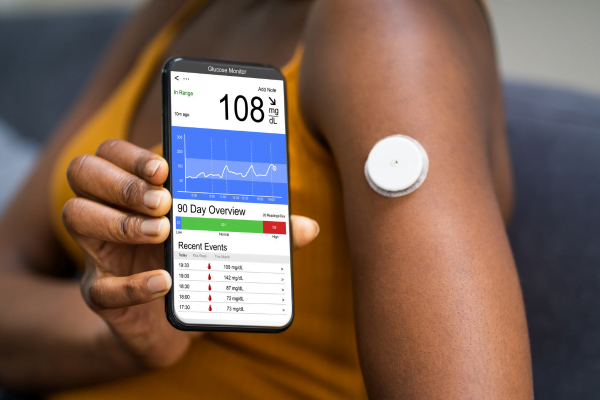
Sensor-based systems add context between fingersticks. A cgm device samples interstitial glucose every few minutes, shows trend arrows, and can alert for urgent highs or lows. Some use a wearable glucose monitor with a small glucose monitor patch. For overview and regulatory basics, the FDA explains continuous glucose monitoring systems and how they are cleared for home use. If you still use fingersticks, a gentler lancet can help; see Delica Lancing Device for safer fingerstick technique.
Targets and Ranges Across Adulthood
Clear targets reduce guesswork and help you read patterns consistently. Many adults with diabetes aim for pre-meal values near 80–130 mg/dL (4.4–7.2 mmol/L) and peaks under 180 mg/dL (10.0 mmol/L) about two hours after eating. Non‑diabetic fasting usually runs 70–99 mg/dL (3.9–5.5 mmol/L). Always individualize goals if you are older, live alone, or have conditions that raise hypoglycemia risk.
Use a normal blood sugar levels chart as a reference, not a rigid rule. Targets for older adults may be slightly higher to reduce hypoglycemia risk. Discuss whether simplified ranges fit your daily routine. Evidence-based targets are summarized in the ADA Standards of Care, which clinicians use to tailor treatment plans.
| Context | Typical Range (mg/dL) | Notes |
|---|---|---|
| Fasting (non‑diabetic) | 70–99 | General population; varies by lab |
| Pre‑meal (adults with diabetes) | 80–130 | Individualize by risk and age |
| 2‑hour post‑meal (adults with diabetes) | <180 | Peak values; meal‑dependent |
Note: The capillary blood glucose normal range is a guide. People aged 50 to 60 often use similar targets, but clinicians may ease thresholds to prevent lows. If you track a chart by age, treat it as a conversation starter, not a fixed prescription.
Interpreting Targets in Context
Glucose targets work best when paired with trends, symptoms, and A1C (a long‑term average). A time‑in‑range summary from a sensor can reveal whether you spend most of your day within agreed targets. If values are near‑normal at fasting yet high after dinner, your plan may need adjustments around that meal. If you routinely exercise in the evening, lower overnight readings may follow. Use notes about meals, physical activity, sleep, and illness to explain outliers. Over time, small, consistent changes typically produce steadier results than large, frequent swings.
When to Check and What Patterns Mean
Timing matters. Many people check fasting in the morning, before key meals, and about two hours after larger meals. Add checks before driving if you have a history of lows. The best time to check blood sugar type 2 diabetes is when readings inform decisions, such as adjusting carbohydrate portions, planning exercise, or discussing medication changes with your clinician.
Morning readings can reflect dawn phenomenon. Post‑meal checks show how specific foods affect peaks. Try measuring before and two hours after your largest daily meal for a week, then compare patterns. If you exercise, consider checking before and several hours after activity. Trend arrows from sensors can help you anticipate the next change, especially if meals and insulin peak together.
Understanding Dangerous Highs and Lows
Know your urgent numbers and what to do next. Ask your clinician how your plan addresses severe hypoglycemia (for example, below 54 mg/dL or 3.0 mmol/L) and when to use rescue carbohydrates or glucagon. For persistent hyperglycemia with nausea, vomiting, or rapid breathing, assess ketones if advised.
Families often ask what level of blood sugar is dangerous. Extremely low values can cause confusion, seizures, or loss of consciousness. Very high readings, especially with dehydration or illness, can lead to diabetic ketoacidosis or hyperosmolar states. The ADA’s clinical guidance outlines thresholds and emphasizes individualized action plans. If you encounter unexpected swings, confirm with a second method and seek clinical advice.
Home Testing: From Fingersticks to Wearables
Meters remain simple and reliable for daily use. A blood glucose monitor kit generally includes a meter, compatible test strips, control solution, and a lancing device. Keep meters clean, store strips dry, and log readings with context like meals or exercise. If strips are exposed to heat or humidity, discard them.
Many adults prefer a blood sugar monitor without finger pricks for comfort and trend alerts. These sensors read interstitial fluid and may lag during rapid changes, so confirm critical symptoms with a fingerstick when directed. Some systems are factory‑calibrated; others may require periodic fingersticks. For eye‑health considerations tied to glucose stability, see Promote Eye Health for context on protecting vision during long‑term management.
Data, Apps, and Connectivity
Apps can help you see patterns across days and weeks. Many meters and sensors sync to smartphones so you can check blood sugar with phone notifications and trend views. Share reports with your care team to discuss time in range, variability, and hypoglycemia exposure.
Device ecosystems vary. Some pair with smartwatches, while others export PDFs or spreadsheets. If you are exploring digital tools, see Digital Health Solutions for how connected tools support diabetes self‑management. Emotional health also shapes routines; for support around stress and adherence, see Diabetes and Mental Health for context on coping strategies.
Laboratory Confirmation and Special Tests
Home readings guide daily decisions, but labs confirm diagnoses and trends. Clinicians use laboratory methods for glucose testing to diagnose diabetes, assess control, and rule out interferences. Common options include fasting plasma glucose, A1C, oral glucose tolerance testing, and occasional venous sampling to confirm unusual patterns from home devices.
Each test answers a different question. A1C estimates average glucose over about three months and helps assess long‑term risk. The NIDDK overview of the A1C test explains how it is used in diagnosis and monitoring. Random tests can help during illness or symptoms; discuss which approach fits your situation, including any conditions that may affect accuracy.
Building a Personal Monitoring Plan
Consistency beats intensity. Decide how often to check, where to store supplies, and how to act on results. Some people keep a blood glucose monitoring chart that lists times of day, context, and notes about meals or exercise. This makes patterns easier to spot during clinical visits.
Adjustments should reflect lifestyle, safety, and preferences. If you are in the 50 to 60 age range, goals may prioritize avoiding lows while maintaining reasonable control. Consider whether simpler targets reduce burden. For broader education across topics, browse our Diabetes Articles to deepen general knowledge, and see Diabetic Foot Ulcers or Diabetes and Cancer Risk for context on complications and long‑term risk awareness.
Recap
Daily monitoring translates data into steady routines. Choose a method you can sustain, time your checks around meaningful decisions, and use targets as flexible guides. Confirm outliers with a second method when needed.
Share summaries with your clinician and refine your plan over time. Reliable habits and clear thresholds help you avoid emergencies and focus on living well with diabetes.
Tip: When switching devices, overlap methods briefly. Compare readings in stable conditions to learn each tool’s behavior.
This content is for informational purposes only and is not a substitute for professional medical advice.


