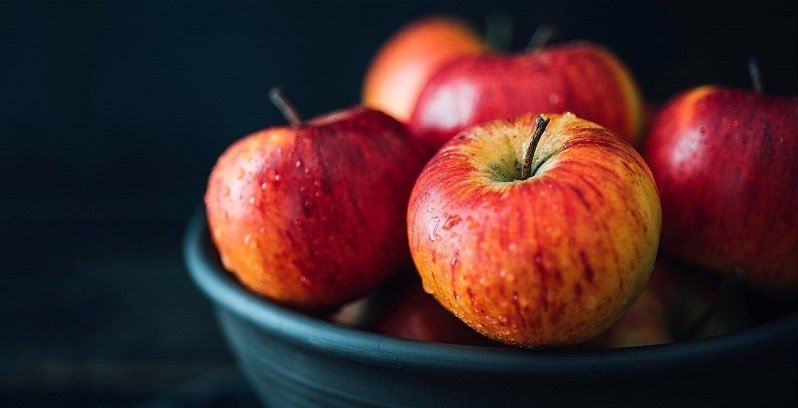
Many people ask how apples and diabetes fit together in a daily plan. Apples can support glucose management when you match portions, timing, and pairings. This guide explains how apples affect digestion, what serving sizes look like, and when apple juice may be useful for lows.
Key Takeaways
- Moderate fiber slows glucose rise after eating apples.
- Portion size and meal pairing matter more than variety.
- Juice acts faster than whole fruit but spikes more.
- Check labels and track grams of carbohydrate per serving.
- Use glucose targets to adjust timing and frequency.
Apples and Diabetes: Nutrient Profile and Glycemic Impact
An average medium apple contains roughly 25 grams of carbohydrate, including natural sugars and several grams of soluble fiber (viscous fiber). Soluble fiber slows gastric emptying, which can moderate post-meal glycemia. Apples also contain polyphenols, such as quercetin, that may support vascular health. Together, these features help temper the glucose effect compared with many refined snacks.
Glycemic index (GI) values for whole apples generally sit in a low-to-moderate range. However, GI is only one factor. Ripeness, cooking, chewing thoroughness, and what else you eat change absorption. For a refresher on how GI is measured and interpreted, see Glycemic Index for context on GI testing and its limits. Real-world glucose responses vary, so reviewing your meter or CGM patterns remains essential.
Key Nutrients in an Apple
Whole apples provide water, carbohydrates, and small amounts of vitamin C and potassium. The peel adds extra fiber and phytochemicals. From a clinical perspective, soluble fiber (a gel-forming fiber) is the standout because it slows carbohydrate absorption, which can blunt postprandial spikes. Practically, that means a small apple with protein or fat—like peanut butter or cheese—often produces a gentler curve on CGM compared with a large apple eaten alone. For a broader overview of fruit’s place in diabetes eating plans, see Fruit Benefits For Diabetes to compare servings and seasonal picks.
For general carbohydrate-counting principles and how fibers are factored, the NIDDK overview provides clear guidance on counting carbs and fiber. Use that framework to translate apple sizes into practical carb counts aligned with your targets.
How Apples Affect Blood Sugar in Real Life
Whole apples digest more slowly than crackers or sweetened snacks due to their fiber and structure. The impact on blood sugar levels depends on fruit size, your pre-meal glucose, and whether you combine the apple with protein or fat. Many people see a gradual rise within one to two hours rather than a quick jump at 30 minutes.
Context matters. A small apple paired with Greek yogurt may fit a mid-morning snack. The same apple after a high-carbohydrate lunch may push glucose higher than intended. If you titrate insulin, your clinician may guide you to consider fiber and timing. For comparisons to other fruits with modest glycemic impact, see Low GI Fruits for alternatives that similarly digest gradually.
Research also examines plant compounds in fruit. To learn how flavonoids may influence glucose handling, see Polyphenols And Diabetes for a summary of emerging evidence and practical implications.
Portion Guidance and Daily Intake
Portion control does most of the work here. A small to medium apple typically fits into a snack or meal carb budget. Track grams of carbohydrate and match portions to your personal targets. Keep a consistent size from day to day so you can compare readings reliably and spot patterns.
People often ask, how many apples can a diabetic eat per day. There isn’t a one-size answer. One small apple may suit a small snack. Larger bodies, higher activity, or insulin use may allow more flexibility. Your glucose data should guide your ceiling. For meal-building frameworks that help set portions, see Diabetes Diet for plate models and carb distribution tips.
Tip: If you use mealtime insulin, note the apple’s carb grams and fiber. For mealtime insulin examples and timing differences, see Novorapid Cartridge to understand how rapid insulins align with faster carbs.
Types and Preparation: Green vs Red, Skin, and Cooking
Variety influences taste and texture more than glucose effects. Tart types are often perceived as less sweet, yet total carbohydrates remain similar by weight. Leaving the peel on increases fiber per bite. Baking or making compote softens fiber structure, so glucose may rise sooner than with the same fruit raw.
Many readers look up green apple benefits for diabetes. Green varieties can feel crisper and more tart, which may encourage slower eating and better fullness. Red types can be slightly higher in certain antioxidants, though differences are small. Choose the apple you enjoy, keep portions steady, and pair with protein for a smoother curve. To contrast fruit choices that may cause higher spikes, see Fruits To Avoid for examples and practical substitutes.
On phytochemicals, quercetin is frequently discussed. To explore quercetin’s interaction with metformin and potential mechanisms, see Quercetin And Metformin for a deeper look at flavonoids and medication.
Juice, Smoothies, and Sauces
Processing changes how quickly sugars hit the bloodstream. Blended smoothies keep fiber, but the fiber is disrupted, so absorption speeds up. Applesauce varies widely; unsweetened versions digest slower than sweetened varieties. Juice removes most fiber entirely and raises glucose comparatively fast.
If you rely on GI estimates, note that apple juice glycemic index values appear higher than whole apples. Label-reading helps because brands and added sugars vary. For a general public health perspective on sugary beverages and glucose, see the CDC’s guidance on drinks and added sugars, then compare your CGM data to confirm your individual response. For snack planning and aisle strategies, see Healthy Snacking For Diabetes for label reading and swaps.
When to Use Apples for Lows — Hypoglycemia Safety
Whole apples are not ideal for treating urgent lows because they digest slowly. Juice acts faster. Clinically, a rapidly absorbed carbohydrate is preferred for hypoglycemia (low blood glucose). Consider timing, symptoms, and your setting. Keep a fast carb source on hand during exercise or if your mealtime insulin outlasts your meal.
People often ask how quickly does apple juice raise blood sugar. It can vary by brand and stomach contents, but most people see a prompt rise compared with whole fruit. The American Diabetes Association explains the 15-15 approach for treating lows; see their guidance on low blood glucose for steps and cautionary notes. Confirm correction with a meter or CGM and repeat only if still low after 15 minutes.
Red Flags and When to Seek Care
Know the signs of hypoglycemia and hyperglycemia so you can respond promptly. Shakiness, sweating, and confusion suggest a low. Increased thirst, frequent urination, and fatigue point toward high glucose. Severe symptoms, persistent vomiting, or ketone presence warrant urgent evaluation. Keep your treatment plan and emergency contacts accessible.
Frequent spikes after fruit may signal a mismatch between carbohydrate intake and medication or activity. Review your patterns with a clinician or dietitian. If you use metformin, background information on its role in insulin sensitivity can be helpful; see Glumetza to understand extended-release metformin options in therapy context. Bring logs, typical servings, and timing notes to your appointment for targeted adjustments.
Smart Pairings and Meal Ideas
Combining apples with protein or fat can smooth absorption. Try slices with peanut butter, cottage cheese, or a handful of nuts. Add small apple cubes to a salad with chicken and olive oil. Each of these pairings tends to reduce the immediate glucose rise compared with fruit alone.
Concerned and wondering, does apple spike blood sugar? A spike is less likely when you choose a small apple, include the peel, and pair it with protein. Check your own data to confirm. For more structured fruit planning within meals, see Fruit Benefits For Diabetes for serving sizes and timing ideas. For broader snack frameworks, see Healthy Snacking For Diabetes to apply label shortcuts quickly.
Curious about building menus across a week? The category index groups relevant posts by topic; browse Diabetes Articles to compare strategies for breakfast, snacks, and exercise days.
Related Reading and Tools
Use curated resources to refine your approach. For GI-led choices in a broader context, see Glycemic Index for method details and limitations. If you prefer a low-GI fruit rotation, see Low GI Fruits to expand your list. If you are revisiting fruit within your overall plan, scan the Diabetes Diet guide to align servings with activity.
For additional nuance on plant compounds possibly relevant to glucose handling, see Polyphenols And Diabetes for evidence summaries. When comparing apple ideas with other produce, you can explore Fruit Benefits For Diabetes to identify swaps that fit your targets.
From a beverage perspective, the CDC’s overview of drinks and added sugars offers a useful baseline when evaluating juices and sweetened options. Use those points alongside your meter or CGM to tailor choices.
Recap
Apples can fit into a diabetes-friendly plan with thoughtful portions and pairings. Whole fruit digests slower than juice due to fiber, which helps moderate glucose rises. Match serving size to your goals, check your data, and adjust timing based on activity. When used wisely, apples provide variety, nutrients, and enjoyable texture without derailing control.
Note: If you change medications or have frequent highs or lows, review your data with a qualified professional before making dietary adjustments.
This content is for informational purposes only and is not a substitute for professional medical advice.