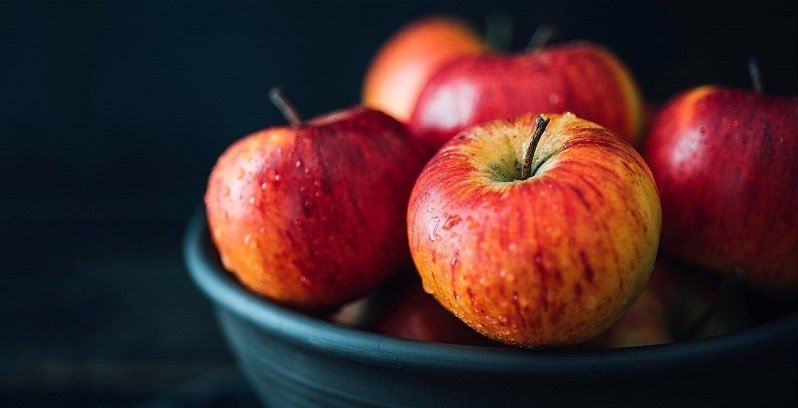
People with diabetes can usually eat whole apples. The key is portion size, what else you eat with them, and how your own glucose responds. Apples and diabetes is not a yes-or-no issue because the fruit contains natural sugar, water, fiber, and plant compounds in the same package. That mix usually affects blood sugar differently than juice, candy, or sweetened desserts. Still, an apple counts as carbohydrate, so it should fit your meal plan rather than sit outside it.
For broader condition education, the Diabetes category collects related glucose and treatment topics.
Key Takeaways
- Whole fruit matters: The peel and flesh provide fiber, which can slow digestion.
- Portion still counts: Apples contain carbohydrate and can raise blood sugar.
- Color is secondary: Green and red varieties can both fit a diabetes meal plan.
- Juice is different: Liquid fruit usually affects glucose faster than whole fruit.
- Personal readings help: Your meter or CGM can show your individual response.
Apples and Diabetes: The Blood Sugar Basics
Whole apples can raise blood sugar, but they often do so more gradually than low-fiber sweets or fruit juice. This is because the fruit contains fiber, water, and intact plant structure. Those features slow chewing, stomach emptying, and carbohydrate absorption for many people.
A medium raw apple contains carbohydrate, natural sugar, and several grams of fiber. The exact amount varies by size and variety. This is why an apple sugar content chart can be useful, but only if it also shows serving size. A small fruit, a large fruit, and a packed cup of sliced fruit are not the same carbohydrate portion.
The glycemic index, or GI, ranks how quickly carbohydrate-containing foods raise blood glucose compared with a reference food. Apples are generally considered a lower-GI fruit. Glycemic load, or GL, also considers the amount of carbohydrate in a usual serving. These tools can guide choices, but they do not replace your own glucose data.
Why it matters: Two people can eat the same fruit and see different readings.
The practical goal with apples and diabetes is not to avoid fruit automatically. It is to choose a portion that fits your meal, medication plan, activity level, and glucose pattern.
How Many Apples Fit Into a Day?
There is no single daily apple limit for everyone with diabetes. A person using fixed carbohydrate targets may count fruit differently than someone using a plate method. A person taking insulin may also plan fruit around insulin timing, while someone not using glucose-lowering medication may focus more on overall meal balance.
Many people can fit one small or medium whole fruit into a day when it replaces another carbohydrate food. Others may prefer half an apple at a time, especially if they see a higher rise after fruit snacks. If you use carbohydrate counting, include the fruit in your total rather than treating it as free food.
The calculator below can help convert total carbohydrate into carb servings. It is a general math aid, not a medical target or treatment plan.
Carb Serving Calculator
Convert total carbohydrate grams into carb choices for meal planning and diabetes education.
These calculations are for education only and do not replace clinical advice, diagnosis, or treatment. Always confirm medical decisions with a qualified healthcare professional.
Use the result as a conversation starter with your clinician or registered dietitian. This matters if you have repeated highs or lows, kidney disease, gastroparesis, pregnancy, or a history of disordered eating.
Green, Red, Sweet, or Tart: Which Apple Is Better?
No apple color is automatically best for diabetes. Green varieties may taste less sweet, while red varieties may taste sweeter, but size and total carbohydrate matter more than color alone. A large tart apple can still contain more carbohydrate than a small sweet one.
Searches about the best apples for diabetes often focus on Granny Smith, Honeycrisp, Gala, Fuji, or Red Delicious. The more useful question is how the fruit is eaten. Whole fruit with the peel usually offers more fiber than peeled fruit, applesauce, or juice. That fiber helps explain why the whole form tends to be more glucose-friendly.
Use these simple factors when choosing fruit:
- Size: Smaller fruit usually provides less carbohydrate.
- Form: Whole fruit is usually more filling than juice.
- Peel: Leaving it on adds fiber if you tolerate it.
- Ripeness: Very ripe fruit may taste sweeter and digest differently.
- Meal context: Protein, fat, and vegetables can change the glucose curve.
If you enjoy green fruit, it can be part of your plan. If you prefer red fruit, that can also work. The best choice is usually the one you can portion consistently and enjoy without feeling restricted.
Timing Apples Around Meals, Night Snacks, and Activity
People with diabetes can sometimes eat apples at night, but bedtime timing depends on glucose readings, medication, and the rest of the meal pattern. A planned snack is different from grazing while already above target. If bedtime readings often run high or low, ask your care team how to handle evening carbohydrates.
Eating fruit with a meal may produce a different glucose response than eating it alone. A balanced meal with protein, non-starchy vegetables, and healthy fats can slow digestion. Some people also find that fruit after a walk affects them differently than fruit while sitting for several hours.
Example: A person who sees a sharp rise after a large afternoon fruit snack might test a smaller portion with lunch instead. Another person may do well with slices paired with plain yogurt or nut butter. These examples are not prescriptions. They show how timing and food pairing can change the pattern.
Apples and diabetes also raises a safety issue for people at risk of hypoglycemia, or low blood sugar. If your clinician has given you a low-glucose treatment plan, follow that plan. Whole fruit digests more slowly than fast-acting carbohydrate sources often used for lows.
Whole Fruit, Juice, Applesauce, and Other Fruit Choices
Fruit form changes how quickly carbohydrate reaches the bloodstream. Whole fruit requires chewing and contains intact fiber. Juice removes much of that structure. Dried fruit concentrates carbohydrate into a smaller volume, which makes portions easier to underestimate.
| Fruit Choice | Blood Sugar Consideration | Practical Option |
|---|---|---|
| Whole apple with peel | Provides fiber and takes longer to eat | Choose a smaller fruit if you need a lower portion |
| Apple slices with a meal | May digest more gradually with protein and vegetables | Count the fruit within the meal carbohydrate total |
| Unsweetened applesauce | Less chewing and sometimes less fiber | Check the label and portion size |
| Apple juice | Liquid carbohydrate can raise glucose quickly | Use only as directed for specific needs, such as low treatment plans |
| Dried apples | Carbohydrate is concentrated into small portions | Measure portions rather than eating from the bag |
| Canned fruit in syrup | Added sugar can increase total carbohydrate | Look for fruit packed in water when available |
Lists of the five worst fruits for diabetes can be misleading. Most whole fruits can fit in a diabetes eating pattern when portions are planned. The higher-impact choices are usually fruit juices, sweetened canned fruit, oversized smoothies, large dried-fruit portions, and fruit desserts with added sugar.
Apples and oranges are both common choices. Oranges provide vitamin C and fiber when eaten whole, while apples provide fiber and a portable snack option. Neither is universally better. The better choice is the portion and form that works with your glucose readings and meal plan.
Other fruits often used in diabetes meal planning include berries, pears, citrus, peaches, plums, and kiwi. Bananas, grapes, mango, and pineapple can also fit for some people, but portions may need closer attention because they are easy to overeat or serve in large amounts.
A Practical Plate Approach for Fruit and Glucose
A glucose-aware fruit habit starts with the full plate, not the fruit alone. Pair fruit with a meal that includes vegetables, protein, and a measured amount of starch when that fits your plan. This approach can make the glucose response easier to interpret.
Try a simple review process rather than strict food rules:
- Pick one variable: Change portion, timing, or pairing, not all three.
- Check your pattern: Compare similar meals across several days.
- Read labels: Watch total carbohydrate, not only sugar.
- Measure once: Learn what your usual serving looks like.
- Stay flexible: Adjust with your care team when readings shift.
For broader lifestyle context, Improving Insulin Sensitivity explains why movement, sleep, and meal quality can affect glucose patterns. These habits do not make fruit unlimited, but they can influence how your body handles carbohydrate.
If weight change, waist size, blood pressure, triglycerides, and glucose are all concerns, the relationship can be more complex. The article on Metabolic Syndrome explains how several risk factors can overlap. A separate piece on Insulin Resistance And Weight Gain may also help connect appetite, glucose, and body-weight patterns.
Medication, Monitoring, and Special Situations
Diabetes medication can change how carefully you need to plan fruit. Insulin and sulfonylureas can increase the risk of low blood sugar. Other medicines may affect appetite, digestion, or weight. Do not change medication doses because of fruit intake unless your prescriber tells you to do so.
People using incretin-based medicines may notice changes in appetite, fullness, or nausea. If that affects your food intake, ask your care team how to maintain enough nutrition while keeping glucose goals in view. For background on this medication class, see GLP-1 Explained.
Monitoring can help you learn whether a whole fruit portion works for you. Some people use finger-stick readings before and after meals. Others use continuous glucose monitoring, or CGM, which tracks glucose trends through the day. One reading is not enough to judge a food permanently, but repeated patterns can be useful.
Seek personalized guidance if fruit intake triggers repeated high readings, frequent lows, stomach symptoms, or anxiety around eating. This is especially important during pregnancy, during kidney disease management, after major medication changes, or when using insulin. People managing type 2 diabetes can also browse the Type 2 Diabetes category for related education.
When Apples May Need Extra Caution
Whole apples are nutritious, but they are not ideal in every situation. Someone with gastroparesis, which is delayed stomach emptying, may tolerate fruit differently. Someone with chewing or swallowing problems may need texture changes. Someone following a kidney-focused meal plan may need individualized fruit guidance.
Food allergies are uncommon but possible. Oral allergy syndrome can cause itching or tingling in the mouth after raw fruits in some people with pollen allergies. Cooking may change tolerance for some people, but allergy concerns should be discussed with a clinician.
Also be cautious with fruit-based desserts. Apple pie, caramel apples, sweetened crisps, pastries, and sweetened beverages are not nutritionally the same as a whole fruit. They often combine refined starch, added sugar, and fat in ways that make portions harder to estimate.
Quick tip: If a fruit choice has added sugar, compare total carbohydrate per serving.
Authoritative Sources
These sources support the nutrition and glucose concepts discussed above:
- The American Diabetes Association explains carbohydrate counting and blood glucose.
- Diabetes Canada describes glycemic index and practical food choices.
- USDA FoodData Central provides nutrient data for raw apples.
Apples and diabetes can work together when fruit is treated as a carbohydrate-containing food, not a free food. Choose whole fruit most often, keep portions realistic, and use your readings to learn your pattern. If your glucose results are unpredictable, a clinician or registered dietitian can help adjust your plan safely.
This content is for informational purposes only and is not a substitute for professional medical advice.