
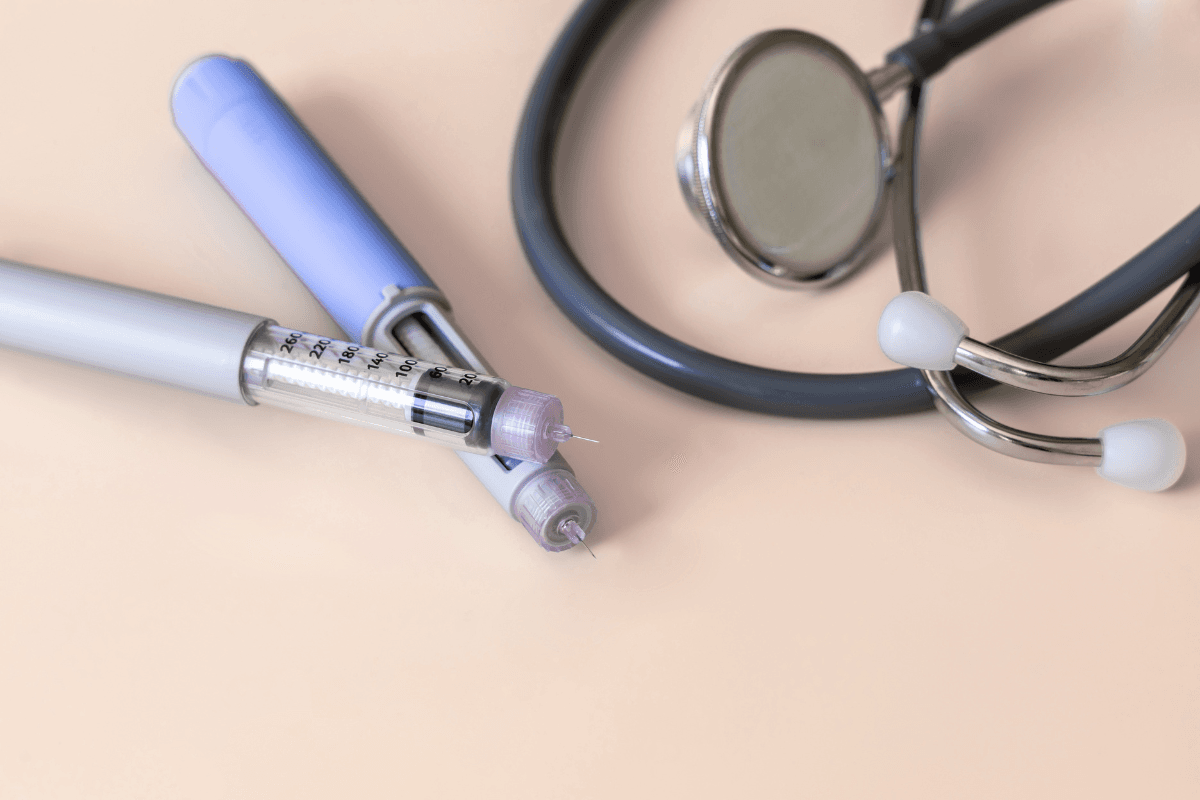
Making smart food choices can reduce side effects and support results. Understanding Ozempic Foods to Avoid helps you feel better and stay consistent with treatment. This guide explains what to limit, what to eat more often, and how to handle drinks and caffeine.
Key Takeaways
- Lower-fat meals help reduce nausea and reflux.
- Large, high-fiber portions may worsen early GI symptoms.
- Carbonation, alcohol, and spicy foods can trigger discomfort.
- Hydration, protein at meals, and small portions support tolerability.
Why Food Choices Matter With Ozempic
Semaglutide is a GLP-1 receptor agonist that slows gastric emptying and can reduce appetite. These effects may increase fullness, nausea, or bloating, especially during dose changes. Choosing gentler foods can lower symptom burden and help you stay on therapy. It also supports steady glucose levels and more predictable energy.
Clinical guidance highlights GI effects as common with this class. For a detailed overview of indications, warnings, and adverse reactions, see the FDA prescribing information (FDA prescribing information). For a structured approach to meals while using a GLP-1, review the Ozempic Diet Plan article for practical strategies and swaps (Ozempic Diet Plan). You can also explore broader nutrition topics for people with type 2 diabetes to place these tips in context (Type 2 Diabetes).
Ozempic Foods to Avoid
Some foods are more likely to worsen gastrointestinal (GI) symptoms early in treatment or during dose escalations. You may not need to avoid them forever. Start by limiting these items, then reintroduce in small portions if symptoms improve.
- Greasy, fried foods: fried chicken, fries, tempura, and heavy takeout.
- High-fat meats and rich sauces: bacon, sausage, cream-based dishes, and alfredo.
- Large raw salads or dense roughage when titrating: raw crucifers, bran cereal heaps.
- Very spicy meals if you get reflux or burning.
- Sugary drinks and desserts that spike glucose and appetite.
- Carbonated beverages if you notice pressure or bloating.
- Alcohol beyond light intake, especially on an empty stomach.
Because GLP-1 therapy slows gastric emptying, some people are sensitive to big, heavy, or high-fiber meals at first. If fullness, nausea, or reflux persist or worsen, read about symptoms and risk factors related to slowed stomach emptying for additional context (Ozempic and Gastroparesis).
What to Eat for Tolerability and Blood Sugar
Gentler choices can reduce GI stress while supporting glucose control. Aim for smaller portions, steady protein, and moderate fiber from cooked sources. Include 20–30 grams of protein at meals, like eggs, Greek yogurt, tofu, fish, or poultry. Favor cooked vegetables, peeled fruits, and whole grains in modest portions.
If you want a simple starting script, use balanced plates with half non-starchy vegetables, a quarter lean protein, and a quarter whole grains or starch. Include a little healthy fat, like olive oil or avocado, without overdoing it. This approach aligns with what to eat while taking ozempic for weight loss, especially during early dose phases. For device and dose form basics, see the product page overview (Ozempic Semaglutide Pens).
Managing Nausea, Bloating, and Hydration
Most GI symptoms are temporary and manageable with simple adjustments. Start with smaller, more frequent meals and slow eating. Choose bland, lower-fat options like toast, rice, bananas, applesauce, eggs, baked potatoes, and broth-based soups. Ginger tea, ginger chews, or peppermint may help some people.
If you struggle with nausea, prioritize hydration with water, diluted sports drinks, or oral rehydration solutions. Chilled fluids and ice chips may be gentler than warm drinks. Consider timing meals away from your dose if you notice patterns. For more targeted options, focus on what to eat on ozempic to avoid nausea and keep a short symptom diary. For general nutrition principles in diabetes, see ADA nutrition guidance (ADA nutrition guidance).
Tip: If smells trigger nausea, eat foods cold or room temperature to reduce aromas.
Caffeine and Hot Beverages
Many people tolerate coffee or tea, but some notice more reflux or queasiness with caffeine. Try smaller servings, lower acidity roasts, milk alternatives, or decaf. Avoid very hot liquids if they aggravate heartburn. Additions like heavy cream or large amounts of sweeteners can also worsen symptoms.
People sensitive to sleep changes can test earlier timing for their coffee. If you notice sleep disruption, review stimulant timing and night symptoms in this article for context (Ozempic Cause Insomnia). If you continue to feel shaky or nauseated, consider reducing ozempic and coffee at the same meal and reassess.
Carbonation and Sweeteners
Carbonated drinks can trap gas and increase bloating when gastric emptying is slower. If this applies to you, sip flat water, still mineral water, or diluted juices instead. Artificial sweeteners may also cause GI upset in some people. Trial smaller amounts and choose options you tolerate.
Diet sodas can be a stepping stone away from sugary beverages. However, if gas, cramping, or reflux flare, reassess your choice and portion size. People who remain sensitive can pause ozempic and diet soda for a week and reintroduce slowly. For broader weight-management context with incretin therapies, see this overview of alternative agents and cardiometabolic effects (Mounjaro Heart Benefits).
Sample 7-Day Meal Framework
Think of this as a flexible template rather than a strict plan. Keep portions small-to-moderate, include protein at each meal, and select cooked or easier-to-digest vegetables. Rotate grains and proteins to keep meals interesting and nutritionally complete. If you tolerate raw produce well, gradually increase portions.
Here is a simple daily pattern that aligns with a 7-day ozempic meal plan: Breakfast: Greek yogurt with berries and oats. Lunch: Turkey, avocado, and cucumber on whole-grain bread. Snack: Banana with peanut butter. Dinner: Baked salmon, quinoa, sautéed zucchini. Dessert: Berries or a small yogurt. For additional strategies and plate examples, see this practical piece on behavior and meal structure (Diet and Weight Loss in the Age of GLP-1 Medications).
Note: If mornings are queasy, start with dry crackers, then add protein later.
When to Seek Medical Advice and Drug Interactions
Common ozempic side effects include nausea, vomiting, diarrhea, and constipation. Severe or persistent symptoms, signs of dehydration, ongoing abdominal pain, or suspected gallbladder issues warrant medical attention. People with known or suspected delayed gastric emptying should review risks with their clinician. Review official labeling for warnings and when to contact a professional (FDA prescribing information).
Discuss other medicines that slow the gut or irritate the stomach, including opioids, anticholinergics, and NSAIDs. Share any supplements, especially fiber powders, magnesium, or herbal laxatives. For longer-term considerations, see guidance on duration and adjustments during plateaus (How Long Can You Take Ozempic) and strategies to reduce regain risk after dose changes (Ozempic Rebound). If oral semaglutide is being considered in place of injections, compare formulation considerations here (Rybelsus Semaglutide Pills).
Recap
Gentle, lower-fat meals and smaller portions often reduce GI symptoms. Limit heavy, greasy foods, large raw salads during titration, and gassy drinks if they bother you. Adjust caffeine, carbonation, and sweeteners to your tolerance, and reintroduce cautiously as symptoms improve.
This content is for informational purposes only and is not a substitute for professional medical advice.


