
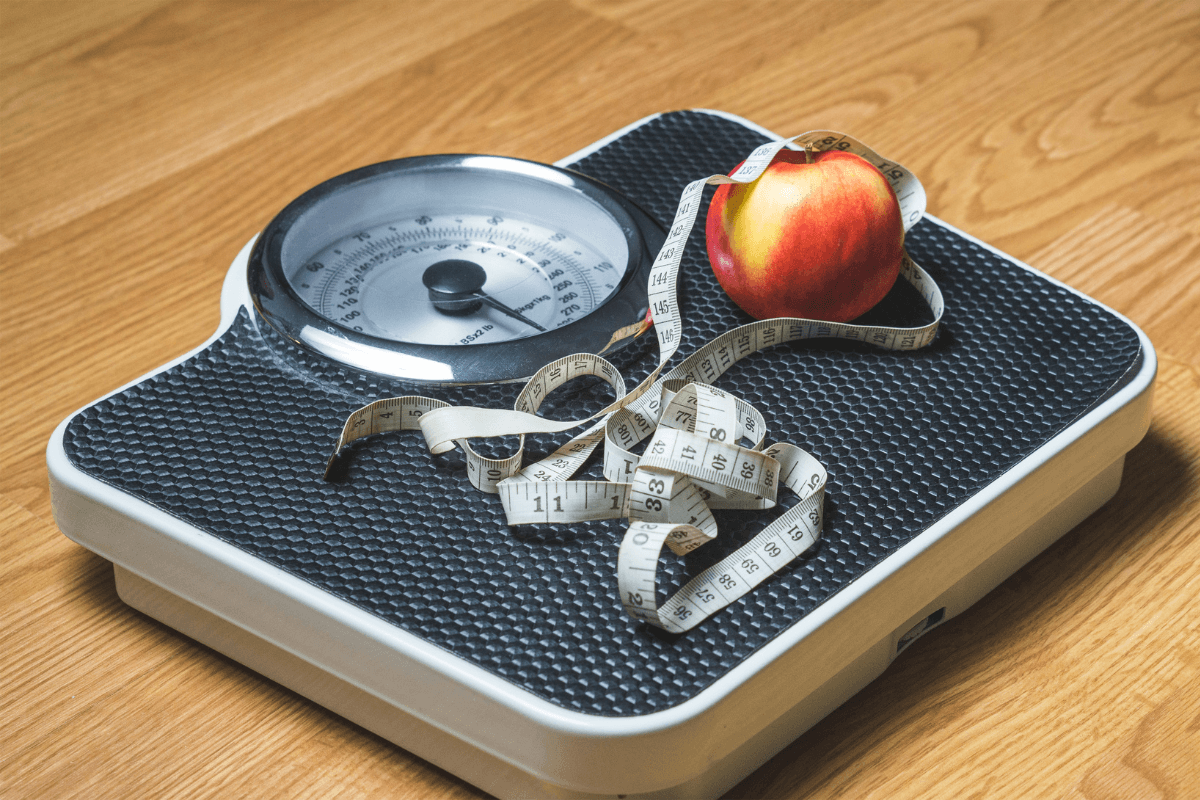
A thoughtful Ozempic diet plan can help you feel better while supporting healthy weight changes. Semaglutide (GLP-1 receptor agonist) slows gastric emptying and reduces appetite, which changes how and when you feel hungry. Aligning meals, hydration, and fiber with these effects helps you eat comfortably and consistently. This guide focuses on practical food choices, gentle scheduling, and simple planning tools.
Key Takeaways
- Protein at each meal supports fullness and lean mass.
- Slowly increase fiber and fluids to ease digestion.
- Small, frequent meals may reduce queasiness and reflux.
- Track energy, appetite, and waist size to adjust plans.
- Use flexible templates; avoid strict, one-size-fits-all rules.
Ozempic diet plan: Core Principles
Semaglutide may reduce appetite and slow stomach emptying, which can increase early fullness. To match these changes, prioritize protein (20–35 grams) and high-fiber carbohydrates at most meals. Choose lean meats, fish, eggs, Greek yogurt, legumes, whole grains, vegetables, and fruit. Add healthy fats like olive oil, avocado, nuts, and seeds for staying power without excess volume.
Increase fiber gradually to limit bloating and gas, and drink water throughout the day. Some people do better with three smaller meals and one or two mini-snacks. Gentle movement after eating, such as a 10–15 minute walk, may also help comfort. For context on common gastrointestinal effects, see the FDA label for Ozempic (Ozempic prescribing information).
What To Eat While Taking Ozempic
If you wonder what to eat while taking ozempic for weight loss, start with foods that deliver nutrition without heavy volume. Build plates with a palm-sized protein, a fist of fibrous vegetables, and a cupped-hand portion of whole grains or beans. Add one thumb of oil or a small portion of nuts for flavor and satiety.
On light appetite days, blend smoother textures like Greek yogurt, soft fruit, oatmeal, or lentil soups. On normal appetite days, include hearty salads, roasted vegetables, and intact grains. For ongoing strategy ideas across GLP-1 therapies, see Diet and Weight Loss for broader context on eating patterns.
Foods to Limit and Nausea Triggers
Common triggers include very large meals, high-fat fried foods, and ultra-spicy dishes. Carbonated beverages, alcohol, and rich desserts may worsen reflux or bloating in some people. Limit these while you learn your tolerance. For specific food cautions, see Ozempic Foods to Avoid for food-by-food guidance.
Focus on simpler cooking methods like baking, grilling, poaching, and steaming. Slow down while eating and stop at the first sign of comfortable fullness. If you need structured guidance on meal composition, the American Diabetes Association offers balanced nutrition principles; review their current nutrition guidance for evidence-based patterns. If you prefer checklists, keep a personal list of foods to avoid while taking ozempic based on your own reactions.
Managing Nausea and Digestive Upset
Small, frequent meals, sips of water, and simple starches (plain toast, rice, bananas) can support ozempic nausea relief. Ginger tea or ginger chews may help some people. Avoid lying down immediately after eating, and try a short walk to aid comfort. If your appetite is low, choose nutrient-dense liquids like kefir, protein smoothies, or blended lentil soups.
Speak with your healthcare professional if symptoms persist or worsen. They may adjust timing or discuss antiemetics where appropriate. Dose schedules, hydration, and eating rhythm can affect tolerability over time. For duration considerations tied to tolerability and outcomes, see How Long You Can Take Ozempic for a balanced overview.
7-Day Meal Plan Overview
Use this 7-day ozempic meal plan as a flexible template, not a rigid rule. Adjust portions to appetite, and swap items within categories. If a meal feels too large, split it into two smaller sittings. Choose cooked vegetables over raw if you are sensitive to volume or roughage.
| Day | Breakfast | Lunch | Dinner | Snack |
|---|---|---|---|---|
| Mon | Greek yogurt, berries, chia | Chicken salad, quinoa, greens | Salmon, roasted carrots, farro | Apple + peanut butter |
| Tue | Oatmeal, flax, banana | Lentil soup, whole-grain toast | Turkey chili, brown rice | Cottage cheese + pineapple |
| Wed | Egg scramble, spinach, feta | Tuna salad, whole-grain crackers | Tofu stir-fry, broccoli, soba | Hummus + cucumber |
| Thu | Smoothie: kefir, berries, oats | Grilled chicken wrap, veggies | Lean steak, green beans, potatoes | Roasted chickpeas |
| Fri | Overnight oats, nuts | Black bean bowl, salsa, avocado | Baked cod, asparagus, couscous | Greek yogurt |
| Sat | Protein pancakes, berries | Egg salad, whole-grain bread | Turkey meatballs, zucchini noodles | Orange + almonds |
| Sun | Steel-cut oats, pear | Chicken veggie soup, crackers | Roast chicken, sweet potato, kale | String cheese |
Plan grocery lists around these staples, and prep proteins and grains in batches. Keep a backup shelf of gentle foods (low-fat yogurt, applesauce, broth) for low appetite days. For ongoing nutrition context and related conditions, explore Type 2 Diabetes Articles to understand broader metabolic factors.
Smart Beverages and Sweeteners
Many people tolerate still water, herbal teas, and diluted milk alternatives better than fizzy drinks. Carbonation can increase fullness and belching. If you choose diet beverages, sip slowly and monitor comfort. The topic of ozempic and diet soda depends on your sensitivity to carbonation and non-nutritive sweeteners.
Unsweetened options or lightly sweetened beverages may feel better during dose escalation. Sugar-free electrolyte packets can help maintain hydration when eating less. For alcohol guidance with GLP-1 medicines, see GLP-1 and Alcohol for context on safety and moderation. For broader dietary recommendations relevant to diabetes, the ADA offers up-to-date standards of care.
Track Results and Adjust Over Time
Use a simple log for symptoms, appetite, steps, and waist measurements. Reassess portions as hunger changes. Many people review progress around week six; organizing notes can clarify patterns. Templates can align with 6 week plan ozempic weight loss results you track at home.
When weight stabilizes, tighten habits gently rather than restricting hard. Add a serving of vegetables, swap a refined starch for a whole grain, or schedule a walk after dinner. For structured monitoring ideas, see 6-Week Plan Results for tracking methods, and read Prevent Weight Regain for maintenance strategies after early success.
Practical Tips: Meal Prep, Dining Out, Travel
Batch-cook proteins, roast mixed vegetables, and portion whole grains for quick assembly. Keep portable options—string cheese, almonds, whole fruit, or tuna pouches—on hand. When dining out, choose grilled or baked mains, request sauces on the side, and pause halfway to assess fullness. Many people find it easier to decide what i eat in a day on ozempic by rotating 2–3 breakfasts, 3–4 lunches, and 4–5 dinners.
Travel adds variables like timing and refrigeration. Carry shelf-stable staples and plan lighter restaurant meals. For dosing and food planning on the go, see Travel With Ozempic for practical steps. If comparing medication options for weight care, read Contrave vs. Wegovy to understand different mechanisms that may influence appetite and food choices.
Tip: Keep a personal “tolerance log” listing foods that sit well versus those that do not. Update it weekly and adjust meal prep accordingly.
Note: If you experience persistent vomiting, severe abdominal pain, or signs of dehydration, contact a healthcare professional promptly for evaluation.
For broader learning and connected topics, browse our Weight Management Articles for structured guides and practical checklists that complement this plan.
This content is for informational purposes only and is not a substitute for professional medical advice.


