
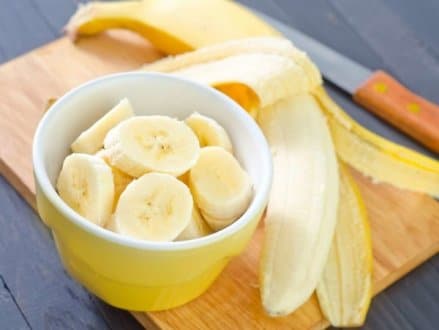
People often ask, can you eat bananas with diabetes. The short answer is yes, with planning and awareness. Bananas contain carbohydrate and natural sugars, but they also offer fiber, potassium, and other nutrients. The goal is fitting them into your meal plan without causing large glucose excursions. This guide explains portions, ripeness, timing, and pairing so you can make confident decisions.
Key Takeaways
- Portion awareness matters most, not total avoidance.
- Ripeness increases sugar and lowers resistant starch.
- Pair with protein or fat to blunt spikes.
- Monitor your own response with a meter or CGM.
The Science Behind Bananas and Blood Glucose
Bananas provide carbohydrates primarily as starch and natural sugars. A medium banana (about 7–8 inches) contains roughly 27 grams of total carbohydrate and around 3 grams of fiber, leaving about 24 grams of net carbs. The glycemic response varies with size, ripeness, and what else you eat at the same time. Glycemic index (GI) for bananas ranges from low‑to‑moderate, but glycemic load (GL) rises with larger portions.
Because glucose responses differ among individuals, the practical question is do bananas raise blood sugar. They can, especially in larger portions or when very ripe. Fiber and resistant starch reduce the impact, while blending or juicing can increase it. For nutrient specifics by size, see the U.S. Department of Agriculture’s FoodData Central, which reports detailed banana composition data (FoodData Central). For context on GI and GL interpretation, Harvard’s nutrition resource summarizes how these measures relate to post-meal responses (glycemic index guidance).
Can You Eat Bananas with Diabetes
Yes—most people can include bananas in a structured eating plan. The key is matching the portion to your carbohydrate budget and considering ripeness, timing, and food pairing. Bananas add potassium, vitamin B6, and fiber, which support overall diet quality. They also provide convenient energy for active days.
Start small, observe your response, and adjust. If you use insulin or secretagogues, discuss individualized carbohydrate targets with your care team. Meter or CGM checks 1–2 hours after eating will show your own pattern. When a banana fits within your meal plan and keeps post-meal glucose in range, it can be a reasonable fruit choice.
Portion Sizes and Carbohydrate Budgeting
Portions drive glucose impact more than the fruit itself. A small banana (about 6 inches) typically has 20–23 grams of carbohydrate and about 2–3 grams of fiber. A large banana (9 inches or longer) can exceed 30 grams of carbohydrate, so the difference matters. Many meal plans allocate 15 grams of carbohydrate per exchange, making a small banana roughly one and a half exchanges.
If you are tracking banana carbs for diabetics, consider net carbs alongside total carbs. Net carbs subtract fiber, which is less glycemic. Always weigh or measure occasionally to recalibrate your eyeballing. When in doubt, choose a smaller banana or eat half, then recheck your response.
| Banana Size | Approx. Total Carbs | Approx. Fiber | Approx. Net Carbs |
|---|---|---|---|
| Half Small (3–4 in) | 10–12 g | 1 g | 9–11 g |
| Small (6 in) | 20–23 g | 2–3 g | 17–21 g |
| Medium (7–8 in) | 26–28 g | 3 g | 23–25 g |
| Large (9+ in) | 30–35 g | 3–4 g | 27–32 g |
For broader context on picking more favorable options, our Best Fruits for Diabetics guide compares choices by carb load and fiber content so you can plan substitutions. If you are refining overall carb quality, see What Are Good Carbs for Diabetics for practical patterns and examples.
Ripeness and Glycemic Response
Bananas get sweeter as they ripen because starch converts to sugars. That shift reduces resistant starch, which behaves like soluble fiber and may blunt post-meal peaks. A greener banana usually has a lower immediate glycemic effect than a spotted, very ripe one. Texture and taste changes reflect these carbohydrate shifts in a simple, visible way.
People often compare ripe vs unripe bananas diabetes concerns when choosing fruit. If post-meal spikes are an issue, try a small, just‑ripe banana and eat it with protein or fat. Research reviews describe how resistant starch can improve insulin sensitivity and postprandial responses in some contexts (resistant starch review). Track your own readings, because individual digestion and timing still drive outcomes.
Timing and Pairing Strategies
Eating a banana with a mixed meal can smooth glucose curves compared with eating it alone. Pairing the fruit with Greek yogurt, nut butter, or eggs adds protein and fat, which slow gastric emptying. Activity also matters. Having a banana before or after a walk, workout, or household chore often yields a flatter trend line.
Many people find that balancing bananas with protein diabetes strategies reduces peaks. Consider half a small banana with cottage cheese at breakfast, or a small banana plus almonds as an afternoon snack. If dawn phenomenon is strong, try moving fruit to midday, when insulin sensitivity may be higher. As always, verify with your meter.
Forms and Preparations: Smoothies, Chips, and Night Snacks
Blended fruit tends to raise glucose faster than intact fruit because fiber is disrupted and the drink is consumed quickly. If you enjoy a banana smoothie for diabetics, keep portions small, add protein (whey, yogurt, or tofu), and include extra fiber (flax or chia) to slow absorption. Sip slowly with a meal rather than as a standalone drink.
Dried banana chips concentrate sugar and are often fried or sweetened, which can increase calories and glycemic load. Whole, fresh fruit remains the better default choice for most people. If nighttime snacking causes morning highs, keep portions modest and pair the fruit with protein. For structured snack ideas, see 20 Best Healthy Snacks for Diabetics to match options with your glucose patterns.
Type-Specific and Life Stage Considerations
Carbohydrate counting and timing differ across diabetes types and life stages. For those with type 1 diabetes, precise carb estimates and pre-bolus timing influence outcomes. Bananas and type 2 diabetes planning focuses on total carbohydrate distribution, weight goals, and medication effects. Prediabetes strategies aim to avoid large glucose excursions while maintaining a nutritious, sustainable diet.
During pregnancy, gestational diabetes management emphasizes portion control and consistent meals. Consider smaller servings, pair with protein, and monitor 1‑hour post-meal values closely. If you’re exploring low‑carb patterns, read our Keto Diet Guide for objective pros and cons, especially around fruit inclusion. For a broader foundation on condition management, see Diabetes Symptoms and Treatment for definitions and care pathways.
How Bananas Compare with Other Fruits
Bananas sit in the moderate range for glycemic impact when portions are controlled. Berries, cherries, and apples often produce gentler curves due to higher fiber or lower sugars per serving. Melons, pineapple, and some tropical fruits can be more glycemic, especially in larger portions. Your meter remains the best judge for your body.
If you wonder are bananas good for diabetics, compare your readings against other fruits you enjoy. For lower‑GI alternatives and serving ideas, see Are Blueberries Good for Diabetics to understand why berries often perform well. To calibrate choices on the other end, our Worst Fruits for Diabetics explainer shows higher‑sugar options and why portions matter. For specific pitfalls and portion corrections, review Fruits for Diabetics to Avoid with examples you can apply immediately.
Practical Steps: Monitoring and Real-World Examples
First, define your carb budget per meal, then fit a banana accordingly. Try half a small banana stirred into high‑protein yogurt, or a small banana alongside a hard‑boiled egg and a handful of nuts. For breakfast patterning, browse Breakfast Ideas for Diabetics to match timing, fiber, and protein to your morning glucose. If weight management intersects with your goals, learn how appetite and medications interact in GLP-1 Medications and Weight Loss for an evidence‑based overview.
Second, verify your response with structured testing. Check glucose before eating, then 1–2 hours after finishing, and note banana size, ripeness, and pairings. If you want a broader library of nutrition and monitoring content, explore our Diabetes Articles Category for related guides by topic, including carb quality and meal timing. For shopping support, the Diabetes Products Category curates tools and supplies that may help with monitoring and planning, which supports steadier day‑to‑day management.
Recap
Bananas can fit into a diabetes meal plan with mindful portions, smart pairing, and personal monitoring. Ripeness changes the carbohydrate profile, and blended forms hit faster than whole fruit. Start small, track your readings, and keep what works for you. Use these principles across fruits to build a satisfying, steady routine.
Note: Dietary choices should align with your individualized plan, medications, and activity. For carbohydrate counting basics and healthy eating patterns in diabetes, the American Diabetes Association provides neutral, evidence-based guidance (nutrition resources).
This content is for informational purposes only and is not a substitute for professional medical advice.


