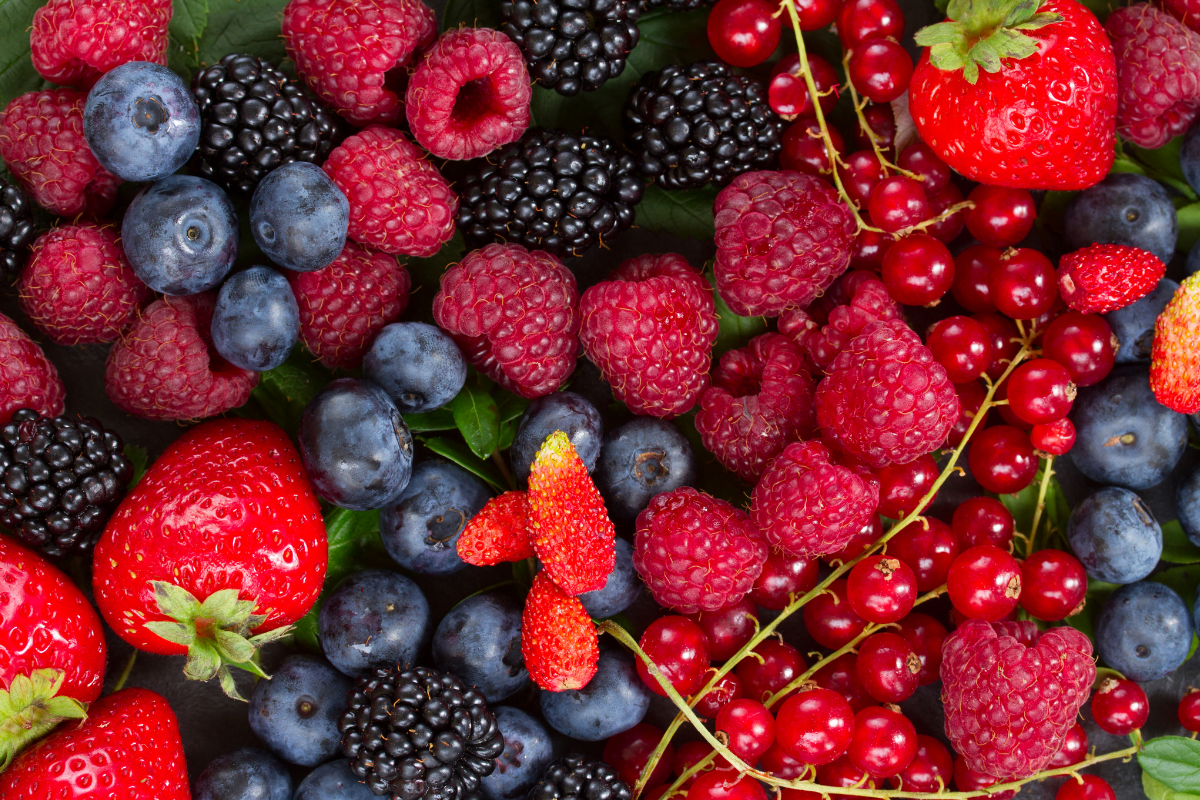
Yes—whole berries can fit well into a diabetes-friendly eating pattern. In most cases, berries for diabetes make sense because they usually bring fiber, water, and helpful plant compounds with less sugar per serving than many sweeter fruits. That does not make them a free food, and they can still affect glucose. Portion size, what else is on the plate, and whether the berries are fresh, frozen, dried, or juiced all matter. Knowing those differences helps you choose fruit with fewer surprises after meals.
Key Takeaways
- Whole berries often have a gentler glucose effect than juice or sweetened berry products.
- Fiber and water can slow digestion and make portions more filling.
- No single berry is the perfect choice for every person or every meal.
- Unsweetened frozen berries are usually a practical alternative to fresh.
- Added sugars, syrups, and oversized servings change the picture quickly.
For broader food planning, the Diabetes Hub can help put fruit choices in context.
Berries for Diabetes: Why They Often Work Well
Berries get attention for good reason. Compared with many fruit options, they tend to be lower in sugar by volume and higher in fiber. That combination can soften how fast carbohydrate enters the bloodstream. Most berries also contain polyphenols, a group of plant compounds that includes anthocyanins, the pigments that give blueberries, blackberries, and raspberries their deep color.
Fiber matters for another reason. Foods that take longer to chew and digest may help you feel satisfied on fewer calories, which can make second helpings less tempting. That is one reason whole berries often fit better than fruit leather, juice, or sweetened smoothies. If you are working on fullness and meal balance at the same time, these ideas on High-Fiber Foods For Diabetics pair well with fruit.
Superfood is a marketing term, not a medical one. Still, berries are nutrient-dense. They can add flavor, texture, and natural sweetness without pushing a meal toward a dessert pattern. If you are already building a balanced eating plan, they often fit more easily than juice, sweetened yogurt cups, or pastries made with fruit filling. For more background, see Fruit In A Diabetes-Friendly Diet.
There is another reason berries come up so often. Research has explored whether berry polyphenols may support insulin sensitivity and after-meal glucose handling. The signal is interesting, but it is not a reason to think one food can treat diabetes on its own. Overall eating patterns, activity, sleep, stress, and medications still matter more. If you want a deeper look at those plant compounds, Polyphenols And Diabetes explains the topic in plain language.
Do Berries Raise Blood Sugar?
Yes, they can. Any food with carbohydrate may raise glucose to some degree. The usual question is not whether berries have any effect, but how much they affect you in a realistic portion. Whole berries often lead to a smaller and slower rise than sweets, juice, or dried fruit because the natural sugar comes packaged with fiber and water.
Why Whole Fruit Acts Differently
Most berries are considered low on the glycemic index, which estimates how quickly a carbohydrate-containing food raises blood glucose. That can be useful, but it is only one tool. Glycemic load, serving size, and the rest of the meal may matter just as much. A bowl of berries eaten after eggs or plain yogurt may behave differently from the same berries blended with fruit juice or eaten with a sweet pastry.
Portion size is where many people get tripped up. A restaurant fruit bowl, cafe smoothie, or family-size container can turn a modest serving into several servings without much notice. The same berries may also act differently when they are topped with granola, honey, whipped cream, or sweetened sauces. Fruit does not stop counting just because it sounds healthy.
The idea of berries for diabetes is not that fruit becomes invisible to your meter. It is that whole, unsweetened berries often behave in a more predictable way than many other sweet foods. If you use a meter or continuous glucose monitor, after-meal patterns can show whether your portion is working for you. The same kind of label reading that helps with packaged foods also matters for fruit products, especially mixes, sauces, and flavored cups. This overview on Food Labels is useful when products look wholesome but add syrups or concentrates.
Why it matters: Whole berries and berry products can produce very different glucose responses.
Where prescriptions are involved, details may need confirmation with the prescriber.
Which Berries Stand Out Most?
No single berry is the healthiest choice for everyone. The best option depends on taste, portion, budget, and what else you are eating. Still, some patterns are worth knowing. Raspberries and blackberries are often favored for their fiber. Strawberries are commonly easier to fit into lighter meals. Blueberries are studied often because they are rich in anthocyanins. Cranberries can work too, but many common cranberry products are sweetened.
| Berry | What Stands Out | Practical Note |
|---|---|---|
| Blueberries | Rich in dark pigments called anthocyanins | Easy to overpour in smoothies or large bowls |
| Strawberries | Mild sweetness and versatile texture | Watch sweetened toppings and dessert-style sauces |
| Raspberries | Very seedy and notably high in fiber | Tart flavor may reduce the need for added sweetener |
| Blackberries | Fiber-rich and strongly flavored | Can work well in yogurt, oats, or salads |
| Cranberries | Naturally tart and less snackable plain | Dried and juiced versions often contain added sugar |
If you want berry-specific reading, these pages on Blueberries And Diabetes, Strawberries And Diabetes, and Blackberries And Diabetes break down common questions in more detail.
A better takeaway is this: pick the berry you are most likely to eat in a measured, unsweetened form. A slightly sweeter berry in a modest portion is usually a better real-world choice than a tart berry you only enjoy covered in sugar. Consistency matters more than finding one perfect fruit.
Fresh, Frozen, Dried, or Juice
Fresh and unsweetened frozen berries are usually the easiest forms to work into a balanced plan. Frozen fruit is often picked and preserved close to harvest, so it can be nutritionally comparable to fresh. It is also practical when cost or shelf life is a concern. The main check is the ingredient list. The ideal label is short and boring: just the fruit.
Dried berries are different. Drying removes water and makes the sugar more concentrated in a smaller amount of food. That does not make dried fruit off-limits, but it makes portion control harder. Juice changes the picture again because it is easier to drink quickly and often comes with much less fiber than the whole fruit it came from.
Be careful with berry products marketed as wellness foods. Some add sweetened yogurt coatings, chocolate, glaze, or juice-based syrup. Others mix berries with higher-sugar fruits, which is not automatically a problem but can change how the serving fits into the rest of the meal. Marketing language is not the same as nutrition quality.
Smoothies sit in the middle. A smoothie made with whole berries, plain yogurt, and a small amount of nut butter can behave differently from a large blended drink built from juice, sweetened yogurt, sherbet, or honey. Ingredient lists and serving size still decide most of the outcome.
Quick tip: Check for added sugar, juice concentrates, and syrups before calling a berry product healthy.
Building Meals and Snacks Around Berries
A practical approach to berries for diabetes starts with the whole meal, not the fruit alone. Pairing berries with protein, fat, or extra fiber can make the meal more filling and may steady the after-meal rise. The goal is not to hide fruit. It is to keep it in a balanced setting that you can repeat.
A Simple Plate Strategy
Think of berries as one part of breakfast, a snack, or dessert rather than the entire carbohydrate source. A small bowl added to plain yogurt works differently from a large berry parfait layered with sweet granola. The same is true when berries top oats instead of replacing a meal. If you need ideas, these pages on Best Yogurt For Diabetics, Oatmeal And Diabetes, and Healthy Snacks For Diabetics can help you build around them.
You do not need to weigh berries forever. Measuring once or twice at home is usually enough to learn what a realistic serving looks like in your usual bowl, cup, or container. After that, the goal is consistency, not perfection. Many people find that a measured portion feels more generous than expected when it is part of a full meal.
- Measure once or twice to learn what a realistic serving looks like.
- Pair thoughtfully with plain yogurt, nuts, or oats instead of sugary toppings.
- Choose whole forms when possible rather than juice, syrup, or candy-like dried mixes.
- Use berries to replace sweeter desserts, not to sit beside them.
- Watch restaurant add-ons such as whipped cream, glaze, or sweetened compote.
- Keep frozen berries on hand for convenience and fewer last-minute snack choices.
A simple example helps. A bowl of plain yogurt with berries and a few nuts usually behaves differently from berry pie, berry syrup on waffles, or a coffee drink with berry flavoring. For more pairing ideas, see Best Nuts For Diabetics. A fruit choice is easier to repeat when the rest of the meal is steady too.
Medication fulfillment, when allowed, may be handled by licensed third-party pharmacies.
Are Berries the Best Fruit Choice?
Berries are often one of the stronger fruit options for glucose-friendly eating, but there is no universal winner. The best fruit is the one you can enjoy regularly in a form and portion that fits your plan. Apples, citrus, kiwi, stone fruit, and other whole fruits may also work well, especially when the rest of the meal is balanced.
The point of berries for diabetes is not to find a miracle fruit. It is to choose a fruit that offers sweetness, fiber, and a more manageable after-meal pattern than highly processed alternatives. A fruit you enjoy plain is often a better choice than one you only tolerate when it is sweetened, baked into dessert, or turned into juice.
This also helps answer a common question about the healthiest berry. There may not be one. Blueberries, strawberries, raspberries, blackberries, and unsweetened cranberries each have different strengths. The better test is whether the fruit fits your routine, budget, and glucose goals without adding a lot of extras.
It also helps to zoom out. Fruit quality matters, but meal pattern matters more. Someone who eats whole fruit, legumes, vegetables, whole grains, and balanced snacks is likely making bigger progress than someone searching for one perfect berry while still relying on sweet drinks and oversized portions. There is no miracle fruit for diabetes, and that is actually useful news. It means you have more than one good choice.
When It Makes Sense to Ask for Individual Advice
Most adults with diabetes or prediabetes do not need to avoid berries completely. Still, individual advice is helpful if your readings are unpredictable, you use glucose-lowering medicines that can cause lows, you have been told to follow a specific carbohydrate target, or you are trying to sort out what affects your numbers. A registered dietitian or diabetes clinician can help you connect the fruit itself with the rest of the meal pattern.
Signs Your Plan Needs A Closer Look
Ask for personalized guidance if whole berries seem to cause larger-than-expected readings, if you mainly eat sweetened berry products, or if you are unsure how to count fruit portions. Extra support also makes sense during pregnancy, with kidney disease, or when digestive issues limit the foods you tolerate well. Keeping a short food and glucose record for several days can make that conversation more useful.
If you are newly diagnosed, this is also a good time to clarify what your team means by portion size, daily carbohydrate goals, and post-meal targets. Many fruit questions become easier once the overall plan is clear. A practical routine usually beats strict food rules that are hard to maintain.
Authoritative Sources
These sources offer guideline-based or primary-reference background on fruit, diabetes nutrition, and berry research.
- American Diabetes Association on fruit choices
- NIDDK on diabetes eating patterns
- NIH-hosted review on berries and insulin resistance
Overall, berries for diabetes can be a flexible part of a meal plan when you choose whole, unsweetened forms and keep portions realistic. What matters most is the full eating pattern, not a superfood label.
This content is for informational purposes only and is not a substitute for professional medical advice.