
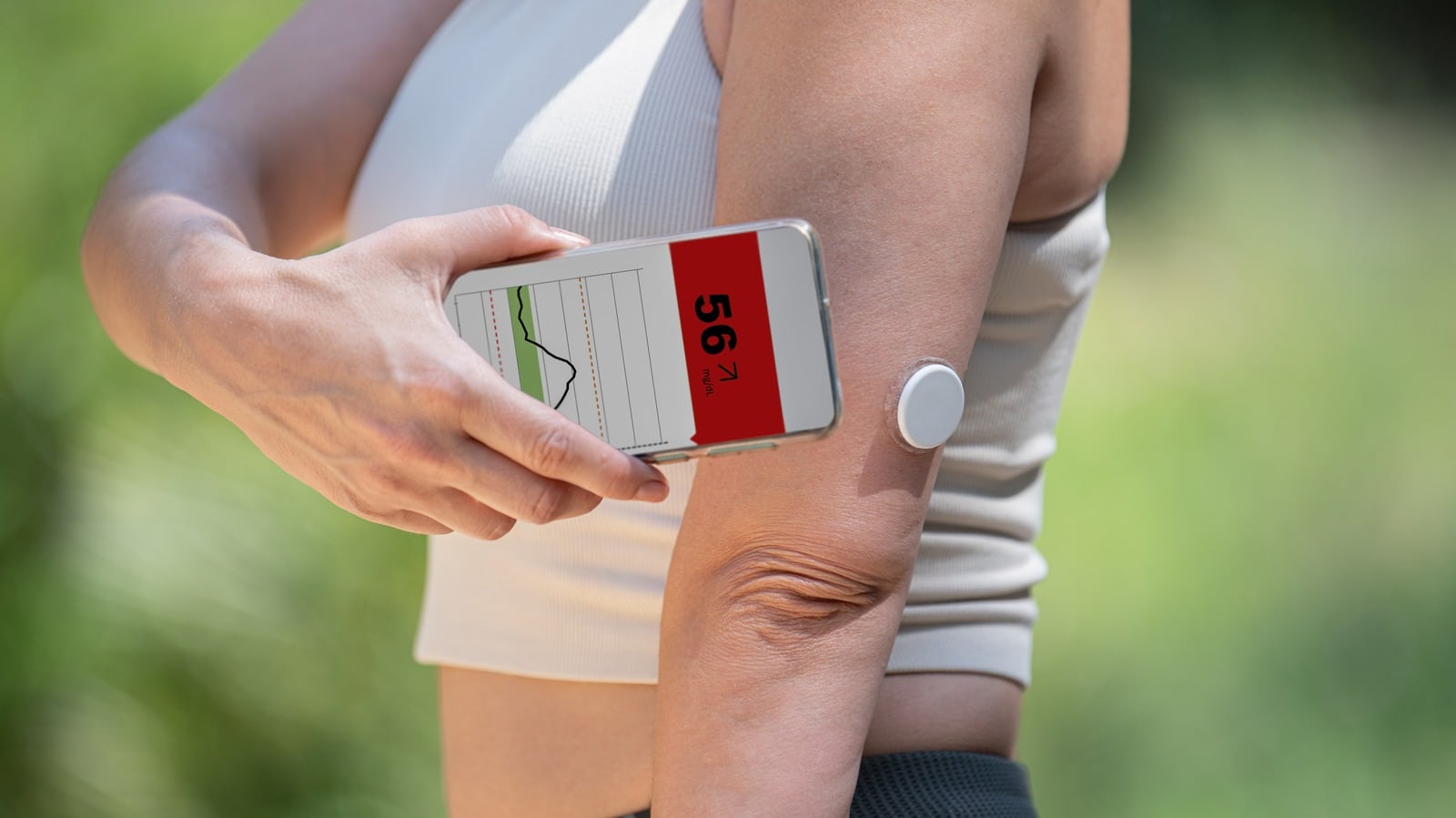
Dysglycemia refers to unstable blood glucose, including levels that fall too low or rise too high. It spans everyday fluctuations to clinically significant patterns that may precede diabetes. Understanding what drives these changes helps you recognize risks, interpret tests, and choose safer daily routines.
Key Takeaways
- Definition and scope: low, high, and fluctuating glucose patterns.
- Common drivers: diet quality, medications, illness, and stress.
- Diagnostic tools: A1C, fasting glucose, OGTT, and CGM.
- Management focus: nutrition, activity, and targeted therapies.
Dysglycemia
Dysglycemia describes blood sugar outside a healthy range. Clinically, it includes hypoglycemia (low glucose), hyperglycemia (high glucose), and excessive variability between highs and lows. Some people experience episodes after meals, called reactive hypoglycemia. Others show elevated fasting glucose or impaired glucose tolerance, which can signal developing insulin resistance.
Physiology drives these swings. Insulin lowers glucose by moving it into muscle and fat cells, while glucagon and stress hormones raise glucose when needed. When these hormones misfire, patterns of abnormal glucose appear. The consequences can be immediate, like shakiness or fatigue, or long-term, like nerve and eye complications. Early recognition can reduce future risk, even when diabetes is not yet diagnosed.
Hypoglycemia Signs and Triggers
Early hypoglycemia symptoms include shakiness, sweating, fast heartbeat, hunger, and lightheadedness. Some people report blurry vision, headache, or confusion during deeper lows. Missed meals, excess alcohol, or strenuous exercise can precipitate episodes. Certain drugs, especially insulin and sulfonylureas, increase risk. For a detailed overview of causes and safety steps, see Hypoglycemia Signs Symptoms Causes Treatment for practical recognition guidance.
If you often develop headaches with lows, pattern tracking helps. Note timing, recent meals, and activity to identify triggers. For headache patterns linked to low glucose, see Hypoglycemia Headaches to compare common features and mitigation tips.
Hyperglycemia Signs and Triggers
Early hyperglycemia symptoms include increased thirst, frequent urination, fatigue, and blurred vision. Many people feel well during mild elevations, which delays detection. High-carbohydrate meals, illness, steroids, and high stress can push glucose up. When repeated over time, elevations may signal impaired glucose regulation that warrants testing. For a symptom map and common drivers, see Hyperglycemia Signs Symptoms Causes Treatment for structured red flags.
Untreated high glucose can contribute to dehydration and, rarely, acute metabolic issues. More often, the risk is cumulative. Addressing diet quality, activity, sleep, and medication adherence can reduce elevations and improve overall energy.
Causes and Risk Factors
Dysglycemia causes include several overlapping factors. Insulin resistance from genetics, weight gain, inactivity, or certain medications can elevate glucose. Irregular eating patterns, high glycemic foods, or large evening meals add volatility. Illness, pain, and psychological stress raise counter-regulatory hormones, which can further increase glucose. A history of gestational diabetes or polycystic ovary syndrome also raises future risk.
Less common contributors include pancreatic disorders, endocrine diseases (like Cushing’s syndrome), and rare insulin-secreting tumors. Sorting primary causes from look-alikes matters for prognosis. For context on disease categories that affect glucose, see Diagnosis And Classification Of Diabetes Mellitus to understand formal groupings. When distinguishing autoimmune from insulin-resistant patterns, review Differential Diagnosis Type 1 Type 2 Diabetes for contrasting clinical features.
When evaluating individual drivers, clinicians also consider sleep restriction, shift work, alcohol intake, and steroid bursts. These stressors can amplify glycemic swings in otherwise healthy people.
Diagnosis and Coding
Dysglycemia diagnosis typically starts with fasting plasma glucose, an A1C test (glycated hemoglobin), or a two-hour oral glucose tolerance test (OGTT). Home capillary checks or continuous glucose monitoring (CGM) may uncover variability missed by clinic tests. For technical thresholds and test selection, the ADA Standards of Care provide updated clinical criteria reviewed annually.
A1C reflects average glucose over about three months, while OGTT identifies post-meal spikes. Each tool highlights different risks. For plain-language background, see this A1C test guidance from a U.S. federal institute. Screening intervals depend on age, risk, and comorbidities; see Type 2 Diabetes Screening Testing Guidelines for timing considerations that clinicians commonly review.
Diagnostic coding varies by documentation. Examples include R73.9 for unspecified hyperglycemia, R73.01 for impaired fasting glucose, and R73.02 for impaired glucose tolerance (oral). For pregnancy, codes in the O99.81– range capture abnormal glucose complicating pregnancy; Z13.1 may apply to diabetes screening encounters. Local coding policies and payer rules differ, so confirm specifics.
Treatment Options
Dysglycemia treatment focuses on reducing dangerous highs and lows while improving overall stability. Clinicians often begin with nutrition adjustments, physical activity, and sleep regularity. Medications may be introduced when lifestyle efforts are insufficient or to address specific patterns, such as frequent post-meal spikes or nocturnal lows. Exercise enhances insulin sensitivity and lowers average glucose; for practical training ideas, see Exercise Important Type 1 Diabetes to adapt intensity and timing safely.
Therapy combinations are tailored to the individual. In some cases, incretin-based drugs are layered with other agents to target postprandial excursions. For a discussion about combining therapies, see Victoza With Insulin for considerations clinicians weigh during treatment planning.
Diet and Daily Habits
A balanced dysglycemia diet emphasizes fiber-rich carbohydrates, lean proteins, and unsaturated fats. Spreading carbohydrates across meals helps reduce peaks, while minimizing refined sugars lowers rapid surges. Many people benefit from non-starchy vegetables, intact whole grains, legumes, nuts, and modest fruit portions. Hydration and consistent meal timing also support steadier glucose.
For people who feel shaky a few hours after eating, smaller, protein-inclusive snacks can blunt dips. Keeping a food and symptom log highlights patterns to adjust. If episodes occur after high-carbohydrate meals, consider pairing carbs with protein and fiber. For patterns linked to post-meal dips, see Reactive Hypoglycemia to compare typical timing and strategies.
Tip: When changing diet, adjust one variable at a time. This makes it easier to see what actually helps.
Special Situations
In people without diabetes, the question often arises: is non diabetic hypoglycemia dangerous. Recurrent, symptomatic lows can impair driving, work performance, and fall risk. They may also signal a medication effect, alcohol use, or rare endocrine issues. A focused history, glucose confirmation during symptoms, and review of precipitating factors guide management. Addressing meal composition and timing usually reduces risk while the clinician evaluates underlying causes.
Pregnancy requires special attention to post-meal control. The OGTT is used to detect gestational dysregulation, and dietitian-guided nutrition can protect both parent and fetus. In pediatric populations, early signs may be subtle. For developmental and lifestyle considerations, see Type 2 Diabetes in Children to understand screening and behavior changes appropriate for youth.
Risks of Variability and When to Seek Care
Large swings can increase glucose variability risks, which are linked to vascular stress and hypoglycemia-related injuries. Over months and years, unstable patterns may contribute to neuropathy, retinopathy, and kidney disease when elevated averages are also present. For background on eye health during diabetes, see Diabetic Eye Disease Month for prevention messages and screening reminders.
Seek medical care for frequent lows, unexplained highs, or symptoms such as chest pain, severe fatigue, or confusion. If you track home readings, bring logs and device downloads to visits; these help tailor changes. For broader learning across related topics, browse Diabetes Articles to connect testing, nutrition, and complication prevention.
For foundational safety advice on recognizing low glucose, see this U.S. federal resource on low blood sugar with practical warning signs and precautions.
Recap
Abnormal glucose patterns are common and manageable. Clear definitions, targeted testing, and steady habits reduce risk. Work with your clinician to individualize steps that fit your biology, medications, and daily routine.
Note: Track meals, activity, and symptoms alongside readings. Patterns, not single numbers, usually guide the next best change.
This content is for informational purposes only and is not a substitute for professional medical advice.


