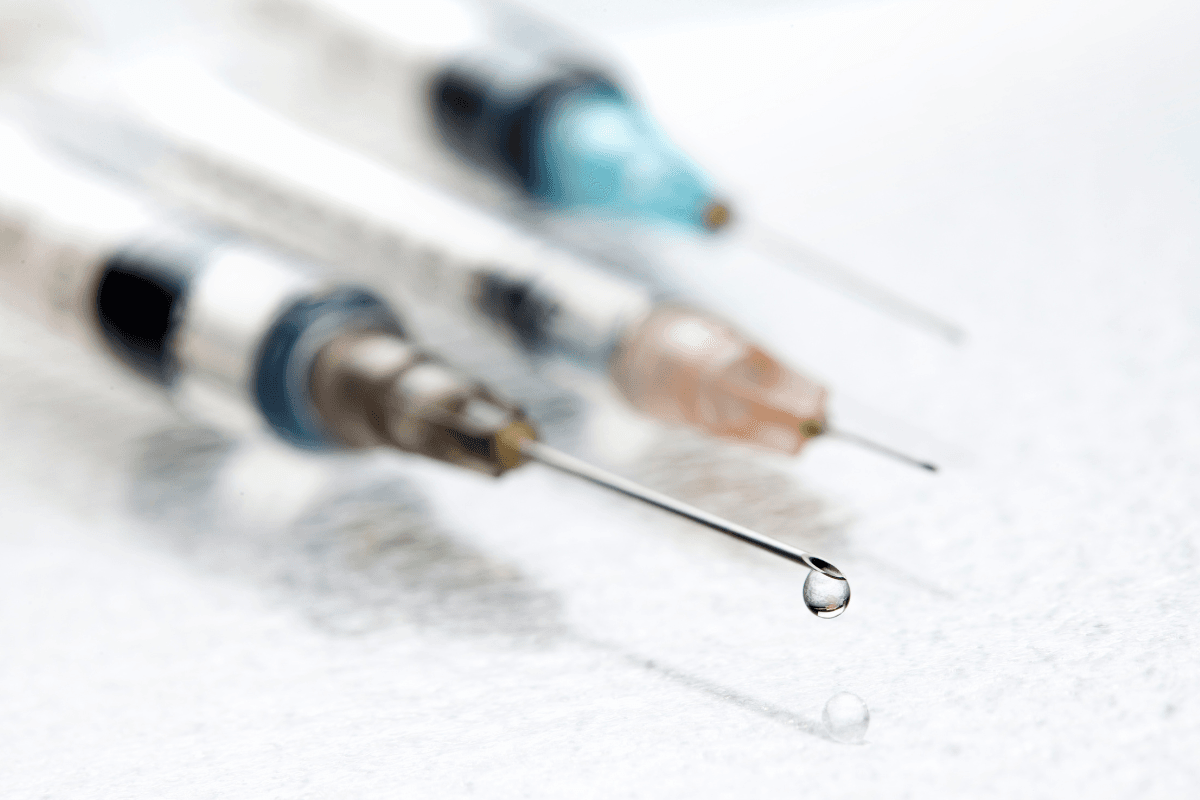
Choosing the right BD needles can improve comfort, accuracy, and safety. This guide explains sizes, designs, and practical selection tips for insulin and other injections.
Key Takeaways
- Needle gauge and length affect comfort, flow, and target tissue.
- Match syringe capacity and insulin concentration for dose accuracy.
- Safety-engineered devices help reduce needlestick risks in practice.
- Proper site rotation and disposal protect skin and community safety.
BD needles: What They Are and Why They Matter
These single-use medical needles are designed for subcutaneous and intramuscular injections. They come in various gauges (diameter) and lengths to suit different drugs and patient needs. The design details—bevel, lubrication, and hub fit—can influence insertion comfort and medication delivery. In diabetes care, they are paired with insulin pens and syringes to support consistent dosing.
People often combine pen systems with Insulin Pen vs Syringe guidance for device choice, since each approach has distinct handling steps. Clinics also stock Insulin Pen Needles Guide resources for size selection and technique refreshers. In community settings, trained users may handle pens at home while pharmacies dispense matched supplies. For clinical workflows, compatibility with Insulin Cartridges also matters, since cartridge format determines pen pairing and assembly steps.
Many users rely on bd syringes for insulin draw-up, dose measurement, or vaccine administration. Selection depends on drug viscosity, route, volume, and the desired tissue depth, which varies by indication and anatomy.
Needle Gauge and Length: Choosing the Right Size
Gauge refers to thickness: higher numbers mean thinner needles. Length affects how deep the tip travels into tissue. For insulin delivered into subcutaneous fat, short, thin needles can reduce pain and lower the risk of intramuscular injection. Clinicians balance comfort with reliable delivery by aligning gauge and length to body habitus, injection site, and technique. For many adults, 4–6 mm pen needles work well when technique is correct.
A popular short option is bd pen needles 32g 4mm, which pairs thin diameter with minimal length. These can help reduce tissue trauma for pen injections while maintaining effective subcutaneous delivery. For a broader introduction to pen needle selection, see our How to Use Insulin Pen guide for priming steps and injection angles. If you are adjusting sites, review Mounjaro Injection Sites for safe site rotation concepts that also apply to insulin.
How Gauge and Length Interact in Practice
Thinner needles (31G–33G) may increase comfort but can bend if technique is inconsistent. Slightly thicker options (29G–30G) offer more stiffness for viscous solutions. Short lengths (4–6 mm) lower the chance of hitting muscle, which can alter absorption. In higher-BMI patients, a skinfold and perpendicular insertion help short needles reach subcutaneous tissue. With longer needles (8–12.7 mm), angle and skinfold are more important. Technique training, including priming pens and holding time, supports consistent results.
Syringe Capacities and Markings
Syringe size determines maximum volume and the scale used for dosing. Small-volume syringes use tighter unit markings, which can improve readability for low doses. Larger syringes handle bigger volumes but may sacrifice fine resolution. For routine insulin use, match capacity to typical dose range to avoid confusion and lower parallax error when reading marks.
For example, a bd syringe 3ml accommodates larger volumes used in vaccines or non-insulin injections. By contrast, smaller insulin syringes support fine unit markings for precise daily dosing. If you’re checking dose clarity before the first injection, consult the Insulin Dosage Chart for a refresher on units and rounding. For basal cartridge users, our overview of Lantus Insulin Cartridge offers cartridge-specific handling points that complement syringe guidance.
U-100 Insulin Alignment and Dose Accuracy
Most modern human insulin and analogs in North America are U-100 (100 units/mL). U-100 syringes are calibrated so a unit marking corresponds to a consistent volume, reducing conversion math. Mixing concentrations or using mismatched syringes can cause dosing errors. This alignment is central to safe outpatient use and training.
Users who prefer syringes over pens often choose bd insulin syringes u-100 to match standard insulin concentrations. When comparing pens and syringes, see Insulin Pen vs Syringe for strengths and trade-offs in daily routines. If your therapy involves combination products, our Premixed Insulin explainer outlines composition and practical handling to reduce mix-ups during device selection.
Safety and Specialty Needles for Clinics
Clinics and pharmacies frequently handle diverse injection routes. For intramuscular or intradermal tasks, clinicians may need specific gauges and lengths that differ from subcutaneous insulin delivery. Safety-engineered mechanisms, such as sliding shields or pivoting guards, help reduce needlestick injuries. In outpatient settings, consistent training and post-use locking are essential to protect both staff and patients.
One common general-purpose option is the bd precisionglide needle, available in multiple sizes for different routes. This family emphasizes reliable manufacturing and standardized hubs. For insulin users who also receive vaccines, a clinic may swap to a different gauge/length while keeping technique and disposal consistent. When transitioning between devices, ensure workflow covers priming, site cleaning, and sharps disposal steps without shortcuts.
SafetyGlide Activation and Disposal
Safety needles integrate a guard that covers the tip immediately after use. Correct activation reduces exposure, especially during busy clinic sessions or home care tasks. Users should practice the activation motion before patient injections. After activation, the locked device goes into a puncture-resistant sharps container, never household trash.
Staff education should include bd safetyglide needle how to use steps, emphasizing activation pressure and lock confirmation. For visual directions, review the manufacturer instructions provided with the device, and follow applicable clinic policies. The CDC injection safety recommendations offer neutral best practices on aseptic technique and sharps handling. Device-specific details should always be confirmed with up-to-date manufacturer resources for the exact model used.
Pen Users: Technique, Rotation, and Accessories
Pen systems simplify dosing and reduce setup steps. Users prime, set dose, insert at 90 degrees, and hold the plunger for a brief dwell time to deliver the full dose. Rotating sites across abdomen, thighs, or upper arms lowers lipohypertrophy risk and supports steady absorption. Keep a log or use device apps to track site rotation and pen changes.
People who inject insulin frequently may prefer bd needles for insulin pen to pair with low-profile, shorter options. Short, thin pens can help reduce injection pain while maintaining subcutaneous delivery. For assembly and priming sequences, consult our How to Use Insulin Pen tutorial. If you use ultra-long-acting pens, see Tresiba Flextouch Pens for device format context before selecting compatible accessories.
When 25G Fits: Vaccines and Intramuscular Needs
Vaccination, certain hormones, and other medications may be administered intramuscularly. These scenarios usually require longer lengths and moderate gauges to reach muscle. Selection also depends on patient age and body composition. Insulin, by contrast, is generally subcutaneous and uses much shorter, thinner needles to avoid the muscle layer.
In clinics, a bd precisionglide needle 25g x 5/8 may be selected for specific intramuscular or subcutaneous indications per protocol. While you won’t use this for standard insulin injections, knowing why it differs clarifies device choices across appointments. For broader insulin therapy context, see our Insulin Products Guide to understand analog differences that influence device pairing and technique.
Recap
Effective injection care balances comfort, accuracy, and safety. Choose gauge and length based on route, anatomy, and drug viscosity. Align syringe capacity and concentration to prevent dose errors. Use safety mechanisms correctly and dispose into sharps containers. With consistent technique and the right devices, daily injections can become more predictable and less stressful.
Tip: Keep a compact kit with extra needles, alcohol swabs, and a travel sharps container to maintain safe practice away from home.
This content is for informational purposes only and is not a substitute for professional medical advice.