
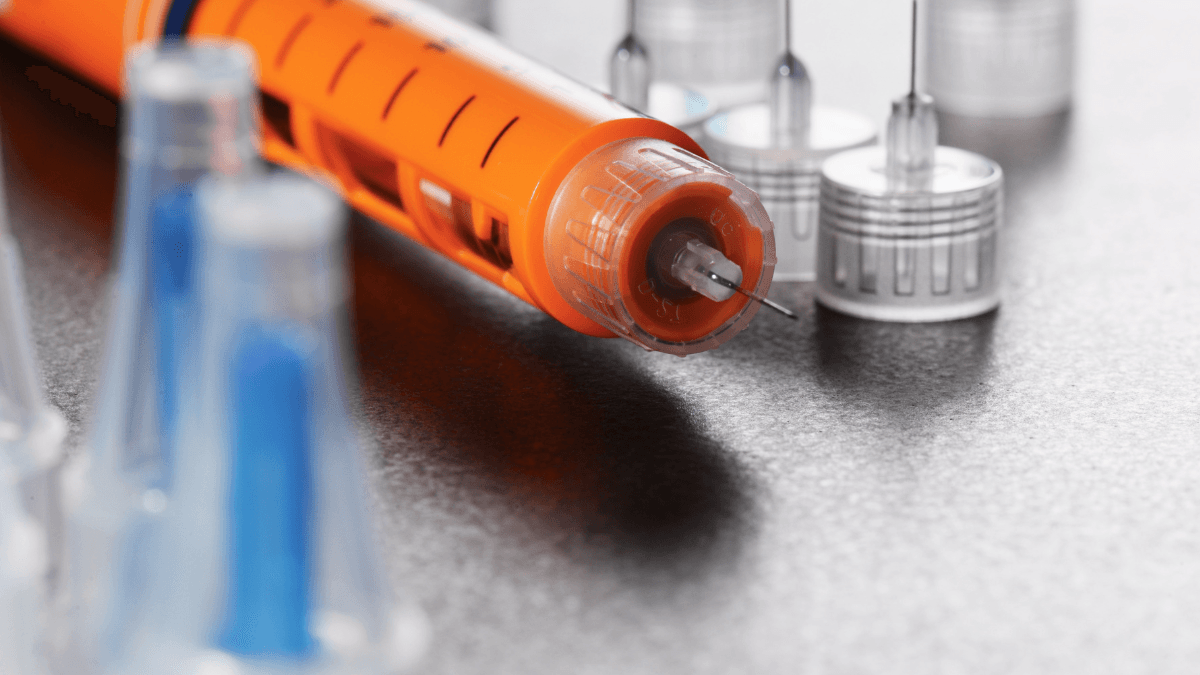
Insulin pen needles are sterile, single-use tips that attach to insulin pens so insulin can reach the subcutaneous tissue, or fatty layer under the skin. The right length, gauge, and technique can make injections more comfortable and help reduce dosing problems. Most people use short, fine needles, but fit and technique still matter.
This page explains how pen needles work, how common sizes compare, and what to check before changing brands or lengths. It also covers safe disposal and when to ask your diabetes care team for individual guidance.
Key Takeaways
- Single-use design: Pen needles are intended for one injection only.
- Shorter lengths: 4 mm to 6 mm options suit many people when used correctly.
- Gauge meaning: Higher gauge numbers usually mean thinner needles.
- Technique matters: Prime, inject steadily, and hold briefly after dosing.
- Safe disposal: Used needles belong in an approved sharps container.
How Insulin Pen Needles Work
Pen needles create the pathway between an insulin pen and the tissue under your skin. A typical needle has a plastic hub, an outer cap, an inner cap, and a very thin metal cannula. One end pierces the pen cartridge seal. The other end enters the skin.
Most insulin pen needles attach by twisting onto the threaded end of a disposable or reusable pen. Some safety pen needles have shields that cover the tip before or after use. These may be used in clinics, assisted living settings, or for people who need extra protection from needle sticks.
The needle does not decide the insulin dose. The pen’s dose selector and delivery mechanism control that part. Still, a damaged, reused, bent, or incompatible needle can interfere with flow. That is why manufacturers and diabetes educators generally recommend a new sterile needle for each injection.
Why it matters: A fresh needle is sharper, cleaner, and less likely to clog.
If you need a broader refresher on pen handling, the step-by-step walkthrough in How to Use Insulin Pen explains priming, injection angle, and common handling errors in more detail.
Insulin Pen Needles Sizes: Length, Gauge, and Comfort
Insulin pen needles sizes are usually described by length and gauge. Length is measured in millimetres, such as 4 mm, 5 mm, 6 mm, or 8 mm. Gauge describes thickness. A higher gauge number, such as 32G, usually means a thinner needle than a lower number, such as 30G.
Short needles can often reach the subcutaneous layer without entering muscle. This is important because insulin injected into muscle may absorb faster and less predictably. Many adults can use a 4 mm needle at a 90-degree angle, but individual factors still matter. Children, very lean adults, pregnancy, injection site, and prior injection problems may change the advice.
The table below summarizes common options. It is a practical comparison, not a personalized recommendation.
| Needle Length | Common Gauges | Typical Technique Notes |
|---|---|---|
| 4 mm | 31G to 33G | Often used at 90 degrees without a skinfold in many adults |
| 5 mm to 6 mm | 31G to 32G | May be used at 90 degrees; a skinfold may help in lean areas |
| 8 mm | 30G to 31G | Often needs a skinfold or angled technique to reduce muscle injection risk |
| Longer legacy sizes | Varies | Used less often now; clinician guidance is important |
Needle thickness also affects how an injection feels. Thinner needles may feel more comfortable for some people, but flow design matters too. A very thin needle may still deliver insulin reliably when it is compatible with the pen and used as directed.
For a focused discussion of branded needle types and features, see BD Needles. Product-specific pages, such as BD Nano Pro Pen Needles, can help readers recognize packaging terms, but selection should still follow clinician or device instructions.
Choosing a Needle That Fits Your Pen and Routine
Most modern pen needles are designed to fit many insulin pens, but compatibility should never be assumed. Check the needle box, pen instructions, and any pharmacist or clinician guidance. The thread, hub shape, safety shield, and cap design can affect how well a needle attaches and primes.
Start with the pen type. Disposable pens come prefilled and are discarded when empty. Reusable pens use insulin cartridges that are replaced. Both types usually require a new needle for each injection, but the exact attachment and priming steps may differ.
Next, consider your routine. A person taking insulin once daily may value simple handling and easy disposal. A person using mealtime insulin several times daily may care more about comfort, portability, and consistent site rotation. People with hand stiffness, tremor, or vision changes may need a pen and needle setup that is easier to grip, read, and uncap.
Insulin pen needles can also differ by safety features. Standard needles require careful capping and disposal. Safety needles may have automatic or manual shields. These can reduce accidental needle sticks, but they may feel different during injection and may not suit every pen.
Readers comparing delivery systems may also want the article Insulin Pen vs Syringe. It explains practical differences in dose setting, portability, training needs, and handling.
Safe Injection Technique With Pen Needles
Good technique helps the insulin dose reach the intended tissue. It also reduces leakage, bruising, and unnecessary discomfort. Follow the instructions for your specific insulin pen, and ask a diabetes educator to watch your technique if injections often hurt or leave lumps.
- Wash your hands and gather the pen, new needle, and sharps container.
- Check the insulin label, appearance, and expiration date as instructed.
- Attach a new needle firmly without overtightening it.
- Prime the pen according to the device instructions to confirm insulin flow.
- Choose a site on the abdomen, thigh, upper arm, or buttock if approved for your regimen.
- Insert at the recommended angle, often 90 degrees with shorter needles.
- Press the dose button fully and keep it pressed until the dose window reaches zero.
- Hold the needle in place for several seconds, or as your pen instructions state.
- Remove the needle and place it directly into a sharps container.
Site rotation is part of technique. Repeatedly injecting into the same small area can cause lipohypertrophy, which means fatty lumps under the skin. These areas may change insulin absorption. Rotate within a general region, but leave space between injection points.
Avoid injecting through clothing unless your clinician has specifically said it is acceptable for your situation. Clothing can contaminate or bend the tip, and it prevents you from checking the skin. Also avoid scars, bruises, inflamed skin, and firm lumps.
Quick tip: Keep the sharps container within reach before you inject.
For site-specific guidance, review Best Insulin Injection Sites. It covers common areas and practical rotation habits.
Pen Needles, Insulin Pens, and Type 2 Diabetes Care
Insulin pens are commonly used in type 1 and type 2 diabetes care when injectable insulin is part of the treatment plan. For people with type 2 diabetes, pens may be used for basal insulin, mealtime insulin, or other clinician-directed regimens. The needle choice supports the delivery method, but it does not replace individualized insulin instructions.
Some people wonder whether needing insulin means their diabetes has failed to respond to care. That is not the right way to frame it. Type 2 diabetes can change over time, and insulin may be used when the body needs additional support. Some people later reduce or stop insulin under medical supervision, while others continue long term. This depends on glucose patterns, other medicines, weight changes, illness, pregnancy, kidney function, and many other factors.
Do not stop or reduce insulin because injections feel difficult. Instead, ask about technique, needle length, injection sites, pen options, and glucose monitoring. Small handling changes may improve comfort without changing the treatment plan.
For a broader device overview, see Insulin Pens. Readers who use or are considering reusable devices may also find NovoPen 4 useful for understanding how reusable pen platforms differ from prefilled pens.
Cost, Access, and Prescription Questions
Access rules for insulin pen needles vary by location, pharmacy policy, insurance plan, and device type. Some areas allow pen needles without a prescription, while others may require one or may require documentation for coverage. If you are unsure, ask a pharmacist or your diabetes care team before you run low.
Cost can vary by pack size, gauge, length, brand, and safety features. A 32G 4 mm needle may be priced differently from a 31G 6 mm option, even when both fit the same pen. Safety-shielded designs often cost more than standard pen needles. Online listings and retail shelves may show many similar products, so check compatibility rather than choosing by price alone.
Some patients compare cash-pay options, coverage rules, or cross-border fulfilment pathways depending on eligibility and jurisdiction. CanadianInsulin.com functions as a prescription referral platform; where documentation is required, prescription details may be confirmed with the prescriber, while dispensing is handled by licensed third-party pharmacies where permitted.
Free or low-cost supplies may be available through some public programs, clinics, charities, or manufacturer support routes, but eligibility varies. Avoid reusing needles to stretch supply without discussing safer options. Reuse can dull the tip, increase discomfort, and raise contamination or clogging concerns.
Disposal and Needle-Stick Prevention
Used needles should go into an approved sharps container immediately after removal. Do not place loose needles in household trash, recycling, purses, pockets, or bedside drawers. If you do not have a commercial sharps container, local rules may allow a heavy-duty puncture-resistant household container with a secure lid, but regulations differ by community.
Do not clip, bend, or break used needles unless a local program specifically instructs you to use an approved needle-destruction device. Recapping also requires care. Many people remove the needle using the outer cap, then discard the capped needle into a sharps container. Safety needle instructions may differ.
When the container reaches the fill line, close it securely and follow local disposal instructions. Pharmacies, health departments, waste services, and community collection programs may have different rules. Travel also requires planning because sharps containers, insulin storage, and airport screening rules can vary.
When to Ask for Help
Ask a clinician, pharmacist, or diabetes educator for help if injections suddenly become painful, insulin leaks often, or you see frequent bruising. Also ask if you notice lumps, dents, redness, warmth, swelling, or signs of infection at injection sites.
Technique review is also useful after a change in insulin, pen device, needle length, vision, hand strength, or body weight. Bring your pen, needles, and glucose records if you are asked to attend an appointment. This helps the care team separate device issues from dosing, storage, or timing questions.
Seek urgent medical care for severe allergic symptoms, severe hypoglycemia, confusion, fainting, or signs of serious infection. Pen needle technique cannot correct a medical emergency.
Authoritative Sources
The American Diabetes Association provides patient education on insulin pens and needle use, including the importance of fresh needles and device familiarity.
The CDC outlines broader safe injection practices that support sterile, single-use injection habits.
The FDA explains home and travel guidance for safe sharps disposal, including container handling and community disposal steps.
Recap
Insulin pen needles are small, single-use devices, but they play a large role in comfortable and reliable insulin delivery. Length, gauge, compatibility, priming, injection angle, dwell time, and disposal all matter.
If you are changing needle size, switching pen platforms, or having injection problems, ask for a technique review. A short appointment can often identify practical issues such as site rotation, attachment, priming, or needle length.
This content is for informational purposes only and is not a substitute for professional medical advice.


