
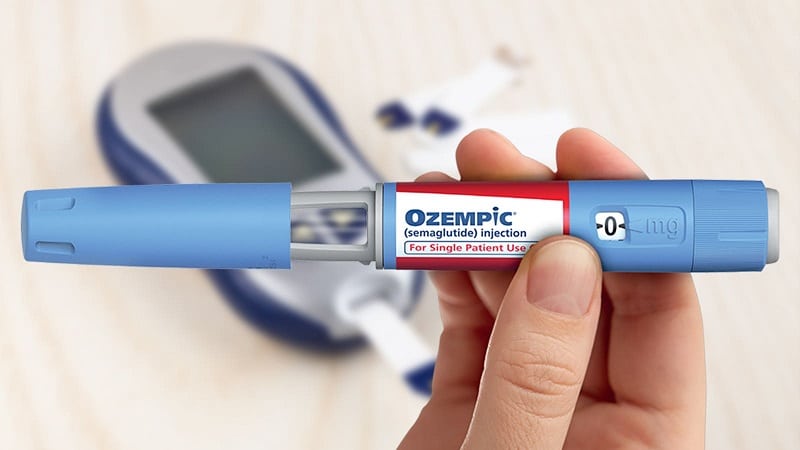
Many adults hear about semaglutide for blood sugar control and weight management. This overview explains how Ozempic and Rybelsus work, where they fit, and what to expect. It also outlines dosing frameworks, administration steps, and key safety points. Understanding these basics helps you prepare for a detailed conversation with your clinician.
Key Takeaways
- Dual options: weekly injection (Ozempic) and daily tablet (Rybelsus).
- Dosing starts low, then steps up to reduce stomach-related effects.
- Rotate injection sites and follow storage rules to maintain quality.
- Side effects are usually gastrointestinal; serious events are uncommon.
- Costs vary by plan; coverage and assistance programs may help.
What Is Semaglutide?
Semaglutide belongs to the GLP-1 receptor agonist class (incretin mimetic). It helps the pancreas release insulin when glucose rises and slows stomach emptying. These effects can lower A1C and support gradual weight reduction in some adults. The medication is approved for type 2 diabetes; a higher-dose brand is also authorized for chronic weight management.
Two forms are commonly used in diabetes care. Ozempic is a once-weekly injection. Rybelsus is a once-daily oral formulation. Both use the same active ingredient but differ in absorption and instructions. Your clinician selects a form based on goals, administration preference, and co-existing conditions.
Ozempic and Rybelsus: How They Work and Indications
GLP-1 receptor agonists increase glucose-dependent insulin release and reduce inappropriate glucagon. They also slow gastric motility, which can reduce appetite and post-meal spikes. These actions may help adults with type 2 diabetes reach A1C targets when diet and exercise are not enough. Some individuals also see modest weight loss alongside glucose improvements.
Rybelsus is the oral option; semaglutide tablets require strict dosing timing relative to food and drinks. Ozempic is injected once weekly; timing flexibility is usually within the same day each week. For regulatory-approved uses, review the FDA’s Ozempic prescribing information and Rybelsus prescribing information to understand full indications and limitations. For authoritative labeling details, see the FDA listings for Ozempic prescribing information and Rybelsus prescribing information.
Rybelsus is now recognized in some settings earlier in therapy when appropriate. For a policy perspective on this shift, see the news explainer Rybelsus First-Line Treatment for how first-line status can affect care pathways. If you are comparing mechanisms or outcomes between oral and injectable versions, the overview Rybelsus vs. Ozempic outlines key differences to discuss with your prescriber.
Uses and Dosing: Type 2 Diabetes and Weight Management
Dosing typically follows a step-up schedule to improve tolerability. Clinicians start at a low dose, then increase after several weeks if tolerated and if targets are not met. This approach applies to both weekly injections and daily tablets. People with kidney or liver conditions may require closer monitoring during dose changes.
Some adults also pursue semaglutide for weight loss under specific brand labeling and criteria. Weight reduction can vary, and a supportive lifestyle plan remains important. For a detailed dose-escalation example with the oral form, see the Rybelsus Dosing Guide for step-up timing and clinical context. If you are thinking about long-term use, the discussion in How Long Ozempic explains considerations your clinician may weigh during extended therapy.
Intentional weight targets can be challenging to maintain. If stopping leads to regain, the piece Ozempic Rebound describes strategies to support ongoing habits and minimize rebound patterns. For broader context on class effects and public-health impact, see GLP-1 Weight-Loss Drugs for how these medicines fit into modern obesity care.
As a reminder, semaglutide for weight loss should be used under medical supervision and within approved indications. Individual responses differ, and not everyone experiences the same degree of weight change.
Administration: Injections, Tablets, and Injection Sites
Weekly injections are delivered via prefilled pens. You inject into subcutaneous tissue, not muscle. Common areas include abdomen, thigh, or upper arm. Rotate between semaglutide injection sites to reduce irritation and lipodystrophy. Pens should be primed and handled according to manufacturer instructions.
Oral dosing uses Rybelsus tablets. Take with a small amount of water on an empty stomach, and avoid food or other medicines for a short period afterward. Timing and consistency matter for absorption. If you prefer to review pen and pill formats side-by-side, the product pages Ozempic Semaglutide Pens and Rybelsus Semaglutide Pills summarize form factors and general usage points to discuss with your clinician.
Injection Technique and Rotation
Good technique reduces discomfort and helps consistent dosing. Wash hands, attach a new needle, and check the flow if required by your pen. Pinch the skin gently and inject at the recommended angle. Wait the specified seconds before removing the needle. Rotate to a new quadrant each week and avoid scar tissue or irritated spots. Track your sites on a quick grid to prevent repeat sticks. If you travel frequently, pack spare needles and a small sharps container. For in-depth travel handling, see Travel With Ozempic for storage and temperature planning steps.
Safety Profile and Side Effects
The most common effects involve the gastrointestinal tract. Nausea, vomiting, diarrhea, or constipation may occur during dose escalation. Eating smaller meals and limiting high-fat foods can help. Serious events are less common but require urgent care if suspected. Pancreatitis symptoms, gallbladder issues, or persistent severe abdominal pain warrant immediate evaluation.
There is a boxed warning for thyroid C-cell tumors based on animal data; people with a personal or family history of medullary thyroid carcinoma or MEN2 should not use it. Diabetic retinopathy complications have been reported, particularly with rapid glucose improvement. For risk language and monitoring guidance, review the official Ozempic prescribing information and Rybelsus prescribing information. If you want a concise overview, see Semaglutide Side Effects for common patterns and mitigation tips.
Report persistent or severe semaglutide side effects to your clinician. Keep a brief symptom diary, including timing relative to meals and doses. This helps identify triggers and guide adjustments. Do not change dosing without professional advice.
Costs, Coverage, and Access Considerations
Out-of-pocket charges depend on plan design, deductible status, and brand selection. Some plans prefer one form over the other. Manufacturer programs and regional assistance may offset costs for eligible patients. Pharmacies may also vary in stock consistency, especially during high-demand periods.
Ask your insurer about prior authorization, step therapy, or quantity limits. A benefits check can clarify estimates before you start. If budget is a concern, ask your prescriber about alternatives in the same class or combination approaches. Discuss potential savings and therapeutic equivalence during your visit to better understand semaglutide cost in your setting.
Practical Tips: Storage, Travel, and Adherence
Refrigerate new pens as instructed, and avoid freezing. In-use pens are often stored at room temperature for limited days; always follow your product’s label. When traveling, use insulated pouches and avoid direct heat. Pack backup supplies like needles and alcohol swabs, plus your dosing schedule. If time zones change, align your weekly dose to a consistent anchor day.
Side effects often improve after dose stabilization. Hydration, small meals, and mindful eating can help. If symptoms persist, ask about diet adjustments or slower titration. For additional perspective on duration and variability, the guide in How Long Ozempic shares clinical considerations for sustained therapy. People commonly ask how long do semaglutide side effects last; responses differ by dose, timing, and individual tolerance.
Alternatives and Comparisons: GLP-1s and GIP/GLP-1
Other GLP-1 receptor agonists may fit if you do not tolerate the oral or injectable forms discussed here. Combination GIP/GLP-1 agents may be considered for certain adults. Each option has unique dosing, contraindications, and insurance positioning. Your clinician can outline potential benefits and trade-offs relative to your goals and comorbidities.
Comparative reviews help frame realistic expectations. If comparing oral to injectable incretin therapy, see Rybelsus vs. Ozempic for head-to-head differences. If assessing companion therapies, Rybelsus vs. Metformin and Rybelsus vs. Jardiance summarize mechanisms, outcomes, and practical fit. For clarity on similar-sounding medicines, some readers even look up tirzepatide pronunciation when exploring GIP/GLP-1 combinations.
Recap
Ozempic and Rybelsus use the same active ingredient with different delivery systems. Dosing starts low, then steps up to balance glucose lowering with tolerability. Adherence, site rotation, and meal strategies support better outcomes. Stay alert to side effects and follow label instructions closely.
Talk with your clinician to review indications, dosing choices, and monitoring plans. If you need a quick summary of benefits, many adults report convenience and routine-building with weekly injections; this aligns with common semaglutide injection benefits discussed in clinical settings. For broader reading on diabetes topics, visit the Type 2 Diabetes hub for disease-focused guides and updates.
Note: Medication names can be tricky to say. Check your clinic’s handout for phonetic guidance if needed, and bring it to visits to avoid confusion.
This content is for informational purposes only and is not a substitute for professional medical advice.


