
Key Takeaways
- Weight-based methods give a cautious starting estimate for total daily insulin.
- Basal, bolus, and correction doses serve different roles in control.
- Premixed options simplify timing but reduce day-to-day flexibility.
- Safety caps help prevent stacking and severe hypoglycemia.
- Timing, injection sites, and devices influence dose accuracy.
Understanding an insulin dosage chart can help you discuss safer starting points with your clinician. Charts translate weight, glucose patterns, and regimen type into practical ranges. You still need individualized adjustments, because meals, activity, and illness can shift daily needs. Use charts as a framework, then refine with monitoring and professional input.
Insulin Dosage Chart: How to Read and Use
Most charts summarize three parts of therapy: basal (background), bolus (mealtime), and correction. Basal insulin supports fasting needs, while bolus insulin covers carbohydrates and high readings. Charts usually show a total daily dose (TDD), then split it between basal and meals. They also outline common timing, such as once-daily long-acting or premeal rapid-acting doses.
Use the chart to set expectations, not firm rules. Track fasting levels, premeal readings, and overnight trends for several days. Compare these numbers to the chart’s targets to see where gaps appear. Discuss mismatches with your care team before changing doses, especially after recent illness, steroid use, or weight change.
Toujeo dosage guide can provide basal background context for long-acting insulin decisions, including timing choices. If your plan includes insulin glargine, the Lantus SoloStar pens page is useful for device specifics and typical administration steps.
From Weight to Units: Starting Doses
Many clinicians estimate a cautious starting total using insulin dose per kg. Typical ranges vary by diagnosis, insulin sensitivity, and comorbidities. A conservative approach may begin lower, then rise gradually with glucose logs. People with higher insulin resistance may need larger totals, while lean or newly diagnosed patients may require less.
After estimating a total, charts often split half for basal and the rest for meals. Some prefer a three-way split across breakfast, lunch, and dinner. Others use carbohydrate ratios and correction factors to fine-tune portions. These methods work best alongside consistent glucose checks and careful note-taking about meals and activity.
For evidence-based context, the ADA Standards of Care outline pharmacologic principles for initiating and adjusting insulin. Manufacturer resources, such as the FDA label for insulin glargine, also explain labeled use and safety considerations.
Type 1 Starting Framework
For type 1 diabetes, an insulin dosage chart type 1 usually starts with a full basal-bolus plan. The basal portion aims to keep overnight and between-meal readings steady. The mealtime portion covers carbohydrates, then a small correction addresses unexpected highs. Many people learn carbohydrate counting to match insulin to food more precisely.
Expect gradual fine-tuning over weeks. Activity, growth, and stress can change requirements quickly. Keep records of grams of carbohydrate, premeal glucose, and postmeal results. If you use rapid-acting analogs, reviewing timing and injection sites can improve predictability, especially before variable meals and exercise.
For broader context on the condition, see our Type 1 Diabetes section for education pieces that support everyday decision-making.
Type 2 Starting Framework
For type 2 diabetes, an insulin dosage chart type 2 often begins with basal insulin at bedtime or morning. The goal is to improve fasting readings and stabilize daytime levels. If postmeal spikes persist, mealtime doses may be added gradually. Some individuals use correction dosing to handle occasional highs during illness or stress.
People with insulin resistance may need higher totals than those with type 1. Lifestyle changes—diet quality, physical activity, sleep, and stress—can improve responsiveness. Regular review of fasting patterns helps guide basal adjustments. If adding mealtime insulin, test before and two hours after meals to evaluate the response and reduce surprises.
Explore our Type 2 Diabetes hub for articles that explain medication choices and common adjustment steps.
Premixed and 70/30 Formulas
Premixed combinations may simplify schedules for people who eat predictable meals. They blend intermediate-acting and rapid-acting components in fixed ratios. While convenient, they leave less room for day-to-day changes. Timing with meals and snacks becomes more important, because the intermediate portion continues working for many hours.
If you use a 70/30 mix, an insulin 70/30 dosage calculation typically starts with a cautious total. You then split doses between morning and evening, aligning the rapid component with meals. Monitor for lows mid-morning or overnight as the intermediate portion peaks. Adjust cautiously, and log carbohydrate intake to spot patterns.
To learn how blended products behave, see our overview on premixed insulin for timing differences and typical use cases. For rapid analog references, the Humalog KwikPen and NovoRapid vials pages describe onsets and durations that influence meal coverage.
Maximums and Safety Thresholds
When total daily doses climb, plan boundaries help reduce stacking and severe lows. A maximum insulin dose per day is not one number for everyone, but charts often suggest practical caps. These caps consider body weight, sensitivity, and hypoglycemia risk. Illness or steroids can temporarily lift needs above usual ranges.
Per-injection limits can also help. Very large bolus volumes may absorb unpredictably. Some people split bigger boluses into two sites or separate times. Discuss options with your clinician if you frequently correct highs, or if injection volumes exceed what feels comfortable and consistent.
For labeled dosing details and safety warnings, review the glargine prescribing information, which outlines contraindications and hypoglycemia guidance.
Adjustment Methods: Meals, Activity, and Illness
Several strategies refine doses once you establish a baseline. Carbohydrate ratios link grams of carbohydrate to a set number of insulin units. Correction factors estimate how much one unit may lower glucose. Together, they adapt dosing to your meal size and current glucose. Keep notes on exercise and stress, which can shift these relationships.
Some clinicians still teach a sliding scale for short-term use. However, more flexible approaches adjust for both food and glucose. If you prefer a structured table, discuss a personalized chart that spans typical meals and snacks. You may also review digital tools that estimate needs using weight and recent readings.
For long-acting alternatives and device formats, the Tresiba FlexTouch pens page outlines duration characteristics that affect basal titration. Our broader Diabetes articles category can help you compare approaches across medications and monitoring methods.
Peak Action and Timing
Knowing insulin peak times helps you match doses to daily routines. Rapid-acting products typically peak within a few hours. Intermediate and some premixed formulations have later peaks that require snack planning. Long-acting options aim for flatter profiles with minimal peaks. Each pattern changes how you plan meals, exercise, and sleep.
Confirm timing in the product’s label and your glucose logs. If highs occur after breakfast, examine premeal timing or breakfast composition. If lows occur late afternoon, review lunchtime doses and activity. Devices and formulations differ widely, so review specifics before changing timing. Consistent daily schedules often improve predictability and comfort.
For background on injection technique and rotation, our Mounjaro injection sites guide explains site selection fundamentals that also apply to insulin. It covers rotation, needle angle, and common safety checks in detail.
Devices, Syringes, and Measurement
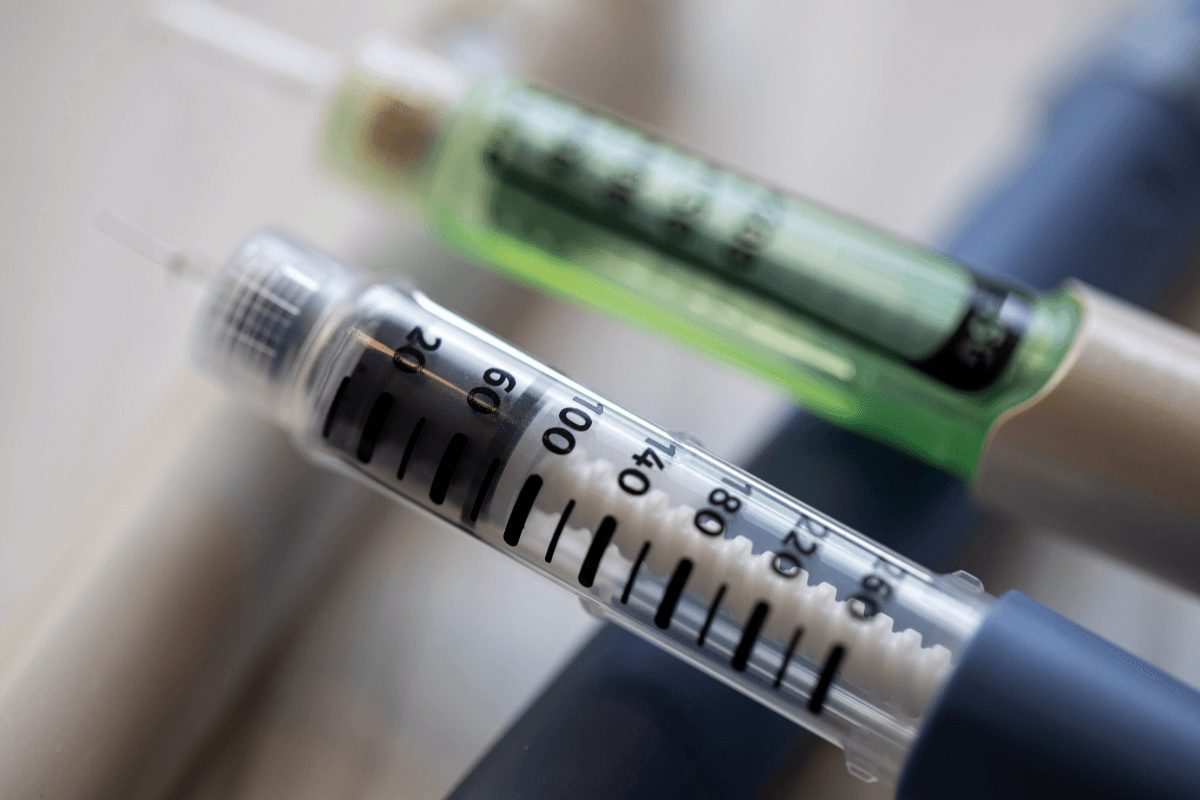
Accuracy depends on clear devices and consistent handling. Insulin pens meter units directly, while syringes require reading graduated markings. If you draw from a vial, double-check the line before injecting. Pens also need careful priming to remove air and confirm flow before dosing. Disposal plans reduce accidental needlesticks at home.
For vial dosing, Insulin syringe measurement details matter for safety. Use the correct syringe concentration (for example, U-100). Match pen needles or syringes to your formulation and device. Replace dull needles to reduce discomfort and improve absorption reliability. Keep insulin at recommended temperatures to preserve potency and stability.
See BD Ultra-Fine II syringes for gauge and length options that influence comfort and accuracy. If your plan includes rapid analogs, the Humalog vial page and Fiasp cartridges page outline labeled onsets and durations for timing reference.
Putting It Together: Logs, Patterns, and Follow-Up
Start with a cautious total, then track real-world outcomes. Record fasting glucose, premeal values, grams of carbohydrate, and activity. Compare patterns against your chosen framework each week. Adjust only one element at a time to see what truly changes. Keep hypoglycemia treatments nearby when trying adjustments with your care team.
Share your logs regularly with your clinician or diabetes educator. Structured conversations help set goals and avoid overcorrection. If options change, you can revisit basal type, meal strategy, or premixed versus basal-bolus plans. For additional basal references, see Lantus vial and Lantus cartridges pages, which summarize device formats and handling steps. For a broader perspective on premixed choices, the premixed insulin overview article offers comparative timing and flexibility notes.
Recap
Charts turn complex dosing decisions into structured, repeatable steps. Start conservatively, confirm with logs, and adjust methodically. Mind timing, peaks, and measurement to improve predictability. Use safety caps to limit stacking and reduce lows. Revisit your plan after illness, medication changes, or significant weight shifts.
Remember that every regimen needs personalization. Tools and tables support decisions, but your day-to-day data drives refinement. When uncertainties arise, pause and seek professional guidance before making changes. Ongoing education and careful monitoring help maintain stability over time.
Note: For hypoglycemia education and self-care steps, the CDC provides a concise overview of low blood sugar recognition and treatment. See the CDC hypoglycemia page for patient-focused safety information.
This content is for informational purposes only and is not a substitute for professional medical advice.


