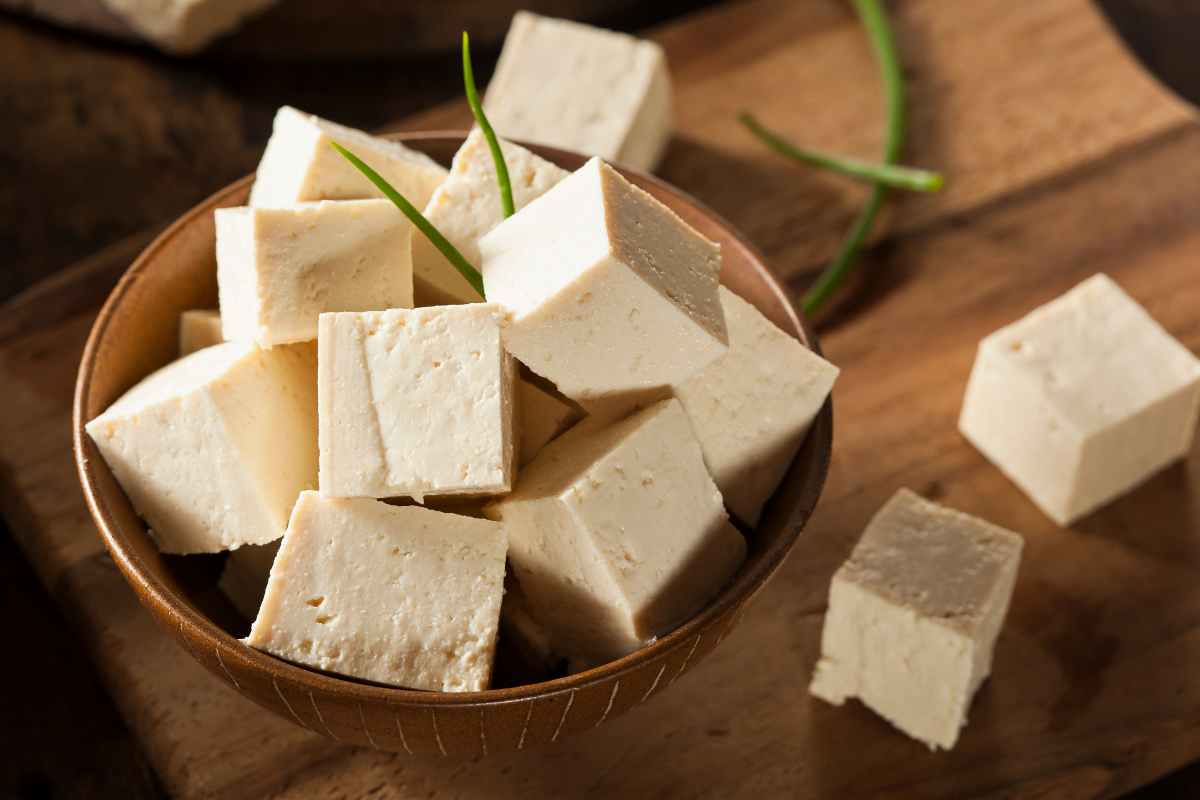
Managing blood glucose calls for foods with steady effects and flexible uses. Tofu delivers protein, fiber-like effects from soy components, and minimal sugars. It adapts to many cooking methods, which helps with variety and adherence.
Key Takeaways
Tofu for Diabetics supports stable meals with low glycemic impact and useful protein.
- Low glycemic load and few digestible carbs support steadier glucose.
- Complete soy protein may aid satiety and weight management goals.
- Versatile cooking methods help meet taste, texture, and nutrition needs.
- Unsweetened soy milk and firm tofu often suit diabetes meal plans.
Tofu for Diabetics: Nutritional Profile and Glycemic Effects
Tofu contains complete protein, modest fat, and minimal carbohydrates. Firm varieties typically provide around 8–12 grams of protein per 100 grams, with few digestible carbs. The glycemic index (GI score) for plain tofu is very low, so it may have a minimal effect on post-meal glucose. Isoflavones and other soy components can support cardiometabolic risk (heart and metabolic risk), though effects vary by person and portion size.
Because tofu is low in rapidly absorbed starches, it fits into carbohydrate-controlled plans. Combine it with high-fiber vegetables and intact grains to slow digestion further. For a refresher on GI scoring and how different foods influence blood sugar rise, see What Is The Glycemic Index for background on GI categories and their use.
Cooking Methods: Pan, Bake, and Stir-Fry
Texture and heat control decide whether tofu turns crisp or tender. Press firm tofu for 15–30 minutes to remove moisture. Then sear on medium-high heat with a thin oil layer to build a golden crust. This simple approach highlights soy’s neutral flavor, which takes on spices and aromatics well.
For quick weeknights, how to cook tofu on a pan usually means patting it dry, tossing with cornstarch and pepper, and searing 3–4 minutes per side. Baking at 400°F (205°C) for 20–25 minutes yields crunchy edges with less oil. Stir-frying with broccoli, bell peppers, and mushrooms adds fiber and volume. Pair with a small portion of brown rice or quinoa for balance. For complementary sides with fewer carbs, see Low Carb Veggies For Diabetes for colorful options and prep ideas.
Beginner Techniques
New to tofu? Start with extra-firm cubes, which resist breakage. Press, season with garlic and smoked paprika, and pan-sear in a nonstick skillet. Deglaze with low-sodium soy sauce and a splash of rice vinegar for tang. Crumble firm tofu to mimic ground meat in chili or taco fillings, then simmer with tomatoes and spices. These methods provide predictable textures and help beginners build confidence while learning heat control and seasoning balance.
Meal Planning and Recipe Ideas
Start with protein-forward bowls, stews, and sheet-pan dinners. Marinate cubes in ginger, soy, and sesame oil; roast with cauliflower and carrots. Add a modest portion of whole grains for steady energy. Soups with tofu, leafy greens, and mushrooms provide fluid, fiber, and a light meal structure. Flavor with aromatics instead of sugar-heavy sauces to keep carbohydrates predictable.
To expand weeknight options, plan healthy tofu recipes for dinner that rely on vegetables and herbs. Try tofu tikka baked on a rack, then finish with a yogurt-based sauce. Or make stir-fried tofu with snap peas and chili-garlic paste, served over shirataki or cauliflower rice. For plant-forward frameworks, see Is A Vegan Diet Good For Diabetes for context on protein diversity and meal balance, and Food For Diabetics for plate-building guidance that integrates carbs and fiber.
Soy Foods and Milk Alternatives in Diabetes
Soy milk can complement tofu in meal plans, especially when unsweetened. Check labels for added sugars, which can shift glycemic response. The phrase unsweetened soy milk glycemic index often refers to its low GI relative to sweetened versions, but actual impact depends on brand and formulation. Fortified choices add calcium and vitamin D without major carbohydrate loads.
Compared with dairy milk, unsweetened soy milk usually has fewer carbohydrates and more protein than almond milk. Sweetened or flavored varieties can add significant sugars. If you track GI closely, the University of Sydney GI database provides searchable listings for context and comparison. For broader diet planning around insulin sensitivity, see Best Diet For Insulin Resistance for strategies that emphasize fiber and lean proteins.
Milk Choices for People With Diabetes
Many adults consider plant milks alongside dairy. The question is almond milk good for diabetics depends on whether it is unsweetened and fortified. Unsweetened almond milk is low in carbohydrates and can work for smoothies and coffee. However, it provides minimal protein compared with soy milk. Choose options without added sugars, and compare labels to support your macronutrient goals.
Low-fat dairy milk can fit some plans in measured portions. Individual tolerance varies, so monitor glucose responses after new milk choices. When evaluating sweeteners in flavored milks, see What Is The Healthiest Sweetener for neutral guidance on choosing lower-impact sweetening options.
Fried, Processed, and Restaurant Tofu
Restaurant tofu can arrive breaded, deep-fried, or coated in sweet sauces. These additions raise calories and carbohydrate content. If ordering out, request steamed or lightly sautéed preparations with sauces on the side. Balance the plate with non-starchy vegetables and a modest whole grain portion to steady post-meal glucose.
Many ask whether is fried tofu good for diabetics. Pan-searing with minimal oil can keep texture appealing with fewer calories than deep-frying. Air frying offers another route to crispness. Read menus closely and ask for swaps, like extra vegetables instead of starch-heavy sides. For snack ideas that travel well, see 20 Best Healthy Snacks For Diabetics for portion-aware options and practical swaps.
Frequently Confused: Soybeans, Paneer, and Taho
Whole soybeans provide fiber and slowly digested carbohydrates, which moderate absorption. The question is soybean good for diabetic patient typically centers on carbohydrate load and preparation. Boiled soybeans with minimal added sugar or fat can fit many plans. Taho (soft tofu in syrup) often includes sweeteners; choose unsweetened versions when available or limit portions to manage sugars.
Paneer is a dairy-based protein rich in fat and low in lactose. It can work in measured amounts, particularly in lower-carb dishes. Compare sauces and sides carefully to avoid hidden sugars. For other legumes that complement soy in meal rotations, see Are Beans Good For Diabetes for fiber benefits and preparation methods.
Who Should Emphasize or Limit Soy
Soy fits many cardiometabolic plans, but personal factors matter. People with chronic kidney disease (CKD) may need protein adjustments based on clinical guidance. Some studies suggest soy protein can support lipid profiles, which may aid heart health. For a neutral overview of isoflavones, the NIH isoflavones fact sheet summarizes safety and potential effects. Thyroid conditions, allergies, and medication timing may also influence soy choices.
Regarding is tofu good for type 2 diabetes, tofu can help meet protein targets without spiking glucose. Use it alongside vegetables, intact grains, and unsweetened beverages. Those with CKD or hypertension (high blood pressure) should personalize sodium and protein targets with a clinician. For vegetable-forward inspiration that pairs well with tofu, see Broccoli And Diabetes for reasons cruciferous vegetables often suit meal plans, and Keto Diet And Diabetes for a neutral review of low-carb approaches.
Safety, Medications, and Practical Tips
Tofu itself does not require insulin dose changes, but meal composition still matters. Pairing tofu with high-carb sauces or sides can raise post-meal glucose. If you use insulin or secretagogues, monitor glucose during recipe changes to avoid hypoglycemia. For emergency preparedness around severe lows, see Baqsimi Nasal Powder for a glucagon option and usage considerations.
Keep pantry basics like unsweetened soy milk, low-sodium broth, and herbs to support quick meals. If liquid nutrition is occasionally useful, Glucerna offers portion-controlled shakes; review labels to align with your plan. For broader educational reading, explore the Diabetes articles index for meal planning and lifestyle topics, and see Plums And Diabetes for fruit-specific guidance and portion strategies.
Comparing Glycemic Effects Within Soy Foods
Soy foods differ by processing and added sugars. Tofu and tempeh are generally low in digestible carbs, especially when plain. Sweetened soy beverages and desserts can add significant sugars. If you are evaluating kidney and heart considerations, the National Kidney Foundation overview outlines soy’s role in kidney disease nutrition and sodium awareness.
People often explore related questions like whether tofu is helpful for hypertension or if soy milk suits bedtime snacks. Choose unsweetened products and moderate sodium to support blood pressure goals. If you favor plant-based patterns, align soy with vegetables, legumes, and whole grains. For meal structure ideas that limit blood sugar spikes, see What Is The Glycemic Index for guidance on combining low- and moderate-GI foods.
Recap
Tofu offers low glycemic impact, dependable protein, and culinary flexibility. Use firm or extra-firm styles for searing, and choose unsweetened soy milk if you want a higher-protein beverage with minimal sugars. Balance plates with non-starchy vegetables and measured whole grains. Adjust portions and seasonings to match your glucose patterns and nutrition goals.
Tip: Press tofu well before cooking. Removing moisture helps browning, improves texture, and reduces oil needs.
Note: Read labels on soy milks and sauces. Added sugars and sodium can change a healthy dish’s overall impact.
This content is for informational purposes only and is not a substitute for professional medical advice.