Choosing between trulicity vs victoza often comes down to dosing preference, tolerability, and goals. Both medicines belong to the GLP-1 receptor agonist class and help manage type 2 diabetes. This guide explains similarities and differences so you can discuss options confidently with your healthcare team.
Key Takeaways
- Class and action: Both are GLP-1 receptor agonists that support glucose control.
- Dosing rhythm: Trulicity is weekly; Victoza is once daily.
- Side effects: Gastrointestinal symptoms are common early and often improve.
- Weight trends: Both may aid modest weight reduction in many adults.
- Practical choices: Consider schedule, tolerability, cost, and comorbidities.
Trulicity vs Victoza: Efficacy and Safety Snapshot
Trulicity (dulaglutide) and Victoza (liraglutide) are injectable GLP-1 receptor agonists (incretin mimetics) for adults with type 2 diabetes. They enhance glucose-dependent insulin secretion, reduce inappropriate glucagon, and slow gastric emptying. Both are commonly combined with metformin or other non-insulin agents when additional glycemic control is needed. Your clinician may also consider cardiovascular status, renal function, and patient preferences when selecting an agent.
Dosing cadence differs: Trulicity is administered once weekly, while Victoza is injected once daily. Weekly dosing can simplify routines for some people, whereas daily dosing may allow finer dose adjustments. For contemporary recommendations on GLP-1 placement in therapy, see the ADA Standards of Care, which summarize evidence across the class ADA Standards of Care. These factors matter because real-world adherence and tolerability often drive long-term outcomes and satisfaction.
How They Work and How They’re Used
Mechanistically, both agents activate GLP-1 receptors to help lower post-meal and fasting glucose. This enhances insulin release when glucose is elevated (glucose-dependent effect), which helps limit hypoglycemia risk when used without insulin or sulfonylureas. They also slow gastric emptying and may reduce appetite, which can contribute to weight change. Most clinicians start at a lower dose to gauge tolerance, then consider titration if more glycemic control is needed.
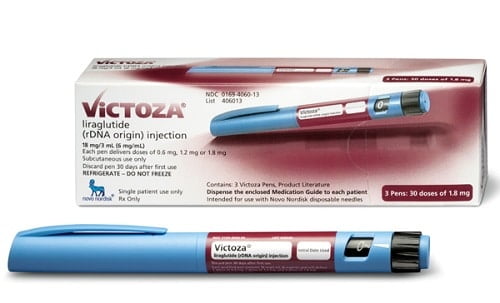
Administration devices differ slightly by brand. Reviewing injection formats can help set expectations and support confidence. For device specifics and pen formats, see Trulicity Pens for available strengths and Victoza Pens for practical pen details. If you want a broader overview of agents in this class, the explainer on GLP-1 Receptor Agonists offers additional context on mechanisms and use cases.
Side Effects and Safety Considerations
Common reactions with GLP-1 receptor agonists include nausea, vomiting, diarrhea, decreased appetite, and dyspepsia. These effects often appear during initiation or dose increases and may lessen over time. If you experience persistent symptoms, clinicians may adjust dose, extend time between titrations, or recommend supportive measures like smaller meals. For helpful food strategies that may reduce GI discomfort, see Foods to Avoid with Trulicity, which outlines practical diet tips for nausea and bloating.
Serious but less common risks include pancreatitis, gallbladder events, and rare hypersensitivity reactions. Both medicines carry boxed warnings about thyroid C-cell tumors in rodents; human relevance remains uncertain. For full safety language, consult the FDA label for Trulicity and the FDA label for Victoza. Clinicians also consider background conditions, including severe GI disease or a history of pancreatitis. When discussing trulicity side effects, share persistent or severe symptoms promptly so your prescriber can reassess.
Weight and Metabolic Outcomes
Many adults report modest weight reductions over time while on GLP-1 receptor agonists. This effect stems from slower gastric emptying and appetite suppression, though individual responses vary widely. In clinical practice, weight change should be viewed alongside glucose metrics, blood pressure, and lipid profiles. Sustainable habits (nutrition, activity, sleep) remain essential, regardless of which medication you use.
Evidence suggests both medicines can assist body-weight management when paired with lifestyle changes. The practical question for many is trulicity vs victoza for weight loss when overall glycemic needs are similar. Here, dosing preference, tolerability, and prior response to incretin therapies often guide selection. If weight is the primary goal, clinicians may also discuss semaglutide- or tirzepatide-based options, which have robust data in this area.
Comparisons With Ozempic and Mounjaro
Semaglutide and tirzepatide are frequently considered when patients prioritize weight and A1C reduction. Within this landscape, trulicity vs ozempic is a common comparison, especially around dose ranges, side effects, and escalation speed. Some patients prefer weekly agents with flexible titration schedules; others value a particular device or established tolerability. No direct dose equivalent exists between brands; dose decisions are individualized.
To explore semaglutide’s profile in detail, this resource provides a structured side-by-side: Trulicity vs. Ozempic Comparison for efficacy and tolerability context. If tirzepatide is under consideration, see Trulicity vs. Mounjaro for a concise look at mechanisms and outcomes. You can also review liraglutide versus semaglutide in Victoza vs. Ozempic Comparison to understand daily versus weekly trade-offs.
Switching and Dose Transitions
Switching between GLP-1 receptor agonists typically involves starting low, monitoring tolerability, and titrating carefully. Clinicians weigh the last dose timing, current symptoms, and A1C goals before moving from one agent to another. When transitioning from a daily to a weekly medicine, a brief interval may be considered to avoid overlapping nausea or vomiting. The goal is to balance continuity of glycemic control with tolerability.
There is no universal victoza to trulicity dose conversion table that applies to everyone. Dosing equivalence varies by pharmacokinetics, clinical status, and treatment targets. If you want more background on titration logic, the Victoza Dosing Guide explains practical dose steps and monitoring considerations. What to do next: bring your current regimen and recent lab results to your appointment so your prescriber can tailor a safe plan.
Cost and Access Factors
Affordability can influence adherence as much as tolerability or dosing schedules. Insurance formularies, prior authorization rules, and pharmacy benefit design vary across plans. Patients often compare victoza vs trulicity cost when both are reasonable clinical options. If cost barriers arise, ask about patient assistance programs, alternative GLP-1s, or combination strategies that fit coverage.
Some brands may have higher copays but allow less frequent dosing; others may be preferred by your plan. For practical savings tips and coverage workarounds, see Manage the Cost of Victoza to understand discount paths and support programs. If you are reviewing non-injectable incretin therapy, consider Rybelsus Semaglutide Pills for oral options that may align with your benefits.
Can You Use Both Together?
Using two GLP-1 receptor agonists concurrently is generally not recommended because mechanisms overlap without additive benefit. Combining agents in the same class can amplify gastrointestinal effects and complicate attribution if adverse events occur. Most treatment plans favor one GLP-1 agent plus complementary therapies from other classes if more control is needed. Clinicians may also adjust background agents when initiating or escalating a GLP-1 medication.
If you are wondering about victoza and trulicity together, raise the question at your next visit and share your rationale. Your prescriber can outline safer combination paths, such as pairing a GLP-1 with metformin, SGLT2 inhibitors, or basal insulin if appropriate. For additional device details that may influence adherence, review Mounjaro KwikPen formats as a point of comparison, even if you remain with a single incretin agent.
Alternatives in the Class
Several alternatives exist for patients who do not tolerate or respond to a given GLP-1. Short-acting exenatide and extended-release exenatide differ in dosing and GI effects, and oral semaglutide offers a non-injectable option. Clinicians also consider individual comorbidities, such as cardiovascular disease or kidney function, when selecting among incretin therapies. Carefully documenting prior responses helps guide the next choice.
If you are evaluating trulicity vs byetta, review differences in dosing schedules and GI tolerability before deciding. For additional comparisons within exenatide products, see Byetta vs. Bydureon to understand release profiles and practical use. You can also scan Byetta vs. Victoza for a focused look at liraglutide’s daily dosing and outcomes. Where appropriate, discuss oral alternatives like Rybelsus Semaglutide Pills or weight-directed agents such as Zepbound if your primary goal is body-weight management.
Recap
Trulicity and Victoza share a mechanism and many benefits but differ in dosing cadence and device experience. Your best option balances glycemic needs, tolerability, schedule, and coverage. Consider how you handle GI symptoms, your comfort with weekly versus daily routines, and any cardiovascular priorities. Then align next steps with your clinician using data from labs, prior therapies, and your preferences.
Note: Always follow your prescriber’s instructions and the approved product label when starting, switching, or titrating GLP-1 therapies.
Medical disclaimer: This content is for informational purposes only and is not a substitute for professional medical advice.