Most care plans ask you to monitor blood sugar at set times. The right schedule depends on your diabetes type, treatment, and daily routine. This guide summarizes practical timing, tools, and targets, so your checks carry more meaning.
Key Takeaways
- Daily timing plan: match checks to meals, sleep, and medications.
- Outcome focus: act on patterns, not isolated numbers.
- Tool fit: align meters or sensors with your lifestyle and budget.
- Safety first: confirm unusual readings and avoid over-correcting.
When to Monitor Blood Sugar Across the Day
Most people benefit from a consistent routine anchored to meals and sleep. Fasting checks after waking show overnight control and basal insulin alignment. Pre-meal tests help with dosing decisions for prandial insulin. A bedtime reading can identify risks for nocturnal lows or highs.
Post-meal checks provide feedback on carbohydrate load and timing. Measuring about 1–2 hours after the first bite shows the peak effect of most meals. People using rapid-acting analogs may compare pre- and post-meal values to gauge dose or timing alignment. If you use a pump or basal-bolus therapy, consider extra checks before exercise, driving, or new activities. For broader education by type, see Type 1 Diabetes guidance and Type 2 Diabetes overviews for context on different monitoring needs.
Targets, Ranges, and Interpreting Results
Interpreting values requires context. Fasting, pre-meal, and post-meal targets can differ by age, comorbidities, pregnancy status, and risk of hypoglycemia (low blood sugar). Many clinicians individualize fasting and post-meal goals and rely on patterns across several days. For safe self-care, record time, food, activity, and medication when you test.
Guideline ranges vary, but common clinical targets include a fasting window and a post-meal threshold. The simple table below offers a reference-style normal blood sugar levels chart. Your clinician may set narrower or wider ranges to match your risk profile.
| Timing | Typical Target (mg/dL) | Typical Target (mmol/L) |
|---|---|---|
| Fasting / Pre-Meal | 80–130 | 4.4–7.2 |
| 1–2 Hours After Meal | Under 180 | Under 10.0 |
| Bedtime | 90–150 (individualized) | 5.0–8.3 |
For safety targets and individualized goals, many teams reference the ADA Standards of Care, which summarize evidence and risk-based adjustments. Practical tips on meter accuracy and technique appear in NIDDK guidance, including handwashing and confirmation steps.
When interpreting trends, avoid over-correcting single outliers. Recheck unexpected lows, confirm with a second method if needed, and review 3–7 days of logs before adjusting therapy. For dose discussions and how doses relate to patterns, see the Insulin Dosage Chart overview.
Tools: From Glucometer to Wearable Sensors
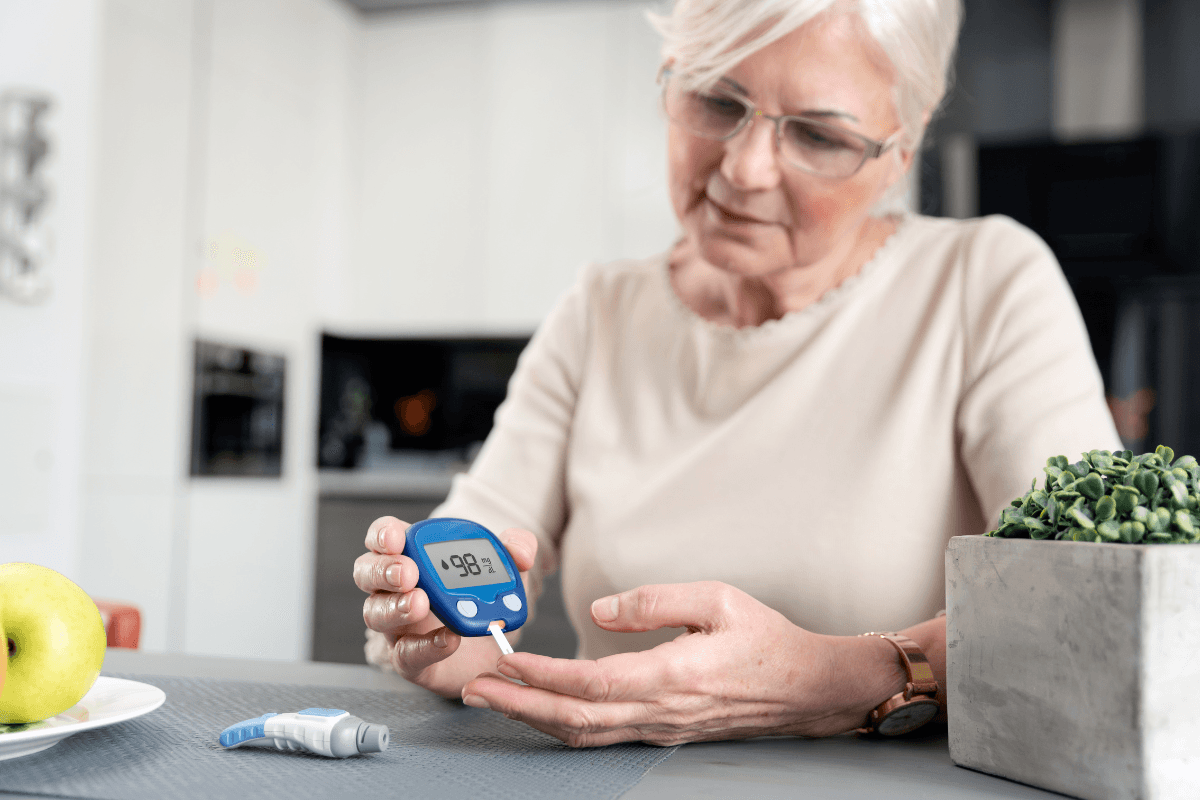
Fingerstick meters remain reliable and portable. A glucometer uses test strips and a tiny blood sample to produce a reading within seconds. Accuracy improves when you wash hands, use in-date strips, and calibrate per the device manual. People with impaired sensation may prefer lancing devices with adjustable depth and fresh lancets for comfort.
Continuous sensors measure interstitial glucose every few minutes and display graphs, trends, and alerts. These systems help with night-time safety and capture activity-related swings you might miss between fingersticks. Some sensors are scanned on demand, while others stream data in real time. For a refresher on therapy options that influence monitoring intensity, review our Insulin Products Guide. If you use rapid mealtime insulin, the Novorapid Insulin Cartridge article explains how timing can affect post-meal readings.
For device regulation, see the FDA’s concise CGM systems overview, which outlines features, alerts, and safety labeling. Always follow your device instructions and confirm unexpected results before making major decisions.
Choosing a Monitoring Schedule by Diabetes Type and Therapy
Monitoring intensity should reflect treatment and hypoglycemia risk. People using basal-bolus injections or pumps often check before meals and at bedtime, with extra checks before driving, during illness, or when alarms suggest a trend. Those using basal-only therapy may focus on fasting and rotating pre-meal checks to balance effort with insight.
Oral therapies with low hypoglycemia risk may allow less frequent testing, while sulfonylureas or mixed insulin may require more. Discuss a plan that fits your routine, including the best time to check blood sugar in the morning. For timing that supports dose changes, see Adjust Insulin Dose for clinician-informed titration checkpoints.
After Meals, Exercise, Illness, and Medication Changes
Meals, activity, and illness can reshape your glucose curve quickly. Testing one to two hours after meals shows how carbohydrates, fat, and protein influenced the peak. Many find the best time to check blood sugar after eating is about 90–120 minutes after the first bite, especially when trying new foods or adjusting mealtime insulin timing.
Activity may lower glucose during exercise and for many hours afterward. Plan additional checks after intense workouts and before bed if activity was unusual. Illness, steroids, and dehydration often push readings higher; temporary plans may call for more frequent testing. If you take GLP‑1 therapy, the Rybelsus Dosing Guide offers background on how delayed gastric emptying can change post-meal patterns.
Digital and App-Based Tracking
Logging is easier when data flow automatically into your records. Many meters and sensors sync through Bluetooth to companion apps, creating graphs that reveal nightly dips or post-meal spikes. Some systems allow you to check blood sugar with phone integrations that scan sensors or pull meter data via cable or wireless.
Use caution with camera-based or unvalidated smartphone apps that claim to estimate glucose without a sensor or stick. These tools may not be clinically accurate or approved as medical devices. Prefer regulated apps from your device manufacturer, and keep software updated. For habit-building resources and worksheets, see Diabetes Education Tools to organize checklists and discussions with your care team.
Access and Coverage for CGM
Coverage and eligibility vary by country, insurer, and therapy type. Many regions require continuous glucose monitoring devices prescription pathways, particularly for people using intensive insulin regimens. Documentation often includes diagnosis, treatment details, and history of hypoglycemia or variability.
If insurance coverage is limited, consider systems with longer wear time or lower ongoing supply needs. Discuss starter periods or samples with your care team to confirm fit. For medication context that affects eligibility, review Diabetes Medications Guide. Combination therapies like Xultophy Prefilled Pen or concentrated basal options such as Toujeo Insulin Overview can change monitoring needs and coverage discussions.
Recap
Build a schedule tied to meals, sleep, therapy, and activity. Use fasting, pre-meal, and post-meal checks to understand trends, then confirm outliers before changing course. Choose tools that match your routine and budget, and lean on automated logging to highlight patterns.
Bring at least two weeks of data to visits, including notes on food, exercise, illness, and medications. That context helps your team refine targets, simplify your routine, and improve safety without adding unnecessary steps.
Tip: When a reading seems off, wash hands and retest. If results still look unusual, verify with a different method or device before acting.
This content is for informational purposes only and is not a substitute for professional medical advice.