
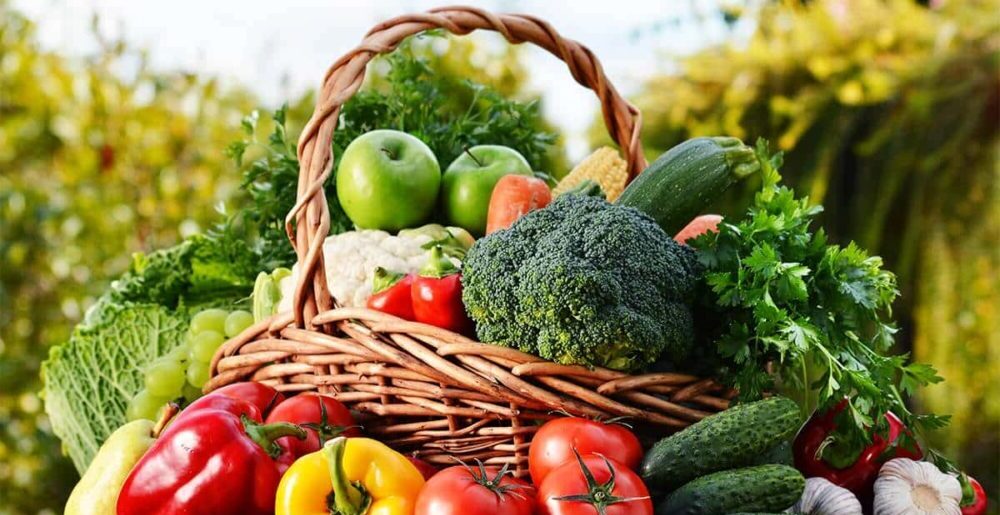
Vegetables for diabetes play a central role in day-to-day blood sugar control. Non-starchy choices, rich in fiber and micronutrients, help stabilize glucose after meals. This guide explains how to pick smart options, plan portions, and cook in ways that support steady readings without rigid rules.
Key Takeaways
- Non-starchy vegetables add volume, fiber, and nutrients with minimal glucose impact.
- Prioritize low-glycemic options, mindful portions, and balanced plates at meals.
- Steaming, roasting, and sautéing with healthy oils can limit spikes.
- Use simple weekly planning to keep vegetables front and center.
Vegetables for Diabetes: What Matters Most
Vegetables differ in starch content and glycemic effect. Non-starchy varieties—like leafy greens, broccoli, cauliflower, cucumbers, mushrooms, peppers, and zucchini—tend to have modest effects on post-meal glucose. They provide dietary fiber, potassium, and polyphenols that support metabolic health. In contrast, starchy vegetables—such as potatoes, corn, peas, and winter squash—contain more carbohydrates, so portions matter more.
Fiber slows carbohydrate absorption and can improve satiety, which may help with weight management. Aim to feature vegetables at lunch and dinner, and include them at breakfast when possible. Pairing vegetables with lean protein and healthy fats can further blunt glucose rises after meals. For deeper plant-first strategies that complement medical care, see Plant‑Based Nutrition for evidence-based context.
Glycemic Index Versus Load
The glycemic index (GI) ranks how quickly a carbohydrate food raises blood glucose (a measure of blood sugar rise). However, GI does not account for serving size. Glycemic load combines GI and portion size, better reflecting real-world effects. Many non-starchy vegetables have low GI and low load, meaning they typically produce smaller spikes. Use GI and load as guides, not strict rules, because mixed meals, cooking methods, and individual responses still influence outcomes. For broader context and ongoing diet topics, browse Diabetes Articles for structured guidance.
Low-Glycemic Choices and Fiber
Build meals around vegetables that deliver fiber with minimal starch. Good examples include spinach, kale, arugula, broccoli, Brussels sprouts, asparagus, bell peppers, green beans, eggplant, mushrooms, and cabbage. Try mixing raw and cooked textures: a crunchy slaw alongside steamed greens, or roasted broccoli with a leafy salad. This layering helps meet daily fiber targets while keeping flavors interesting. For deeper fiber strategies in a diabetes context, see our Diabetic Fiber Guide for practical thresholds and food swaps.
People often ask about what foods lower blood sugar immediately. No single vegetable works instantly; the body’s response depends on total meal composition, timing, and medication. Still, non-starchy vegetables—especially before or with carbohydrates—can moderate the average glucose rise. Tomatoes, for instance, are low in carbohydrate and pair well with proteins and olive oil. For practical pairing ideas, explore Tomatoes And Diabetes Control for preparation tips and serving examples.
Portion Sizes and Mealtime Strategies
Use the plate method to simplify choices. Fill half your plate with non-starchy vegetables, one quarter with lean protein, and one quarter with whole grains or starchy vegetables. This structure helps manage total carbohydrates without counting every gram. The American Diabetes Association describes this method clearly; for an overview, see the ADA plate method in a stepwise format. Adjust portions based on your blood glucose trends and clinical guidance.
Some readers prefer a simple diabetic diet food list to stay organized. Start by listing your reliable, non-starchy staples, then add rotating seasonal picks. Next, capture your protein and whole-grain options, along with fats like olive oil, nuts, and seeds. If you use glucose-lowering medicines, meal composition can influence readings. For context on drug classes and their roles, review Diabetes Medications Overview for mechanism summaries. Discuss any adjustments with your care team; for background on first‑line therapy, see Metformin as a commonly prescribed option.
Cooking Methods and Smart Shopping
Cooking affects texture, satiety, and glycemic impact. Steaming, roasting, air‑frying, or sautéing with small amounts of olive or canola oil can preserve fiber and reduce added calories compared with deep‑frying. Adding herbs, citrus, garlic, and spices builds flavor without added sugar. Casseroles and creamy sauces often hide extra carbohydrates and saturated fats, so consider portioning them thoughtfully. When pairing vegetables with proteins, choose lean seafood or poultry to keep meals balanced; for ideas, see Best Fish Choices for preparation tips relevant to blood sugar management.
Shopping can be streamlined. Fresh, frozen, and no‑salt‑added canned vegetables can all fit, so prioritize consistency over perfection. Drain and rinse canned vegetables and beans to reduce sodium. Keep cut vegetables ready in the fridge for quick sautés and sheet‑pan roasts. If weight management is also a goal, pairing vegetable-first meals with lifestyle change may help; for an overview of medication-assisted approaches, see GLP‑1 Weight Loss for evidence background and monitoring needs.
Foods To Limit with Diabetes
Understanding what foods to avoid with diabetes helps cut unnecessary spikes. Limit fried potatoes, chips, and creamy gratins; they combine high starch with added fats. Be cautious with sweet corn, peas, and winter squash portions when carbohydrates are concentrated elsewhere in the meal. Sauces and dressings with added sugar, as well as breaded vegetables, can add rapidly absorbed carbohydrates. Instead, reach for roasted, grilled, or steamed options with herbs, vinegar, or yogurt-based sauces.
When snacks are needed, choose vegetables with protein or healthy fats instead of refined crackers or pastries. Think bell pepper strips with hummus, cherry tomatoes with cottage cheese, or cucumber with Greek yogurt dip. For practical swaps and portable options, see Healthy Snacks For Weight Loss for ideas that fit balanced carbohydrate goals. If your regimen includes an SGLT2 inhibitor, carbohydrate moderation still matters; for class context, review Jardiance along with provider guidance.
Fruits and Cultural Variations
Fruits can fit with wise choices and portions. Favor low-sugar fruits for diabetics such as berries, kiwi, and small apples or pears. Whole fruits provide fiber that slows absorption compared with juices. Dried fruit is more concentrated; keep portions small and pair with nuts or yogurt. For general nutrition guidance with diabetes, see the NIDDK nutrition overview for meal-building principles and safety considerations.
Food traditions shape vegetable choices and meal patterns. For example, vegetables for diabetics indian cuisines often include bitter gourd, okra, eggplant, spinach, and cauliflower. These are typically non-starchy and work well in balanced plates when prepared with modest oil. For starches like potatoes or rice, consider smaller servings and add extra non-starchy sides. Spices such as turmeric, cumin, coriander, and fenugreek can deepen flavor without added sugars, supporting sustainable, culturally appropriate meals.
7-Day Veg‑Forward Meal Ideas
Use this framework as a flexible starting point, not a rigid rule. It illustrates a 7-day diet plan for diabetic patients focused on vegetables, balanced portions, and consistent carbohydrates across meals. Mix and match based on your preferences, glucose data, and clinical advice.
| Day | Breakfast | Lunch | Dinner |
|---|---|---|---|
| Mon | Veg omelet, greens, berries | Chopped salad, chickpeas, olive oil | Roasted broccoli, salmon, quinoa |
| Tue | Greek yogurt, cucumbers, walnuts | Tomato‑cucumber bowl, feta | Stir‑fried mushrooms, tofu, brown rice |
| Wed | Chia pudding, cinnamon, sliced pear | Spinach lentil soup, side salad | Cauliflower mash, turkey meatballs, greens |
| Thu | Cottage cheese, cherry tomatoes, basil | Roasted veggie wrap, hummus | Brussels sprouts, grilled chicken, farro |
| Fri | Avocado toast, radish, egg | Cabbage slaw, edamame, sesame | Asparagus, shrimp, whole‑grain pasta |
| Sat | Oats, pumpkin seeds, blueberries | Warm kale salad, beans, vinaigrette | Zucchini noodles, turkey bolognese |
| Sun | Scrambled eggs, sautéed peppers | Vegetable quinoa bowl, tahini | Eggplant bake, white beans, arugula |
Tip: If a dinner includes starchy sides, shift lunch carbohydrates lower. If lunch is grain-heavy, emphasize extra non-starchy vegetables at dinner. Monitor patterns and adjust with your clinician as needed.
Recap
Vegetable-first meals help control post-meal glucose while supporting overall nutrition. Build plates around non-starchy options, then add lean proteins and modest whole grains. Cook simply, portion thoughtfully, and plan ahead to make consistency easier.
Note: For additional reading across diet patterns and treatments, browse Diabetes Medications Overview for therapy context alongside nutrition.
This content is for informational purposes only and is not a substitute for professional medical advice.


