
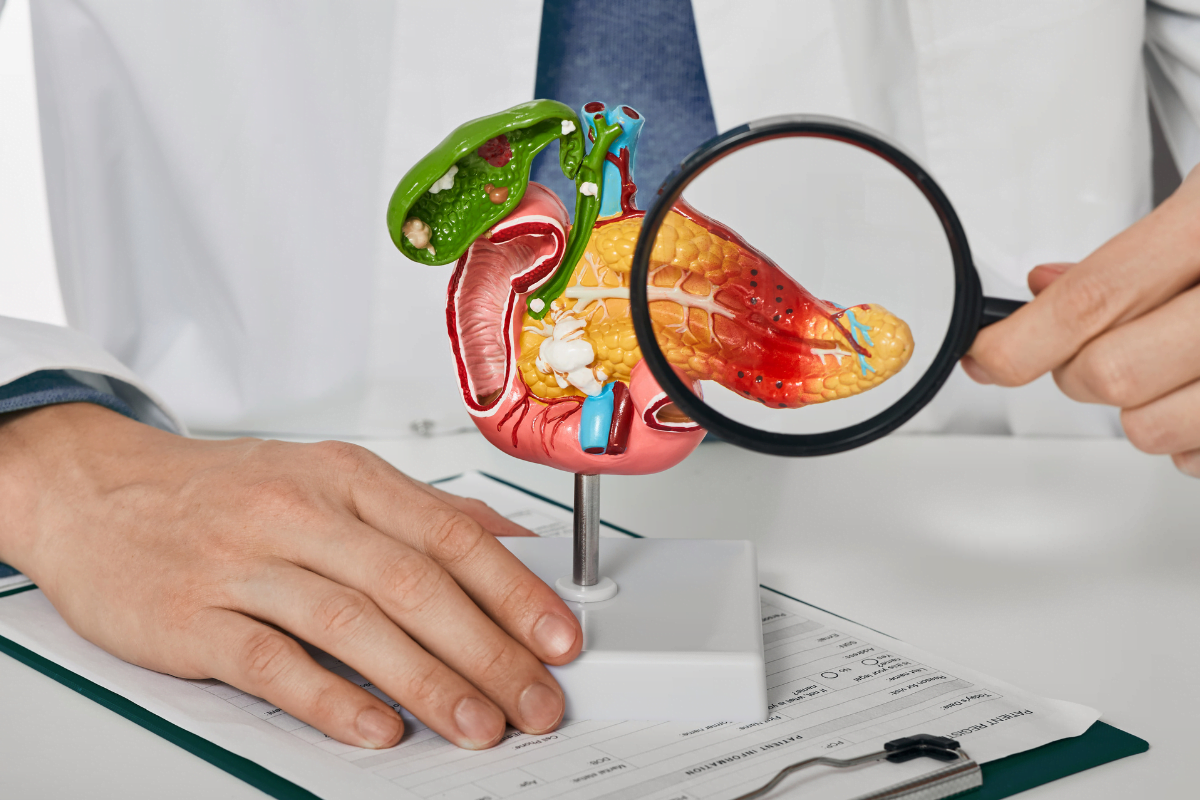
Concerns about GLP-1 medicines are rising, especially around the pancreas. Can Wegovy Cause Pancreatitis appears in many discussions because abdominal pain sometimes overlaps with routine side effects. This guide explains how to recognize warning signs, understand risk factors, and know what to do next.
Key Takeaways
- Pancreatitis is rare but serious; persistent, severe upper abdominal pain needs urgent evaluation.
- Gallstones, alcohol use, and very high triglycerides raise the baseline risk.
- Stop the drug and seek care if classic red flags develop or worsen.
- Most nausea and GI effects improve with slow titration and careful habits.
- Discuss history of pancreatitis or gallbladder disease before starting treatment.
Can Wegovy Cause Pancreatitis?
Wegovy (semaglutide) is a GLP-1 receptor agonist that slows gastric emptying and affects gallbladder motility. Pancreatitis (inflammation of the pancreas) has been reported rarely with this class. Observational data are mixed, but the prescribing information includes warnings and instructions to stop the medication if pancreatitis is suspected. That framework guides clinicians to treat new, severe abdominal pain seriously and to evaluate promptly.
The strongest signals often relate to gallbladder disease, which can indirectly trigger pancreatic inflammation through bile duct obstruction. Rapid weight loss itself can promote gallstone formation, adding a confounding factor. For official risk language and monitoring guidance, see the Wegovy prescribing information, which outlines evaluation steps and discontinuation criteria in the FDA-approved label. A broader overview of pancreatitis definitions and care basics is available from the National Institute of Diabetes and Digestive and Kidney Diseases in their pancreatitis resource.
For background on how dose escalation works, including stepwise adjustments that may reduce GI burden, see the Wegovy Doses Guide for structured titration context. If you want a product overview to understand device format and ingredients, the Wegovy page summarizes key specifications.
What Pancreatitis Is and Why It Matters
Acute pancreatitis is sudden inflammation of the pancreas that often presents with severe, constant upper abdominal pain. The pain typically radiates to the back, worsens with eating, and may be accompanied by vomiting, fever, or a rapid heart rate. Chronic pancreatitis involves lasting inflammation, progressive scarring, and malabsorption. Both forms can be serious. Early recognition helps clinicians prevent complications such as dehydration, infection, and organ stress.
Common triggers include gallstones (cholelithiasis), heavy alcohol use, very high triglycerides, certain medicines, and anatomical issues. In patients using GLP-1 medicines, clinicians watch for overlapping causes like weight-loss–related gallstones. Because routine GLP-1 side effects can mimic early pancreatic symptoms, taking a careful history is important. Sudden, intense pain that persists or worsens is a key differentiator from typical transient nausea or fullness.
Common Diagnostic Steps
When pancreatitis is suspected, clinicians usually check serum lipase and amylase. A lipase level three times above normal supports the diagnosis, especially with compatible symptoms. In complex cases, imaging such as ultrasound looks for gallstones or duct dilation, while CT helps assess severity or complications. Additional tests may include liver enzymes, triglycerides, and hydration status. Because medication history matters, bring a full list of prescriptions, over-the-counter products, and supplements to any urgent visit. Early fluids and supportive care often start before imaging is complete.
Recognizing Warning Signs and When to Seek Care
Know the red flags that should prompt urgent evaluation. Severe, steady upper abdominal pain lasting for hours and radiating to the back is the hallmark symptom. Pain may begin suddenly after a meal, especially a high-fat meal. Persistent vomiting, fever, or an elevated heart rate increase concern and warrant assessment in an urgent setting.
People sometimes search for wegovy pancreatitis symptoms after a difficult dose increase. Symptoms to monitor include severe pain that does not improve, guarding or tenderness on exam, and dark urine or yellowing eyes, which suggest biliary involvement. If these signs occur, stop the medication and seek medical care. Do not wait for symptoms to “settle” if they remain intense or worsen.
Risk Factors and Who Should Avoid Treatment
Certain histories raise the baseline risk of pancreatic or gallbladder problems. These include prior pancreatitis episodes, known gallstones, heavy alcohol use, very high triglycerides, and some anatomical or genetic conditions. Rapid weight loss also increases gallstone formation risk. Discuss these factors with your clinician before starting or while continuing semaglutide.
Clinicians may be cautious with those who fall into who should not take wegovy categories, such as people with a known hypersensitivity to components or a strong history of med‑related pancreatitis. Gallbladder health is a key thread during monitoring; for a deeper look at bile sludge, gallstones, and mitigation strategies, see Wegovy and Gallbladder Health for mechanism and warning-sign context. You can also explore our Gastrointestinal articles for related digestive topics and safety checkpoints.
Nausea and GI Effects: What’s Typical vs Concerning
Many patients experience queasiness, fullness, or constipation during dose increases. These effects usually lessen over time with careful titration, smaller meals, and hydration. People often ask, when do wegovy side effects start; most occur after dose changes or meals, not randomly at night without a pattern. By contrast, pancreatitis pain is severe, persistent, and often radiates to the back, irrespective of meal timing.
Supportive measures include bland foods, ginger tea, electrolyte fluids, and avoiding heavy, greasy meals. Some clinicians consider temporary antiemetics (anti-nausea medicines) for tough weeks, but ongoing reliance suggests the plan needs reassessment. If vomiting or pain escalates instead of improving, contact your healthcare team promptly to rule out non-routine complications.
Diet, Alcohol, and Gallbladder Considerations
Diet plays a role in comfort and risk reduction. High-fat meals increase gallbladder contraction and can aggravate biliary colic. Smaller, balanced meals with lean protein and fiber often feel better during titration. Rapid weight loss can crystallize bile components into gallstones, so steady, sustainable changes are a safer approach.
Some readers ask about foods to avoid when taking wegovy. Greasy takeout, fried foods, and heavy cream sauces often worsen symptoms. Alcohol is a separate risk factor because it independently raises pancreatitis risk. For broader nutrition context with GLP‑1 therapies, see Diet and Weight Loss for practical meal-planning guardrails during treatment.
Managing Side Effects: Practical Strategies
Side effects management starts with predictable routines. Eat slowly, pause between bites, and stop at early fullness. Space fiber and hydration across the day. If a new dose feels rough, schedule lighter meals for 48 hours. Gentle activity, such as walking, supports gastric motility and comfort.
People frequently ask, how do you stop feeling sick on wegovy. Helpful steps include eating smaller portions, minimizing fat at dose changes, and avoiding alcohol during bad GI days. If symptoms persist or escalate, discuss timing, alternative agents, or slower titration with your clinician. For a comparison of GI profiles with another GLP‑1 medicine, see Saxenda Side Effects for overlapping and distinct tolerability themes.
Which Side Effects Need Urgent Attention
Most GI effects are self-limited, but a subset requires urgent care. Severe, unrelenting upper abdominal pain is the top concern. Other red flags include persistent vomiting, dehydration signs, fever, jaundice, chest pain, or fainting. Sudden or worsening pain following a heavy meal may point to biliary involvement.
Patients often ask, what are the worst side effects of wegovy. Dangerous complications include suspected pancreatitis, gallbladder inflammation, bowel obstruction, or severe allergic reactions with swelling and breathing trouble. Cardiovascular symptoms warrant rapid evaluation too; for related context on blood pressure and clot risks, see Wegovy And Your Heart for cautionary signs and triage pointers.
Long-Term Safety and Cancer Signals: A Balanced View
Long-term safety data continue to mature as more people use semaglutide. Rodent studies identified C‑cell thyroid tumors at high exposures, leading to a boxed warning and avoidance in people with a personal or family history of medullary thyroid carcinoma or MEN2. Clinical evidence in humans has not confirmed a causal link, but vigilance continues. Routine neck checks for new lumps or hoarseness are reasonable.
Discussions about wegovy cancer risk also explore pancreatic or colorectal concerns. Current human data do not show a clear increase, though research is ongoing. For official language about thyroid tumor risk and risk mitigation, refer to the FDA label, which explains the boxed warning and screening cautions. For broader cardiometabolic context, see Wegovy Cardiovascular Benefits to understand benefits that may offset certain risks.
Comparisons, Special Populations, and Alternatives
Some patients consider alternative incretin therapies if GI tolerability remains difficult. Each option has a unique profile and titration plan, and switching may help certain individuals. For mechanism and effect differences, see Wegovy vs Mounjaro to compare receptor targets and practical considerations. Age also shapes tolerability and risk discussions.
To understand how teens, adults, and older adults may differ, review Age-Related Considerations for monitoring nuances across life stages. If long-term planning includes weight maintenance after stopping therapy, Ozempic Rebound offers strategies to preserve progress and reduce regain risk once dosing changes.
Practical Monitoring and Follow-Up
Set expectations before starting treatment. Discuss past pancreatitis, gallstones, alcohol use, triglyceride levels, and family thyroid history. Plan structured check-ins during titration and after dose changes to review symptoms. Keep a simple symptom log that records meal timing, dose days, nausea severity, and any abdominal pain patterns. This helps distinguish routine side effects from atypical pain.
Women may experience sex-specific issues like postpartum gallstones or hormonal influences on bile composition. While most side effects are similar between sexes, clinicians sometimes emphasize gallbladder vigilance for those with recent pregnancies. For heart-health monitoring, consider periodic blood pressure checks and cardiovascular risk reviews; see Wegovy Cardiovascular Benefits for a concise look at cardiometabolic effects that inform shared decision-making.
Recap
Pancreatitis remains an uncommon but important safety concern. Watch for persistent, severe upper abdominal pain, especially with vomiting or back radiation. When in doubt, stop the medication and seek prompt evaluation. Most routine GI effects ease with time, slow titration, and steady diet habits, while gallbladder risks can be reduced by avoiding very high-fat meals and rapid weight swings.
Thoughtful monitoring, early symptom reporting, and individualized plans help keep therapy safe. For more cardiometabolic and gastrointestinal topics tied to semaglutide, browse our Weight Management and Gastrointestinal hubs for connected guidance and context.
Note: If severe symptoms emerge, do not wait for improvement; seek urgent care to rule out complications.
This content is for informational purposes only and is not a substitute for professional medical advice.


