
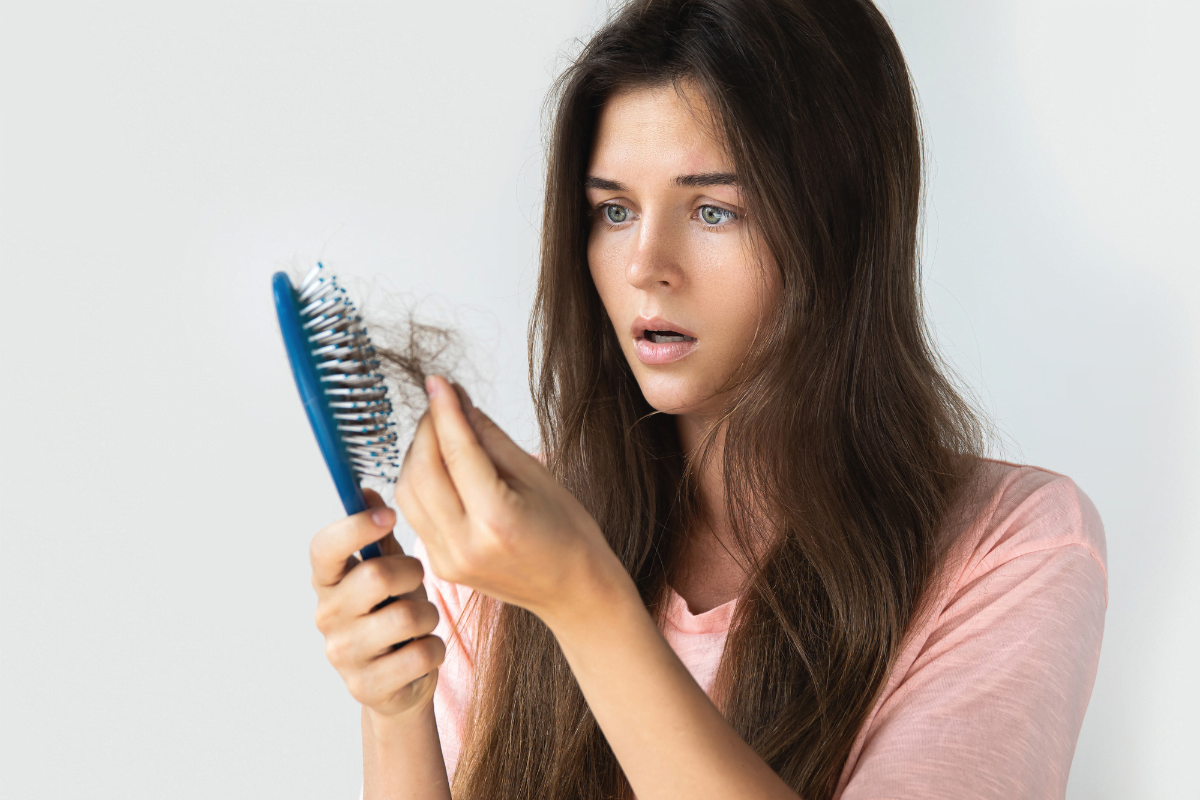
Many people ask about Wegovy hair loss when weight drops quickly. Most shedding during intensive weight loss reflects stress on the hair cycle, not scarring or permanent damage. Understanding the pattern, triggers, and timing helps you respond early and set realistic expectations.
Key Takeaways
- Common pattern: temporary shedding after rapid weight change.
- Main driver: hair cycle stress plus nutrition gaps.
- Action plan: slow titration, adequate protein, lab checks.
- Recovery: regrowth usually follows stabilization and repletion.
Wegovy Hair Loss: What We Know
Hair shedding during pharmacologic weight loss appears in clinics and patient reports. In trials, alopecia was not highlighted as a common adverse reaction for semaglutide; labeling focuses on gastrointestinal effects, gallbladder issues, and rare thyroid tumors. For context on listed reactions, see the U.S. prescribing information for semaglutide, which summarizes observed events and cautions (Wegovy prescribing information).
Most observed cases follow a stress-shedding pattern rather than inflammatory scalp disease. That distinction matters because stress-driven shedding is usually reversible once triggers resolve. To understand how non-scarring shedding behaves, the American Academy of Dermatology provides accessible guidance on hair cycle disruptions (AAD overview of hair shedding).
For titration timelines that may reduce side effects, see Wegovy Doses Guide, which explains stepwise dose increases.
Why Weight Loss Can Trigger Hair Shedding
Rapid, substantial weight loss can push more follicles into a resting-and-release state known as telogen effluvium. The body prioritizes essential systems during energy or micronutrient strain, so hair cycling may temporarily slow. The result is diffuse shedding two to three months after the stressor begins, often noticed in the shower or on brushes.
Alongside calorie deficits, inadequate protein and low iron stores can amplify shedding. Hair shafts are protein-rich, and growth needs amino acids plus iron, zinc, and B vitamins. When your plan emphasizes speed over adequacy, hair often “votes” against it. For nutrition tactics during treatment, see Diet and GLP-1s for protein and micronutrient strategies.
Tip: Keep a simple shedding log and monthly photos. Tracking helps separate normal daily loss from true increases.
Is It the Drug, the Diet, or Both?
Semaglutide lowers appetite and improves glycemic control through GLP-1 receptor agonism. The appetite effect can unintentionally reduce protein and micronutrient intake, especially early in therapy. Reports of glp-1 hair loss likely mix medication effects with secondary nutritional shortfalls and the physiologic stress of rapid change.
Current labels for semaglutide emphasize gastrointestinal and metabolic adverse events, and hair loss is not a featured reaction in those summaries (see label details). Still, shedding can occur during significant weight shifts from any method. Comparing mechanisms and side-effect patterns may help decisions; for context, see Wegovy vs Mounjaro to understand how these drugs work.
Who Is More Likely to Notice Thinning?
People with low iron stores, thyroid imbalance, recent illness, or postpartum status have higher baseline shedding risk. Those with a family history of pattern hair loss may notice more density change because underlying miniaturization reduces reserve. It is reasonable to ask, does wegovy cause hair loss in certain groups, or do pre-existing risks simply show up during weight loss?
Metabolic conditions can also intersect with hair biology. For broader pathways linking glucose metabolism and scalp health, see Diabetes and Hair Loss. If you also use biguanides, review Metformin Hair Loss to understand reports and confounders.
What You Can Do Now (Evidence-Based)
Focus on adequacy first. Most adults benefit from a consistent protein target spaced through the day, alongside iron- and zinc-rich foods. Consider a slower dose ramp and gentler calorie deficit to reduce physiologic stress. If shedding starts, how to stop hair loss from glp-1 becomes a practical question of optimizing nutrition and confirming common deficiencies.
Ask your clinician about screening ferritin, complete blood count, TSH, and vitamin D if shedding is new. Discuss topical minoxidil (a scalp vasodilator) if appropriate, which can support density during recovery. A gentle scalp routine and minimizing hot tools helps preserve brittle fibers. For a broader medication landscape, see Best GLP-1 Picks 2025 to understand alternatives if switching is considered.
For guidance on balancing diet quality with treatment, see Diet and GLP-1s and review protein strategies. If you and your prescriber are adjusting the schedule, Wegovy Doses Guide outlines dose steps used in practice.
Iron sufficiency is particularly important for shedding recovery; clinical sources outline why iron status matters for hair biology (NIH iron fact sheet).
How Long It Lasts and What Recovery Looks Like
Stress-related shedding usually stabilizes once triggers improve, followed by gradual thickening as follicles re-enter growth. The common question is semaglutide hair loss reversible how long; no timeline fits everyone because the hair cycle is slow and individual reserves vary. Many people see a peak of shedding, a plateau, and then a quiet return of density as new hairs extend.
Expect uneven coverage during the rebound phase because short regrowth does not mask contrast on longer hair. Keeping caloric deficit moderate and nutrients steady supports that phase. Regular check-ins allow dose, diet, and labs to evolve together. For more structured reading on skin and hair, browse Dermatology Articles for related topics.
Before-and-After Expectations and Online Reports
Social media highlights dramatic cases, which can distort baselines and timelines. Search interest for ozempic hair loss rose with weight-loss coverage, but individual experiences differ widely. Lighting, styling, and density illusions also exaggerate change in photos. Focus on objective measures: part width, ponytail circumference, and shedding counts over weeks.
If you are using semaglutide without diabetes, see Ozempic for Non‑Diabetics for context on benefits and risks. To plan maintenance after active weight loss, review strategies in Ozempic Rebound, which discusses preventing rapid regain that can also stress hair.
Compare With Other GLP-1 Drugs
Different incretin-based medicines share appetite effects but vary in dosing, tolerability, and weight-loss magnitude. Some agents combine multiple receptors, which can change gastrointestinal intensity and dietary intake. Switching within the class may help side effects for some people, but nutrition hygiene still matters.
To compare agents if you are considering changes, see Tirzepatide vs Semaglutide for key differences. For a mechanism and profile overview, read Wegovy vs Mounjaro. Broader options and selection criteria are outlined in Best GLP‑1 Picks 2025 to frame discussions with your clinician. For additional topics across obesity care, explore Weight Management Articles to guide next steps.
Recap
Shedding during pharmacologic weight loss is usually temporary and driven by hair-cycle stress. Aim for steadier nutrition, attentive titration, and timely lab checks. Align expectations with the slow biology of regrowth, and track progress with simple, objective measures.
Note: If shedding is patchy, accompanied by scalp symptoms, or rapidly progressive, seek an in-person evaluation to exclude other hair disorders.
This content is for informational purposes only and is not a substitute for professional medical advice.


