

Wegovy hair loss is usually linked to rapid weight loss, lower food intake, and hair-cycle stress rather than permanent follicle damage. The shedding pattern often resembles telogen effluvium, a temporary shift where more hairs enter the resting phase and shed weeks later. That distinction matters because the right response is usually nutrition review, lab screening, and scalp assessment rather than panic or abrupt medication changes.
Key Takeaways
- Common pattern: diffuse shedding after rapid weight change.
- Main triggers: calorie deficit, low protein, and low iron stores.
- Medication role: appetite reduction may indirectly affect hair nutrition.
- Recovery outlook: regrowth often follows stabilization and deficiency correction.
- Red flags: patchy loss, scalp pain, scaling, or sudden severe thinning.
What Wegovy Hair Loss Usually Means
Most hair shedding during semaglutide-assisted weight loss follows a stress-shedding pattern, not scarring hair loss. In plain terms, the follicle is usually still alive, but the hair cycle has been disrupted by a major body change. This is why shedding may appear after weight loss is already underway, rather than on the first day of treatment.
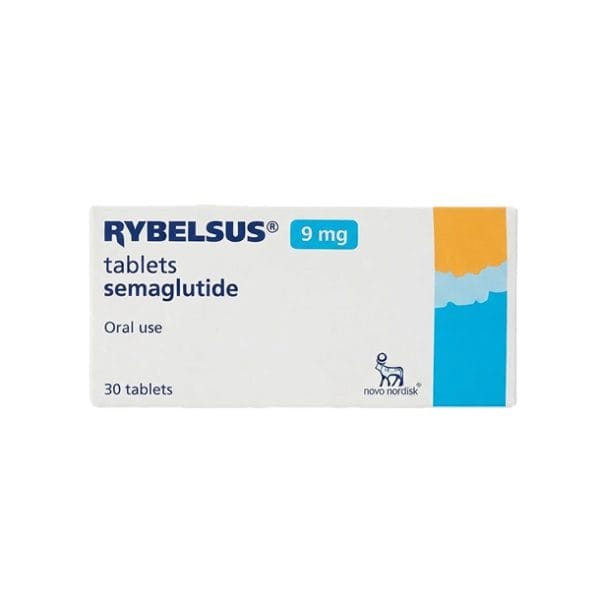
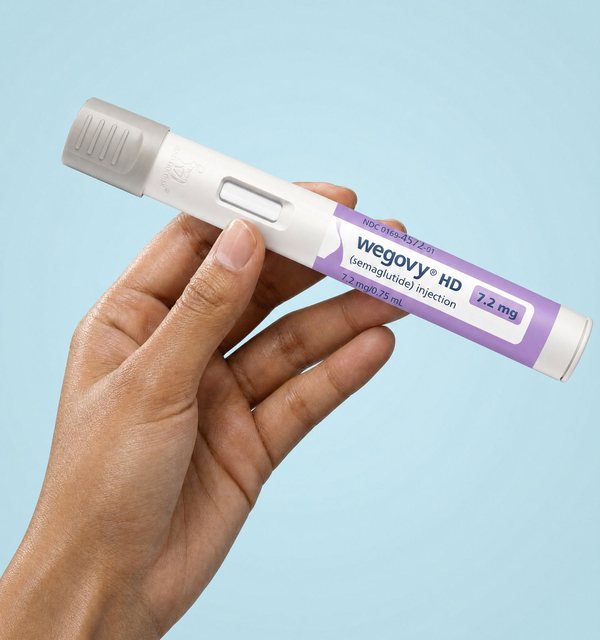
Wegovy contains semaglutide, a GLP-1 receptor agonist used for chronic weight management in eligible adults and some adolescents. Its appetite effect can make meals smaller and less frequent. That can help weight goals, but it can also reduce protein, iron, zinc, and other nutrients if meals become too light or repetitive. For a broader medication overview, see Semaglutide Safety and Expectations.
Clinical labeling for semaglutide focuses mainly on gastrointestinal effects and specific safety warnings. Hair loss is discussed less prominently than nausea, vomiting, diarrhea, gallbladder problems, and other labeled concerns. Still, many people report shedding during substantial weight change, so the symptom deserves a structured review rather than dismissal.
Why it matters: Treating the trigger early may reduce prolonged shedding and anxiety.
Does Wegovy Cause Hair Loss Directly?
The best answer is cautious: Wegovy may be associated with shedding in some people, but rapid weight loss and lower nutrient intake are often the more likely drivers. Hair follicles respond to physiologic stress. A strong calorie deficit, illness, surgery, childbirth, thyroid imbalance, or low iron can all shift follicles into the resting phase.
That shift is called telogen effluvium. It usually causes diffuse shedding across the scalp, rather than a single bald patch. People often notice more hair in the shower drain, on pillows, or in a brush. The scalp may look thinner at the part line or temples because density drops evenly, even when the hairline itself has not changed.
The timing also offers clues. Telogen effluvium often becomes visible about two to three months after a trigger. With GLP-1 medicines, the trigger may be rapid weight loss, reduced intake during nausea, a recent dose escalation, or several factors together. If shedding begins soon after major dietary restriction, the diet pattern may be as important as the medication.
For side-effect context during treatment, the page on Wegovy Gastrointestinal Side Effects explains why nausea and appetite changes can affect daily intake. If food variety drops, hair nutrition can become harder to maintain.
Why Weight Loss Can Trigger Shedding
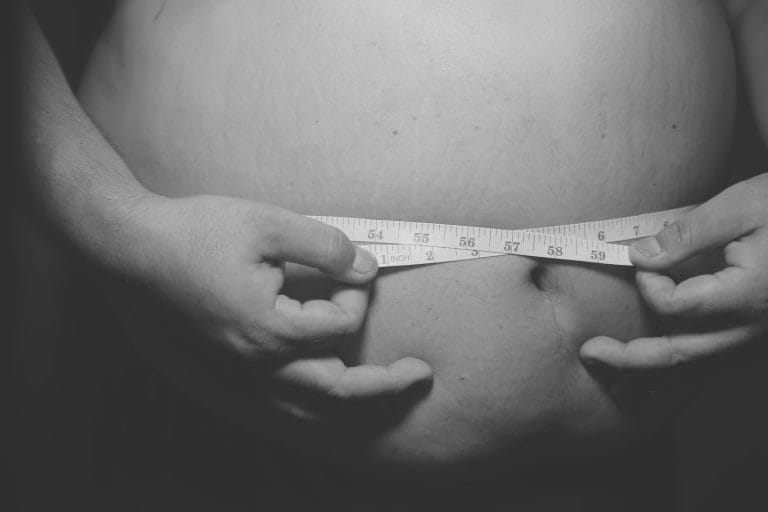
Rapid weight loss can trigger shedding because hair growth is energy-sensitive. Hair is not essential for short-term survival, so the body may reduce support for growth when calories, protein, or micronutrients fall too low. The effect can be more noticeable when weight loss is fast, sustained, or paired with poor appetite.
Protein matters because hair shafts contain keratin, a structural protein. Low protein intake may not cause shedding overnight, but it can weaken the growth environment over time. Iron stores also matter, especially in people who menstruate, follow restrictive diets, have a history of anemia, or have gastrointestinal symptoms that limit intake.
Zinc, vitamin D, and B vitamins may also be checked in selected cases, but supplementation should match an actual need when possible. Taking high-dose supplements without testing can miss the real cause and sometimes create new problems. A clinician can help decide which labs fit your history.
Meal planning is one practical lever. A Wegovy plan should usually protect nutrient density, not only reduce calories. For food structure and common intake issues, review Wegovy Diet Plan. It can help you think through protein, fiber, hydration, and meal tolerance during therapy.
If you are trying to estimate a general protein range for meal planning, a calculator can support the conversation. It does not replace a clinician or registered dietitian, especially with kidney disease, pregnancy, eating disorder history, or complex diabetes care.
Protein Intake Calculator
Estimate daily protein grams from body weight and nutrition goal.
These calculations are for education only and do not replace clinical advice, diagnosis, or treatment. Always confirm medical decisions with a qualified healthcare professional.
How to Reduce the Risk While Using a GLP-1 Medicine
You cannot prevent every case of Wegovy hair loss, but you can reduce several common triggers. The goal is to avoid making weight loss nutritionally harsher than it needs to be. Small, consistent changes often work better than late rescue efforts after shedding becomes obvious.
Protect protein at each meal
Many people eat much less after starting treatment. That can make protein the first nutrient to fall. Spacing protein across the day may be easier than forcing one large meal. If nausea limits solid foods, discuss tolerable options with a clinician or dietitian instead of relying only on snacks or liquids with little protein.
Avoid overly aggressive restriction
Fast loss can feel rewarding, but it may increase physiologic stress. A very low calorie pattern can also worsen fatigue, constipation, dizziness, and nutrient gaps. If appetite suppression is strong, tell your prescriber. Do not change your dose schedule on your own, but do ask whether your titration and intake pattern need review.
Check common medical contributors
Ask about lab screening if shedding is new, persistent, or concerning. Common discussions include complete blood count, ferritin, thyroid-stimulating hormone, vitamin D, and other tests based on symptoms. This is especially relevant if you have heavy periods, recent illness, postpartum status, known thyroid disease, or a history of low iron.
Safe weight-management strategies should also account for side effects and realistic habits. The article on Increasing Weight Loss Safely discusses why more aggressive is not always better. For many people, steadier progress is easier to nourish and maintain.
Quick tip: Track shedding, weight change, and protein intake for four weeks before your appointment.
When Thinning Needs a Closer Look
Diffuse shedding after weight loss is common, but not all thinning is telogen effluvium. Some people have overlapping androgenetic alopecia, also called pattern hair loss. In that case, weight-loss shedding can reveal a pre-existing tendency because the scalp has less density reserve.
Other conditions can mimic or worsen shedding. Alopecia areata may cause round patches. Seborrheic dermatitis or psoriasis can cause scaling and inflammation. Traction from tight hairstyles can thin the hairline. Medication changes, autoimmune disease, thyroid disease, and iron deficiency can also contribute.
Seek an in-person evaluation if hair loss is patchy, painful, scaly, rapidly progressive, or associated with redness, sores, or pus. Also seek care if you have symptoms such as severe fatigue, palpitations, unexplained cold intolerance, heavy menstrual bleeding, or unintended nutritional restriction. These clues can point beyond routine weight loss hair shedding.
Dermatology evaluation may include scalp examination, pull testing, dermoscopy, or selected bloodwork. For broader skin and hair topics, the Dermatology Articles collection can help you find related educational material.
Will It Grow Back?
Hair often regrows after telogen effluvium once the trigger settles and nutritional gaps improve. The process is slow because hair grows in cycles. Shedding may calm first, while visible density takes longer to improve because new hairs need time to lengthen.
Wegovy hair loss may feel especially alarming because it can appear after visible weight changes. That timing can make people assume the medication is directly damaging follicles. In many cases, the follicle is cycling rather than destroyed. Short regrowth may appear as fine hairs near the hairline or part before overall thickness looks better.
Stopping Wegovy is not automatically required for shedding, and it may not address the true trigger if nutrition, thyroid status, iron stores, or pattern hair loss is involved. Decisions about continuing, pausing, or switching medication should be made with the prescriber who understands your full risk profile. If you want more context on the medication’s role in weight care, see Wegovy Weight Loss.
Topical minoxidil may be discussed in some cases, especially when pattern hair loss overlaps with shedding. It is not right for everyone, and it can cause temporary increased shedding when started. A clinician or dermatologist can help decide whether it fits the diagnosis, pregnancy status, medical history, and scalp condition.
Before-and-After Photos and Online Reports
Before-and-after photos can be useful, but they can also mislead. Lighting, hair color, styling, extensions, wet hair, and camera angle can exaggerate thinning. A wider part line in one photo does not always prove ongoing follicle loss.
Use more objective tracking if you are worried. Take monthly photos in the same light, with the same part and hairstyle. Note ponytail circumference if you wear your hair long. Track major changes in food intake, dose timing, illness, stress, and weight loss rate. These details help your clinician separate temporary shedding from other hair disorders.
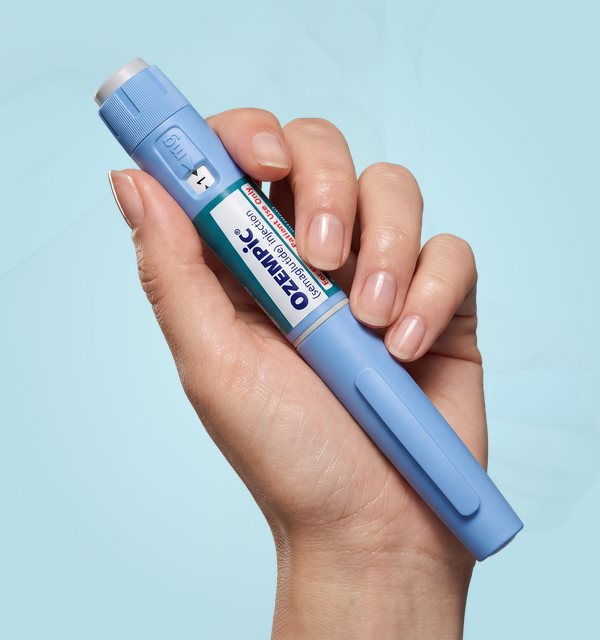
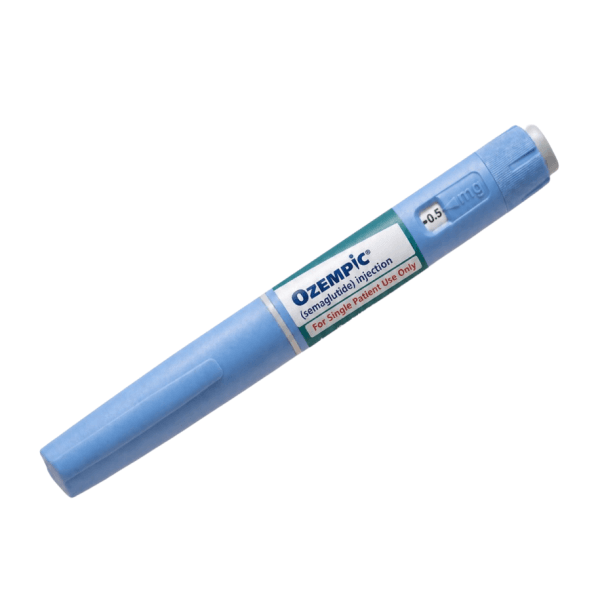
Online reports about Ozempic, Wegovy, and other GLP-1 medicines often mix different situations. Some users have diabetes, some do not. Some lose weight rapidly, while others have nausea or restrictive eating. Some already have low iron or pattern hair loss. This is why a personal review is more useful than comparing your scalp to a stranger’s photo.
People comparing GLP-1 options can browse the Weight Management Articles collection for related education. Internal reading can support better questions, but it should not replace individualized medical advice.
Practical Questions to Bring to Your Clinician
A focused appointment can save time and reduce uncertainty. Bring your medication timeline, weight trend, dietary pattern, symptoms, and photos if possible. Include any recent illness, surgery, childbirth, major stress, or new medicines.
- Timing: when shedding started and whether it peaked.
- Pattern: diffuse thinning, patches, itching, pain, or scaling.
- Nutrition: typical protein intake and missed meals.
- Labs: ferritin, blood count, thyroid, and vitamin D if appropriate.
- Medication plan: dose tolerance, nausea, vomiting, and intake barriers.
- Family history: pattern hair loss in close relatives.
If you use or are considering semaglutide products, product pages can help you understand the medication category without replacing prescriber guidance. See Wegovy for product-specific context, and discuss any treatment decisions with your healthcare professional.
Authoritative Sources
For official adverse reaction and warning details, review the Wegovy prescribing information. Product labeling is the most direct source for listed risks, precautions, and safety language.
For a plain-language overview of telogen effluvium and other hair loss patterns, see the American Academy of Dermatology telogen effluvium resource. It explains how stress-related shedding differs from other forms of alopecia.
For iron biology and deficiency context, the NIH iron fact sheet summarizes iron status, intake, and clinical considerations.
Recap
Wegovy hair loss is most often a temporary shedding pattern linked to rapid weight change, reduced intake, or nutrient gaps. The practical response is to protect protein, avoid extreme restriction, review side effects that limit eating, and ask about targeted labs when shedding is new or persistent. Patchy loss, scalp symptoms, or rapid progression should be evaluated in person.
CanadianInsulin.com is a prescription referral platform, and dispensing is handled by licensed third-party pharmacies where permitted. That service context does not replace clinical care; medication concerns and hair changes should be reviewed with your own prescriber or dermatologist.
This content is for informational purposes only and is not a substitute for professional medical advice.