
Key Takeaways
World Diabetes Day anchors a global push for prevention, early detection, and equitable care. Use this practical guide to shape evidence-informed events, messages, and materials for 2025.
- Clear goals first: awareness, screening, or education.
- Design visuals that match campaign symbols and tone.
- Use short, plain-language talks with a clinical backbone.
- Track impact with consistent, simple metrics.
What Is World Diabetes Day?
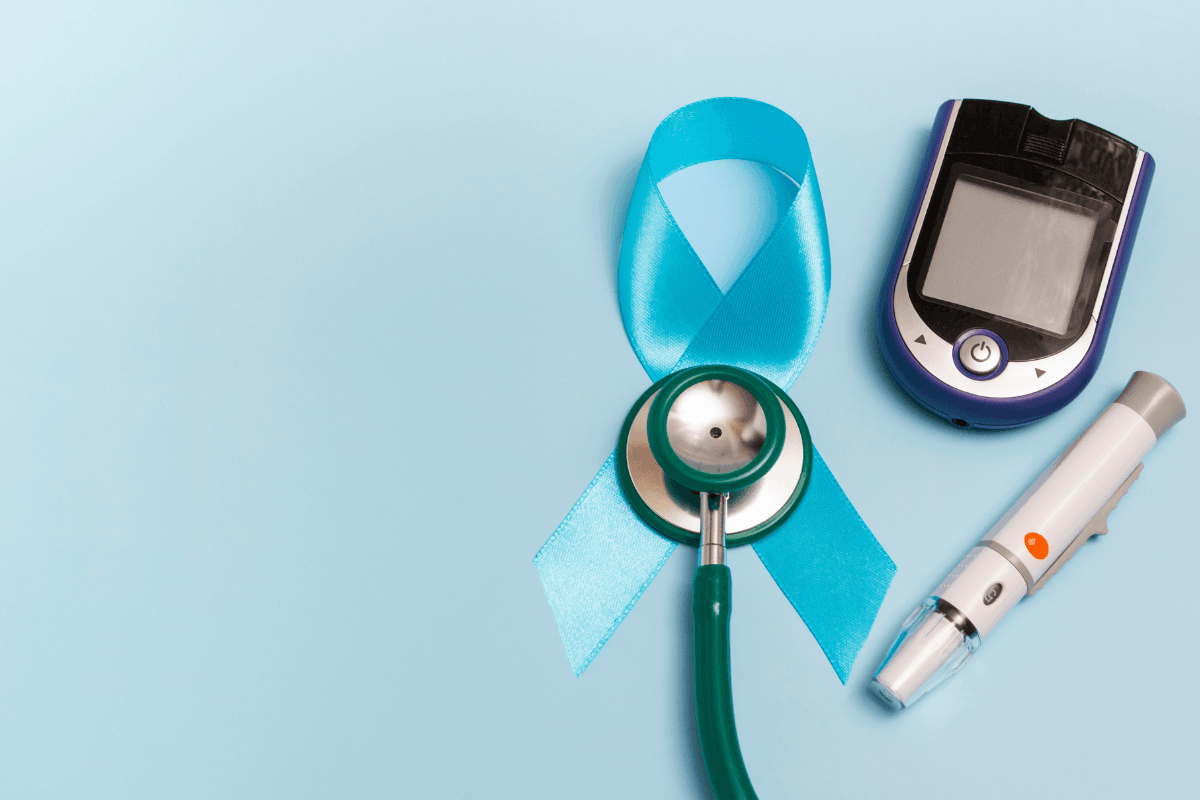
Each year on November 14, the diabetes community highlights prevention, early detection, and access to care. The blue circle symbol reflects solidarity and a global commitment to address rising prevalence. The observance supports people living with diabetes and those at risk, while advancing health literacy across diverse audiences.
WHO and partners recognize the growing burden and the need for strong prevention programs. For high-level epidemiology and risk factors, see the WHO fact sheet to ground your messaging with current data. Campaign-specific resources, including assets and timelines, are available from the IDF campaign page, which coordinates materials and annual themes.
2025 Focus: Access, Equity, and Early Detection
While official slogans evolve, planning can center on practical needs that persist year to year. Expect ongoing emphasis on screening access, early diagnosis, and continuity of care, especially in underserved settings. Use equity-driven tactics: multilingual handouts, health-literacy checks, and navigation help for community clinics and programs.
If you need a concise tag for internal planning, reference American Diabetes Month 2025 for coordinated November messaging, which helps align activities across longer campaigns. As official updates finalize for world diabetes day 2025, adjust visuals and micro-messages rather than rebuilding your entire plan.
Activities That Make an Impact
Design activities that are measurable and safe. Consider blood pressure checks, risk assessment stations, and foot screening education (inspection technique, warning signs, and referral pathways). Offer short sessions on A1C, time-in-range, and hypoglycemia (low blood sugar) recognition, using simple visuals and bilingual handouts where appropriate.
Balance clinical accuracy with clarity. For medication overviews, see Common Diabetes Medications to prepare accurate teaching notes. When explaining insulin formats or demonstrations, the Insulin Cartridges Guide offers helpful context for device types and patient considerations. To support behavior change, run a 14-day walking challenge and a label-reading demo for packaged foods. Include peer-led stations to improve trust and uptake of world diabetes day activities.
Visuals and Messaging: Logos, Posters, and Quotes
Use the official blue circle and consistent colors to maintain recognizability. If the campaign refreshes assets, apply the updated wordmarks and ensure high-contrast layouts. Many teams adapt templates to local languages while keeping core design elements intact. Avoid clutter; one message per poster works best for attention and recall.
Include short quotes and practical reminders, like “Check your risk, book your test,” next to a QR code linking to local screening. If you reference prior years’ assets—such as the 2024 logo update or the 2023 theme—contextualize any changes and avoid outdated statistics. For broader context across topics, browse Diabetes Articles to align your visuals with current educational content. When you need reusable formats, design a clean world diabetes day logo placement grid for posters, stickers, and online banners.
Crafting a Short Speech or Message
Keep remarks under three minutes. Lead with a local data point, add a patient-centered story (de-identified), and close with a clear call to check risk or book screening. Use clinical terms with simple glosses, such as neuropathy (nerve damage) or retinopathy (eye disease), to balance precision and clarity.
Rehearse for pace and emphasis. Consider a one-line quote to anchor attention, but avoid fear-based framing. If you need a ready outline—opener, problem, action, support—practice each line out loud for cadence and clarity. Provide a handout or QR code for next steps immediately after your world diabetes day speech.
School and Campus Engagement
Students respond to hands-on learning. Run a sugar-in-drinks demo, a label-reading relay, and a myth-busting station led by trained peer educators. Include a 10-minute session on sleep, stress, and physical activity, and pair it with a safe, supervised walking loop. Offer culturally inclusive snacks and emphasize daily routines over perfection.
Coordinate with health teachers and coaches to keep messaging consistent. For a week-long series, map activities to grade levels and reading levels, then distribute take-home sheets. The Diabetes Education Week overview can help frame learning objectives and tools. For device literacy stations, the Type 1–5 Diabetes Overview clarifies differences that students should understand. When planning world diabetes day activities for students, set age-appropriate goals and safeguard privacy.
Week and Month: Planning Beyond the Day
Extend your efforts through November to build habit formation. Set a weekly cadence: education on Mondays, movement challenges midweek, and screening navigation on Fridays. Link with community clinics for referral pathways and ensure every event includes a clear next step, such as booking screening or joining a support group.
Connect your plan to broader campaigns so messages reinforce each other. For context on November activities, see Diabetes Awareness Month for themes that complement your events. If you need to coordinate regional timing and partnerships, align your calendar with world diabetes month while maintaining local relevance and accessibility.
Measurement: How to Track Awareness Gains
Pick simple metrics and gather them consistently. Track attendance, handout scans, QR code clicks, screening sign-ups, and referrals completed. Use a short, anonymous feedback form to rate clarity, relevance, and the likelihood of taking a next step. Keep questions at a seventh- to eighth-grade reading level to improve response quality.
Record what worked and what stalled. Save poster files, scripts, and run-of-show notes with dates and outcomes. Compare this year’s metrics with last year’s to identify patterns worth repeating. When possible, stratify results by language, age group, and setting to improve reach in communities with higher risk.
Safe, Inclusive Events: Health Literacy and Cultural Respect
Safety and respect come first. When offering any screening, partner with licensed clinicians and follow local regulations. Confirm privacy, informed consent, and single-use supplies. Train volunteers on respectful language, person-first phrasing, and how to escalate medical questions appropriately. Provide quiet spaces for sensitive conversations and clear signage for the care pathway.
Match examples and recipes to local cultures and budgets, and check handouts for readability. If you reference heart and eye complications, link to resources participants can use later; for example, see Diabetes Heart Connection Day for cardiovascular messaging alignment and Diabetic Eye Disease Month for vision-health reminders. Framing your event as a diabetes awareness day can help partners understand the scope and safety standards.
Visual Assets: Posters, Logos, and File Prep
Prepare print assets in advance. Build a master poster with interchangeable tiles: headline, one data point, action, and QR code. Save files in both PDF/X for print and high-resolution PNG for digital use. If you need quick layouts, keep a one-column template for social media and a two-column template for bulletin boards.
When referencing older themes or artwork, label each file by year to avoid confusion with the 2024 theme or the 2023 theme. If you need device visuals, include safe, generic imagery and avoid brand-heavy shots. For insulin education stations, a non-promotional look at cartridges—supported by the NovoRapid Cartridge page for device context—can help participants understand delivery systems. If you discuss rapid-acting options in general terms, the Apidra SoloStar Vials page can inform neutral device descriptions.
Recap
Set a clear objective, pick a few high-yield activities, and message consistently. Align with official assets, measure what matters, and document your process for next year.
Note: For broad topic overviews and planning context across education, prevention, and devices, browse the Diabetes Articles hub to align materials with current guidance.
This content is for informational purposes only and is not a substitute for professional medical advice.


