
Please note: a valid prescription is required for all prescription medication.
Promotion
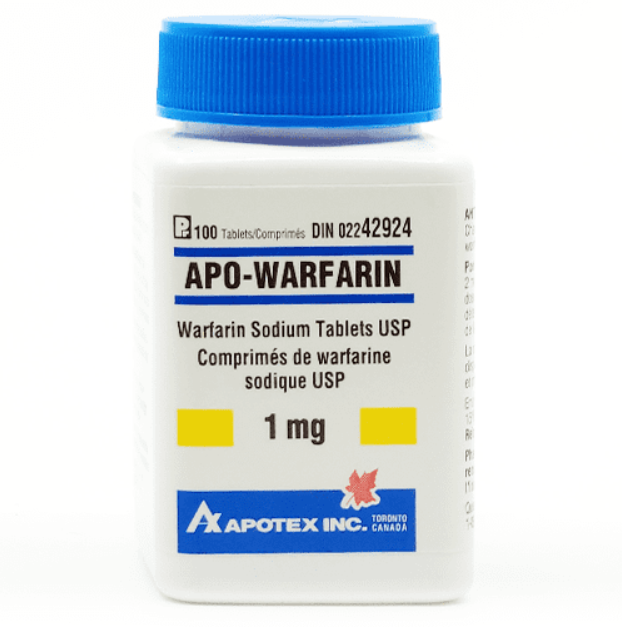
Warfarin
Warfarin Tablets for Blood Clot Prevention
Sitewide Super Sale - Get 15% off when you buy 3 or more of the same product using the code LESS15 at checkout.
Applies to all products originating from Canada. Maximum quantity limited to a 90-day supply per order.
Price:
Price range: $48.99 through $227.99
You save


Warfarin is an oral anticoagulant used to prevent and treat harmful blood clots. This page explains how the therapy works, who it suits, and how to order with US delivery from Canada. You can also review guidance on monitoring, safety, and typical warfarin cost without insurance.
What Warfarin Is and How It Works
Warfarin® belongs to a class called vitamin K antagonists. It reduces the liver’s ability to make active clotting factors II, VII, IX, and X, and the regulatory proteins C and S. By lowering these proteins, the medicine decreases the blood’s tendency to clot.
Its effect depends on genetics, diet, illnesses, and other drugs. The degree of anticoagulation is tracked by the international normalized ratio (INR). It may take several days for full effect, which is why clinicians sometimes use a short course of a faster-acting anticoagulant at the start. For stroke prevention in Atrial Fibrillation or treatment of Blood Clot DVT PE, the INR target is set by the prescriber based on indication.
CanadianInsulin.com is a prescription referral platform. We verify prescriptions with your prescriber when required, and licensed Canadian pharmacies dispense your order.
For a clinical overview of its role in clot prevention, see Warfarin for Clot Prevention.
Who It’s For
This medicine is used to reduce the risk of stroke in nonvalvular atrial fibrillation, treat and prevent deep vein thrombosis and pulmonary embolism, and prevent thromboembolism in patients with certain heart valve replacements. It is also used after some surgeries or events where clot risk is high.
Avoid use if you have active significant bleeding, recent major surgery with high bleeding risk, or severe uncontrolled hypertension. It is generally contraindicated in pregnancy due to fetal risks, except in limited situations where a specialist determines benefits outweigh risks. Patients with a Mechanical Heart Valve often require this therapy under close supervision. If you have liver disease, bleeding disorders, or frequent falls, your clinician will weigh risks and benefits. Broader heart-related options can be found under Cardiovascular.
Dosage and Usage
Take the tablets once daily at the same time each day. The starting dose and adjustments are individualized. Your clinician will set an INR target, commonly 2.0 to 3.0 for many uses and higher for some mechanical valve types. Dosing is then titrated based on INR checks.
Swallow with water. Food does not prevent absorption, but a consistent diet is important. Keep vitamin K intake steady from week to week to avoid swings in INR. If you are starting or stopping other medicines, supplements, or significant dietary changes, inform your care team so INR can be reassessed. If a short-acting anticoagulant is used when initiating therapy, your prescriber will stop it once the INR is in range.
Pricing can vary by strength and quantity. If you are comparing options, published resources may list queries such as warfarin 5 mg price, but your total expense depends on brand, tablet count, and pharmacy.
Some patients consider fixed-dose alternatives. For a reference on a commonly used direct oral anticoagulant, see the Eliquis Dosing Guide. Your prescriber can advise on suitability.
Strengths and Forms
This treatment is available as oral tablets in multiple color-coded strengths. Common strengths include 1 mg, 2 mg, 2.5 mg, 3 mg, 4 mg, 5 mg, 6 mg, 7.5 mg, and 10 mg. Not all strengths may be stocked at all times, and manufacturers can vary by market.
Tablets are typically scored to allow flexible dosing adjustments per the prescriber’s directions. If you are comparing the price of warfarin tablets across strengths, remember that tablet count and manufacturer can influence the total at checkout. Availability can differ by province or state regulation when orders are filled.
Missed Dose and Timing
If you forget a dose, take it as soon as you remember on the same day. If it is nearly time for the next scheduled dose, take the next dose only. Do not double up to make up for a missed dose. Record the miss and inform your care team if INR monitoring is due soon.
If more than one dose is missed, guidance may differ. Keep a log of doses taken, and bring it to your appointments. Regular timing helps keep the INR steady and reduces variability.
Storage and Travel Basics
Store tablets at room temperature in a dry place. Protect from excessive heat, moisture, and direct light. Keep them in the original, child-resistant container and out of reach of children and pets.
When traveling, carry enough tablets in your hand luggage along with the original labeled container. Keep your dosing plan and recent INR results with you. If crossing borders, bring a copy of your prescription and your clinician’s contact details. Avoid packing tablets in checked bags where temperatures or access may be unpredictable. For related topics in heart care, browse Cardiovascular options.
Benefits
This anticoagulant can be used across a wide range of indications. Regular INR checks allow individualized adjustment to balance clot prevention and bleeding risk. The therapy has well-established reversal protocols using vitamin K or other agents when clinically indicated.
For patients with certain valve types, it remains a standard choice. Long clinical experience and broad monitoring infrastructure support safe, supervised use.
Side Effects and Safety
Common effects may include:
- Bruising or minor bleeding, such as nosebleeds
- Gum bleeding with brushing or flossing
- Heavier or prolonged menstrual bleeding
- Gastrointestinal upset or loss of appetite
- Headache or dizziness
Serious risks include major bleeding, which can occur at any site. Signs such as black stools, coughing blood, severe headache, sudden weakness, or confusion require urgent evaluation. Rare events such as skin necrosis or purple toe syndrome have been reported, particularly early in therapy or in patients with certain protein deficiencies. The medicine can cause fetal harm; discuss family planning and contraception with your clinician before starting.
If you have a fall, head injury, or need surgery or dental work, tell all providers that you are taking an anticoagulant. Wear or carry medical identification indicating your therapy.
Drug Interactions and Cautions
This therapy has many interactions. Antibiotics and antifungals can raise or lower INR. Amiodarone, dronedarone, and some antiarrhythmics can increase effect. Rifampin, carbamazepine, and St. John’s wort can decrease effect. NSAIDs, aspirin, or other antiplatelet drugs can increase bleeding risk.
Be consistent with foods high in vitamin K, such as leafy greens. Sudden diet changes can shift INR. Excess alcohol intake can raise bleeding risk and alter metabolism. Herbal products including ginkgo, ginseng, garlic, and turmeric may increase bleeding risk. Always inform your care team about all medicines and supplements you use.
What to Expect Over Time
Expect frequent INR tests at the start, then less often once stable. Your clinician will adjust dosing to keep the INR in the intended range. Consistency helps: take tablets at the same time daily, keep vitamin K intake steady, and attend scheduled checks.
Budgeting for therapy includes medication and monitoring. Patients sometimes plan around the warfarin cost per month plus lab visits. Refill reminders and appointment scheduling can help avoid interruptions and last-minute changes.
Compare With Alternatives
Direct oral anticoagulants are options for many, depending on diagnosis, kidney function, and procedural plans. Agents such as Eliquis® (apixaban) and Xarelto® (rivaroxaban) do not use INR testing and have fixed dosing schedules. Dabigatran and others may also be considered in select patients. Some conditions, like specific mechanical valves, still favor a vitamin K antagonist.
Choice depends on bleeding risk, kidney and liver status, drug interactions, and procedural needs. Discuss goals and preferences with your clinician, including monitoring burden and dietary considerations.
Pricing and Access
Canadian pricing with US fulfillment can offer value. Many customers search for warfarin price, but your final checkout reflects strength, manufacturer, and tablet count. Compare options on the product page to align with your prescription.
Some buyers look for a warfarin cash price when paying directly. You can view current options, see availability, and place an order that Ships from Canada to US. For occasional seasonal offers, visit our Promotions page.
Availability and Substitutions
Tablet strengths and suppliers can change based on market supply. If a particular strength is unavailable, your prescriber may adjust the plan using a different combination of tablets to deliver the same daily amount. If a suitable substitute is not available, a different anticoagulant may be recommended.
Some patients compare listings by terms such as warfarin price Canada to understand regional differences. Your invoice will reflect the dispensed manufacturer and quantity approved by the pharmacist and prescriber.
Patient Suitability and Cost-Saving Tips
Good candidates can commit to INR checks, maintain a steady diet, and coordinate with providers before new medicines or procedures. Those with high bleeding risk, poor follow-up access, or planned pregnancy may need a different approach.
To manage total expenses, consider multi-month fills when appropriate, align refills with lab schedules, and set reminders so you never run out. Discuss packaging that reduces confusion if doses vary by day. If you are paying directly, understanding your warfarin out of pocket cost and lab fees helps with planning.
Questions to Ask Your Clinician
- What is my INR target range and why?
- How often will I need INR checks at the start?
- Which foods should I keep consistent week to week?
- Which medicines or supplements should I avoid?
- What is my plan for procedures or dental work?
- What symptoms of bleeding warrant urgent care?
- If I miss a dose, how should I document it?
Authoritative Sources
For official U.S. labeling, review the DailyMed record for tablet products: DailyMed for warfarin sodium tablets.
For Canadian regulatory information, consult the Drug Product Database search page: Health Canada Drug Product Database.
For additional safety details, the FDA provides medication guides and boxed warning information: FDA medication guides resource.
Ready to order? You can buy warfarin online with prompt, express shipping with temperature-controlled handling when required.
Medical disclaimer: This content is for informational purposes only and is not a substitute for professional medical advice.
Express Shipping - from $25.00
Shipping with this method takes 3-5 days
Prices:
- Dry-Packed Products $25.00
- Cold-Packed Products $35.00
Standard Shipping - $15.00
Shipping with this method takes 5-10 days
Prices:
- Dry-Packed Products $15.00
- Not available for Cold-Packed products
How long does it take for warfarin to start working?
Its anticoagulant effect begins within 24 hours but is not fully reflected in the INR for 48 to 72 hours. Clinicians sometimes use a short-acting agent during initiation until the INR reaches the target range.
What foods affect warfarin?
Foods high in vitamin K such as spinach, kale, collards, and certain oils can lower the INR. Aim for a consistent intake rather than avoiding them completely. Sudden changes can shift your INR.
Can I drink alcohol while taking warfarin?
Light, occasional alcohol may be acceptable for some patients, but excess use can increase bleeding risk and alter metabolism. Discuss your typical intake with your prescriber.
Is warfarin safe in pregnancy or breastfeeding?
It is generally contraindicated in pregnancy due to fetal risks. Alternatives are considered when anticoagulation is needed. For breastfeeding, discuss risks and benefits with your clinician to determine the best option.
How often will I need INR checks?
Testing is more frequent at the start or after changes. Once stable, intervals may be extended per clinical judgment. Follow the schedule your clinician sets for you.
What medicines interact with warfarin?
Common interactions include antibiotics, azole antifungals, amiodarone, rifampin, carbamazepine, many NSAIDs, and some herbal products like ginkgo. Always inform your care team about new drugs or supplements.
What if my INR is out of range?
Do not adjust your dose on your own. Your clinician will interpret the INR in context and decide on monitoring or changes based on your specific situation.
Rewards Program
Earn points on birthdays, product orders, reviews, friend referrals, and more! Enjoy your medication at unparalleled discounts while reaping rewards for every step you take with us.
You can read more about rewards here.
POINT VALUE
How to earn points
- 1Create an account and start earning.
- 2Earn points every time you shop or perform certain actions.
- 3Redeem points for exclusive discounts.
You Might Also Like
Select options
This product has multiple variants. The options may be chosen on the product page
Select options
This product has multiple variants. The options may be chosen on the product page
Select options
This product has multiple variants. The options may be chosen on the product page
Select options
This product has multiple variants. The options may be chosen on the product page
Related Articles
Weight Management
Zepbound storage: Keep It Safe With Clear Temperature Rules
This guide explains Zepbound storage so your medication stays effective. You will learn temperature limits, how long doses can stay unrefrigerated, travel practices, and what to do if a pen…
Weight Management
Zepbound and Fatigue: Practical Tips to Ease Tiredness Safely
Feeling drained after starting tirzepatide can be unsettling. Many users describe a mix of low energy, mild aches, and disrupted sleep early on. If you are navigating Zepbound and fatigue,…
Cardiovascular, Diabetes, Type
Mounjaro Heart Benefits Beyond Weight Loss: Evidence-Based Guide
Patients often ask how tirzepatide might support cardiovascular health beyond weight loss. Understanding Mounjaro heart benefits requires looking at mechanisms, evolving trial data, and safety signals. This guide synthesizes key…
Diabetes, Type 2
Ozempic Rebound: A Practical Guide to Prevent Weight Regain
Many people stop GLP-1 therapy and wonder what comes next. Appetite changes, routine shifts, and metabolism can collide. A clear plan helps you keep progress steady and predictable, not reactive.…