
Please note: a valid prescription is required for all prescription medication.
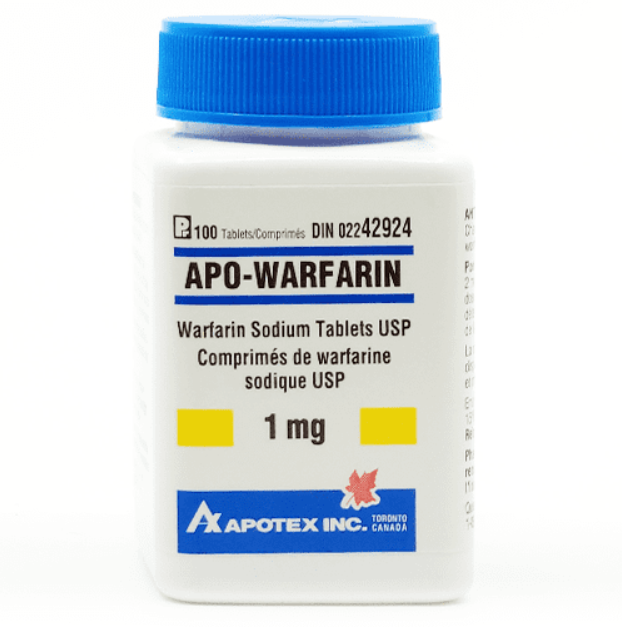
Warfarin
Buy Warfarin Online


Warfarin is an oral anticoagulant, often called a blood thinner, used to reduce the risk of harmful blood clots. You can buy Warfarin online and choose the tablet strength shown during ordering that matches your clinician’s directions. Because Warfarin dosing is individualized, the strength, quantity, and current INR monitoring plan should all line up before you complete an order.
Warfarin sodium is the generic drug name for the active ingredient. Coumadin is a brand name many people still recognize, so medication records may refer to generic Warfarin, Warfarin sodium, or Coumadin generic in everyday language. The active ingredient matters most when you are matching the medicine to directions already established by your healthcare professional.
Safe ordering starts with the exact tablet strength. Warfarin is a high-alert medication because too much anticoagulant effect can raise bleeding risk, while too little may leave clot risk insufficiently controlled. Keep your current dosing schedule and lab follow-up plan available when choosing a strength and tablet count.
Warfarin Price and Tablet Strength Selection
The warfarin price should be evaluated against the tablet strength, quantity, and form shown during ordering. A lower total may not represent the same supply if the tablet count or mg strength is different. Match the strength first, then compare the total for the quantity you need.
Warfarin cost can vary for cash-pay orders, orders without insurance, and cross-border service needs such as US delivery from Canada. Use the current displayed amount for the exact strength and quantity rather than estimating from another Warfarin tablet size. If more than one strength is used in your weekly schedule, each strength should be handled as a separate medication decision.
Quick tip: Read the mg strength before the tablet count so the supply matches the directions you already follow.
- Strength: Confirm the mg amount on the bottle or medication record.
- Quantity: Match the tablet count to the intended supply period.
- Active ingredient: Warfarin sodium identifies the generic medicine.
- Appearance: Color and imprint can differ by manufacturer and strength.
- Cash-pay context: Warfarin cash price may differ from insured medication costs.
Broader heart and vascular medicines can be browsed in Cardiovascular Products. Related categories are useful for navigation, but they should not replace the specific anticoagulant plan from your clinician.
How to Order Warfarin Online
To order Warfarin online, start with the tablet strength that matches your current directions. Then choose the quantity that reflects the supply you intend to purchase. Do not change the tablet strength, total tablets, or schedule to fit a different quantity because Warfarin dose changes can meaningfully affect INR results.
Order details may be reviewed to help ensure the medicine, strength, and directions are consistent. Products are supplied through licensed pharmacies, and the information you provide should match the medication plan you are already using. If the strength displayed during ordering does not match your directions, pause and ask for clinical clarification before continuing.
- Choose the Warfarin tablet strength shown during ordering.
- Match the quantity to the intended supply.
- Use the same dosing instructions given by your clinician.
- Keep current INR monitoring plans available.
- Store the medicine safely after it arrives.
Warfarin tablets are not interchangeable with other blood thinners on a tablet-for-tablet basis. Apixaban, rivaroxaban, dabigatran, antiplatelet drugs, and injectable anticoagulants have different dosing, monitoring, interaction, and safety profiles. Any switch should be directed by a healthcare professional.
Common Warfarin Tablet Strengths
Warfarin tablets are commonly supplied in multiple strengths, including 1 mg, 2 mg, 2.5 mg, 3 mg, 4 mg, 5 mg, 6 mg, 7.5 mg, and 10 mg tablets. Availability can vary, so use only the strengths shown during ordering. Even a small difference in mg strength can matter because many Warfarin schedules are adjusted in small weekly changes.
Some people take the same tablet strength every day. Others use more than one strength across the week, such as different doses on certain days. If your schedule uses multiple strengths, do not substitute a higher-strength tablet or split tablets unless your clinician has specifically instructed that approach.
| Detail to Match | Why It Matters |
|---|---|
| Tablet strength | The mg amount must match the intended anticoagulant dose. |
| Tablet count | The quantity determines how long the supply may last. |
| Generic name | Warfarin sodium confirms the active ingredient. |
| Color or imprint | Appearance may change by manufacturer or strength. |
| Current directions | Old instructions can conflict with recent INR-based changes. |
Warfarin 5 mg tablets and Warfarin 2.5 mg tablets are frequent search terms because many people recognize those strengths. Search wording does not determine which strength is correct for you. The correct strength is the one that matches your current medication directions.
What Warfarin Is Used For
Warfarin reduces the blood’s ability to form clots by interfering with vitamin K-dependent clotting factors. It may be used to treat or help prevent deep vein thrombosis, pulmonary embolism, stroke related to atrial fibrillation, and clotting risks associated with certain mechanical heart valves. The exact reason for treatment affects the target INR range and monitoring plan.
Condition collections can help with site navigation for Atrial Fibrillation, Blood Clot DVT PE, and Mechanical Heart Valve. These links group related cardiovascular topics, but treatment choice and duration should come from your healthcare professional.
Warfarin does not dissolve a clot immediately. It helps reduce further clot formation when taken as directed and monitored appropriately. If symptoms of a clot or stroke occur, urgent medical care is needed rather than waiting for routine medication adjustments.
Generic Warfarin and Coumadin Generic Naming
Generic Warfarin contains warfarin sodium as the active ingredient. Coumadin was a well-known brand name, so some people still use Coumadin generic to describe the same type of medicine. Your medication label, health record, or clinician’s instructions may use either term depending on the source.
Country-specific naming, brand availability, and manufacturer details can differ. That does not change the main ordering task: match the active ingredient, strength, and quantity to your current directions. If you receive tablets that look different from your previous supply, verify the strength before taking them.
Generic substitution can sometimes result in a different tablet color, shape, or imprint. For Warfarin, appearance should never be used as the only way to identify the dose. Read the label and keep one clear set of current directions to avoid confusing old and new schedules.
INR Monitoring and Dose Changes
Warfarin therapy is commonly monitored with an INR blood test. INR measures how long it takes blood to clot and helps clinicians balance clot prevention against bleeding risk. Target ranges vary by condition, valve type, and individual risk factors.
Ordering the correct tablets matters because INR-based decisions depend on the strength and schedule you are actually taking. A refill with a different mg strength can cause dosing errors if the label is not reviewed carefully. Contact your care team if you are unsure whether a dose change is current.
Why it matters: INR monitoring helps identify when Warfarin effect is too low or too high.
- Lab schedule: Follow the testing interval provided by your clinician.
- Missed dose: Ask what to do instead of doubling on your own.
- New medicine: Report changes because many drugs alter INR.
- Illness: Vomiting, diarrhea, fever, or poor intake can affect control.
- Refills: Read the strength before taking tablets from a new bottle.
Warfarin dose changes should be made through clinical instructions, not by estimating from price, tablet availability, or old directions. Keep written instructions current if your dose changes after a lab result.
Side Effects, Warnings, and When to Seek Help
Warfarin can cause serious, sometimes fatal bleeding. Bleeding risk is higher when INR is above the intended range, when other blood-thinning medicines are used, or when a person has a condition that increases bleeding risk. This safety profile is the main reason Warfarin requires careful strength selection and ongoing monitoring.
Bleeding-related effects may include easier bruising, nosebleeds, bleeding gums, heavier menstrual bleeding, or prolonged bleeding from cuts. Urgent warning signs include black or bloody stools, red or brown urine, vomiting blood, coughing blood, severe headache, sudden weakness, unusual dizziness, confusion, or bleeding that will not stop.
Warfarin can harm an unborn baby and is generally avoided during pregnancy except in unusual situations requiring specialist management. Tell your healthcare professional about pregnancy, planned pregnancy, recent falls, stomach ulcers, uncontrolled high blood pressure, liver disease, kidney disease, alcohol use, or a history of serious bleeding.
- Active bleeding: Seek urgent medical care.
- Head injury: Ask about emergency evaluation even without visible bleeding.
- Surgery or dental work: Tell the care team before procedures.
- Skin pain or purple areas: Rare skin reactions need prompt assessment.
- Medication changes: Ask before adding another blood thinner.
This is not a complete list of side effects or precautions. Warfarin safety depends on your condition, INR results, other medicines, diet pattern, and bleeding risk.
Food, Medicine, and Supplement Interactions
Warfarin has many clinically important interactions. Antibiotics, antifungals, amiodarone, some seizure medicines, aspirin, nonsteroidal anti-inflammatory drugs, certain antidepressants, and other anticoagulants can increase or decrease anticoagulant effect. Always tell each healthcare professional that Warfarin is part of your therapy.
Vitamin K intake can influence INR because Warfarin works through vitamin K-dependent clotting pathways. Leafy greens such as spinach, kale, collards, and broccoli do not always need to be avoided, but intake should usually remain consistent unless your clinician gives different instructions.
- Pain relievers: Ask before using ibuprofen, naproxen, or aspirin.
- Antibiotics: Report new prescriptions promptly.
- Herbal products: Ginkgo and St. John’s wort may interact.
- Alcohol: Discuss safe limits because intake changes can affect INR.
- Diet changes: Keep vitamin K intake steady when possible.
Medication and supplement interactions are a practical ordering issue because they may require closer INR follow-up after a new supply, a new manufacturer, or a new medicine. Do not stop or restart interacting medicines without clinical guidance.
Storage, Handling, and Travel Basics
Warfarin tablets are usually stored at room temperature, away from excess heat, light, and moisture. Keep tablets in the original labeled container when possible so the strength and directions remain easy to verify. Bathroom storage is not ideal because humidity can affect tablets.
Warfarin does not usually require refrigerated handling. If your order contains other medicines with special temperature requirements, follow each product’s separate storage instructions. For logistics, some orders may use prompt, express, cold-chain shipping when appropriate for the items included.
- Moisture control: Store away from sinks, showers, and damp areas.
- Child safety: Keep containers tightly closed and out of reach.
- Travel: Carry labeled medicine rather than packing all tablets in checked bags.
- Time zones: Ask how to handle schedule changes before travel.
- Expired tablets: Use a safe disposal method recommended locally.
Travel, illness, missed meals, or new medicines can affect INR stability. Bring enough tablets for the trip and keep current directions accessible in case medical care is needed while away.
Related Cardiovascular Choices
Warfarin belongs to a broader cardiovascular treatment category, but it is not the same as antiplatelet drugs, cholesterol medicines, or newer anticoagulants. Each medication type has different indications, monitoring needs, and interaction risks. The best comparison is the one your clinician has already discussed for your diagnosis.
For general education before a clinical discussion, the Cardiovascular Articles collection covers heart and vascular terminology. Use it to prepare questions, not to change anticoagulant therapy independently.
Never stop Warfarin or switch to another blood thinner without clinical direction. Stopping can raise clot risk, while overlapping anticoagulants can increase bleeding risk. If cost, supply, or tablet strength creates a problem, ask about a safe plan before making any change.
Authoritative Sources
These sources support key safety, monitoring, and interaction points for Warfarin.
- MedlinePlus warfarin patient information explains warnings, use, and interaction basics.
- NIH vitamin K consumer fact sheet describes vitamin K sources and its role in clotting.
This content is for informational purposes only and is not a substitute for professional medical advice.
BMI Calculator
Estimate adult body mass index from height and weight, with metric and imperial units.
BMI
-
kg/m2 equivalent
Category
-
Adult screening range
These calculations are for education only and do not replace clinical advice, diagnosis, or treatment. Always confirm medical decisions with a qualified healthcare professional.
Body Surface Area Calculator
Calculate body surface area from height and weight using the Mosteller equation.
BSA
-
m2, Mosteller equation
These calculations are for education only and do not replace clinical advice, diagnosis, or treatment. Always confirm medical decisions with a qualified healthcare professional.
Ideal & Adjusted Body Weight Calculator
Estimate ideal body weight with the Devine equation and adjusted body weight when actual weight is above the estimate.
Ideal body weight
-
Devine equation
Adjusted body weight
-
IBW + 0.4 x excess weight
Difference from IBW
-
actual minus ideal
These calculations are for education only and do not replace clinical advice, diagnosis, or treatment. Always confirm medical decisions with a qualified healthcare professional.
Express Shipping - from $29.99
Shipping with this method takes 3-5 days
Prices:
- Dry-Packed Products $29.99
- Cold-Packed Products $39.99
Standard Shipping - $19.99
Shipping with this method takes 5-10 days
Prices:
- Dry-Packed Products $19.99
- Not available for Cold-Packed products
What is Warfarin used for?
Warfarin is an anticoagulant used to reduce the risk of harmful blood clots. It may be used for atrial fibrillation, deep vein thrombosis, pulmonary embolism, and certain mechanical heart valve situations. Your clinician determines the reason for treatment, target INR range, and duration.
Why does Warfarin require INR monitoring?
INR testing measures how long it takes blood to clot. Warfarin has a narrow safety range, so INR results help balance clot prevention with bleeding risk. Dose changes should be based on clinical instructions, not on tablet availability or cost.
Is Warfarin the same as Coumadin generic?
Warfarin sodium is the generic active ingredient. Coumadin is a brand name many people still recognize, so some records may refer to Coumadin generic when discussing Warfarin. Always match the active ingredient, strength, and directions on your medication record.
What foods interact with Warfarin?
Foods high in vitamin K, such as spinach, kale, collards, broccoli, and other leafy greens, can affect INR. These foods do not always need to be avoided, but intake should usually stay consistent unless your clinician gives different instructions.
What are serious Warfarin side effects?
Serious warning signs include black or bloody stools, red or brown urine, vomiting blood, coughing blood, severe headache, sudden weakness, unusual dizziness, confusion, or bleeding that will not stop. Seek urgent medical care if these occur.
Can Warfarin tablets look different after a refill?
Yes. Tablet color, shape, or imprint can vary by manufacturer and strength. Because Warfarin strength differences matter, read the label and confirm the mg amount before taking tablets from a new bottle.
Rewards Program
Earn points on birthdays, product orders, reviews, friend referrals, and more! Enjoy your medication at unparalleled discounts while reaping rewards for every step you take with us.
You can read more about rewards here.
POINT VALUE
How to earn points
- 1Create an account and start earning.
- 2Earn points every time you shop or perform certain actions.
- 3Redeem points for exclusive discounts.
You Might Also Like
Select options
This product has multiple variants. The options may be chosen on the product page
Select options
This product has multiple variants. The options may be chosen on the product page
Select options
This product has multiple variants. The options may be chosen on the product page
Select options
This product has multiple variants. The options may be chosen on the product page