
Please note: a valid prescription is required for all prescription medication.
Promotion
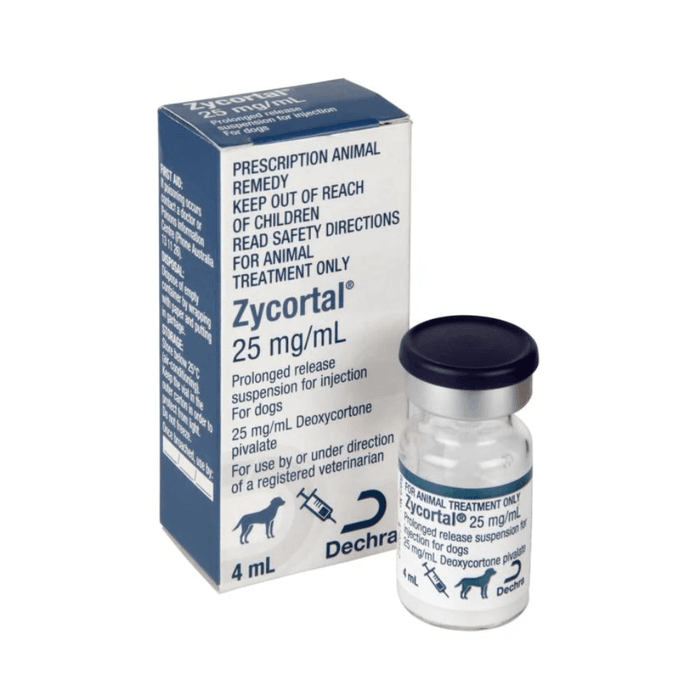
Zycortal
Zycortal® Injection for Dogs with Addison's Disease
Sitewide Super Sale - Get 15% off when you buy 3 or more of the same product using the code LESS15 at checkout.
Applies to all products originating from Canada. Maximum quantity limited to a 90-day supply per order.
Price:
$306.99
You save


What Zycortal Is and How It Works
Zycortal® is a veterinary injectable suspension that replaces missing mineralocorticoids in dogs with primary hypoadrenocorticism (Addison’s disease). It contains desoxycorticosterone pivalate (DOCP), which helps the kidneys retain sodium and water while excreting potassium. That action supports blood volume and electrolyte balance. This page explains what the treatment does, how it is given, and practical points for safe use.
CanadianInsulin.com is a prescription referral platform. We verify prescriptions with your prescriber when required, and licensed Canadian pharmacies dispense your order. If you manage Addison’s care and need predictable access, our model supports US delivery from Canada, including options that may help when paying without insurance. The medicine is administered by a veterinarian or trained caregiver under veterinary supervision.
Veterinarians use zycortal suspension to maintain mineralocorticoid replacement on a monthly schedule in stable patients. This medicine is long-acting compared with short-term corticosteroids. It does not provide glucocorticoid activity; most dogs also receive a glucocorticoid such as prednisone as directed by their veterinarian. Treatment choice and monitoring follow the official label and your clinician’s judgment.
Who It’s For
This therapy is indicated for the treatment of mineralocorticoid deficiency in dogs diagnosed with primary hypoadrenocorticism. Approved use includes zycortal for dogs with addison’s under the care of a licensed veterinarian. It may be started after confirmation of diagnosis and stabilization from an Addisonian crisis.
Dogs with congestive heart failure, severe renal impairment, or edema need careful risk assessment before use. Discuss breeding, pregnant, or lactating status with your veterinarian. Do not use in animals with known hypersensitivity to DOCP or formulation components. This product is for canine patients only.
Dosage and Usage
Administration is by subcutaneous injection at intervals determined by your veterinarian. Initial dosing and the first few adjustments are based on clinical response and serum electrolytes. Many dogs receive a first dose followed by monitoring at specific time points to confirm sodium and potassium trends. Your clinician will individualize the interval and amount.
Label-directed starting guidance exists, but the exact plan varies by patient status and concurrent glucocorticoid use. Your veterinarian will instruct you on handling, shaking the vial as directed, aseptic technique, and proper injection sites if home administration is appropriate. Discuss any prior reactions to injectables, current medications, and recent illness before dosing.
Talk with your veterinarian if you have questions about zycortal dosage for dogs, including how the dose and interval may be adjusted after electrolyte checks. Never change the dose or schedule on your own. Schedule follow-up blood work as advised to help maintain a stable regimen.
Strengths and Forms
This medicine is supplied as a sterile, white to off-white injectable suspension for subcutaneous use in dogs. It is commonly available as zycortal 25 mg ml in multidose vials. Pack sizes may vary by market. Availability can differ by pharmacy and over time.
Confirm the vial strength, remaining volume, lot number, and expiration date before use. Your veterinarian can help select an appropriate presentation for clinic administration or caregiver use.
Missed Dose and Timing
If an injection is missed or significantly delayed, contact the prescribing veterinarian as soon as possible. Do not double-dose to make up for a missed administration. Your clinician may recommend an appointment for examination and electrolyte testing, especially if your dog shows lethargy, vomiting, diarrhea, weakness, or collapse.
For dogs receiving monthly injections, try to keep a consistent interval once stable. Use calendar reminders, pharmacy refill alerts, or clinic recall systems to reduce the chance of late doses. If a dose timing change is needed, your veterinarian will guide the schedule.
Storage and Travel Basics
Follow the product label for storage conditions. Keep the vial at controlled room temperature within the range specified in the insert, and protect it from freezing. Store it upright in the original carton to reduce light exposure and to retain the full instructions and labeling. Keep out of reach of children and pets.
Do not use past the labeled expiration date. Shake the vial as directed before each use to resuspend the contents. Use only sterile needles and syringes; avoid introducing contaminants into the vial. If the suspension appears clumped, discolored, or unusual after thorough mixing, consult your veterinarian before use.
When you travel with your dog’s medicines, carry the prescription, original packaging, and your veterinarian’s contact information. Pack supplies in a secure, leak-proof container. If flying, place injectables and sharps in carry-on baggage as allowed by airline policies, and declare them if required. Keep a copy of your dog’s diagnosis summary to help with veterinary care if plans change while away.
Pen Handling and Sharps Disposal
This product is supplied in vials and is drawn into a syringe for injection. Use a new sterile needle and syringe for each dose. Do not reuse needles or syringes on your dog or other animals. Recap only if necessary and dispose of sharps immediately after use.
Place used needles and syringes in a puncture-resistant, FDA-cleared sharps container. If you do not have one, use a heavy-duty household container with a secure, screw-top lid until you can obtain an approved container. Follow local or state guidance for disposal. Your veterinarian or local pharmacy can advise on sharps drop-off locations or mail-back programs.
Benefits
As a mineralocorticoid replacement, this medicine helps maintain stable sodium and potassium levels. Dogs may show steadier hydration and energy once their regimen is established. Because it is long-acting, many patients can be maintained with a single injection approximately every month, as directed by the prescribing veterinarian.
The treatment works alongside a glucocorticoid when needed. Coordinated care may reduce emergency visits related to electrolyte imbalance once stabilization occurs. Consistent monitoring remains important for safety and effectiveness.
Side Effects and Safety
- Thirst and urination increase: may appear after dosing
- Reduced appetite or vomiting: usually mild and transient
- Diarrhea or soft stool: varies by patient
- Injection site irritation: redness or soreness
- Lethargy or restlessness: report persistent changes
Serious or rare risks can include fluid overload, edema, hypertension, and significant electrolyte disturbances. Dogs with underlying heart or kidney disease may face higher risk. Seek veterinary care urgently if your dog exhibits severe weakness, collapse, bloody stool, persistent vomiting, trouble breathing, or suspected Addisonian crisis. Report any adverse reactions to your veterinarian.
Drug Interactions and Cautions
Medicines that alter fluid balance or electrolytes can interact with mineralocorticoid therapy. Examples include loop or thiazide diuretics, ACE inhibitors, ARBs, and certain potassium-sparing agents. Concurrent NSAIDs may affect renal perfusion in susceptible dogs. Digoxin sensitivity may increase in hypokalemia.
Inform your veterinarian about all prescribed drugs, over-the-counter products, supplements, and special diets, especially those with altered sodium or potassium content. Glucocorticoids are often used together in Addison’s disease; your clinician will coordinate both parts of therapy. Do not start, stop, or change any medication without veterinary guidance.
What to Expect Over Time
Early in therapy, veterinarians typically schedule follow-up visits for physical examination and electrolyte testing. These checks help determine whether adjustments to the dose or interval are needed. Once stable, most dogs continue on a regular injection schedule with periodic monitoring. Your veterinarian will set the interval for rechecks based on clinical status.
Electrolyte results and how your dog feels are both important. Keep a simple diary of appetite, thirst, urination, stool quality, and energy level. Share these observations at appointments. If your dog becomes ill from unrelated causes, call your clinic; illness can change corticosteroid needs temporarily.
Compare With Alternatives
Another DOCP brand used for canine Addison’s is Percorten-V. Your veterinarian may consider either product based on availability, familiarity, and monitoring plans. Some dogs are maintained on fludrocortisone acetate tablets instead, though that approach provides both mineralocorticoid and glucocorticoid activity and requires daily oral dosing.
Choice among options depends on your dog’s medical history, ability to tolerate injections, and monitoring logistics. Discuss the plan that fits your dog’s needs and your schedule.
Pricing and Access
Canadian pharmacy pricing may offer value for long-term therapy, with US shipping from Canada for convenience. For budget planning, your veterinarian can estimate monthly use. If you are comparing zycortal cost, review the vial size, concentration, and number of injections per vial along with dispensing fees.
You can browse related items in our Pet Medications category for additional therapies your pet may need. Looking for current deals or coupons? See our Current Promotions page for site-wide offers when available. Checkout uses encrypted processes to protect your information.
Availability and Substitutions
Supply can vary by location and season. If a specific presentation is unavailable, your prescriber may recommend an alternative mineralocorticoid product or adjust quantities to maintain continuity. A direct generic DOCP substitute for this brand may not be available in all markets.
If a substitution is recommended, your veterinarian will guide the transition and monitoring. Pharmacy teams can assist in coordinating deliveries to align with recheck appointments.
Patient Suitability and Cost-Saving Tips
Dogs diagnosed with primary hypoadrenocorticism and stabilized after crisis are typical candidates. Dogs with significant heart disease, uncontrolled kidney disease, or uncontrolled hypertension may require additional caution. Your veterinarian will determine suitability and monitoring frequency.
To manage costs, ask about multi-month quantities if safe for your household and storage. Align refills with scheduled monitoring to reduce extra trips. Set calendar reminders before each expected dose and recheck. When you order, confirm your shipping address and time away from home to avoid delays.
Questions to Ask Your Clinician
- Diagnosis confirmation: how Addison’s was established
- Dose interval: expected timing between injections
- Monitoring plan: when to check electrolytes
- Home injection: whether caregiver administration is appropriate
- Concurrent meds: glucocorticoid dose and schedule
- Emergency plan: what to do if vomiting or collapse occurs
Authoritative Sources
For full prescribing details and safety information, consult the manufacturer’s resources available from Dechra Veterinary Products at the official ZYCORTAL Suspension product page.
For regulatory information on DOCP in dogs, see the U.S. FDA Center for Veterinary Medicine’s documents for this product at the FDA Green Book portal for approved animal drugs.
For Canadian listings and product monographs, refer to Health Canada’s Drug Product Database at the Drug Product Database search page.
Ready to proceed? You can place an order with prompt, express shipping with temperature-controlled handling when required.
Medical disclaimer: This content is for informational purposes only and is not a substitute for professional medical advice.
Express Shipping - from $25.00
Shipping with this method takes 3-5 days
Prices:
- Dry-Packed Products $25.00
- Cold-Packed Products $35.00
Standard Shipping - $15.00
Shipping with this method takes 5-10 days
Prices:
- Dry-Packed Products $15.00
- Not available for Cold-Packed products
What is Zycortal used for in dogs?
It is a desoxycorticosterone pivalate (DOCP) injectable suspension used to replace mineralocorticoids in dogs with primary hypoadrenocorticism (Addison’s disease). It helps maintain normal sodium, potassium, and hydration status when combined with appropriate monitoring and glucocorticoid therapy as directed by a veterinarian.
How often do dogs get Zycortal injections?
Veterinarians typically administer injections about once monthly, but the exact interval is individualized based on clinical response and electrolyte results. Your veterinarian will set the schedule after initial stabilization and follow-up testing.
Can I give Zycortal at home?
Some caregivers administer injections at home if approved and trained by the veterinarian. Proper training includes shaking the vial as directed, using sterile needles and syringes, subcutaneous injection technique, and safe sharps disposal. Do not attempt administration without instruction.
Does my dog still need prednisone with Zycortal?
Most dogs with Addison’s need a glucocorticoid because DOCP provides mineralocorticoid replacement only. Your veterinarian will prescribe a glucocorticoid regimen and adjust it as needed during illness, stress, or dose changes.
What side effects should I watch for?
Common effects can include increased thirst and urination, mild digestive upset, or injection site irritation. More serious effects can involve fluid retention, hypertension, or significant electrolyte imbalance. Contact your veterinarian if you notice persistent vomiting, diarrhea, weakness, or collapse.
Is there a generic for Zycortal?
A direct generic desoxycorticosterone pivalate injection may not be available in all markets. Your veterinarian can advise on alternatives, such as another DOCP brand or fludrocortisone tablets, and how to monitor if a change is needed.
How should I store the vial?
Store at controlled room temperature as indicated on the label, protect from freezing, and keep in the original carton to limit light exposure. Shake as directed before use, and keep out of reach of children and pets.
Rewards Program
Earn points on birthdays, product orders, reviews, friend referrals, and more! Enjoy your medication at unparalleled discounts while reaping rewards for every step you take with us.
You can read more about rewards here.
POINT VALUE
How to earn points
- 1Create an account and start earning.
- 2Earn points every time you shop or perform certain actions.
- 3Redeem points for exclusive discounts.
You Might Also Like
Select options
This product has multiple variants. The options may be chosen on the product page
Select options
This product has multiple variants. The options may be chosen on the product page
Select options
This product has multiple variants. The options may be chosen on the product page
Select options
This product has multiple variants. The options may be chosen on the product page
Related Articles
Weight Management
Zepbound storage: Keep It Safe With Clear Temperature Rules
This guide explains Zepbound storage so your medication stays effective. You will learn temperature limits, how long doses can stay unrefrigerated, travel practices, and what to do if a pen…
Weight Management
Zepbound and Fatigue: Practical Tips to Ease Tiredness Safely
Feeling drained after starting tirzepatide can be unsettling. Many users describe a mix of low energy, mild aches, and disrupted sleep early on. If you are navigating Zepbound and fatigue,…
Cardiovascular, Diabetes, Type
Mounjaro Heart Benefits Beyond Weight Loss: Evidence-Based Guide
Patients often ask how tirzepatide might support cardiovascular health beyond weight loss. Understanding Mounjaro heart benefits requires looking at mechanisms, evolving trial data, and safety signals. This guide synthesizes key…
Diabetes, Type 2
Ozempic Rebound: A Practical Guide to Prevent Weight Regain
Many people stop GLP-1 therapy and wonder what comes next. Appetite changes, routine shifts, and metabolism can collide. A clear plan helps you keep progress steady and predictable, not reactive.…