
Please note: a valid prescription is required for all prescription medication.
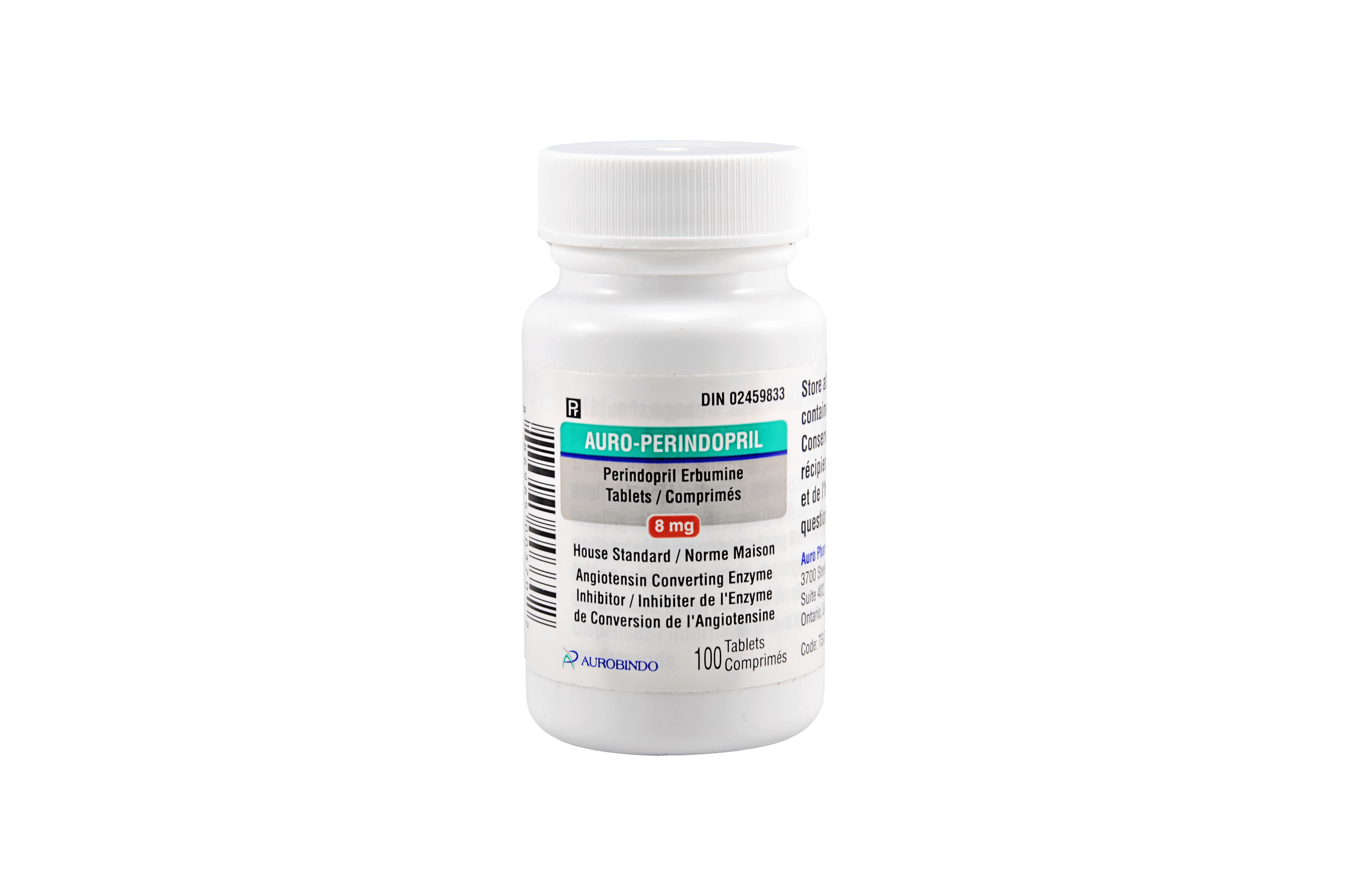
Perindopril
Perindopril: Buy With Rx, Dosage, and Safety
Price:
Price range: $35.99 through $288.99
You save


Perindopril is an oral prescription medicine used to treat high blood pressure and certain heart conditions. It belongs to the ACE inhibitor class and is taken as a tablet. This page explains practical use and safety basics, including factors that can influence perindopril 4mg price.
What Perindopril Is and How It Works
Perindopril is an ACE (angiotensin-converting enzyme) inhibitor that helps relax blood vessels and lower blood pressure by reducing formation of angiotensin II, a hormone that tightens arteries. CanadianInsulin.com offers prescription referral support, not direct dispensing. Some patients explore Ships from Canada to US arrangements when cross-border fulfilment is permitted and appropriate. Perindopril may also be used in some people with heart conditions where lowering workload on the heart is part of the plan, such as in Heart Failure care or for long-term risk reduction in Coronary Artery Disease.
By lowering angiotensin II and aldosterone, this medicine can reduce fluid retention and decrease pressure within blood vessels. These effects can improve blood pressure control over days to weeks, but the treatment does not “cure” hypertension or heart disease. It is typically used long term alongside lifestyle measures and other cardiovascular medicines, as guided by a clinician. When needed, prescription details are confirmed with the prescriber to match the intended product and directions.
Why it matters: ACE inhibitors can affect kidney function and potassium, so follow-up labs are often part of safe use.
Who It’s For
Perindopril is prescribed for adults who need blood pressure treatment and for selected patients with certain heart-related diagnoses, depending on local labeling and clinician judgment. Many people start an ACE inhibitor as part of first-line therapy for high blood pressure, especially when there are additional risk factors (for example diabetes or kidney concerns). For broader context on cardiovascular conditions and common therapies, you can browse the Cardiovascular Category or related education in Cardiovascular Articles.
This medication is not appropriate for everyone. It is generally contraindicated in pregnancy (ACE inhibitors can harm the fetus) and in people with a history of ACE inhibitor–associated angioedema (rapid swelling, often of the face or airway). Caution is also common in people with significant kidney impairment, dehydration, low blood pressure, or known renal artery stenosis (narrowing of the kidney arteries). If you have multiple chronic conditions such as diabetes, it can help to review how heart and metabolic risks overlap (see Diabetes Cardiovascular Disease) before changes are made to any regimen.
Dosage and Usage
Perindopril is typically taken by mouth once daily, and it may be taken with or without food depending on the specific product labeling. Dosing is individualized by the prescriber based on the indication, blood pressure response, kidney function, and other medicines. If you are comparing details like perindopril 4mg price across options, also confirm that the prescribed salt form and tablet strength match the written prescription. Different salts and strengths may not be interchangeable on a milligram-for-milligram basis.
General use practices often include taking the dose at the same time each day and keeping a current medication list for clinic visits. If a dose is missed, clinicians commonly advise following the product label and not doubling the next dose; specific instructions can vary by situation. Blood pressure readings at home can be helpful for follow-up, but dose changes should be made by a clinician. For patients balancing heart health with other conditions, practical planning tips are discussed in How To Manage Heart.
Quick tip: Keep a log of home blood pressure readings and the time taken, so trends are clearer.
Strengths and Forms
Perindopril is supplied as an oral tablet, and availability can differ by country and manufacturer. In many settings, tablets are available in multiple strengths, including a 4 mg presentation; the prescriber selects a strength based on response and tolerability. When people search perindopril 4mg price, it is worth checking whether the prescription specifies a particular manufacturer or salt form, since labeling can look similar across products.
You may also see perindopril in fixed-dose combinations with other blood pressure medicines. A common example is perindopril amlodipine tablets (a calcium channel blocker combination), which may be described as perindopril arginine amlodipine tablets in some markets. Brand names can include Prestalia tablets and Coveram tablets, and a perindopril amlodipine generic may be available depending on jurisdiction. Combination products are distinct from perindopril alone, and their directions and tablet strengths are product-specific.
Storage and Travel Basics
Store perindopril tablets at controlled room temperature, protected from heat and moisture, and keep them in the original container unless your pharmacist advises otherwise. Bathrooms and kitchens can be humid, which may affect tablets over time. If your tablets are dispensed in blister packaging, keep each dose sealed until use. Always check the pharmacy label for any product-specific instructions, since packaging and stability can vary.
For travel, keep medicines in carry-on luggage to avoid temperature extremes and to maintain access if checked bags are delayed. Bring an up-to-date medication list that includes the drug name, strength, and dosing directions. If you use multiple medicines for chronic conditions, organizing them can reduce missed doses; a broader overview of multi-condition planning is covered in Diabetes Complications. If you feel dizzy after starting therapy or after dose adjustments, use caution with driving or tasks requiring alertness until you know how you respond.
Side Effects and Safety
Like other ACE inhibitors, perindopril can cause side effects related to blood pressure lowering and changes in kidney blood flow. Commonly reported effects can include dizziness, lightheadedness, fatigue, headache, and a dry cough. Some people notice these most when starting treatment or after an increase in dose. Comparing perindopril 4mg price is only one part of the decision; monitoring needs and your overall risk profile also matter for safe long-term use.
Serious reactions are uncommon but important to recognize. Angioedema can present as swelling of the lips, tongue, face, or throat and can be life-threatening; emergency evaluation is needed if this occurs. Kidney function can worsen in some situations, particularly with dehydration or in people with kidney artery narrowing. High potassium (hyperkalemia) may cause weakness, abnormal heart rhythms, or no symptoms until discovered on labs. Seek urgent care for chest pain, fainting, severe weakness, or signs of an allergic reaction.
Why it matters: New facial or throat swelling after a dose needs emergency assessment.
Drug Interactions and Cautions
Perindopril can interact with other medicines that affect blood pressure, kidney function, or potassium levels. Potassium supplements and potassium-sparing diuretics can raise potassium further. NSAIDs (nonsteroidal anti-inflammatory drugs, common pain relievers) may reduce the blood pressure effect and can increase kidney risk, especially with dehydration or existing kidney disease. Lithium levels can rise with ACE inhibitors, which may increase toxicity risk. Always share a complete medication list, including over-the-counter products and salt substitutes that contain potassium.
Additional cautions apply when combining therapies that act on the renin-angiotensin system, such as ARBs, aliskiren (especially in diabetes), or neprilysin inhibitor combinations, because risks like low blood pressure, kidney injury, and high potassium may increase. If you have diabetes or kidney concerns, clinicians often monitor more closely; background information on kidney risks can be found in Diabetes And Kidney. If you are being treated for heart failure, evolving approaches to cardiometabolic therapy may also be relevant (see Sglt2 Inhibitors Changing Heart), but medication changes should be clinician-led.
Compare With Alternatives
Perindopril is one option within the ACE inhibitor class. Other ACE inhibitors may be used for similar reasons, and selection often depends on clinician preference, patient response, kidney function, and local availability. If a persistent dry cough occurs, some people are switched to an ARB (angiotensin receptor blocker), which targets the same pathway differently and may be better tolerated for cough. Thiazide-type diuretics and calcium channel blockers are also widely used alternatives for hypertension, sometimes in combination with an ACE inhibitor.
Another comparison is between single-ingredient therapy and fixed-dose combinations. For some patients, perindopril amlodipine tablets can simplify dosing by combining two blood pressure medicines in one pill; the perindopril amlodipine oral tablet format can improve routine adherence for certain regimens. Products described as perindopril arginine amlodipine tablets (including Prestalia tablets or Coveram tablets in some regions) are not interchangeable with perindopril alone, and they can have different side effect profiles (for example ankle swelling from amlodipine). A clinician can help weigh convenience against flexibility in adjusting each component.
Pricing and Access
Several variables can affect perindopril 4mg price, including the specific strength, tablet count, manufacturer, and whether a generic is used. Coverage rules vary by plan and region, and some patients compare cash-pay options or discuss alternatives if a preferred product is not covered. For patients without insurance, pharmacy dispensing fees and the selected tablet quantity can also change the total out-of-pocket amount.
Perindopril generally requires a valid prescription. In a referral-based model, prescription information may be reviewed for completeness and consistency before it is sent onward. Dispensing and fulfilment may be through licensed third-party pharmacies, where allowed. If cross-border fulfilment is considered, eligibility can depend on jurisdictional rules, documentation, and clinician instructions, and requirements can differ between regions. It can help to confirm the intended product (single-ingredient perindopril vs a combination such as perindopril amlodipine tablets) so the received label matches the prescriber’s directions.
Authoritative Sources
Prescribing and safety details can be verified on: DailyMed Perindopril Search Results.
Patient-friendly medication information is available from: MedlinePlus Perindopril.
For temperature-sensitive products, packaging may use prompt, express, cold-chain shipping when appropriate.
This content is for informational purposes only and is not a substitute for professional medical advice.
Express Shipping - from $25.00
Shipping with this method takes 3-5 days
Prices:
- Dry-Packed Products $25.00
- Cold-Packed Products $35.00
Standard Shipping - $15.00
Shipping with this method takes 5-10 days
Prices:
- Dry-Packed Products $15.00
- Not available for Cold-Packed products
What is perindopril used for?
Perindopril is a prescription ACE inhibitor used to treat high blood pressure and, in some cases, certain heart-related conditions. By relaxing blood vessels, it can help lower blood pressure and reduce strain on the heart. The exact reason it is prescribed depends on your diagnosis and local product labeling. Some patients take it as a single medicine, while others use it as part of a combination regimen. A clinician can explain the intended goal for your situation and how your blood pressure and labs may be monitored.
How should I take perindopril tablets?
Perindopril is commonly taken by mouth once daily, following the directions on the prescription label. It may be taken with or without food depending on the specific product instructions. Try to take it at a consistent time each day. If you miss a dose, follow the label guidance and clinician instructions; do not take extra doses unless you are specifically told to do so. Keep a current list of all medicines and supplements, since interactions can affect safety.
What side effects should I watch for with perindopril?
Common side effects can include dizziness, lightheadedness, fatigue, headache, and a dry cough. These may be more noticeable when starting therapy or after a dose increase. Serious reactions are less common but require prompt attention, especially angioedema (swelling of the face, lips, tongue, or throat), fainting, or signs of a severe allergic reaction. Kidney function changes and high potassium can occur, sometimes without symptoms, which is why clinicians often order periodic blood tests.
What monitoring is usually needed while taking perindopril?
Monitoring often includes blood pressure checks and periodic lab tests for kidney function (such as creatinine) and electrolytes, especially potassium. The timing depends on your health history, other medications, and whether the dose is being adjusted. People with kidney disease, dehydration risk, or multiple blood pressure medications may need closer follow-up. If you measure blood pressure at home, bring your readings to appointments so the clinician can assess patterns rather than single values.
Can perindopril interact with over-the-counter medicines or supplements?
Yes. NSAID pain relievers (such as ibuprofen or naproxen) can affect kidney function and may reduce the blood pressure–lowering effect in some people, particularly during illness or dehydration. Potassium supplements, potassium-based salt substitutes, and potassium-sparing diuretics can raise potassium levels, increasing hyperkalemia risk. Lithium may also interact. Because interaction risk depends on your full regimen, it helps to review all prescription and nonprescription products with a pharmacist or clinician.
What is the difference between perindopril and perindopril/amlodipine tablets?
Perindopril is a single-ingredient ACE inhibitor. Perindopril/amlodipine tablets combine perindopril with amlodipine, a calcium channel blocker, in one pill. Combination products may be listed as perindopril arginine amlodipine tablets in some markets and may be sold under brand names such as Prestalia tablets or Coveram tablets. Because combinations contain two active medicines, their dosing directions, strengths, and side effect considerations differ from perindopril alone.
What should I ask my clinician before starting perindopril?
Ask what the medication is intended to treat in your case and what changes you should expect in home blood pressure readings. Discuss pregnancy plans, prior episodes of angioedema, kidney disease history, and any episodes of dehydration or fainting. Review your full medication list, including diuretics, NSAIDs, and supplements that contain potassium. It is also reasonable to ask which labs will be monitored and when, and whether the prescription specifies a particular salt form or tablet strength.
Rewards Program
Earn points on birthdays, product orders, reviews, friend referrals, and more! Enjoy your medication at unparalleled discounts while reaping rewards for every step you take with us.
You can read more about rewards here.
POINT VALUE
How to earn points
- 1Create an account and start earning.
- 2Earn points every time you shop or perform certain actions.
- 3Redeem points for exclusive discounts.
You Might Also Like
Select options
This product has multiple variants. The options may be chosen on the product page
Select options
This product has multiple variants. The options may be chosen on the product page
Select options
This product has multiple variants. The options may be chosen on the product page
Select options
This product has multiple variants. The options may be chosen on the product page
Related Articles
Type 2 Diabetes,
Generic Liraglutide For Weight Loss: A Practical Guide
People searching for generic liraglutide for weight loss usually want clear answers on three points: whether an approved lower-cost version exists, how it differs from brand-name products, and what access…
Type 2 Diabetes,
Liraglutide Vs Semaglutide Comparison Guide For Patients
Key Takeaways People searching liraglutide vs semaglutide usually want a practical comparison, not a slogan. The most useful differences involve formulation, schedule, approved uses, side effect patterns, and the paperwork…
Weight Management
Generic Zepbound: Availability, Status, and Options
Key Takeaways Patients and caregivers often search for generic zepbound when they need a clear answer about availability, labeling, and lower-cost access. The term is common online, but it does…
Type 2 Diabetes,
Oral Wegovy Explained: Facts, Risks, and Access Options
The phrase oral wegovy is best understood as a search term, not a settled product name. Most people use it to mean a pill version of semaglutide for weight management,…