

Heart Attack Medications and Resources
Browse Heart Attack medications, antiplatelet options, related condition pages, and educational articles for patients and caregivers planning follow-up care.
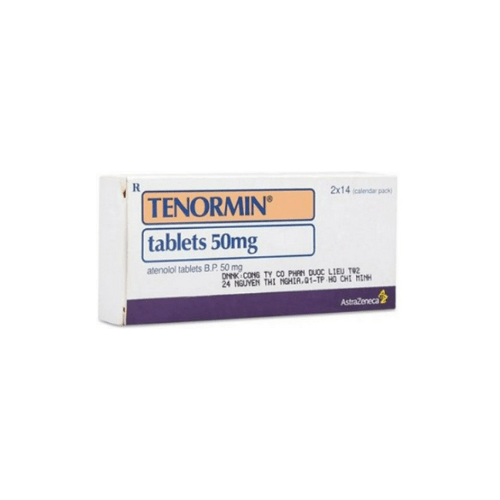
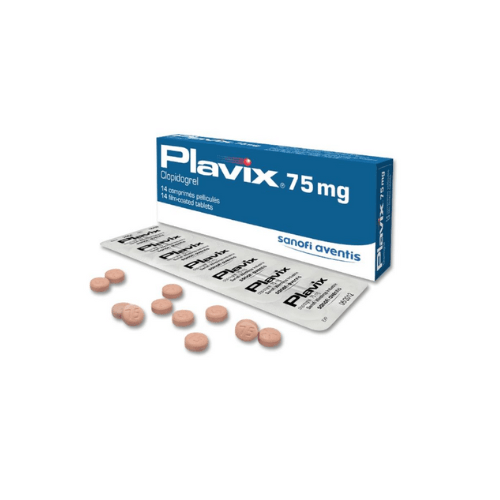
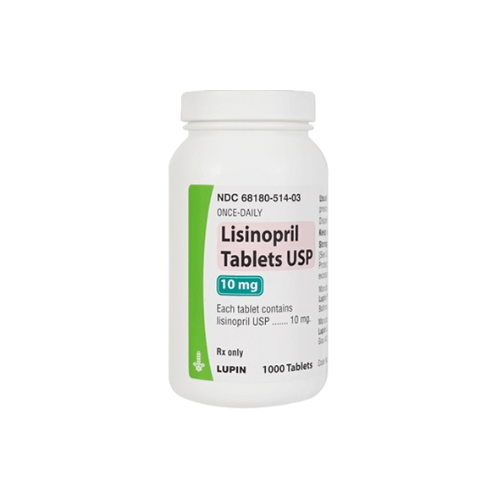
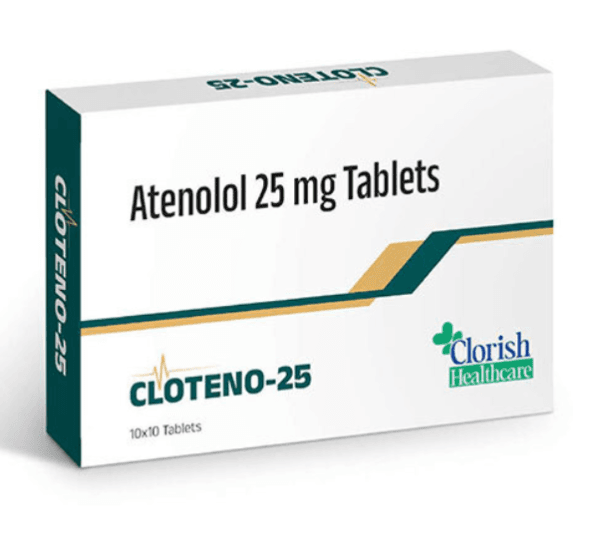
Prices in USD, the lowest price for each product; your dose and quantity set the final price. Struck prices are the US and Canadian comparison prices shown on each product page.
Heart Attack: products, conditions and resources
A Heart Attack, also called myocardial infarction, needs urgent medical care and structured follow-up. This medical-condition collection helps patients and caregivers browse related medicines, condition pages, and practical education after discharge or risk review. Use it to compare medication classes, understand linked heart conditions, and prepare better questions for a clinician.
The product links in this category focus mainly on antiplatelet medicines. These drugs help reduce clot formation in people who have had certain heart procedures or cardiac events. The articles and related condition pages add context on coronary artery disease, unstable angina, heart failure, and broader cardiovascular risk.
What This Heart Attack Category Contains
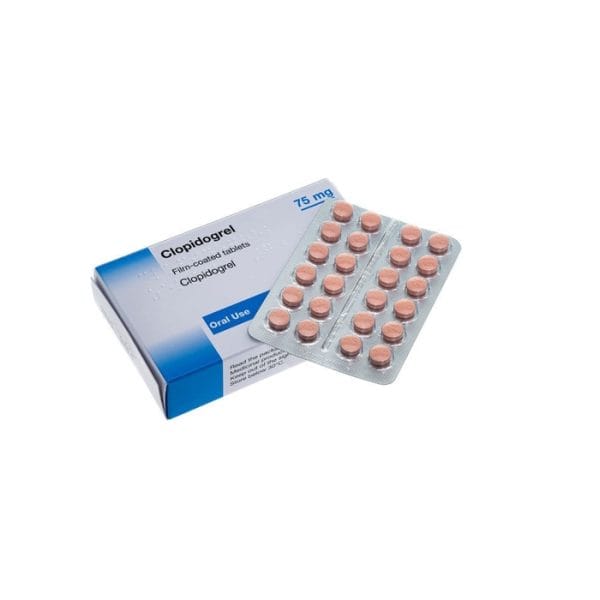
This page collects condition-aligned products and resources, not a diagnosis tool or emergency guide. Product pages may include brand and generic antiplatelet options such as Brilinta, Ticagrelor, Clopidogrel, Plavix, and Prasugrel. These pages can help you compare product names and forms before discussing choices with a prescriber.
Many people arrive here after searching about heart attack causes, mild heart attack symptoms, or what happens after a heart attack. Those questions matter, but this collection is mainly for browsing treatment-related options and follow-up resources. If symptoms are active or severe, seek emergency help rather than using a website to decide next steps.
Why it matters: Chest discomfort, shortness of breath, jaw pain, arm pain, sweating, nausea, or sudden weakness can require urgent evaluation.
How to Compare Medication Options
After a cardiac event, clinicians may consider several medicine classes. Antiplatelets help reduce clotting. Beta-blockers may lower heart workload. ACE inhibitors or angiotensin receptor blockers may support blood pressure and vascular care. Statins may help manage cholesterol and plaque risk. This collection highlights antiplatelets because those product pages are available here.
When browsing, compare the medicine name, whether it is brand or generic, the dosage form, and any article support linked nearby. Do not change or stop an antiplatelet without medical guidance. Stopping some medicines suddenly may raise risk, especially after a stent or recent hospital stay.
| Browsing point | Why to check it |
|---|---|
| Brand and generic names | Hospital discharge lists may use either name. |
| Drug class | Products in the same class can still differ. |
| Bleeding risk questions | Antiplatelets may not suit every patient profile. |
| Other medicines | NSAIDs, anticoagulants, and supplements may affect safety. |
| Follow-up plan | Monitoring needs can change after recovery progresses. |
CanadianInsulin.com works as a prescription referral platform, and prescription details may be confirmed with a prescriber when required. Product pages are a starting point for comparison, not a substitute for individualized prescribing.
Symptoms, Urgency, and Search Questions
Searches often include heart attack symptoms women, heart attack symptoms men, and heart attack symptoms women vs men. Symptoms can vary by person. Some people report chest pressure, while others notice shortness of breath, fatigue, nausea, back pain, or jaw discomfort. Women may have less typical symptoms, but any concerning pattern needs prompt medical assessment.
Queries such as how to stop a heart attack in 30 seconds, how to stop a heart attack immediately, or the 7 second trick to prevent heart attack can be dangerous if they delay care. There is no reliable home trick that can stop a myocardial infarction. Emergency medical services can provide assessment, monitoring, oxygen when needed, medications, and rapid hospital care.
People also ask about 6 signs of heart attack a month before, pre heart attack symptoms female, pre heart attack symptoms male, and what are the 4 silent signs of a heart attack. Some warning patterns may appear before an event, but they are not predictable enough for self-diagnosis. New, worsening, or unexplained symptoms deserve professional evaluation.
For medically reviewed symptom and emergency-response information, the American Heart Association lists warning signs. The NHLBI explains heart attack basics, including how blocked blood flow affects heart muscle.
Related Heart Conditions to Browse
A Heart Attack often connects with other cardiovascular conditions. Coronary Artery Disease focuses on narrowed or blocked coronary arteries. Unstable Angina covers a serious chest-pain pattern that may signal reduced blood flow. Heart Disease provides a broader condition category for related browsing.
Some patients also need resources on circulation, heart pump function, or long-term risk. Cardiovascular Disease groups wider vascular concerns, while Heart Failure relates to the heart’s ability to pump blood effectively. These pages can help you move from one diagnosis label to nearby categories that may appear in medical records.
Educational Articles for Follow-Up Questions
Several articles support deeper reading without turning this category into a treatment plan. Ticagrelor 90 mg explains one antiplatelet option in more detail. Prasugrel 10 mg covers another medication used in selected patients after certain cardiac events or procedures.
Risk reduction can involve more than antiplatelet therapy. Ramipril Uses discusses an ACE inhibitor often considered in cardiovascular care. Diabetes and Cardiovascular Disease explains why glucose management and vascular risk often overlap. Wegovy Cardiovascular Benefits addresses cardiovascular outcomes in a weight-management context.
Quick tip: Keep a current medication list beside you when comparing product pages.
Using This Collection Safely
Browse this category to organize questions, not to diagnose symptoms or choose a dose. A clinician may weigh kidney function, bleeding history, stent placement, allergies, blood pressure, cholesterol, diabetes, and other medicines. The right plan can differ after a mild heart attack, a procedure, or a longer hospital stay.
Life expectancy after 1st heart attack and life expectancy after heart attack by age depend on many factors, including heart damage, recovery, lifestyle risks, and follow-up care. Can stress cause a heart attack is also a common question. Stress may contribute to cardiovascular strain in some people, but risk usually involves several factors rather than one cause.
Use the product pages for names and comparison points, the condition pages for related diagnoses, and the articles for focused reading. Bring any concerns about bleeding, missed doses, side effects, or new symptoms to a licensed healthcare professional.
This content is for informational purposes only and is not a substitute for professional medical advice.
Related conditions
All medical conditions →Frequently asked questions
About browsing Heart Attack resources on this page.
How is this Heart Attack category organized?
This category combines condition-related product pages, related cardiovascular condition pages, and educational articles. The product pages focus mainly on antiplatelet medicines, while the condition pages help you browse nearby diagnoses such as coronary artery disease or unstable angina. The articles add background on selected medicines and risk factors. It is meant for navigation and preparation, not diagnosis or self-treatment.
Can I use this page to decide which antiplatelet is right for me?
No. You can use the page to compare product names, classes, and related reading topics. A prescriber must decide whether an antiplatelet is appropriate, which one fits, and how long it should be used. That decision may depend on stents, bleeding risk, other medicines, kidney function, and the details of the cardiac event.
What should I do if I think I am having a heart attack?
Treat possible heart attack symptoms as urgent. Do not rely on online checklists, home tricks, or quizzes if symptoms are happening now. Chest pressure, shortness of breath, faintness, sweating, jaw pain, arm pain, nausea, or sudden weakness can need emergency care. Contact local emergency services or seek immediate medical attention.
Why do related conditions appear on a Heart Attack page?
Heart attack care often overlaps with other cardiovascular conditions. Coronary artery disease can reduce blood flow to the heart. Unstable angina may involve serious chest pain from reduced blood supply. Heart failure can appear after heart muscle damage in some patients. Related condition pages help you browse labels that may appear in discharge notes or follow-up plans.
Related articles
View all articles →
Semaglutide Weight Loss Medication: Safety and Options
A semaglutide weight loss medication is a GLP-1 receptor agonist used in some settings to support chronic weight management. It works by…
Read more →
Type 1 Versus Type 2 Diabetes: Symptoms, Causes, and Care
type 1 versus type 2 diabetes comes down to why blood sugar rises. In type 1, the immune system destroys insulin-making cells…
Read more →
Sibutramine FDA Ban Explained: Risks, Timeline, Context
Key Takeaways Withdrawal was risk-driven based on higher rates of serious events. Heart and stroke concerns shaped the final regulatory decisions. Not…
Read more →
Mounjaro Heart Benefits Beyond Weight Loss: What Matters
Key Takeaways Beyond weight: Heart-related effects may involve blood sugar, blood pressure, and inflammation. Evidence is evolving: Large outcome trials help clarify…
Read more →The contents of CanadianInsulin.com are for informational purposes only and should not be considered medical advice. We do not guarantee the accuracy of the content on CanadianInsulin.com, nor do we assume any responsibility for any actions taken using the information found on our website. Always consult with your family physician or a qualified health care provider about any health or medical concerns.