
Please note: a valid prescription is required for all prescription medication.
Valsartan HCT
Buy Valsartan HCT Online


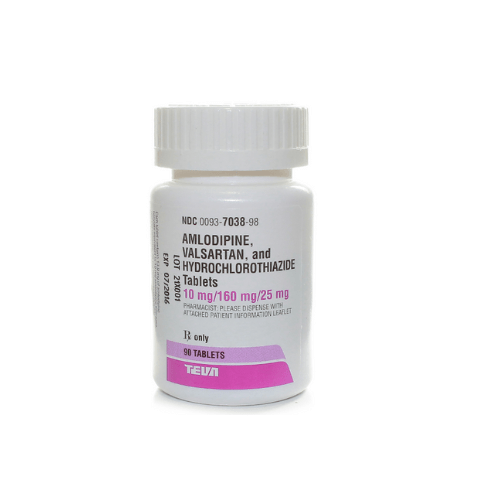
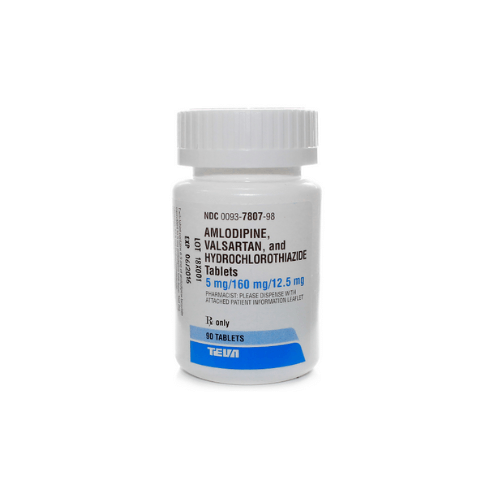
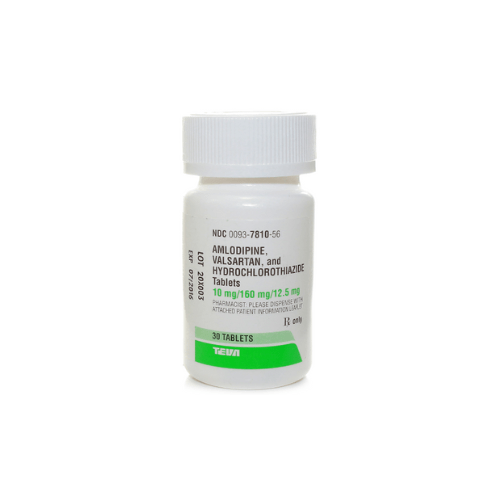
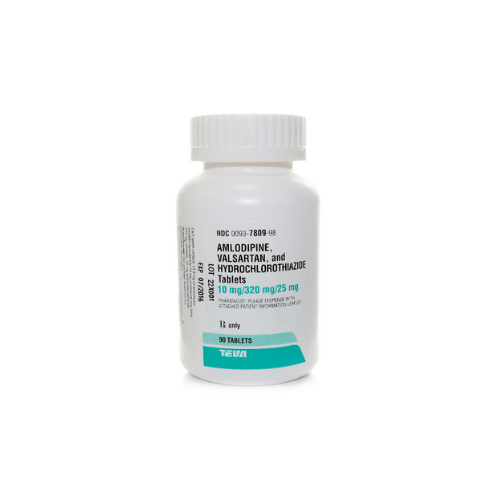
Valsartan HCT is a combination blood pressure medicine that contains valsartan and hydrochlorothiazide in one oral tablet. It can be bought online by choosing the tablet strength and quantity that match the directions from your clinician. The two-number strength is important because each tablet contains both an angiotensin II receptor blocker and a thiazide diuretic.
Valsartan hydrochlorothiazide is used for hypertension, or high blood pressure, when a clinician wants the effects of both active ingredients in a single tablet. Valsartan helps relax blood vessels, while hydrochlorothiazide helps the body remove extra salt and water through urine. For US delivery from Canada, match the medicine name, strength, form, and quantity carefully before completing the order.
Valsartan HCT Price, Strength, and Quantity
The Valsartan HCT price depends on the tablet strength and quantity chosen during ordering. Combination tablets are priced as one finished medicine, not as separate charges for valsartan and hydrochlorothiazide. A larger quantity or a different strength may change the total, so use the current checkout amount rather than estimating from a previous supply.
Strength selection is the most important product decision. The first number on the label is valsartan, and the second number is hydrochlorothiazide. For example, 160/25 mg means each tablet contains 160 mg of valsartan and 25 mg of hydrochlorothiazide. Do not choose a different ratio to fit a lower cost unless a clinician has changed your treatment plan.
Common labeled strengths include 80/12.5 mg, 160/12.5 mg, 160/25 mg, 320/12.5 mg, and 320/25 mg. The strengths shown during ordering may vary, so choose only from the tablet strengths currently displayed. If you are comparing cash-pay choices, match the active ingredients and two-number strength first, then compare the displayed Valsartan HCT cost.
| Order detail | Why it matters |
|---|---|
| Medicine name | Confirm it is valsartan hydrochlorothiazide, also called valsartan HCTZ. |
| Tablet strength | Match both numbers, not only the valsartan amount. |
| Quantity | Use the tablet count to compare total cost and supply length. |
| Brand or generic | Confirm whether the intended medicine is generic Valsartan HCT or brand Diovan HCT. |
| Delivery address | Enter address details carefully before final checkout. |
Quick tip: Read the strength as valsartan first and hydrochlorothiazide second.
How to Order Valsartan HCT Online
Order Valsartan HCT online by selecting the tablet strength, quantity, and shipping information that match your current treatment instructions. Keep the labeled container from your current supply nearby if it helps you verify the medicine name and two-number strength. If the strength on your directions does not appear, ask a qualified healthcare professional what to do before changing tablets.
People comparing blood pressure medicines should not treat products in the same category as interchangeable. Different antihypertensive medicines can affect potassium, kidney function, urination, and blood pressure in different ways. For broader browsing by medication class, the Cardiovascular Products category can help you see related heart and blood pressure therapies without using them as substitutes.
- Match the full active-ingredient name: valsartan hydrochlorothiazide.
- Choose the exact two-number strength directed for you.
- Confirm the tablet quantity before comparing the total.
- Use a current medication label to reduce strength-selection errors.
- Ask for clinical guidance before splitting, doubling, or switching tablets.
US shipping from Canada may be available through the store’s service model, but medication choices should still come from your individualized treatment plan. The shipping phrase shown at checkout may describe handling or delivery methods, but it should not influence dose, timing, or whether the medicine is appropriate for you.
What Valsartan Hydrochlorothiazide Treats
Valsartan HCT treats high blood pressure. Lowering blood pressure reduces the long-term risk of cardiovascular events such as stroke and heart attack, but the medicine works best as part of a broader plan. Sodium intake, activity level, kidney function, other medicines, and regular monitoring can all affect blood pressure control.
The combination may be used when one medicine alone does not provide enough control or when a clinician wants two complementary actions in one tablet. Valsartan is an angiotensin II receptor blocker, often shortened to ARB. Hydrochlorothiazide is a thiazide diuretic, sometimes called a water pill. The Hypertension section can help place this medicine within the broader treatment area.
This medicine is not a rescue treatment for sudden chest pain, severe shortness of breath, fainting, or stroke-like symptoms. Seek urgent medical care for weakness on one side, trouble speaking, severe headache, confusion, or symptoms that feel like a heart attack. Continue routine blood pressure tracking as directed, because uncontrolled hypertension may not cause obvious symptoms.
Tablet Details and Dose Selection
Valsartan HCT tablets contain two active ingredients in fixed ratios. This makes strength matching more precise than with a single-ingredient tablet. A person taking 160/12.5 mg is not receiving the same hydrochlorothiazide amount as someone taking 160/25 mg, even though the valsartan number is the same.
Tablet strength does not automatically describe how often the medicine should be taken. Timing and daily dose depend on the directions provided for your treatment plan, other blood pressure medicines, kidney function, fluid balance, and lab results. Do not use extra tablets to recreate a different strength unless a clinician specifically explains how to do so.
Hydrochlorothiazide can increase urination, especially when treatment starts or when the dose changes. Many people take diuretic-containing tablets earlier in the day to reduce nighttime bathroom trips, but the best timing depends on the individual plan. If dizziness, dehydration, vomiting, diarrhea, or heavy sweating occurs, ask a healthcare professional whether monitoring or temporary instructions are needed.
Generic Diovan HCT and Related Names
Valsartan HCT is the generic name commonly used for the valsartan and hydrochlorothiazide combination. Diovan HCT is a brand-name version of the same active-ingredient combination. Brand and generic products can differ in appearance, inactive ingredients, packaging, and market availability, even when the active ingredients are the same.
If your treatment instructions specify the brand name, do not substitute generic Diovan HCT on your own. The intended product should match the medicine name and strength that were chosen for you. Country-specific naming and substitution practices can differ, so use the actual active ingredients and strength on the label rather than relying only on brand familiarity.
Some people take valsartan without hydrochlorothiazide. That is a different medicine choice, even when the valsartan number looks familiar. The valsartan product tag can help you distinguish valsartan-containing products, while the Cardiovascular articles category offers general reading about heart and blood pressure topics.
Side Effects, Warnings, and Monitoring
Common side effects of valsartan hydrochlorothiazide can include dizziness, lightheadedness, tiredness, headache, and increased urination. These effects may be more noticeable after standing quickly, during hot weather, or when fluid intake is reduced. Avoid driving or hazardous tasks until you know how the medicine affects you.
Serious risks require prompt medical attention. Valsartan products carry a boxed warning for fetal toxicity because medicines that act on the renin-angiotensin system can injure or cause death to a developing fetus. Hydrochlorothiazide may cause electrolyte changes, severe skin reactions, acute eye pain or vision changes, and increased sensitivity to sunlight.
Do not use this combination if you have had a serious allergy to valsartan, hydrochlorothiazide, or another ingredient in the tablet. It may also be unsuitable for people with anuria, meaning the kidneys are not producing urine. People with kidney disease, liver disease, diabetes, gout, lupus, dehydration risk, or a history of angioedema should make sure those health details are considered before use.
Monitoring commonly includes blood pressure checks and periodic lab work. Hydrochlorothiazide can affect sodium, potassium, uric acid, and blood sugar. Valsartan can raise potassium in some people, especially when combined with potassium supplements, salt substitutes, kidney disease, or certain other medicines. Lab changes may occur before symptoms are obvious.
Why it matters: The same tablet strength can be safe for one person and risky for another.
Interactions to Discuss Before Use
Several medicines and supplements can interact with valsartan HCT. Ask a healthcare professional about potassium supplements, potassium-containing salt substitutes, lithium, digoxin, other blood pressure medicines, diuretics, ACE inhibitors, aliskiren, and nonsteroidal anti-inflammatory drugs such as ibuprofen or naproxen. Alcohol may increase dizziness or lightheadedness.
People with diabetes should not combine valsartan with aliskiren-containing medicines, according to official labeling. Nonsteroidal anti-inflammatory drugs may reduce the blood pressure effect and can worsen kidney function in some patients, especially when combined with diuretics or dehydration. Tell your care team about over-the-counter pain relievers because these are easy to overlook.
Missed-dose instructions should come from the medication label or a healthcare professional. Do not double the next dose unless you were specifically told to do so. If missed doses happen often because of urination timing, work schedule, or side effects, ask whether the timing plan needs adjustment rather than changing it yourself.
Storage, Handling, and Travel
Store Valsartan HCT tablets as directed on the label, usually at controlled room temperature and away from excess moisture. Keep the container closed when not in use. Bathrooms, hot cars, and damp storage areas can expose tablets to conditions that may affect quality.
Keep tablets in the labeled container whenever possible. If you use a pill organizer, preserve the original label so the medicine name, strength, lot information, and directions remain available. Do not take tablets that look damaged, discolored, or unfamiliar until a pharmacist or healthcare professional confirms what they are.
For travel, carry enough medicine for the planned trip and keep it in carry-on luggage when possible. Delays can separate you from checked bags, and temperature changes may be greater in storage areas. If travel crosses time zones, ask how to keep dosing consistent without taking doses too close together.
Related Blood Pressure Choices
Valsartan hydrochlorothiazide should be compared with related medicines by active ingredients, strength, and clinical purpose. A product with valsartan alone is not the same as a tablet that also contains hydrochlorothiazide. A different ARB combination may also have different monitoring needs and interaction concerns.
If your clinician changes your regimen, review the new medicine name carefully before ordering. Blood pressure treatment may involve an ARB, ACE inhibitor, calcium channel blocker, beta blocker, diuretic, or combination tablet. These categories are not interchangeable based only on tablet strength or daily timing.
When comparing Valsartan HCT without insurance or as a cash-pay purchase, focus on the exact tablet strength and quantity first. Total cost matters, but safety and product matching come before savings. If a lower-cost alternative is being considered, ask whether it uses the same active ingredients and whether monitoring should change.
Authoritative Sources
The clinical information above is supported by official drug labeling and patient-focused medical references. Use these sources together with the label that comes with your medicine and guidance from a qualified healthcare professional.
- DailyMed tablet label lists indications, strengths, boxed warning, contraindications, interactions, and storage details.
- MedlinePlus drug information explains patient precautions, side effects, and safety discussion points.
- FDA prescribing information provides detailed safety, interaction, and monitoring information for the brand combination.
This content is for informational purposes only and is not a substitute for professional medical advice.
Blood Pressure Average Calculator
Average home blood pressure readings and show a simple screening range.
Average BP
-
entered readings only
Range
-
screening category
These calculations are for education only and do not replace clinical advice, diagnosis, or treatment. Always confirm medical decisions with a qualified healthcare professional.
Mean Arterial Pressure Calculator
Calculate estimated mean arterial pressure from systolic and diastolic blood pressure.
MAP
-
DBP + one-third pulse pressure
These calculations are for education only and do not replace clinical advice, diagnosis, or treatment. Always confirm medical decisions with a qualified healthcare professional.
eGFR Calculator
Estimate kidney filtration using the 2021 CKD-EPI creatinine equation.
eGFR
-
mL/min/1.73 m2
G category
-
requires clinical context
These calculations are for education only and do not replace clinical advice, diagnosis, or treatment. Always confirm medical decisions with a qualified healthcare professional.
Urine Albumin-Creatinine Ratio Calculator
Calculate urine albumin-creatinine ratio from spot urine albumin and creatinine values.
uACR
-
mg/g
uACR
-
mg/mmol
Category
-
A1/A2/A3 albuminuria range
These calculations are for education only and do not replace clinical advice, diagnosis, or treatment. Always confirm medical decisions with a qualified healthcare professional.
Corrected Sodium Calculator
Estimate sodium corrected for hyperglycemia using common 1.6 and 2.4 correction factors.
Corrected sodium
-
1.6 factor
Corrected sodium
-
2.4 factor
These calculations are for education only and do not replace clinical advice, diagnosis, or treatment. Always confirm medical decisions with a qualified healthcare professional.
Express Shipping - from $29.99
Shipping with this method takes 3-5 days
Prices:
- Dry-Packed Products $29.99
- Cold-Packed Products $39.99
Standard Shipping - $19.99
Shipping with this method takes 5-10 days
Prices:
- Dry-Packed Products $19.99
- Not available for Cold-Packed products
What is Valsartan HCT used for?
Valsartan HCT is used to treat high blood pressure. It combines valsartan, an angiotensin II receptor blocker, with hydrochlorothiazide, a thiazide diuretic. The two medicines help lower blood pressure through different actions.
Is Valsartan HCT the same as Diovan HCT?
Valsartan HCT is the generic name for the valsartan and hydrochlorothiazide combination. Diovan HCT is a brand-name version. The intended product should match the medicine name and strength chosen for your treatment plan.
What do Valsartan HCT strengths like 160/25 mg mean?
The first number is the amount of valsartan in each tablet, and the second number is the amount of hydrochlorothiazide. For example, 160/25 mg contains 160 mg of valsartan and 25 mg of hydrochlorothiazide.
What are common Valsartan HCT side effects?
Common side effects can include dizziness, lightheadedness, tiredness, headache, and increased urination. Contact a healthcare professional promptly for severe dizziness, fainting, eye pain, vision changes, allergic symptoms, or pregnancy.
Can Valsartan HCT affect potassium or kidney labs?
Yes. Valsartan can raise potassium in some people, while hydrochlorothiazide can affect sodium, potassium, uric acid, and blood sugar. Blood pressure checks and periodic lab monitoring may be needed.
How should Valsartan HCT tablets be stored?
Store tablets as directed on the label, usually at controlled room temperature and away from excess moisture. Keep the container closed and preserve the label so the medicine name and strength remain clear.
Rewards Program
Earn points on birthdays, product orders, reviews, friend referrals, and more! Enjoy your medication at unparalleled discounts while reaping rewards for every step you take with us.
You can read more about rewards here.
POINT VALUE
How to earn points
- 1Create an account and start earning.
- 2Earn points every time you shop or perform certain actions.
- 3Redeem points for exclusive discounts.
You Might Also Like
Select options
This product has multiple variants. The options may be chosen on the product page
Select options
This product has multiple variants. The options may be chosen on the product page
Select options
This product has multiple variants. The options may be chosen on the product page
Select options
This product has multiple variants. The options may be chosen on the product page