

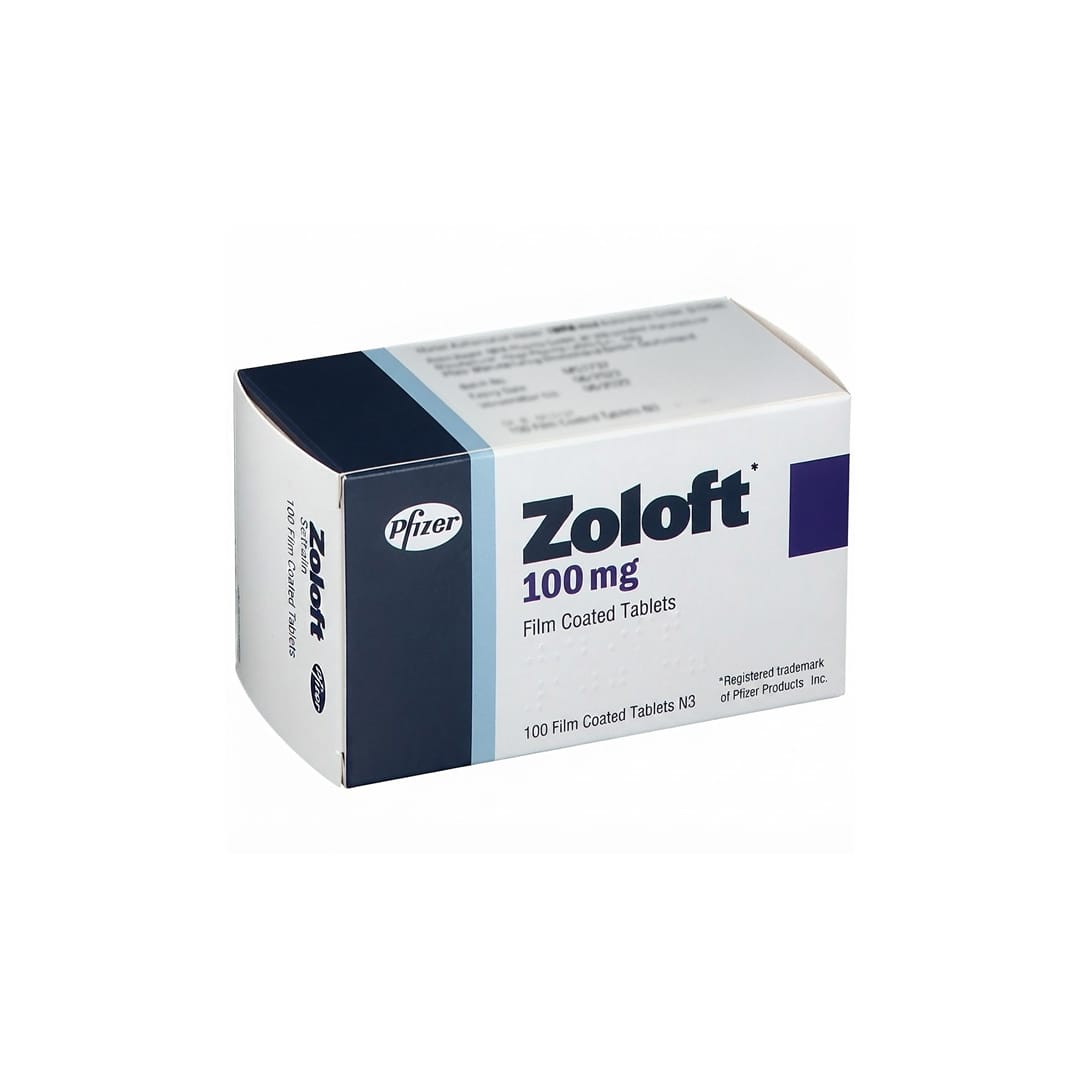
A valid prescription is required for this medication.
Buy Zoloft Online
Rx Prescription required Fast, secure shipping
About Zoloft
Zoloft is a brand-name medicine that contains sertraline hydrochloride, an SSRI antidepressant. It can be bought online by choosing the available strength and quantity that match the directions from your clinician. Current Zoloft price details should be read together with the tablet strength, tablet count, and whether the item is brand Zoloft or generic sertraline.
Zoloft Price, Strength, and Quantity
The most useful Zoloft price comparison starts with the exact strength and number of tablets. A 30-tablet supply should not be compared with a 90-tablet supply as if both totals represented the same amount of medicine. The same rule applies when comparing 25 mg, 50 mg, and 100 mg tablets, because the total depends on the strength shown and the quantity chosen.
Zoloft cost without insurance can differ from an insurance copay, a local pharmacy estimate, or a broad online average. If you are paying cash, focus on the current total for the same brand or generic name, same strength, and same tablet count. If coverage applies elsewhere, compare the final out-of-pocket amount against the same medicine and quantity rather than against a general search result.
Generic sertraline may be shown separately from brand Zoloft. The active ingredient is sertraline hydrochloride, but the manufacturer, tablet appearance, inactive ingredients, and imprint can differ. A Zoloft generic price is only a fair comparison after the strength and tablet count match the brand selection you are considering.
| Price factor | Why it changes the comparison |
|---|---|
| Brand or generic name | Brand Zoloft and generic sertraline may have different totals. |
| Strength | 25 mg, 50 mg, and 100 mg tablets are separate strength choices. |
| Quantity | The total should be judged against the number of tablets included. |
| Cash-pay status | Zoloft cost without insurance may differ from a plan-based estimate. |
| Form | Tablet orders should match tablet directions from the clinician. |
Quick tip: Compare the same strength, same tablet count, and same brand or generic name before judging the total.
How to Buy Zoloft Online
Choose the Zoloft or sertraline tablet strength that matches the directions you were given. Review the medicine name, mg strength, and quantity before checkout, especially if brand and generic choices appear separately. If the label or care plan specifies brand Zoloft, do not substitute sertraline without asking the clinician who manages your treatment.
For US delivery from Canada, enter the patient and shipping information carefully so the order can be matched to the medicine chosen. We may review order details when needed, including the product name and strength. Keep the original container available after arrival because the label helps identify the medicine, quantity, strength, and expiration date.
- Choose the medicine name: Confirm whether you need Zoloft or sertraline.
- Match the strength: Use the mg amount directed by your clinician.
- Review the quantity: Compare total tablets, not only package wording.
- Keep directions consistent: Do not use another strength to change how the medicine is taken.
- Save the label: It helps with refills, travel, and medication questions.
If you are comparing sertraline order online results, avoid switching between products based only on cost. Antidepressant therapy should stay consistent unless a clinician recommends a change. Tablets with the same active ingredient can still look different when made by different manufacturers.
Brand Zoloft and Generic Sertraline
Zoloft is the brand name for sertraline hydrochloride. Sertraline is the generic medicine for Zoloft and belongs to the selective serotonin reuptake inhibitor class, often shortened to SSRI. SSRIs affect serotonin signaling in the brain and are used in several mental health conditions.
Generic sertraline can be a practical alternative when it is appropriate for the treatment plan. The active drug is the same, but the tablet may differ in color, shape, imprint, or inactive ingredients. If you have previously reacted to a dye or filler, ask a pharmacist or clinician about the manufacturer before changing products.
Searches for Zoloft generic cost or sertraline generic price often mix different strengths and quantities. A Zoloft 50 mg price should be compared with a 50 mg sertraline tablet total for the same tablet count. The same approach applies to 25 mg and 100 mg tablets.
What Zoloft Is Used For
Zoloft is used in adults for major depressive disorder, obsessive-compulsive disorder, panic disorder, post-traumatic stress disorder, social anxiety disorder, and premenstrual dysphoric disorder. In pediatric patients, labeled use is narrower and should follow a clinician’s plan. The condition being treated can affect follow-up timing and what symptoms should be monitored.
People using Zoloft for depression or anxiety symptoms may be asked to track mood, sleep, appetite, energy, agitation, and any new or worsening thoughts of self-harm. Symptom changes are especially important when therapy is new or the dose changes. Families and caregivers should know what behavioral changes require urgent help.
For condition-based browsing, the Depression and Anxiety sections group related mental health medicines by care area. Those sections can help you understand nearby treatment categories, but they should not be used to replace a medicine that was chosen for your diagnosis.
How It Works and What to Expect
Sertraline is an SSRI, which means it helps increase serotonin activity between nerve cells. Serotonin is involved in mood, anxiety, sleep, and other brain functions. This mechanism does not make the medicine a stimulant, and it does not provide immediate symptom relief for most people.
Some people notice side effects before they notice mood or anxiety improvement. Nausea, sleep changes, headache, sweating, or stomach upset can occur early in treatment. A clinician may adjust the plan based on symptom response, tolerability, age, other medicines, and the condition being treated.
Do not change the amount you take by choosing a different tablet strength on your own. A lower-strength or higher-strength tablet can change the daily amount if the directions are not adjusted correctly. Any taper, increase, decrease, or switch to another antidepressant should be guided by a clinician.
Storage, Handling, and Travel
Zoloft and sertraline tablets are usually stored at room temperature in the original container. Keep tablets away from excess heat, moisture, and direct light. Bathroom cabinets can become humid, so a dry location away from children and pets is usually better.
Tablets do not require cold-chain handling, even though some pharmacy orders may include prompt, express, cold-chain shipping for other medicines. When the package arrives, compare the bottle label with the medicine name, strength, quantity, and appearance. Do not use tablets that look wet, crumbled, discolored, or inconsistent with the label.
For travel, keep tablets in the labeled bottle when possible. The original label can help with airport screening, refill questions, and conversations with healthcare professionals. Avoid combining loose tablets from different bottles, because mixed tablets can be hard to identify later.
Why it matters: Clear labeling helps confirm the active ingredient, strength, quantity, and safe handling instructions.
Side Effects, Warnings, and Monitoring
Common Zoloft side effects may include nausea, diarrhea, dry mouth, headache, increased sweating, tremor, sleepiness, insomnia, decreased appetite, and sexual side effects. Some effects improve as the body adjusts, while others may persist or interfere with daily life. Report bothersome or severe symptoms to the clinician managing treatment.
Antidepressants carry a boxed warning about increased risk of suicidal thoughts and behaviors in children, adolescents, and young adults. The risk is most important during early treatment and dose changes. Seek urgent help for suicidal thoughts, new agitation, unusual behavior changes, worsening depression, impulsivity, or severe restlessness.
Serious reactions can include serotonin syndrome, severe allergic reactions, abnormal bleeding, low sodium, seizures, angle-closure glaucoma, and mania or hypomania in people with bipolar disorder. Serotonin syndrome can cause agitation, confusion, fever, sweating, fast heart rate, diarrhea, muscle stiffness, or tremor. Emergency care is needed if symptoms are severe or rapidly worsening.
Zoloft should not be used with monoamine oxidase inhibitors, commonly called MAOIs, or with pimozide. Important interaction concerns also include linezolid, intravenous methylene blue, lithium, tramadol, fentanyl, triptans, St. John’s wort, blood thinners, aspirin, and NSAIDs such as ibuprofen or naproxen. Combining several serotonin-acting medicines can raise the risk of serotonin syndrome.
Tell a clinician about pregnancy, breastfeeding, liver disease, seizure history, bipolar disorder, past mania, glaucoma risk, bleeding problems, or low sodium history. Older adults and people taking diuretics may need closer monitoring for low sodium. Alcohol can worsen sleepiness or judgment in some people taking antidepressants, so ask how it fits with your treatment plan.
| Safety topic | What to discuss |
|---|---|
| Other mood medicines | Some combinations increase serotonin-related risks. |
| Bleeding risk | Blood thinners, aspirin, and NSAIDs may raise bleeding concerns. |
| Bipolar disorder | Antidepressants can trigger mania or hypomania in some people. |
| Older age | Low sodium, dizziness, and falls may need closer monitoring. |
| Stopping treatment | A taper may reduce discontinuation symptoms. |
Stopping, Switching, and Missed-Dose Questions
Stopping sertraline suddenly can cause discontinuation symptoms. These may include dizziness, irritability, nausea, headache, sleep changes, tingling sensations, or flu-like symptoms. A tapering plan may reduce these problems, especially after longer treatment or higher daily amounts.
Switching from Zoloft to generic sertraline, or from sertraline to another antidepressant, should be handled carefully. The active ingredient, daily amount, and timing all matter. Some antidepressant switches require washout periods or gradual dose changes to reduce interaction and withdrawal risks.
If a dose is missed, follow the instructions provided by your clinician or pharmacist. Do not double doses unless you were specifically told to do so. If missed doses happen often, ask whether reminders, packaging changes, or a simpler routine might help.
Related Mental Health Browsing
The Mental Health category groups medicines used across depression, anxiety, and related conditions. It can help you see how product names, forms, and strengths differ within the same care area. Use it for product identification and comparison, not for self-selecting a substitute.
For educational reading, Mental Health Articles covers patient-friendly topics that may help you prepare questions about antidepressants, side effects, monitoring, and treatment expectations. Written information can support a conversation, but it cannot replace individualized clinical guidance.
Nearby treatment choices may include other SSRIs, serotonin-norepinephrine reuptake inhibitors, or medicines from different classes. The right choice depends on diagnosis, prior response, side effect history, interactions, medical conditions, pregnancy or breastfeeding considerations, and follow-up needs.
Authoritative Sources
Authoritative references support the safety and use information above. Official prescribing information from Pfizer describes labeled uses, contraindications, boxed warning language, interactions, and major precautions. MedlinePlus sertraline patient information explains common side effects, serious symptoms, practical safety cautions, and interaction topics.
This content is for informational purposes only and is not a substitute for professional medical advice.
This content is for informational purposes only and is not a substitute for professional medical advice.
Two ways to ship
Cold-packed medications travel by Express shipping. Dry-packed medications can ship Express or Standard.
Earn points on every order
Earn points on birthdays, product orders, reviews, friend referrals, and more! Enjoy your medication at unparalleled discounts while reaping rewards for every step you take with us.
Register and/or Login
Create an account and start earning.
Earn Rewards
Earn points every time you shop or perform certain actions.
Redeem
Redeem points for exclusive discounts.
Ways to save
We stand behind our prices
We work hard to offer the very best available price. If you find a lower price on the same product, we will match it.
Learn how →Tiered pricingNew tiered pricing is here
Buy more and save more on the medications you trust: save 7% per pack when you buy 2, and 14% per pack when you buy 3 or more.
See tiered pricing →You might also like
View all →
Related articles
View all →
Semaglutide Online Without Membership: Access and Safety Checks
OverviewSemaglutide online without membership usually means using a prescription-based pathway without paying a recurring platform fee. That can be possible, but it…
Read more →
Buy Mounjaro Online: Trusted Zepbound Alternative Guide
People compare GLP-1/GIP options to manage weight and type 2 diabetes. Many also want to buy Mounjaro online while evaluating Zepbound and…
Read more →
Weight Loss Medications Online: Safe Access and Cost Planning
U.S. adults can access weight loss medications online when a licensed clinician evaluates them, confirms that treatment is appropriate, and sends a…
Read more →
Zepbound Online Access: Safety and Cost Questions
You can buy Zepbound online only through a legitimate prescription pathway and a licensed pharmacy or authorized dispensing partner. That matters because…
Read more →Speak to us
Our customer service team are highly experienced and friendly. Get in touch today.
What is Zoloft used to treat?
Zoloft is used in adults for major depressive disorder, obsessive-compulsive disorder, panic disorder, post-traumatic stress disorder, social anxiety disorder, and premenstrual dysphoric disorder. Pediatric use is more limited and should follow a clinician’s treatment plan.
Is generic sertraline the same active medicine as Zoloft?
Yes. Zoloft contains sertraline hydrochloride, and generic sertraline contains the same active ingredient. The tablet appearance, manufacturer, inactive ingredients, and imprint may differ, so match the strength and directions carefully.
Why does the Zoloft price vary?
The total can vary by brand or generic name, strength, tablet count, and cash-pay or insurance status. Compare the same strength and quantity before judging whether one Zoloft or sertraline total is lower than another.
What are common Zoloft side effects?
Common side effects may include nausea, diarrhea, dry mouth, headache, sweating, tremor, sleepiness, insomnia, decreased appetite, and sexual side effects. Severe, persistent, or unusual symptoms should be discussed with a clinician.
Can Zoloft interact with other medicines?
Yes. Important interaction concerns include MAOIs, pimozide, linezolid, methylene blue, lithium, tramadol, fentanyl, triptans, St. John’s wort, blood thinners, aspirin, and NSAIDs. Keep an updated medicine and supplement list.
Can Zoloft be stopped suddenly?
Stopping suddenly can cause discontinuation symptoms such as dizziness, irritability, nausea, headache, sleep changes, tingling sensations, or flu-like symptoms. A clinician may recommend a tapering plan when treatment needs to stop.
Speak to our team
 Call toll free1-844-560-7790
 Emailservice@canadianinsulin.com
Monday to Friday 7am – 11pm EST
Saturday 7am to 7pm EST
Sunday 8am – 5pm EST