

Cancer Articles and Resources
Plain-language guides on medications, conditions and everyday care, to read before you talk with your prescriber or pharmacist.

Breast Cancer Awareness Month: Dates, Screening, and Support
Breast Cancer Awareness Month is observed every October to promote breast health education, screening discussions, support for people affected by breast cancer,…
Read more →
Ustekinumab vs Adalimumab: Malignancy Risk and Safety
For most people, ustekinumab vs adalimumab does not come down to a clearly safer cancer-risk choice. Both biologics carry malignancy warnings, but…
Read more →
Osteosarcoma and Metformin: Future Role, Evidence, and Care
Metformin is not an established treatment for osteosarcoma, but researchers are studying whether it could help in narrow settings. Osteosarcoma and Metformin:…
Read more →
Metformin and Cancer: Mechanisms, Evidence, and Limits
Metformin and cancer is an active research topic, but metformin is not a proven stand-alone cancer treatment. Scientists study it because it…
Read more →
Can Wegovy Cause Cancer? Evidence, Warnings, and Monitoring
Current human evidence has not shown that Wegovy directly causes cancer. The main cancer-related warning comes from thyroid C-cell tumors seen in…
Read more →
Diabetes and Pancreatic Cancer: Evidence-Based Link and Guidance
Key TakeawaysBidirectional link: diabetes may precede or result from pancreatic disease.Early signs are subtle; unexplained weight loss with hyperglycemia warrants review.Routine population…
Read more →
Glucagonoma Causes, Symptoms, and Treatment: A Practical Guide
Key TakeawaysRare tumor origin: Most tumors arise from pancreatic alpha cells and secrete excess glucagon.Skin clue: A painful red rash called necrolytic…
Read more →
Cancer and Diabetes: Risks, Symptoms, and Care Planning
Cancer and Diabetes can affect each other through shared risk factors, treatment effects, and changes in eating, activity, and stress hormones. The…
Read more →
Insulinoma in Dogs: Symptoms, Diagnosis, and Treatment
Insulinoma in dogs is an uncommon pancreatic tumor that releases too much insulin and pushes blood sugar dangerously low. That low blood…
Read more →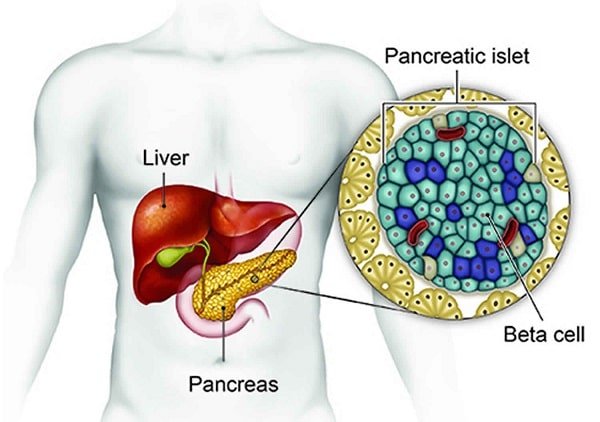
Insulinoma: Symptoms, Diagnosis, Causes, and Treatment
An insulinoma is a rare pancreatic neuroendocrine tumor that releases insulin when the body does not need it. That excess insulin can…
Read more →
Insulin Potentiation Therapy: Evidence, Risks, and Context
Insulin Potentiation Therapy: Evidence, Risks, Context begins with a simple answer: insulin potentiation therapy is an alternative cancer treatment approach in which…
Read more →
What Is Glucagonoma: Signs, Diagnosis, and Treatment Guide
Understanding what is glucagonoma helps patients, families, and clinicians align on next steps. This rare pancreatic tumor raises glucagon, which disrupts glucose…
Read more →The cancer articles in this archive help patients, caregivers, and readers find plain-language health information without sorting through unrelated posts. Use this page to move between safety explainers, symptom-oriented reading, risk questions, and related medication discussions. It is a starting point for browsing, not a place to diagnose a condition or choose treatment.
How to Use These Cancer Articles
Start with the question you brought to the page. Some readers want a basic cancer definition, while others want to compare types of cancer, possible warning signs, or safety questions linked to a specific medication. The article list may include broad explainers, focused risk discussions, and links to adjacent categories when the topic overlaps with diabetes, weight management, heart health, or endocrine care.
These cancer articles are best used in layers. Read a general explainer first when a term is unfamiliar. Move to a medication-safety article when your concern involves a named drug or class. Use condition collections when you want to see how related chronic conditions are organized elsewhere on the site.
Quick tip: Keep one question in mind as you browse, such as risk, symptoms, screening, or medication safety.
What This Archive Covers
At a high level, cancer describes abnormal cell growth that can invade nearby tissue. Some malignant tumors can spread, a process called metastasis (spread to distant sites). You may also see neoplasm (abnormal growth) in medical writing. This archive does not replace oncology care or official screening guidance. It helps you locate readable context on warning signs, risk factors, treatment conversations, and medicine-related questions.
Because CanadianInsulin focuses strongly on diabetes, weight management, and cardiometabolic medicines, some entries connect malignancy concerns with metabolic health. For example, a reader may want to understand whether a weight-loss injection has known tumor-related warnings, or whether a symptom discussed online needs clinical review. This page helps separate those browsing paths so you can choose a more relevant next article.
Browse by the Question You Need Answered
Different questions need different resources. A simple definition article may explain classification of cancer, cell changes, and common language used by clinicians. A symptom article may help you prepare better questions, but it cannot tell whether a sign is serious in your case. A medication article may summarize known warnings, labels, and discussion points without deciding whether a treatment is right for you.
- Basic understanding: Look for explainers that define terms, describe main types, and explain how abnormal cells develop.
- Symptoms and warning signs: Use symptom-oriented posts to prepare questions, especially when changes are persistent, unusual, or worsening.
- Medication concerns: Choose drug-safety articles when your question involves a named medication, drug class, or label warning.
- Related conditions: Move into diabetes, cardiovascular, or endocrine resources when the concern is part of broader chronic care.
Many searches ask for one main cause of cancer. The answer is usually more complex. Risk can involve age, inherited factors, infections, tobacco exposure, radiation, immune function, hormones, and environmental or lifestyle factors. Use this archive to narrow the topic, then confirm personal risk questions with a qualified clinician.
Medication Safety and Related Article Paths
Medication-related cancer questions often come from warning labels, social media, or a new symptom during treatment. Start with a focused post when one exists, such as Can Wegovy Cause Cancer. That type of article is more useful when you need context on a specific safety concern rather than a broad introduction.
When the question is about a medication class instead of one article, use adjacent browsing pages. The Weight Management Articles archive can help with obesity and anti-obesity medicine topics. The GLP-1 Agonists product category is better for comparing medicines in that class, while article pages are better for reading safety explainers.
When a resource connects medication questions with prescription access, CanadianInsulin may help confirm prescription details with the prescriber where required. That process cue does not change the role of this archive. Use medication pages for product facts, and use articles to prepare safer questions for your care team.
Related Health Categories That May Help
These questions often overlap with chronic disease, hormones, weight, and heart health. That does not mean one topic explains the other. It means you may need a different category when your question starts with a medicine, lab result, or long-term condition rather than a tumor type.
| If your question is about | Useful next section |
|---|---|
| Blood sugar, insulin resistance, or diabetes medicines | Diabetes Articles and Type 2 Diabetes Products |
| Body weight, obesity care, or appetite-related medicines | Obesity Care Options |
| Heart risk, blood pressure, or cholesterol discussions | Cardiovascular Articles |
| Hormones, thyroid questions, or endocrine conditions | Endocrine and Thyroid Articles |
This structure keeps the archive practical. Use cancer articles for malignancy-related reading. Use condition and product categories when you need to compare medicine groups, chronic disease resources, or care areas outside oncology.
How to Read Broad Medical Information Safely
Broad health searches can mix reliable information with personal stories and incomplete claims. Treat any list of symptoms of cancer as a prompt for medical discussion, not as a checklist for self-diagnosis. New bleeding, unexplained weight loss, a persistent lump, changing skin lesions, or symptoms that do not improve deserve professional attention. Urgent or severe symptoms should be addressed through appropriate medical care.
Be cautious with articles that promise simple prevention or guaranteed answers. Prevention often means reducing modifiable risks, following age-appropriate screening guidance, and managing known health conditions with a clinician. Some risk factors cannot be changed. If you have a family history, past diagnosis, immune suppression, or a current treatment plan, broad articles may not apply to your situation.
Use This Archive as a Reading Map
Return to this page when your question changes from a broad definition to a more specific concern. You can move from general articles into medication-safety posts, then into related diabetes, cardiovascular, endocrine, or weight management sections when those areas better match your search. Keep notes on unfamiliar terms, product names, and symptoms you want to ask about.
The goal is simple: choose the next resource that fits your question, without treating an archive page as a diagnosis or treatment plan. If an article raises concern, bring the details to a qualified healthcare professional who can review your history and symptoms.
This content is for informational purposes only and is not a substitute for professional medical advice.
This content is for informational purposes only and is not a substitute for professional medical advice.
Frequently asked questions
About reading the Cancer archive.
Where should I start in this cancer archive?
Start with the question you want answered. If it is general, look for definition, risk, or symptom explainers. If it involves a medicine, a focused medication-safety post may be more useful. If the question overlaps with diabetes, weight, heart, or hormone care, related category pages may fit better than broad reading.
Do these articles explain symptoms or diagnosis?
They may explain common symptom language and why persistent changes can need medical review. They cannot diagnose, rule out malignancy, or decide whether a symptom is urgent for you. Many signs overlap with non-cancer conditions. A clinician can interpret symptoms alongside your history, exam findings, and any needed tests.
How should I use medication-safety articles?
Use them to understand the specific concern being discussed, such as a warning, side effect, drug class, or label-related question. They are not a substitute for individualized prescribing advice. If a medicine is part of your current care plan, compare the article with the official product information and ask your prescriber how it applies to you.
Are product pages cancer treatment recommendations?
No. Product pages describe medication details for their relevant uses and access context. They should not be read as oncology treatment recommendations. If a product page appears near a cancer-related article, use it only to understand the medication category or product facts, then discuss any treatment question with an appropriate healthcare professional.
Browse by medical condition
Products and reading lists grouped by condition, from A to Z.
All medical conditions →Looking for a medication?
Prices in USD, shown before you pay. Prescription required.
Shop all medications →The contents of CanadianInsulin.com are for informational purposes only and should not be considered medical advice. We do not guarantee the accuracy of the content on CanadianInsulin.com, nor do we assume any responsibility for any actions taken using the information found on our website. Always consult with your family physician or a qualified health care provider about any health or medical concerns.