

Neurology Articles and Resources
Plain-language guides on medications, conditions and everyday care, to read before you talk with your prescriber or pharmacist.

Alzheimer’s and Brain Awareness Month: Facts and Support
Alzheimer’s and brain awareness month is observed each June to raise awareness about Alzheimer’s disease, other dementias, brain health, and caregiver support.…
Read more →
Taltz and Fibromyalgia: Evidence, Safety, and Nerve Pain
Taltz (ixekizumab) is approved for several inflammatory diseases, but it is not approved for fibromyalgia or typical neuropathic pain (nerve-related pain) conditions.…
Read more →
Clopidogrel 75 mg: Safety, Uses, and Stroke Risk
Clopidogrel 75 mg is a common daily maintenance dose of an antiplatelet medicine used to lower the chance of certain blood-clot events,…
Read more →
Tirzepatide Multiple Sclerosis: Safety, Weight, and Research
Tirzepatide is not an approved treatment for multiple sclerosis, and current evidence does not prove that it reduces relapses, MRI lesions, or…
Read more →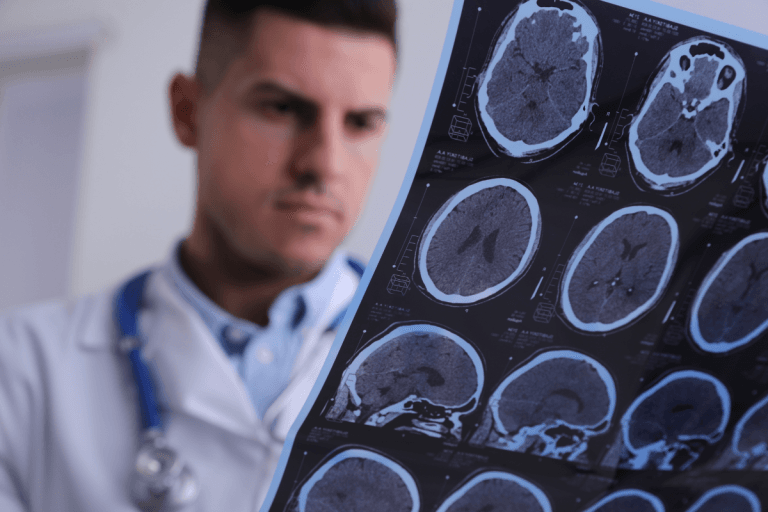
Metformin and Multiple Sclerosis: Evidence, Trials, and Limits
Metformin and multiple sclerosis are now linked in research because scientists think this diabetes drug may affect inflammation, nerve repair, and cellular…
Read more →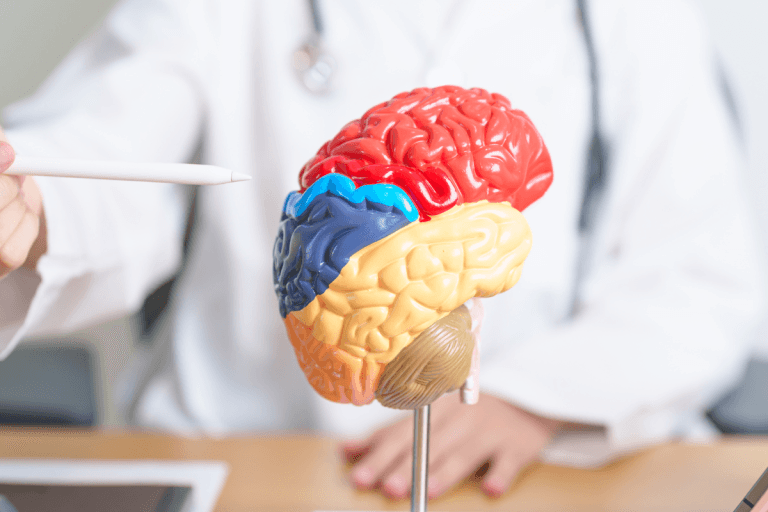
Blood Sugar and Brain Function: Why Fluctuations Matter
Blood sugar and brain function are tightly connected because the brain relies on a steady glucose supply to support attention, memory, mood,…
Read more →
Leqembi Cost: Coverage, Monitoring, and Budget Factors
Leqembi cost is not just the medication list price. Families usually need to budget for the drug, infusion visits, MRI monitoring, clinician…
Read more →
Leqembi Dosing: Infusions, MRI Checks, and Safety
Leqembi dosing follows a structured treatment plan that combines scheduled medicine administration, brain MRI monitoring, and symptom checks. The goal is not…
Read more →
Leqembi in Early Alzheimer’s: Benefits, Safety, and Monitoring
Leqembi is an amyloid-targeting antibody used for some people with early Alzheimer’s disease, including mild cognitive impairment or mild dementia due to…
Read more →
Leqembi Side Effects and What to Expect During Treatment
Leqembi side effects can include headache, infusion-related reactions, and a brain MRI finding called ARIA. That does not mean everyone will have…
Read more →
Alzheimer’s Medication Options: Benefits, Risks, and Choices
Alzheimer's medications can help in two main ways: some ease symptoms for a time, while newer treatments may slow decline in carefully…
Read more →
Alzheimer’s Disease: Symptoms, Causes, and Care Strategies
Alzheimer's disease is a progressive brain disorder that damages memory, thinking, behavior, and daily function over time. It is the most common…
Read more →Brain, spine, and nerve topics can be difficult to sort quickly. Here, you can browse neurology articles written for patients, caregivers, and readers who want clear explanations before choosing a deeper topic. Use this archive to scan symptom-focused posts, compare related condition pages, and separate educational reading from medication-specific information.
These resources are most useful when you know the question you are trying to answer. You might be checking whether tingling, headaches, seizures, memory changes, or diabetes-related nerve symptoms deserve more reading. The articles can help you prepare better questions for a clinician, but they cannot diagnose a condition.
Browse neurology articles by topic
The collection centers on educational posts, not a product list. It covers neuropathy (nerve damage), headache patterns, seizure-related concerns, cognitive changes, and diabetes complications that may affect nerves or the brain. Some posts explain symptoms in plain language. Others compare conditions, screening steps, or treatment discussions at a high level.
- Nerve pain and sensory symptoms: Diabetic Neuropathy, Diabetic Neuropathy Treatment and Diagnosis, and Burning Feet Syndrome help separate symptom descriptions from care planning questions.
- Brain and cognition: Alzheimer’s Disease Causes, Symptoms, and Care Strategies and Dementia vs Alzheimer’s compare memory-related terms and caregiving concerns.
- Diabetes-related events: Diabetes Headache and Diabetic Seizures focus on symptoms that may overlap with glucose changes, medication effects, or urgent care needs.
Choose a starting point without self-diagnosing
Many readers arrive with broad searches such as neurological disorders symptoms, early symptoms of neurological disorders, or causes of neurological disorders. Those phrases can be useful starting points, but they can also group very different problems together. A symptom-based post helps you name what you are reading about. A condition page helps you compare related content. A medication page helps you review product-level details when a treatment has already been discussed with a prescriber.
| If your question is about | Use this type of page | Best use |
|---|---|---|
| New or changing symptom | Start with a symptom article. | Note timing, triggers, and related health conditions before a visit. |
| Known diagnosis | Use a condition page or article category. | Compare related complications, monitoring topics, and clinician questions. |
| Medication question | Open the product category or product page. | Check form, prescription context, and pharmacist questions without changing doses. |
If you are browsing for neurological disorders in adults, read for patterns rather than isolated words. Numbness, pain, weakness, vision changes, memory problems, and balance issues can have many causes. Articles can help you understand the vocabulary, while a clinician connects that vocabulary to an exam, testing history, and personal risk factors.
How neurologist questions fit this archive
A neurologist evaluates disorders involving the brain, spinal cord, peripheral nerves, and muscles. Searches like what do neurologists do, why would I be referred to a neurologist, or what does a neurologist do on your first visit usually need clinical evaluation, not only reading. This archive can help you understand terms before an appointment and write down questions about symptoms, testing, or referrals.
For nerve pain questions, article pages may explain possible causes, diabetes-related neuropathy, or common treatment categories. They should not be used to choose a medicine, start a supplement, or adjust a dose. For a condition-aligned browse page, Neuropathic Pain gathers related options in one place.
Treatment and medication topics in context
Some neurology articles mention medications because readers often compare symptoms with treatment options. Keep those references separate from product pages. The Neurology Product Category is the better place to browse product listings, while this archive is better for explanations, safety language, and related reading paths.
Medication names can appear across several specialties. For example, a medicine may be discussed in nerve pain, seizure, migraine, or mood-related contexts. Browse by the reason it was mentioned, not by assuming every mention applies to the same condition.
CanadianInsulin.com operates as a prescription referral platform, so prescription details may be checked with the prescriber when needed. Dispensing is handled by licensed third-party pharmacies where allowed. These process notes do not replace a clinician’s judgment about neurological disorders treatment, nerve pain, seizures, migraine prevention, or mental health concerns.
Related archives for overlapping health topics
Nerve and brain symptoms often intersect with diabetes, endocrine health, weight changes, sleep, and mental health. The Diabetes Articles archive can help when symptoms appear alongside glucose changes, neuropathy, or hypoglycemia (low blood sugar). If your question centers on insulin, glucose monitoring, or diabetic complications, related diabetes reading may offer a clearer starting point than a broad neurological disorders list.
This is especially helpful when a symptom sits between categories. Burning feet may lead you toward nerve pain, diabetes, vitamin B12 deficiency, or circulation questions. Headache content may overlap with glucose changes, sleep patterns, and medication side effects.
When you compare article categories, look at the type of question each page answers. Symptom explainers answer what something may feel like. Condition articles define terminology and risk factors. Product categories organize medication pages. This distinction keeps browsing practical and reduces the chance of treating an educational article as personal medical direction.
Use the archive alongside clinical care
Questions about the most common neurological disorders list or the top 10 neurological diseases can be interesting, but ranking lists rarely match an individual situation. Age, medical history, medications, family history, and timing all change what a symptom may mean. If symptoms are sudden, severe, or rapidly changing, seek urgent medical assessment rather than relying on an article.
Quick tip: Keep a brief symptom timeline before you compare articles, condition pages, or product information.
Use these neurology articles as a reading map. Start with the clearest symptom or diagnosis, compare nearby posts, then save treatment-specific questions for your prescriber, pharmacist, or neurologist.
This content is for informational purposes only and is not a substitute for professional medical advice.
This content is for informational purposes only and is not a substitute for professional medical advice.
Frequently asked questions
About reading the Neurology archive.
How should I start browsing Neurology articles?
Start with the clearest question you have. If you are trying to understand a symptom, choose a symptom-focused article first. If you already have a diagnosis, condition pages and related archives may be more useful. Medication links should be read as product-level information, not as instructions to start, stop, or change treatment.
Can this archive tell me if I need a neurologist?
No. The archive can explain common terms, symptom patterns, and questions that may come up before an appointment. It cannot decide whether you need a referral or diagnose a neurological condition. A primary care clinician, emergency clinician, or specialist should assess symptoms, medical history, exam findings, and any testing needs.
Why do diabetes topics appear in a nerve and brain category?
Diabetes can affect nerves, blood vessels, vision, and glucose levels, so some symptoms overlap with neurology topics. Articles on neuropathy, headaches, seizures, and hypoglycemia may help readers understand how these subjects connect. They should still be used for education only, since similar symptoms can have different causes.
Do medication links in this archive explain treatment choices?
Medication links may help you review product names, categories, and prescription-related details. They do not replace a clinician’s treatment plan. If an article mentions a medicine for nerve pain, seizures, migraine prevention, or another condition, discuss the reason, risks, and alternatives with the prescriber or pharmacist.
Browse by medical condition
Products and reading lists grouped by condition, from A to Z.
All medical conditions →Looking for a medication?
Prices in USD, shown before you pay. Prescription required.
Shop all medications →The contents of CanadianInsulin.com are for informational purposes only and should not be considered medical advice. We do not guarantee the accuracy of the content on CanadianInsulin.com, nor do we assume any responsibility for any actions taken using the information found on our website. Always consult with your family physician or a qualified health care provider about any health or medical concerns.