

Ankylosing Spondylitis Medications and Resources
Browse Ankylosing Spondylitis medications, injections, pain-relief options, and related condition resources to compare formats and plan clinician discussions.
Prices in USD, the lowest price for each product; your dose and quantity set the final price. Struck prices are the US and Canadian comparison prices shown on each product page.
Ankylosing Spondylitis: products, conditions and resources
Ankylosing Spondylitis is a condition-focused collection for comparing medicines, injection formats, and related resources used in care planning. It helps patients and caregivers browse product pages, condition categories, and educational articles before discussing options with a clinician. Use this page to compare drug classes, formats, storage needs, and related inflammatory conditions without treating it as personal medical advice.
AS is a chronic inflammatory arthritis that mainly affects the spine and sacroiliac joints. Common ankylosing spondylitis symptoms include inflammatory back pain, morning stiffness, reduced flexibility, and fatigue. Some people also develop eye, skin, bowel, or peripheral joint symptoms. Your clinician will connect these patterns with imaging, lab work, and exam findings when considering ankylosing spondylitis diagnosis criteria.
Ankylosing Spondylitis Medication Options in This Collection
This category includes nonsteroidal anti-inflammatory drugs, biologic injections, and related educational pages. NSAIDs may help some people manage pain and stiffness, while biologics target specific immune pathways. A single ankylosing spondylitis medication may differ by form, device, storage requirements, and prescriber monitoring needs.
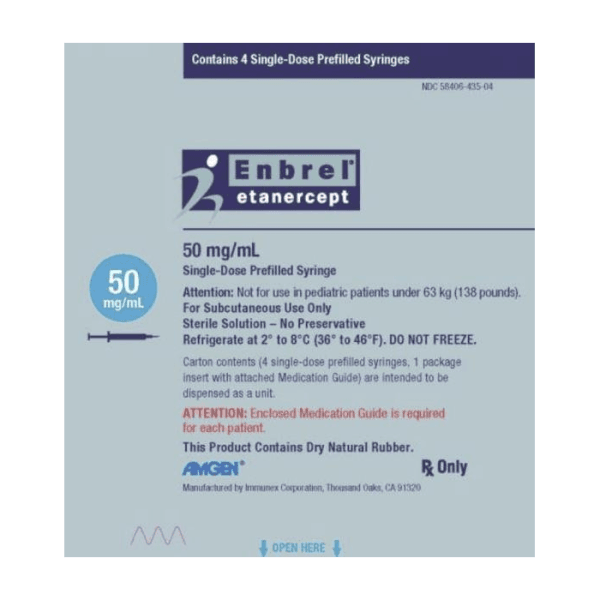
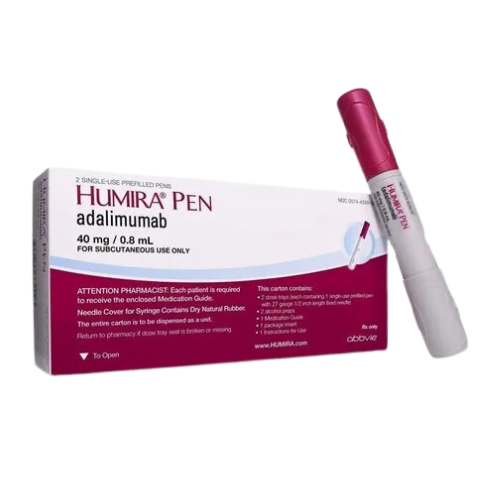
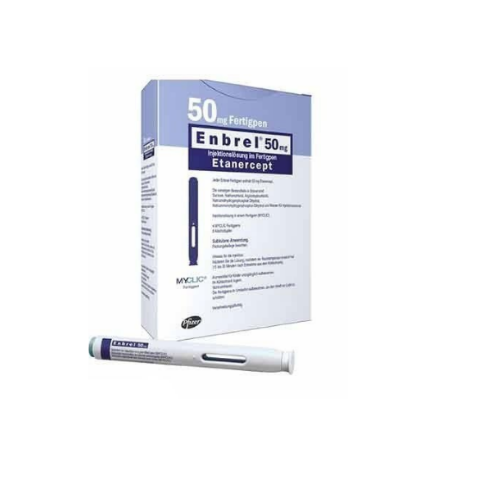
Product pages in this collection include the COX-2 selective NSAID Celebrex, often reviewed for arthritis-related pain and inflammation. Biologic options include TNF inhibitors such as Humira, the Enbrel Pre-Filled Syringe, and the Enbrel SureClick Auto-Injector. The IL-17A inhibitor Taltz may also appear in treatment discussions for axial spondyloarthritis.
CanadianInsulin.com is a prescription referral platform. Where required, prescription details may be confirmed with the prescriber before a pharmacy dispenses the medication. Product pages should still be checked carefully, since availability, device type, and packaging can vary.
How to Compare Treatment Formats
Ankylosing spondylitis treatment choices often depend on disease activity, prior medicine response, extra-articular symptoms, and comfort with different formats. This page does not rank one medicine as best. Instead, it helps you compare practical details before asking your clinician targeted questions.
| Format or category | What to compare while browsing |
|---|---|
| Oral anti-inflammatory tablets | Drug class, stomach or kidney cautions, other medicines, and clinician monitoring advice. |
| Prefilled syringes | Needle handling, injection-site rotation, storage instructions, and caregiver support needs. |
| Auto-injectors | Device training, grip comfort, viewing window, and confidence using a self-injection device. |
| Biologic therapy pages | Immune pathway, infection screening, vaccine timing, and refrigeration information. |
Quick tip: Open product pages side by side to compare form and device details.
People searching for the best medicine for ankylosing spondylitis should treat that question as clinician-specific. The right option can change with uveitis history, psoriasis, inflammatory bowel disease, infections, pregnancy plans, or other medicines. If you are comparing an ankylosing spondylitis treatment injection, ask about screening tests, storage, missed-dose instructions, and when to seek help for side effects.
Symptoms, Diagnosis, and Related Conditions
This collection is product-led, but symptom context can help you choose useful next pages. Ankylosing spondylitis early symptoms often include lower back or buttock pain that improves with movement and feels worse after rest. Some people notice stiffness before spinal changes are visible on X-ray. Searches about ankylosing spondylitis symptoms females may reflect delayed recognition, since symptoms can include neck, hip, peripheral joint, or widespread pain patterns.
Clinicians assess ankylosing spondylitis diagnosis through medical history, physical examination, imaging, inflammatory markers, and sometimes HLA-B27 testing. Diagnosis is not based on one symptom checklist alone. The NIAMS Ankylosing Spondylitis resource explains symptoms and risk factors in patient-friendly language.
Related browse pages can help when symptoms overlap. Axial Spondyloarthritis covers the wider disease group that includes non-radiographic and radiographic forms. Psoriatic Arthritis may be relevant when skin plaques, nail changes, dactylitis, or peripheral joint pain coexist. Uveitis is useful for eye inflammation context, especially when recurrent eye pain or light sensitivity has been part of the history.
Safety and Access Considerations
Biologic medicines and other immune-modifying therapies can increase infection risk. Clinicians may review tuberculosis screening, hepatitis status, vaccine timing, current infections, and past reactions before prescribing. They may also reassess therapy when symptoms, imaging, or side effects change.
Is ankylosing spondylitis an autoimmune disease? It is usually described as an immune-mediated inflammatory disease rather than a simple wear-and-tear back problem. Ankylosing spondylitis causes are not fully explained, but genetics, immune pathways, and environmental factors can play roles. For a broad patient summary, MedlinePlus on Ankylosing Spondylitis outlines common symptoms and care themes.
Fulfilment is handled by licensed third-party pharmacies where permitted. Some patients also review cash-pay access depending on eligibility and jurisdiction. These access details do not replace prescription requirements, pharmacy checks, or clinician monitoring.
Why it matters: Immune-targeting medicines require safety screening before and during treatment.
Product Guides and Educational Starting Points
Educational pages can help you prepare better questions about a product class or format. The Enbrel Etanercept Guide explains how that medication is commonly discussed across approved uses and safety topics. The Celebrex Celecoxib Guide provides additional context for a COX-2 selective NSAID.
Related condition pages can also clarify where ankylosing spondylitis treatment overlaps with other inflammatory diseases. Enthesitis-Related Arthritis may be useful when tendon or ligament attachment pain is part of the discussion. Rheumatoid Arthritis can help separate axial inflammatory arthritis from other joint-focused immune conditions.
People often ask what is the latest treatment for ankylosing spondylitis. Newer therapies may target different immune pathways, but suitability depends on diagnosis, prior treatment response, safety history, and local prescribing rules. Use this collection to compare available product pages, then confirm current ankylosing spondylitis treatment guidelines with a qualified clinician.
Using This Page for Better Discussions
Before opening a product page, list the main browsing questions you need answered. These may include tablet versus injection preference, device comfort, refrigeration, monitoring, related conditions, and prior medication history. A simple ankylosing spondylitis symptoms checklist can help organize discussion points, but it should not be used to self-diagnose.
Severe structural disease is sometimes described in searches as ankylosing spondylitis stage 4, but staging language varies. Clinicians usually focus on function, inflammation, imaging findings, spinal mobility, complications, and treatment response. This collection is best used as a navigation page for medication and resource comparison, not as a substitute for a medical evaluation.
This content is for informational purposes only and is not a substitute for professional medical advice.
Related conditions
All medical conditions →Frequently asked questions
About browsing Ankylosing Spondylitis resources on this page.
How should I compare products in this Ankylosing Spondylitis collection?
Compare products by class, format, device type, storage needs, and monitoring questions. For example, an NSAID tablet has different practical considerations than a biologic prefilled syringe or auto-injector. Product pages can help you identify form and handling details, while your clinician can explain whether a medicine fits your diagnosis, history, and current treatment goals.
Can this page help me diagnose ankylosing spondylitis?
No. This page can help you understand common terms, related conditions, and medication categories, but diagnosis requires a clinician. Evaluation may include symptom history, physical examination, imaging, blood tests, and review of other possible causes of back or joint pain. Use the resources here to prepare questions, not to confirm a diagnosis on your own.
What should I ask before considering an ankylosing spondylitis treatment injection?
Ask about why that drug class is being considered, what screening is needed, how the device is used, and how storage works. Also ask about infection precautions, vaccine timing, travel planning, missed-dose instructions, and when side effects need urgent attention. These questions help you compare product pages without changing treatment on your own.
Are related condition pages useful if I already have an Ankylosing Spondylitis diagnosis?
Yes, they can be useful when symptoms overlap. Axial spondyloarthritis, psoriatic arthritis, uveitis, and enthesitis-related arthritis may share features with ankylosing spondylitis or affect treatment discussions. Related pages can help you organize questions about eye symptoms, skin changes, tendon pain, or peripheral joint involvement before your next appointment.
Related articles
View all articles →
Celebrex: Safety, Uses, Dosage, and Side Effects
Celebrex is a prescription nonsteroidal anti-inflammatory drug (NSAID) used to reduce pain and inflammation in conditions such as arthritis, acute pain, and…
Read more →
Enbrel: Safety, Uses, Injections, and Monitoring Basics
Enbrel is a biologic medicine used to reduce immune-driven inflammation in conditions such as rheumatoid arthritis, psoriatic arthritis, ankylosing spondylitis, plaque psoriasis,…
Read more →The contents of CanadianInsulin.com are for informational purposes only and should not be considered medical advice. We do not guarantee the accuracy of the content on CanadianInsulin.com, nor do we assume any responsibility for any actions taken using the information found on our website. Always consult with your family physician or a qualified health care provider about any health or medical concerns.