
Key Takeaways
- Evidence remains limited for cbd oil and diabetes; manage expectations.
- Monitor glucose closely when trying CBD due to potential fluctuations.
- Interactions with common diabetes drugs are possible; involve your clinician.
- Choose tested products, start low, and review lab reports.
- Do not replace prescribed diabetes treatments with CBD.
CBD Oil and Diabetes: What We Know
Interest in cannabidiol (CBD) has surged among people living with diabetes. Some hope it may ease neuropathic pain, anxiety, or sleep issues. Others wonder about glucose control and insulin sensitivity (how well insulin lowers blood glucose). Current evidence is mixed and still developing, so cautious exploration is key.
CBD acts on the endocannabinoid system and several receptor pathways linked to inflammation and pain. These mechanisms could plausibly influence metabolic markers. However, human trials remain small, short, and heterogeneous. That means we cannot draw strong conclusions about glycemic outcomes across the board.
What CBD Is and How It Might Work
CBD is a non-intoxicating cannabinoid from Cannabis sativa. It differs from delta-9-tetrahydrocannabinol (THC), which causes a high. In laboratory and animal models, CBD modulates neurotransmitters and inflammatory signaling. These pathways relate to neuropathic pain, mood regulation, and metabolic stress. Translating those findings to routine care requires more rigorous human trials.
Because insulin resistance drives much type 2 diabetes risk, people often pair lifestyle measures with adjuncts. Diet quality is foundational. For practical nutrition strategies that support insulin sensitivity, see Best Diet for Insulin Resistance for actionable, food-based approaches.
Blood Glucose and Insulin Sensitivity
Early results suggest CBD could influence inflammatory pathways tied to insulin signaling. However, evidence on direct glucose effects is inconsistent. Small studies and case reports note both neutral and modest changes in fasting glucose or time-in-range. Individual response likely varies by dose, product, timing, and concurrent therapies.
Because real-world control relies on monitoring, track your readings if you trial CBD. Discuss any meaningful changes with your care team. Some people ask about cbd and blood sugar specifically. Watch for patterns over two to four weeks, and prioritize data from your meter or CGM.
Neuropathy, Pain, and Sleep
Neuropathic pain in diabetes includes burning feet, tingling, and nocturnal discomfort. CBD may help with centralized pain and sleep disturbance through anti-inflammatory and anxiolytic (anxiety-reducing) effects. Formulations like oils or topicals are commonly tried for nighttime symptoms. Consistent use and careful titration may matter more than isolated doses.
Evidence remains preliminary, but patient-reported improvements are common in observational settings. If sleep is a major issue, review other contributors too, like medications, caffeine, and stress management. For considerations around sleep changes with medications, see Does Ozempic Cause Insomnia for a balanced discussion of sleep-related factors.
For nerve-related foot discomfort, cbd oil diabetic neuropathy is frequently discussed. If you notice any numbness progression, seek evaluation promptly to rule out other causes and adjust your care plan.
Safety and Adverse Effects
Common side effects of CBD include fatigue, dry mouth, diarrhea, and appetite changes. Some products, especially higher doses, may affect liver enzymes. Quality varies widely across the market, so contaminants and incorrect labeling remain concerns. Look for third-party certificates of analysis (COAs) and verify cannabinoid content and purity.
CBD is not cleared as a treatment for diabetes. The U.S. Food and Drug Administration warns that nonprescription CBD products are not FDA-approved and may carry quality and safety risks; see the FDA consumer update on CBD for current guidance. If you experience persistent gastrointestinal symptoms or unusual fatigue, pause use and speak with your clinician. People also search for cbd oil side effects diabetes; keep a symptom log to track any timing or dose relationships.
Drug Interactions and Medical Oversight
CBD can interfere with drug metabolism through cytochrome P450 enzymes (for example, CYP3A4 and CYP2C19). That may alter exposure to oral hypoglycemics, statins, anticoagulants, or antidepressants. Monitor for hypoglycemia or other medication-specific effects when adding CBD. Bring product labels to your pharmacist for a quick interaction check.
When adjusting care plans that include GLP-1 receptor agonists or other therapies, coordinate with your prescriber. For context on cardiometabolic therapies, see GLP-1 Weight Loss Drugs to understand broader effects beyond glucose. If you use semaglutide, this product page for Ozempic Semaglutide Pens can orient you to typical dosing forms. People also ask about cbd and metformin interactions, so space CBD and metformin doses if advised and watch your readings closely.
Nutrition-drug timing matters too. For a focused overview on a GLP-1 and diet interplay, see Foods to Avoid With Trulicity for examples of how eating patterns can interact with treatment.
Forms, Spectrum, and Product Quality
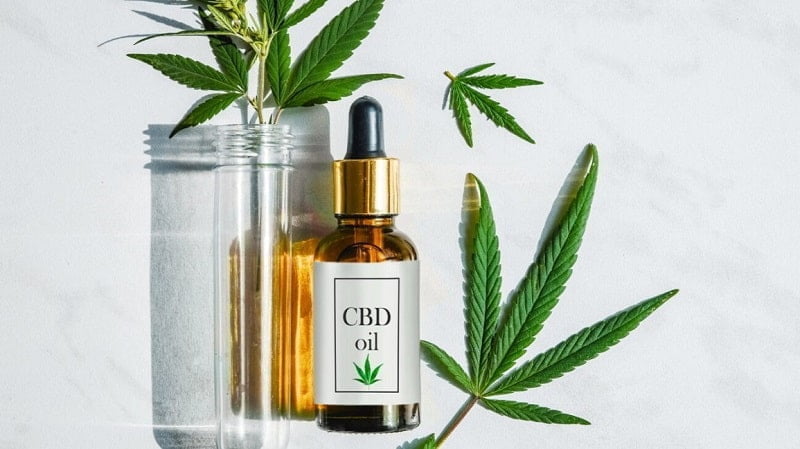
CBD oil, tinctures, capsules, gummies, and topicals differ in onset and duration. Oils and tinctures allow flexible, low-dose titration and are easier to hold under the tongue (sublingual). Gummies taste better but can add sugars and have slower onset. Topicals target localized discomfort but do not directly address systemic symptoms.
“Full-spectrum” CBD contains additional cannabinoids and terpenes, including trace THC, which may support the “entourage effect.” “Broad-spectrum” removes THC, while “isolate” is pure CBD. Select products with transparent COAs, batch numbers, and contamination screening for heavy metals, pesticides, and solvents. For glucose meters, lancets, and other essentials that support safe self-monitoring, see Diabetes Products to evaluate supply options that fit your routine.
Dosing, Timing, and Monitoring
There is no standardized dosing playbook for diabetes-related goals. Start low, go slow, and reassess every few days. Many people begin with a small sublingual dose in the evening, then titrate toward symptom relief while tracking glucose. Keep a daily log of dose, timing, meals, activity, and readings.
People often ask, does cbd help with diabetes. The most responsible answer is that benefits are plausible for pain, sleep, or anxiety, but glycemic effects remain uncertain. Align your goals (for example, fewer nighttime pain flares) with measurable outcomes (sleep duration, step count, or symptom scores). If your fasting or post-meal numbers shift meaningfully, pause and consult your clinician.
Research Gaps and Regulatory Landscape
Human trials on CBD in metabolic conditions remain small and varied in design. Some signal reductions in inflammatory markers; others show neutral glycemic effects. Larger, longer studies are needed to confirm durable outcomes on A1C, weight, and complications. Expect incremental progress rather than rapid consensus.
High-quality cbd oil research diabetes is still limited and inconclusive. Regulators continue to evaluate safety signals, labeling practices, and marketing claims. For an independent overview, the NCCIH overview of CBD summarizes current evidence and uncertainties. Do not discontinue prescribed therapy while experimenting. For benchmark standards in diabetes care, see the ADA Standards of Care for treatment principles and risk reduction.
Practical Scenarios and Checklists
If you have well-controlled type 2 diabetes on stable therapy, consider a small CBD trial for sleep or pain and monitor daily for two weeks. If you use insulin or sulfonylureas, add more frequent checks to watch for lows. People exploring cbd for type 2 diabetes should define success measures up front and reevaluate after a short, structured trial.
For neuropathic foot pain, consider a combined approach: topical CBD at night plus sleep hygiene, foot care, and gentle mobility work. For anxiety spikes that raise glucose, pair CBD with breathing drills or brief walks. Review overall therapy benefits that extend beyond glucose by reading Mounjaro Heart Benefits to understand how modern agents support cardiovascular risk reduction.
Comparisons and Where CBD Fits
CBD is not a replacement for metformin, GLP-1 receptor agonists, SGLT2 inhibitors, or insulin. Think of it as a possible adjunct for symptom relief when standard care is optimized. If you notice better sleep or less pain, that can indirectly support routines like exercise and meal planning. Always verify changes in your glucose data rather than relying on impressions.
If you are exploring dietary patterns, evaluate sustainability and safety. For structured reading beyond this topic, browse Diabetes Articles to build a broader management plan that includes nutrition, activity, and medication literacy.
Recap
CBD shows early promise for pain, sleep, and anxiety, with uncertain effects on glycemia. Safety depends heavily on product quality, dose, and interactions. Involve your clinician, monitor carefully, and avoid replacing proven therapies. An informed, data-driven trial is the safest way to explore this option.
Note: Keep all original packaging and lab reports. Bring them to appointments so pharmacists and clinicians can verify contents and check for interactions.
This content is for informational purposes only and is not a substitute for professional medical advice.


