
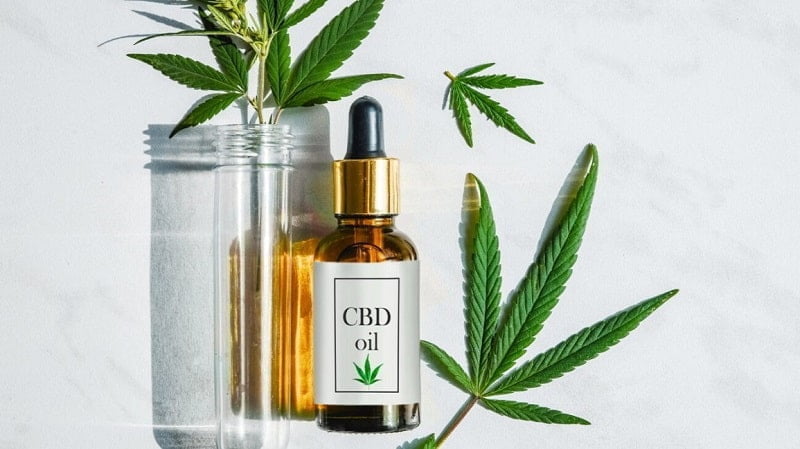
CBD oil and diabetes is an area of active interest, but CBD is not an approved treatment for diabetes or a proven way to lower A1C. Some adults consider cannabidiol for sleep, anxiety, or nerve discomfort, yet blood sugar effects remain uncertain. The safer approach is to treat CBD as a possible add-on for specific symptoms, not as a substitute for insulin, metformin, GLP-1 medicines, nutrition changes, or glucose monitoring.
Key Takeaways
- Evidence is limited: Human studies do not prove that CBD improves diabetes control.
- Blood sugar may vary: Monitor readings more closely when starting or changing CBD.
- Interactions matter: CBD can affect drug metabolism and may complicate medication safety.
- Product quality varies: Use products with independent lab testing and clear labels.
- Do not replace treatment: Keep prescribed diabetes care in place unless your clinician changes it.
What CBD Is and Why People With Diabetes Ask About It
CBD, or cannabidiol, is a non-intoxicating compound from the cannabis plant. It differs from delta-9-tetrahydrocannabinol, or THC, which can cause a high. CBD products include oils, capsules, gummies, beverages, and topical creams. Many nonprescription products are marketed for wellness, but marketing claims often run ahead of clinical evidence.
People managing diabetes usually ask about CBD for three reasons. They want to know whether it affects blood glucose, whether it can help neuropathy symptoms, and whether it is safe with diabetes medications. Those are separate questions. A product could feel helpful for sleep, yet still have no meaningful effect on glucose control.
Diabetes care depends on proven foundations: medication when prescribed, nutrition, activity, glucose checks, blood pressure control, cholesterol management, foot care, and follow-up visits. If you want broader condition resources, the Diabetes Articles collection offers related educational reading.
Why it matters: CBD decisions should fit your diabetes plan, not compete with it.
Does CBD Oil Affect Blood Sugar?
CBD may affect blood sugar indirectly, but current human evidence does not show a reliable glucose-lowering effect. Some laboratory and animal studies suggest that cannabinoids can influence inflammation, oxidative stress, and metabolic signaling. Those mechanisms are interesting, but they do not prove that CBD lowers fasting glucose, prevents complications, or reduces A1C in people.
Small human reports have produced mixed findings. Some show neutral effects. Others raise questions about changes in appetite, weight, insulin sensitivity, or inflammatory markers. These studies often differ in dose, product type, duration, diabetes type, and background medications. That makes it difficult to apply results to everyday care.
For practical purposes, the key question is not only whether CBD can lower glucose. It is whether your readings change after you start it. If you use a glucose meter or continuous glucose monitor, compare patterns before and after CBD. Look at fasting readings, post-meal readings, overnight trends, and symptoms of low blood sugar.
People often ask whether CBD oil can spike blood sugar. Pure CBD oil does not contain carbohydrate in the way a sweetened gummy or drink might. However, some edible products contain sugar, syrups, or calories that can raise glucose. Read the Nutrition Facts panel and serving size, especially with gummies, chocolates, drinks, or flavored products.
If you track continuous glucose monitor data, time in range can help summarize patterns over several days. This calculator can estimate the share of readings within a target range, but it does not replace clinical interpretation.
CGM Time-in-Range Summary
Summarise CGM percentages across very low, low, in-range, high, and very high glucose bands.
These calculations are for education only and do not replace clinical advice, diagnosis, or treatment. Always confirm medical decisions with a qualified healthcare professional.
Is CBD Safe for People With Diabetes?
CBD is not automatically unsafe for every adult with diabetes, but it requires caution. Safety depends on your medications, liver health, kidney function, pregnancy status, alcohol use, product quality, and risk of hypoglycemia (low blood sugar). Adults who use insulin or sulfonylureas should be especially careful because unexpected appetite changes, sedation, or routine changes can make lows harder to notice.
Common CBD side effects include sleepiness, fatigue, diarrhea, dry mouth, nausea, and appetite changes. Some people also report dizziness or changes in alertness. These effects matter in diabetes because missed meals, reduced intake, or impaired awareness can complicate glucose management.
Higher CBD exposures have been linked with liver enzyme changes in some contexts. This does not mean every CBD product harms the liver. It does mean people with liver disease, heavy alcohol use, or medications that affect the liver should ask a clinician before using CBD. A pharmacist can also review whether CBD could alter exposure to other drugs.
Who Should Be More Cautious
CBD may be a poor fit, or may need closer medical review, for people with certain risk factors. These include pregnancy, breastfeeding, significant liver disease, a history of severe medication reactions, frequent hypoglycemia, or use of medicines with narrow safety margins. People taking anticoagulants, anti-seizure medicines, sedatives, transplant medicines, or multiple chronic medications should not treat CBD as a harmless supplement.
For adults comparing supplements used alongside diabetes care, related discussions on Magnesium and Diabetes, Turmeric and Diabetes, and Melatonin and Diabetes may help frame similar safety questions.
Interactions With Diabetes Medications and Other Drugs
CBD can interact with medicines because it may affect cytochrome P450 enzymes, a liver enzyme system involved in drug metabolism. This does not guarantee a problem, but it can change how some medicines are processed. Interaction risk increases when doses are higher, CBD is used daily, or several medications share the same metabolic pathway.
CBD oil and metformin is a common concern. Metformin is not mainly cleared through the same liver enzyme pathways as many other drugs, but that does not make the combination automatically risk-free. Gastrointestinal effects can overlap. Appetite changes, diarrhea, nausea, and changes in food intake can also affect glucose patterns.
CBD and insulin raise a different issue. CBD does not replace insulin, and it should not be used to adjust insulin needs without medical guidance. If CBD changes sleep, appetite, activity, or meal timing, insulin users may see different glucose patterns. People using insulin should have a plan for recognizing and treating low blood sugar.
CBD oil interactions with diabetes medications may also involve sulfonylureas, GLP-1 receptor agonists, SGLT2 inhibitors, blood pressure drugs, cholesterol medicines, antidepressants, and blood thinners. The concern is not limited to glucose medicines. Bring the product label, cannabinoid content, and certificate of analysis to a pharmacist or prescriber review.
Quick tip: Keep one medication and supplement list that includes CBD brand, strength, and timing.
Neuropathy, Sleep, Anxiety, and Where CBD May Fit
CBD is more commonly considered for symptoms around diabetes than for diabetes itself. These symptoms may include sleep disruption, stress, anxiety, and neuropathic pain. Diabetic neuropathy can cause burning, tingling, numbness, shooting pain, or nighttime foot discomfort. These symptoms deserve medical review, especially if they are new, worsening, or one-sided.
Some adults report that CBD helps them relax or sleep. Better sleep may support consistent meals, activity, and self-care. Still, that is an indirect effect. It does not mean CBD treats the underlying metabolic condition or prevents diabetes complications.
Topical CBD products may be used for localized discomfort, but they differ from oral CBD. A topical cream is less likely to affect the whole body than an oral oil, though absorption can vary. Oral products may have broader effects, including sedation or digestive symptoms. Gummies and drinks also deserve extra label review because added sugar can matter for glucose management.
If you are exploring food and supplement habits, plant-based options such as tea or ginger are separate topics with different evidence and risks. For related reading, see Diabetes and Green Tea or Ginger and Diabetes.
How to Compare CBD Products Without Relying on Hype
No CBD type is proven to be best for diabetes. Product choice should focus on safety, label clarity, and avoiding ingredients that conflict with your glucose goals. Oils and tinctures allow smaller serving adjustments than many gummies. Capsules are convenient but less flexible. Topicals may suit localized discomfort, but they are not designed for glucose control.
Full-spectrum CBD contains CBD plus other cannabinoids and terpenes, including trace THC. Broad-spectrum products aim to remove THC while retaining some other compounds. CBD isolate contains cannabidiol without other cannabinoids. Each type has trade-offs. Full-spectrum products may increase THC exposure, which can affect alertness and may matter for work, driving, or drug testing.
Before trying any product, review these practical checks:
- Certificate of analysis: Look for recent third-party lab results.
- CBD amount: Confirm milligrams per serving and per container.
- THC content: Check whether THC is present and how much.
- Contaminant testing: Look for pesticides, solvents, microbes, and heavy metals.
- Added ingredients: Review sugar, alcohol, allergens, and sedating herbs.
- Batch matching: Make sure the lab report matches the product lot.
People who need glucose meters, lancets, or related supplies can browse the Diabetes Products category for navigation. This is separate from judging whether CBD is appropriate.
Practical Monitoring Before and After Starting CBD
A structured trial is safer than casual, untracked use. Start by defining the symptom you hope to improve, such as sleep quality or nighttime foot discomfort. Then decide what data you will watch. Useful measures may include fasting glucose, post-meal readings, time in range, low-glucose episodes, sleep duration, pain scores, appetite, and side effects.
Do not start several new products at once. If you add CBD, a new supplement, and a major diet change together, you will not know what caused any change. This is especially important if you take medicines that can cause hypoglycemia.
Consider discussing CBD first if you have repeated lows, kidney disease, liver disease, gastroparesis, pregnancy, breastfeeding, an eating disorder history, or recent medication changes. These situations can change the safety picture. A clinician or registered dietitian can also help interpret glucose patterns when food intake or carbohydrate targets are changing.
CanadianInsulin.com is a prescription referral platform, and where required, prescription details may be confirmed with the prescriber; dispensing and fulfillment are handled by licensed third-party pharmacies where permitted. For general navigation by condition, the Diabetes medical-condition page lists relevant product categories and options.
When to Pause CBD and Seek Medical Advice
Stop and seek medical advice if you develop severe sleepiness, confusion, fainting, persistent vomiting, yellowing of the skin or eyes, severe abdominal pain, chest pain, or repeated low blood sugar. Urgent symptoms should be treated as urgent, whether or not CBD seems related.
Also contact a clinician if your glucose readings change meaningfully after starting CBD. This includes repeated highs, unexpected lows, or a clear shift in overnight trends. Do not change prescribed diabetes medication doses on your own because of CBD use.
If you have numbness, sores, color changes, swelling, or worsening pain in your feet, arrange prompt evaluation. Neuropathy symptoms can overlap with circulation problems, injury, infection, or other nerve conditions. CBD should not delay foot care.
Authoritative Sources
The FDA consumer update on CBD explains regulatory concerns, safety questions, and product-quality issues for cannabis-derived products.
The ADA Standards of Care summarize evidence-based diabetes management principles, including risk reduction and medication safety.
A published case report on CBD use in type 2 diabetes illustrates why current evidence is still limited and not enough to guide routine treatment decisions.
Bottom Line
CBD oil and diabetes requires a cautious, evidence-aware approach. CBD may interest adults seeking help with sleep, stress, or discomfort, but it is not proven to lower blood sugar or replace diabetes treatment. The main safety issues are medication interactions, side effects, product quality, added sugars in edibles, and changes in glucose patterns.
If you try CBD, keep the goal specific and track results. Bring the product label and lab report to your pharmacist or clinician. Your glucose data, medication list, and overall health history matter more than marketing claims.
This content is for informational purposes only and is not a substitute for professional medical advice.


