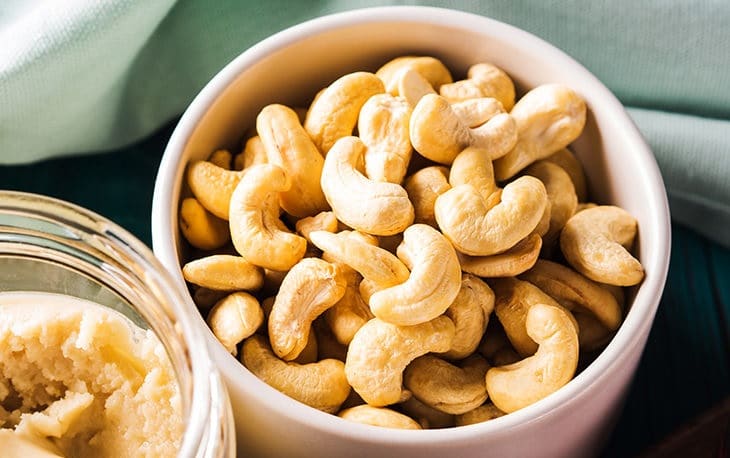
Understanding cashews and diabetes helps you make steadier food choices. Cashews provide healthy fats, fiber, and minerals, but portions still matter for glucose control.
Key Takeaways
- Low glycemic load, but portions count for carb control.
- Choose unsalted, dry-roasted or raw to limit sodium and oils.
- Pair with protein or produce to steady post-meal glucose.
- Adjust portions to goals for weight, lipids, and blood pressure.
Cashews and Diabetes: What the Science Says
Cashews offer unsaturated fats, modest protein, and some fiber. These nutrients can slow gastric emptying and blunt postprandial (after-meal) glucose rise. In diabetes nutrition, foods that deliver fats and fiber with limited sugars often help stabilize glucose swings. Still, energy density is high, so serving size remains the lever that protects both weight and glycemia.
Larger cohort reviews link regular nut intake with better cardiometabolic outcomes. In neutral terms, this pattern suggests nuts can support heart health and glucose management when used in place of refined snacks. For a plain-language overview of nuts and metabolic risk, see the Harvard T.H. Chan School public health summary on nuts (nuts and cardiometabolic health). If you want a broader dietary framing, our Diabetes Diet guide explains macronutrient balance and meal structure.
Glycemic Index, Load, and Portion Size
The glycemic index (GI) of cashews is low, and their glycemic load per typical serving is also low. Most of the calories come from monounsaturated and polyunsaturated fats, with moderate protein and limited digestible carbohydrates. That composition helps reduce rapid glucose spikes compared with high-starch snacks. Energy density, however, means that overserving can still contribute to higher daily carbohydrate totals and weight gain over time.
People often ask, do cashews raise blood sugar? A standard 1-ounce (28-gram) handful contains roughly 9 grams of total carbs and a few grams of fiber, so the net effect is typically modest when eaten with other foods. Pairing cashews with protein, vegetables, or lower-GI fruit further softens the glucose impact. For additional context on pattern-based eating, see our overview of the Mediterranean Diet And Diabetes, which emphasizes nuts alongside fiber-rich foods.
Portions and Frequency
Practical intake matters day to day. A common serving is 1 ounce (about 18 cashews), which fits many meal plans as a snack or as part of a mixed plate. This amount supplies healthy fats without exhausting a typical carb budget. People tracking calories may scale to half a serving for frequent snacking, or keep the full serving when replacing refined chips or sweets.
Many wonder how many cashews can a diabetic eat. Most adults do well keeping to 1 ounce per snack, one to three times weekly, adjusted for goals and total calories. Balance your week by rotating different nuts, seeds, and legumes. If blood pressure is a concern, work in more unsalted options and read labels carefully. For cardiovascular context when sodium is high elsewhere, see Hypertension and Diabetes for risk considerations.
Choosing and Preparing Nuts
Preparation drives health impact. Raw or dry-roasted cashews help you avoid excess oils from deep-frying. Unsalted varieties reduce sodium load, which supports blood pressure control. Flavored products often add sugars or starches; checking ingredients helps keep hidden carbs from creeping into your totals. Lightly toasting nuts at home can improve texture without added oils.
If you are curating a mixed-nut rotation, you might ask what nuts are good for diabetics. Look for options that combine healthy fats, fiber, and minimal added sodium or sugars. Almonds, pistachios, walnuts, and peanuts can all fit, selected for taste, texture, and nutrient balance. For a broader nut-by-nut comparison, see What Are The Best Nuts For Diabetics for nutrient profiles and usage tips.
Tip: When shopping, compare sodium per 28 grams and avoid sugary glazes. Small label differences can double your sodium or carbohydrate intake.
Compare Cashews With Other Nuts and Nut Products
Each nut offers a different nutrient signature. Walnuts supply alpha-linolenic acid (ALA), a plant omega-3 that supports heart health. People often ask, are walnuts good for diabetics. Used in sensible portions, walnuts can complement cashews by adding omega-3s and additional polyphenols. Pistachios offer fiber and potassium, while almonds bring vitamin E and a firm crunch for slow snacking.
Peanuts and peanut butter are convenient, but ingredient quality varies. Choose varieties with peanuts and salt only, avoiding added sugars and hydrogenated oils. If you use nut butters as spreads, measure teaspoons rather than free-pouring, since energy density is high. For more context on cardiometabolic overlap, see Diabetes Heart Connection for why heart health and glucose management align in daily choices.
Meal Planning and Snack Ideas
Cashews work best inside a balanced plate. Build snacks around fiber and protein: mix a half serving of cashews with sliced cucumber and cottage cheese, or toss a few into a vegetable stir-fry. For a higher-protein pairing, learn about dairy choices in What Is The Best Yogurt For Diabetics, which reviews lower-sugar options. When assembling an afternoon snack, weigh your portion once to calibrate your eye for future days.
People often search for the best nuts for diabetics to eat. The best choice is the one that fits your glucose targets, taste preferences, and sodium plan. Rotate cashews with almonds, pistachios, and walnuts across the week to diversify nutrients. For more diet planning across conditions and therapies, browse our Diabetes Articles to connect food choices with your overall care plan.
Safety, Sodium, and Special Situations
Sodium can escalate quickly with flavored or salted nuts. Elevated sodium intake may worsen hypertension (high blood pressure), which often coexists with type 2 diabetes. For plain guidance on sodium and cardiovascular risk, review the CDC’s summary on sodium reduction (reduce sodium intake) and apply it when comparing nut labels. If you use cashews to replace salty chips, you may still need unsalted versions to net a lower daily sodium load.
Allergies and individual conditions matter. Nut allergies require complete avoidance and emergency planning. People with advanced kidney disease may need to monitor potassium and phosphorus, which can be present in nuts; coordinate with a clinician or dietitian. Because cashews are calorie-dense, they may hinder weight goals if portions creep upward. When you need a structured framework to balance nutrients and hunger, revisit our Diabetes Diet guide for macronutrient planning basics and snack swaps.
Putting It All Together
Cashews can support steady glucose when used intentionally. Keep portions to about 1 ounce, prefer unsalted and dry-roasted or raw, and pair with fiber-rich foods. Rotate with other nuts to diversify nutrients and textures while limiting sodium. For a diet pattern that naturally integrates nuts and produce, see Mediterranean Diet And Diabetes for meal-building examples and heart-focused tips.
Note: If you’re adjusting diet alongside new medications or weight-loss therapies, align snacks with your care team’s guidance. Our editorial library at Diabetes Articles offers context you can review before appointments.
This content is for informational purposes only and is not a substitute for professional medical advice.