
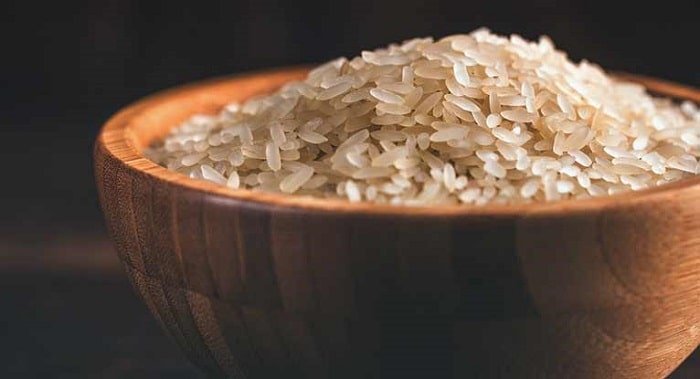
Many people balance rice and diabetes by focusing on portion size, variety, and preparation. Rice can fit into a balanced eating plan, but its starch profile matters. Understanding glycemic index (GI), fiber, and cooking methods helps you lower post-meal glucose rises. This guide blends clinical concepts with plain-language steps you can use today.
Key Takeaways
- Know the GI: rice type, fiber, and cooking change glucose impact.
- Portion first: measure cooked servings and pair with protein and fiber.
- Cook smart: al dente, cool–reheat, and parboiled methods can blunt spikes.
- Test your response: use a meter or CGM and adjust your plate.
- Consider context: medications, activity, and kidney health influence targets.
Rice and Diabetes: What Glycemic Index Means
Glycemic index ranks carbohydrate foods by how quickly they raise blood glucose. Glycemic load (GL) adds portion size to the equation, offering a more realistic view of meal impact. Lower GI and GL choices generally produce smaller post-meal rises. Rice varies widely, from higher-GI short-grain white to lower-GI parboiled or certain basmati varieties.
Dietary fiber, amylose-to-amylopectin ratio, and processing change starch digestibility. Whole grains keep the bran and germ, adding fiber and minerals that slow absorption. For context on population risk with refined grains, Harvard’s Nutrition Source summarizes research linking frequent white rice intake with a higher type 2 diabetes risk Harvard Nutrition Source. For numeric GI values across rice types, consult the University of Sydney’s authoritative GI database.
Glycemic Index and Load: Comparing Rice Types
Not all rice behaves the same after you eat it. Higher-amylose grains (many basmati and long-grain varieties) digest more slowly than sticky, short-grain types. Parboiled rice generally tests lower on GI than standard white because steaming drives nutrients into the endosperm and alters starch structure. Whole-grain options add viscous fiber, which slows gastric emptying and carbohydrate absorption.
When reviewing the brown rice glycemic index, consider cooking time and texture. Firmer, al dente preparation tends to yield lower GI than very soft cooking. GL still matters; even lower-GI rice can raise glucose if portions are large. Building meals with vegetables, legumes, and lean protein further dampens glucose excursions.
For broader nutrition coverage as you compare staples, see our curated Diabetes Articles for context and practical framing.
Portion Sizes and Meal Planning
Portions drive outcomes more than any single trick. A common starting point is one level half-cup of cooked rice, then test and adjust. Use the diabetes plate method to balance the rest: non-starchy vegetables for half the plate, a palm-sized lean protein, and healthy fats. Pairing rice with beans or lentils adds fiber and slows digestion.
If you wonder how much rice can a diabetic eat per day, there is no single answer. Check your pre-meal and 1–2 hour post-meal readings to personalize. The American Diabetes Association outlines a simple plate model you can adapt at home; see the ADA plate method for portion guidance. For accurate home tracking with fewer fingersticks, our overview of the OneTouch Verio Flex Meter explains practical features for trend checks.
Cooking Methods That Lower Impact
How you prepare rice changes its metabolic effect. Cooking to a firmer texture generally reduces enzyme access and slows digestion. Cooling cooked rice and reheating later can increase resistant starch, which acts like fiber and may blunt glucose rise. Combining rice with oil or protein can also reduce the immediate glycemic response of the meal.
Evidence on cooling and resistant starch is evolving, but food science sources discuss meaningful changes after chill–reheat cycles; see the University of Sydney’s GI database for methodological context. If you are exploring how to cook rice to reduce glycemic index, consider these steps: rinse, use a 1:1.5 water ratio for firmer grains, cook until just tender, then cool in the refrigerator for 12–24 hours before reheating. Devices that drain cooking water may remove some surface starch, though overall carbohydrate remains.
Tip: Batch-cook rice, cool it fully, then portion and reheat alongside vegetables and lean protein for steadier results.
Choosing Better Varieties
Selecting the right grain can help. Parboiled long-grain, many basmati strains, and wild rice blends often test lower on GI than sticky or short-grain white. Wholegrain basmati or red rice adds minerals and fiber, supporting heart and gut health. In contrast, highly polished short-grain white tends to digest quickly and can spike glucose more.
Among options, parboiled rice for diabetics is a practical choice when you prefer a neutral flavor but want gentler post-meal curves. Some people ask about jasmine; fragrant jasmine types are often higher GI, though texture and cooking method matter. The GI of white basmati rice sits lower than many standard white rices, but test your response. Wholegrain basmati rice usually lands lower still due to intact bran.
For medication context as you fine-tune diet, review our Diabetes Medications category for mechanism summaries and therapy classes in plain language.
Brown and Basmati: Benefits and Trade-Offs
Whole-grain options deliver more than just lower GI. Benefits of brown rice include fiber, magnesium, and phytonutrients that support cardiometabolic health. Basmati varieties, especially long-grain, typically feature higher amylose content, yielding slower digestion than many other white rices. Taste and texture vary, so choose a style you can maintain consistently.
If you compare basmati styles, the glycemic index of basmati brown rice is generally lower than its white counterpart. That said, portion discipline still rules outcomes. Consider wholegrain basmati rice for weeknight meals, and use legumes, nuts, or seeds to add protein and fat. People often ask about daily brown rice intake; rotating grains (quinoa, barley, or wild rice blends) can diversify nutrients and prevent menu fatigue.
Monitoring Glucose Response and Medication Context
Your meter or CGM is the final judge. Some individuals see modest rises with whole grains, while others spike higher even with small amounts. If you test and notice patterns, adjust servings or swap in lower-GI grains. When you wonder, does brown rice increase blood sugar, the answer depends on your portion, meal composition, and personal physiology.
Medications can shape meal flexibility. Metformin may help reduce hepatic glucose production; see Glumetza for an extended-release option overview. SGLT2 inhibitors increase urinary glucose excretion; for class background, review Dapagliflozin. Combination therapy can simplify routines; see Janumet XR for a metformin plus DPP-4 discussion. For basal insulin background, the Toujeo Insulin Guide explains steady-state principles you can apply to meal planning.
Kidney and heart status matter when choosing therapies; for a cardio-renal overview, see Kerendia Heart and Kidney Health to understand risk-reduction goals. Weight management can also lower post-meal spikes and improve insulin sensitivity; our explainer on GLP-1 Weight-Loss Medications describes appetite effects and nutritional integration.
Practical Servings and Sample Meals
Start with a small base of cooked rice and build the plate around non-starchy vegetables and protein. Consider grain bowls with grilled fish, cabbage slaw, avocado, and a half-cup of wholegrain basmati. For soups, add a few tablespoons of cooled, reheated rice near the end to keep texture firmer. These steps can smooth the glucose curve without losing familiar flavors.
People often ask, is jasmine rice good for diabetics. Many jasmine varieties run higher on GI, so treat them as occasional options or keep portions very small and pair with protein and fiber. When evaluating alternatives, red rice offers a nuttier taste with more fiber and minerals. Wild rice blends, though botanically different, can substitute well in salads or pilafs.
Recap
Rice can fit into a diabetes-friendly eating pattern when you control the variables that matter most. Choose lower-GI varieties, cook to a firmer texture, cool and reheat when convenient, and keep portions modest. Pair rice with vegetables, protein, and healthy fats to slow digestion and temper post-meal rises. Then use your meter or CGM to verify what works for your body.
Medical organizations provide helpful frameworks for decision-making. The ADA plate method offers a simple visual starting point, while the GI database shows how cooking and grain type affect results. Bring your logged readings and typical meals to your next appointment. Together, you can adjust servings, timing, and medications to meet targets safely.
Note: Be consistent with measuring tools. Switching cups, scoops, or serving spoons can double portions without noticing.
This content is for informational purposes only and is not a substitute for professional medical advice.


