
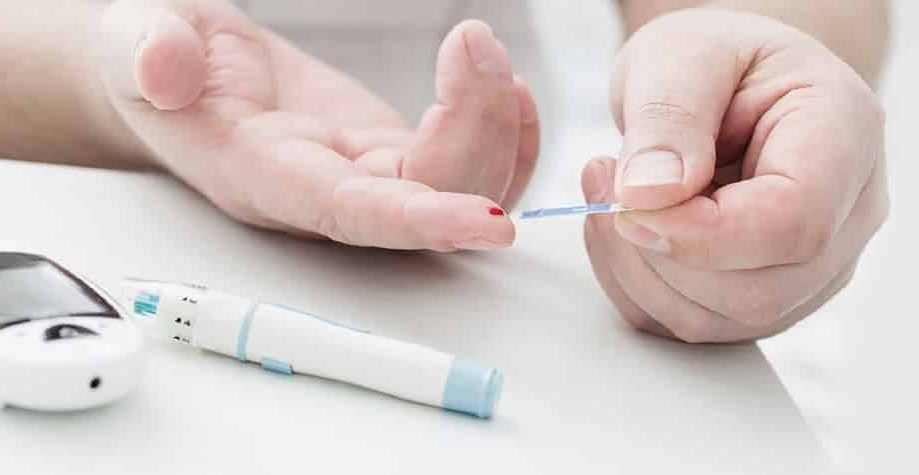
In urgent spikes, knowing how to lower blood sugar quickly can reduce risks. Use calm, deliberate steps. Focus on fluids, monitoring, and safety checks. Then follow a simple decision path for next actions.
Key Takeaways
- Immediate checks: confirm meter reading, assess symptoms, and look for ketone risk.
- Hydration first: sip water or electrolyte fluids, unless your clinician advises limits.
- Smart actions: avoid strenuous exercise if ketones or illness are suspected.
- Know thresholds: how to reduce blood sugar level immediately often requires staged steps.
When High Blood Sugar Becomes an Emergency
Acute hyperglycemia (high blood glucose) can progress to diabetic ketoacidosis (DKA) or hyperosmolar hyperglycemic state (HHS). Warning signs include nausea, vomiting, abdominal pain, rapid breathing, confusion, or severe fatigue. Urgent care is needed if these occur, especially with very high readings or positive ketones. People using SGLT2 inhibitors may have ketones even with only moderate glucose elevations.
For a structured overview of red flags and immediate triage, see Recognizing Acute Hyperglycemia for context on symptoms and action steps. Authoritative clinical guidance on sick-day and emergency signs is available from the ADA guidance on hyperglycemia, which outlines common causes and safety practices.
How to Lower Blood Sugar Quickly: Immediate Non-Insulin Actions
Start with confirmation. Wash hands and recheck with a fresh strip. If available, compare with a different meter to rule out a faulty reading. Next, hydrate. Small, frequent sips of water can help reduce dehydration and lower concentration of glucose in blood. If illness or dehydration is present, consider an oral rehydration solution without added sugars.
Avoid strenuous exercise if you suspect ketones or feel unwell. Intense activity can increase counter-regulatory hormones and worsen hyperglycemia. If you use a continuous glucose monitor, verify a rapid rise with a fingerstick before acting. For stepwise illness care and home planning, review Sick-Day Tips for practical routines during infections.
Check Ketones Before Activity or Corrective Steps
When glucose is very high or you feel unwell, check blood or urine ketones if you can. Positive ketones signal a higher-risk state. In that case, rest, hydrate, and contact a clinician or urgent care. Do not undertake vigorous exercise until ketones clear and symptoms improve. People on SGLT2 agents may form ketones at lower glucose levels, so have a low threshold to test. If you cannot test but feel nauseated or short of breath, treat this as urgent and seek medical advice promptly.
What Is a Dangerous Level?
Clinicians look at both numbers and symptoms. Severe hyperglycemia can impair hydration and thinking, and it raises the risk of DKA or HHS. As a practical marker, many care teams consider persistent readings above 300 mg/dL concerning, especially with illness or ketones. Ask your clinician for personal thresholds based on your therapy, comorbidities, and prior history.
Patients often ask, is blood sugar level of 400 dangerous. Readings in that range, especially with vomiting, heavy breathing, or confusion, warrant urgent evaluation. For background on the complications of DKA and HHS, see this concise overview from the NIDDK on DKA and HHS. For escalation guidance tied to insulin use, see What Blood Sugar Level Requires Insulin for thresholds and clinical context.
Hydration and Drinks That May Help
Fluids are foundational for comfort and safety. Choose water first, then consider an unsweetened electrolyte drink if you are dehydrated, have been vomiting, or sweating. If you have heart or kidney disease, confirm appropriate fluid limits with your clinician. In urgent situations, what to drink to lower blood sugar immediately often means simple water, taken steadily over one to two hours.
Unsweetened tea, sparkling water, or a small amount of broth can help with intake variety. Avoid fruit juices and regular sodas, which raise glucose. If you are on an SGLT2 inhibitor such as dapagliflozin, monitor volume status closely. For medication-specific dehydration risks and precautions, review Jardiance Side Effects to understand diuresis and sick-day considerations. For low-sugar beverage ideas, see Healthy Snacking for practical options that pair well with hydration.
Foods and Timing Considerations
Meals rarely correct an acute spike. Instead, think about preventing further rises while you rehydrate and monitor. Emphasize low-glycemic foods if you need to eat, like lean protein with non-starchy vegetables. Small portions help avoid further glucose elevation. If you feel nauseated, try bland protein or broth until you stabilize.
Many ask what foods lower blood sugar immediately. No food reverses a high instantly, but fiber-rich options and protein can blunt further increases. Avoid refined carbohydrates and sweetened beverages until numbers fall. For day-to-day planning of meals and snacks that support steady control, see Managing Type 2 Diabetes for practical, sustainable routines.
Monitoring, Correction, and When to Seek Care
Recheck glucose every 1–2 hours during a spike, and track symptoms. If available, test ketones, especially when you feel ill or dehydrated. People using insulin should follow their clinician’s written plan. If you manage diabetes without insulin, avoid vigorous activity until readings and symptoms improve. For device accuracy and technique tips, see OneTouch Verio Flex for meter use and data review pointers.
It’s common to wonder, my blood sugar is over 300 what should i do. Hydrate, check ketones, and seek urgent advice if you have vomiting, abdominal pain, or breathing changes. If you experience persistent highs with illness or cannot keep fluids down, go to urgent care or the emergency department. For broader escalation rules and decision points, read Recognizing Acute Hyperglycemia to match symptoms with next steps.
Prevention and Long-Term Strategies
Prevention lowers risk of severe spikes. Build consistent habits around meals, movement, sleep, and medication adherence. A practical approach to how to lower blood sugar naturally includes fiber-forward meals, daily walking, and stress reduction. Review your sick-day plan before cold and flu season. Keep test strips, ketone checks, and hydration options on hand.
Medication regimens vary by person. Review therapies with your clinician if highs persist. For therapy overviews, see Common Diabetes Medications to understand classes and mechanisms. For weight-inclusive strategies that may improve glycemic control, explore GLP-1 and Weight Management for balanced nutrition insights. You can also browse broader topics in Type 2 Diabetes to strengthen daily routines and monitoring.
Note: Some SGLT2 agents (for example, Dapagliflozin) increase urination; prioritize hydration and sick-day precautions during illness.
Recap
During a sudden spike, confirm the reading, hydrate, and check for ketones when possible. Avoid strenuous exercise if you feel ill. Use structured steps, then escalate to urgent care for concerning symptoms. These basics help you manage the moment and prevent complications.
This guide summarizes how to lower blood sugar quickly without insulin using safe, practical measures. Pair these immediate actions with prevention strategies, routine follow-up, and a clear sick-day plan. For everyday food and routine ideas that support stability, see Healthy Snacking and Living With Diabetes for steady, sustainable habits.
This content is for informational purposes only and is not a substitute for professional medical advice.


