
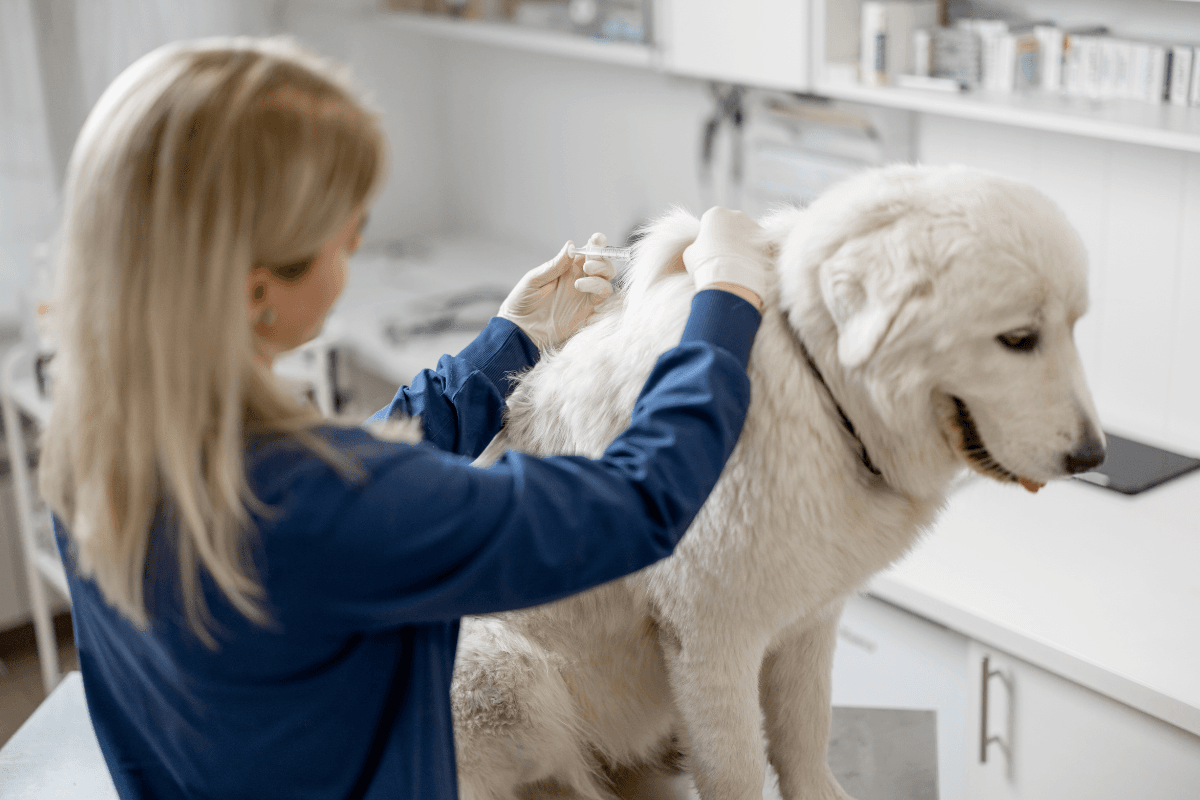
Managing pet diabetes can feel overwhelming at first. Clear steps, consistent routines, and reliable resources reduce risk and stress. This guide explains clinical signs, diagnosis, essential treatments, diet planning, and safe home monitoring. It also shows how to coordinate with veterinary teams and trusted pharmacy partners.
Key Takeaways
- Structured care plan helps: diagnosis, insulin, diet, and monitoring.
- Stable routines reduce glucose swings and complication risks.
- Dietary fiber and portion control support steadier blood sugar.
- Home tracking complements, not replaces, veterinary follow-up.
Managing Pet Diabetes: Essentials for Owners
Diabetes mellitus in dogs and cats involves chronic hyperglycemia and ongoing metabolic stress. Early stabilization focuses on veterinary diagnosis, insulin selection, feeding schedule, and monitoring targets. Owners can support success by standardizing activity, meals, and injection times. Small adjustments, documented carefully, help clinicians tailor therapy while minimizing variability.
Insulin remains the foundation of clinical control for most pets. Your veterinarian will recommend a formulation, dosing device, and timing. For an overview of insulin’s role across species, see Managing Pet Diabetes for an overview of insulin’s role. Routines work best when owners use the same syringes, measure food precisely, and keep a log of readings, appetite, and behavior.
Clinical Signs and Diagnosis
Owners often first notice increased thirst, frequent urination, weight loss, or appetite changes. Neurologic or vision issues may appear later. Discuss any rapid changes with your veterinarian. To compare common signs in both species, see Identify Feline and Canine Diabetes for a symptom checklist. Authoritative veterinary organizations summarize typical presentations and risks; the AVMA diabetes resource offers accessible guidance for owners.
Clinicians confirm disease using fasting blood glucose, persistent glucosuria, and context from history and examination. Fructosamine may help assess average glucose over weeks. When evaluating diabetes in dogs: symptoms, consider concurrent illnesses and medications that can raise glucose. Your veterinarian may also screen for pancreatitis, Cushing’s disease, or urinary infections that can worsen control.
Treatment Basics and Monitoring
Most pets require insulin therapy to maintain acceptable glucose ranges. Your clinician will help select an appropriate product and device. For canine-specific considerations and formulations, see Insulin for Dogs for formulations and handling. Label details and handling instructions are critical; the U.S. regulator maintains guidance on veterinary insulin—review the FDA veterinary insulin information for safety tips.
Owners are often shown how to draw up doses, inject subcutaneously, and store vials properly. To review device and label specifics, see Caninsulin Vial to review label details, and ProZinc Vial for use in cats and some dogs. A consistent log of appetite, water intake, urination, activity, and glucose readings supports adjustments over time. Veterinary teams may suggest curves, spot checks, or continuous glucose monitoring when appropriate. Owners should recognize hypoglycemia signs and keep a plan for rapid response.
Clinicians individualize targets for age, species, and comorbidities. Maintaining a steady routine often matters as much as numeric goals early on. If readings vary widely, verify technique, diet timing, and dose measurement before changing therapy.
Many owners ask about dog insulin options and device differences. Your care team will explain onset, peak, and duration. They can also help align insulin action with meal timing and activity levels to reduce variability.
Nutrition and Feeding Strategies
Diet stabilizes energy delivery and supports weight goals. Consistent portions at regular times help match insulin action. Veterinary guidance on macronutrients varies by species and comorbidities. For background on dietary roles in canine and feline diabetes, the Merck Veterinary Manual summarizes current clinical considerations.
Owners commonly ask about diabetic dog food and whether fiber helps. Many veterinary diets use moderate carbohydrates and higher fiber to slow glucose absorption. Homemade options require careful formulation to ensure complete, balanced nutrition; consult your veterinarian or a board-certified nutritionist. Weigh food with a scale, avoid frequent treats, and keep a diet log when making changes.
Tip: Introduce any diet change gradually over several days. Track appetite, stools, and energy to catch intolerance early.
At-Home Care and Safety
Home monitoring complements clinic visits and helps detect trends between rechecks. Keep a written plan from your veterinarian covering testing times, thresholds for concern, and contact steps. Owners should review dosing technique periodically to prevent measurement drift or device errors. To avoid dosing mistakes and mishaps, see Pet Insulin Dosage to avoid dosing mistakes.
Recognize hypoglycemia signs such as lethargy, weakness, disorientation, or seizures. Ensure a source of fast-acting carbohydrates is available if directed by your veterinarian. For urgent warning signs and response guidance, consult Insulin Overdose for urgent signs and steps. Owners exploring diabetes in dogs treatment at home should still maintain scheduled veterinary follow-ups to keep care coordinated and safe.
When the Disease Progresses
Despite good care, some pets develop complications or concurrent diseases. Worsening cataracts, recurrent infections, chronic weight loss, or repeated hypoglycemia episodes may signal the need for reassessment. Discuss quality-of-life indicators with your clinician early, and revisit them during each recheck. This helps align daily management with your pet’s comfort and family goals.
End-of-life topics are difficult. Recognizing signs your dog with diabetes is dying can help families prepare and reduce suffering. Focus on pain relief, hydration support, and calm routines, guided by your veterinarian. Document appetite, activity, interactions, and comfort daily to inform decisions with compassion and clinical context.
Conditions That Mimic Diabetes
Several disorders can raise thirst and urination or alter weight. Cushing’s disease (hyperadrenocorticism), kidney disease, hyperthyroidism in cats, pancreatitis, and reproductive status can change glucose dynamics. Certain drugs, including steroids, may also elevate blood sugar. Careful examination, lab testing, and imaging help distinguish primary diabetes from look-alike patterns.
Ask your clinician what can be mistaken for diabetes in dogs and how they will rule out alternatives. When diagnostic uncertainty persists, a short re-evaluation interval with repeat testing may clarify trends. Comprehensive history—diet, medications, estrus status, stressors—greatly improves diagnostic confidence and treatment planning.
Care Planning and Costs
Budgeting for long-term care supports consistent access to supplies and rechecks. Families should plan for insulin, syringes or pens, glucose testing materials, periodic labs, and exam fees. Discuss which diagnostics are essential now versus later. Owners often ask about diabetes in dogs treatment cost. Your veterinarian can outline typical ranges in your region and suggest cost-saving strategies without compromising safety.
To see related supplies in one place, browse the Diabetes Supplies for related supplies overview. For broader wellness planning, explore Pet Health Articles for broader lifestyle topics, and review Diabetes Articles for condition-specific education. When comparing options, prioritize product integrity, proper storage, and reliable verification.
Working With a Pharmacy Partner
Coordinated care across clinic, pharmacy, and home reduces errors and delays. Share your pet’s current weight, diet, injection schedule, and glucose logs with each partner. Keep product names and strengths consistent unless your veterinarian advises a change. If a switch is required, reconfirm dosing devices and measurement units before use.
CanadianInsulin.com is a prescription referral platform. We verify prescriptions with your prescriber when required, and licensed Canadian pharmacies dispense your order. Product pages provide label details and handling notes; for example, see Caninsulin Vial to review label details and ProZinc Vial for use in cats and some dogs. Confirm storage thresholds and expiration dates with your veterinarian during each recheck visit.
Recap
Successful diabetes management relies on accurate diagnosis, steady routines, and informed owners. With the right plan, most pets maintain good comfort and activity. Use your veterinary team and trusted resources to refine therapy over time, and document changes carefully to support safe, incremental progress.
This content is for informational purposes only and is not a substitute for professional medical advice.


